Is Refresh Vending Machine Worth It_ Pros, Cons, and Real-World Insights
After spending over a decade in the vending machine business across the US and Europe, I can tell you the short answer: a refresh vending machine can be worth it, but only if you pick the right location, the right equipment, and the right product mix. I have seen too many people buy a cheap machine, throw it in a low-traffic break room, and wonder why they are losing money. The real question is not whether the machine itself is good—it is whether your business plan around it is solid. In this article, I will break down the actual costs, real-world profit margins, and common pitfalls I have encountered, so you can decide if investing in a refresh vending machine makes sense for your specific situation.
What Is a Refresh Vending Machine and Who Is It For?
A refresh vending machine is essentially a self-service kiosk that dispenses snacks, cold drinks, or both. Some newer models also offer fresh food, coffee, or even non-food items like electronics. The term "refresh" usually refers to machines that focus on grab-and-go consumables—things people buy when they need a quick energy boost or a break from work.
These machines are popular in office buildings, factories, hospitals, schools, gyms, and public transit hubs. If you are a business owner looking to add a passive income stream, or an entrepreneur wanting to start a small automated retail operation, a refresh vending machine is one of the most accessible entry points. But accessible does not mean automatic profit.
Pros of Owning a Refresh Vending Machine
Low Ongoing Labor Requirement
Once a machine is set up and stocked, the daily effort is minimal. You are not managing employees, dealing with shift schedules, or handling customer service face-to-face. Most of the work is in the initial setup and the weekly or bi-weekly restocking runs.
Flexibility in Location
One of the biggest advantages is that you can move the machine. If a location underperforms, you can relocate it. This is not true for a brick-and-mortar store. I have personally moved machines from a quiet office lobby to a busy warehouse break room and seen revenue triple within a month.
Cash Flow Predictability
Vending machines generate cash on a daily basis, especially if you use a cashless payment system. You can track sales remotely, adjust pricing, and identify slow-moving items quickly. This makes it easier to manage inventory compared to traditional retail.
Low Barrier to Entry
You can start with one machine for a few thousand dollars. Compare that to opening a café or a convenience store, and the capital requirement is tiny. Many of my colleagues started with a single machine and scaled up over time.
Cons of Owning a Refresh Vending Machine
High Initial Investment for Quality Equipment
A cheap machine might cost $2,000, but you will likely spend more on repairs in the first year than you saved on the purchase. A reliable commercial-grade machine from a reputable manufacturer like Zhongda Smart can run between $4,000 and $8,000, depending on features. You get what you pay for.
Location Dependency
This is the single biggest factor in success or failure. A machine in a low-traffic area will not generate enough revenue to cover restocking costs, let alone the machine itself. I have seen operators place machines in empty lobbies and then blame the equipment for poor sales.
Maintenance and Repair Costs
Vending machine repair is not cheap. If you are not handy with electronics, you will need to call a technician, which can cost $100–$200 per visit. Common issues include jammed coin mechanisms, faulty refrigeration units, and payment system failures. Over time, these costs add up.
Shrinkage and Theft
While vending machines are more secure than unattended shelves, they are not immune to theft. People try to cheat the system, break glass, or tamper with coin slots. In some locations, vandalism is a real problem. You need to factor in a small percentage of loss.
Real-World Costs: What You Should Expect to Pay
Based on my experience and data from industry sources, here is a realistic breakdown of costs for a standard refresh vending machine in the US or Europe. According to a 2023 report by IBISWorld, the average vending machine operator in the US spends about $5,500 on initial equipment per machine. I have found that number to be accurate for mid-range machines.
| Cost Category | Estimated Amount (USD) | Notes |
|---|---|---|
| Machine purchase (new, mid-range) | $4,000–$8,000 | Includes basic refrigeration and cashless payment reader |
| Installation and delivery | $300–$600 | Depends on distance and if a forklift is needed |
| Initial inventory (first stock) | $500–$1,200 | Based on 200–300 items |
| Payment system setup (cashless) | $200–$500 | Includes merchant account fees |
| Annual maintenance | $400–$800 | Includes routine checks and minor repairs |
| Location commission (if applicable) | 10%–25% of gross sales | Common in high-traffic commercial buildings |
These figures are based on my own operational records and conversations with other operators in the US and Europe. Keep in mind that prices vary by region and by the specific features of the machine.
Revenue Potential: How Much Can You Make?
Revenue depends heavily on foot traffic and product pricing. In a good location—like a busy office with 200+ employees—a single refresh vending machine can generate $800 to $1,500 per month in gross sales. In a low-traffic area, you might be lucky to hit $200.
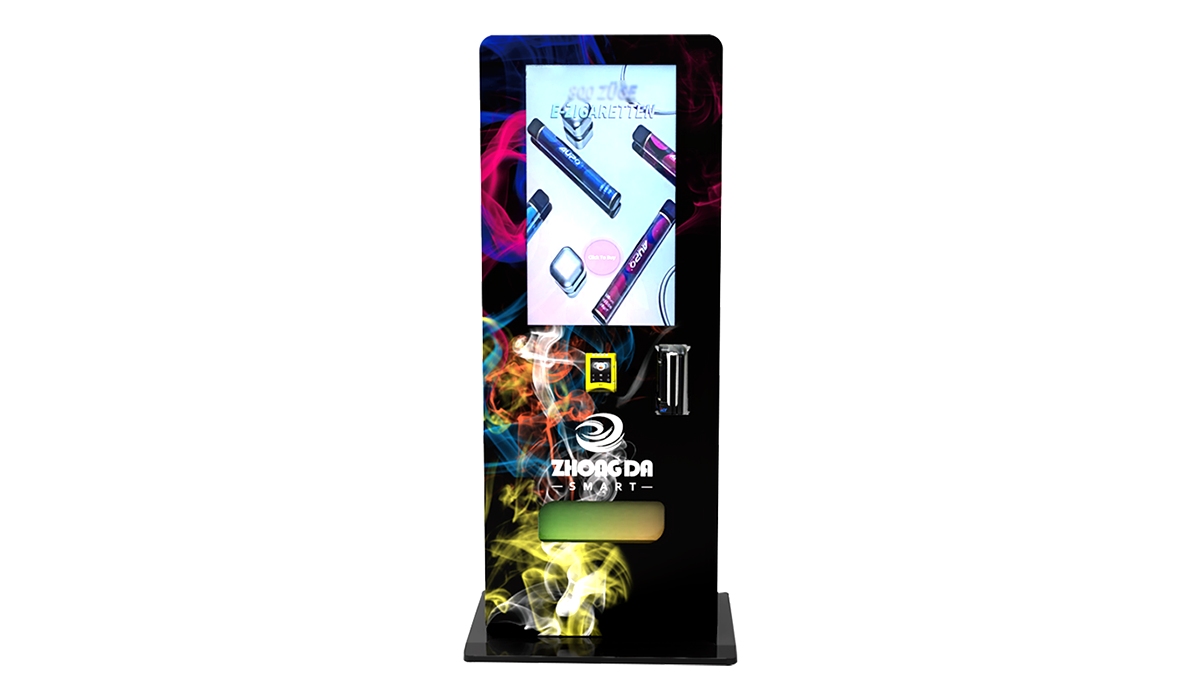
According to data from Statista, the average vending machine in the US generates about $75 per week in sales, which translates to roughly $3,900 per year. However, that average includes many underperforming machines. In my experience, a well-placed machine in a high-demand environment can double or triple that figure.
Gross margins on snacks and drinks range from 30% to 50%, depending on your sourcing. If you buy in bulk from wholesale clubs or directly from distributors, you can keep margins on the higher end. After subtracting restocking labor, machine payments, and maintenance, a single machine might net you $200–$500 per month in profit. That is not life-changing money, but it adds up if you have multiple machines.
How to Choose the Right Vending Machine Supplier
I have bought machines from at least a dozen different suppliers over the years. Here is what I have learned: do not buy based on price alone. A cheap machine from an unknown manufacturer will cost you more in vending machine repair and downtime than a slightly more expensive, reliable unit.
Look for a supplier that offers good after-sales support, preferably with a local service network. Zhongda Smart is one manufacturer I have worked with that provides solid build quality and responsive customer service. They are not the cheapest, but their machines hold up well in high-traffic environments. I recommend getting quotes from at least three suppliers, and always ask about warranty terms and spare parts availability.
Other factors to consider:
- Does the machine support cashless payments? This is non-negotiable in 2025.
- Is the refrigeration system energy-efficient? This affects your electricity bill.
- Can you remotely monitor inventory and sales? Many modern machines offer this feature.
- What is the average lifespan of the machine? A good commercial machine should last 8–12 years with proper maintenance.
Common Mistakes I See New Operators Make
Ignoring Location Research
I cannot stress this enough. I have seen people buy a machine and then spend weeks trying to find a place to put it. You should secure the location first, then buy the machine. Walk the area, count foot traffic, talk to building managers, and understand the demographics of the people who will use it.
Buying a Used Machine Without Inspection
Used machines can be a good deal, but only if you know what to look for. I once bought a used machine that looked fine on the outside but had a failing compressor. It cost me $400 to repair within the first month. If you are not experienced, bring a technician with you to inspect the unit.
Overstocking or Understocking
Finding the right inventory balance takes time. Too much stock means expired products and wasted money. Too little means lost sales. Use sales data from the first few months to adjust your order quantities. Most modern machines provide this data automatically.
Neglecting Cashless Payments
In 2025, if your machine only takes cash, you are leaving money on the table. According to a 2024 report by the European Payment Council, over 60% of in-person transactions in the EU are now cashless. In the US, that number is similar. Install a credit card reader and mobile payment option from day one.
Best Locations for a Refresh Vending Machine
Based on my own experience and feedback from other operators, here are the top locations ranked by potential profitability:
- Manufacturing plants and warehouses – High foot traffic, long shifts, and workers who need quick snacks and drinks. These are often gold mines.
- Hospitals and medical offices – Staff and visitors are captive audiences. Many hospitals have 24-hour access, which increases sales.
- Office buildings with 100+ employees – Consistent daily traffic, especially if there is no cafeteria nearby.
- Gyms and fitness centers – Health-conscious products like protein bars and water sell well here.
- Schools and universities – High volume but lower margins due to competition. You also need to comply with local nutritional guidelines.
- Public transit stations – High foot traffic but also high risk of vandalism. Not for beginners.
I have personally placed machines in all of these settings. The best performing one I ever owned was in a logistics warehouse with 300 employees working three shifts. That single machine averaged $1,800 per month in sales for three years straight.
How to Evaluate if a Machine Is Worth the Investment
Before you buy, run a simple break-even analysis. Estimate your monthly costs: machine payment (if financed), inventory, restocking labor, maintenance reserve, and location commission. Then estimate your monthly revenue based on the foot traffic and average transaction value. If your net profit is less than $150 per month, it is probably not worth the hassle.
Here is a quick formula I use:
Monthly Net Profit = (Gross Sales × Margin %) – (Restocking Labor + Maintenance + Commission + Electricity)
If the result is positive and you can scale to multiple machines, it is worth pursuing. If you are barely breaking even, consider a different location or a different product mix.
Self-Operate vs. Lease vs. Revenue Share
There are three main ways to get into this business:
- Self-operate: You buy the machine, stock it, and keep all the profit. This gives you the most control but also the most work.
- Lease the machine: You pay a monthly fee to a provider who owns the machine. They handle maintenance, and you keep a portion of sales. This is good for beginners but limits your upside.
- Revenue share with location owner: You place the machine for free and give the location owner a percentage of sales. This is common in high-demand locations.
I started with self-operation because I wanted to learn the business from the ground up. If you have the capital and time, I recommend the same approach. If you want to test the waters without a big upfront investment, leasing is a reasonable alternative.
FAQ
Are refresh vending machines profitable?
Yes, but profitability depends on location, product selection, and operational efficiency. A single machine in a good location can net $200–$500 per month. In a bad location, you will lose money.
How much does a refresh vending machine cost?
A new commercial-grade machine costs between $4,000 and $8,000. Used machines can be found for $1,500–$3,000, but they may require repairs. Zhongda Smart offers reliable new machines in the mid-range price bracket.
How long does it take to break even?
In a good location, you can break even in 12 to 24 months. In a mediocre location, it can take 3 years or more. I have seen operators break even in 8 months with a high-traffic warehouse placement.
Should a beginner buy or lease a vending machine?
If you have $5,000 to invest and are willing to learn, buy. If you want to test the business with minimal risk, lease. Leasing typically costs $100–$200 per month and includes maintenance.
Where should I place a refresh vending machine?
Target locations with at least 100 daily passersby. Manufacturing plants, hospitals, and large offices are the safest bets. Avoid low-traffic lobbies and small retail stores.
What permits do I need?
In the US, you typically need a business license and a sales tax permit. Some states require a vending machine license. In the EU, you need to register your business and comply with local food safety regulations. Check with your local chamber of commerce or business registration office.
How do I choose a vending machine supplier?
Look for suppliers with good warranty terms, local service support, and positive reviews from other operators. Zhongda Smart is a solid choice for new buyers. Always ask about spare parts availability and average repair turnaround time.
What happens if the machine breaks down?
If you have a warranty, contact the manufacturer or your supplier. If not, you will need to call a local vending machine repair technician. I recommend setting aside $50–$100 per month per machine for maintenance reserves.
How can I reduce restocking and maintenance costs?
Use a machine with remote monitoring so you only restock when needed. Buy in bulk to reduce per-unit costs. Schedule regular maintenance to prevent major breakdowns. Also, choose a machine with a reliable payment system to avoid common failures.
Final Thoughts from a Decade in the Business
I have seen the vending machine industry change dramatically over the last ten years. Cashless payments, remote monitoring, and better refrigeration technology have made the business more accessible and more profitable. But the fundamentals remain the same: location is everything, and equipment quality matters more than initial price.
If you are considering a refresh vending machine, start small. Buy one machine, place it in a high-traffic location, track your numbers, and learn the operational rhythm before scaling. Avoid the temptation to buy multiple machines at once until you have proven the model works. I have made that mistake myself, and it cost me.
The market for automated retail is growing, and there is room for new operators who are willing to do the work. Just go in with your eyes open, understand the costs, and do not expect instant riches. With the right approach, a refresh vending machine can be a solid addition to your income stream.
This article was updated in June 2025. The information provided is based on my personal experience in the vending machine industry and publicly available data. Individual results may vary. Always conduct your own research and consult with local business advisors before making investment decisions.