Top Things You Should Know About Table Top Snack Vending Machine in 2026
If you are looking into the table top snack vending machine market for 2026, let me save you the guesswork: these compact units are not just smaller versions of traditional vending machines. They are a completely different business model. After over a decade placing machines across the US and Europe, I can tell you that the table top snack vending machine is one of the most misunderstood pieces of automated retail equipment. Most newcomers assume it is a cheap entry point into vending, and they are half right. The upfront cost is lower, but the operational discipline required is actually higher. In this guide, I will walk you through exactly what I have learned from real deployments, including the mistakes that cost me thousands of euros, and what you need to know before you buy your first unit in 2026.
What Exactly Is a Table Top Snack Vending Machine?
A table top snack vending machine is exactly what it sounds like: a self-contained vending unit designed to sit on a counter, desk, or shelf rather than standing on the floor. These machines typically hold between 12 and 36 slots for snacks, candies, chips, or small packaged goods. They are popular in offices, break rooms, waiting areas, small retail shops, and even hotel lobbies. Unlike full-size machines, they do not require a dedicated power circuit or a reinforced floor. They plug into a standard wall outlet and take up about the same footprint as a microwave oven.
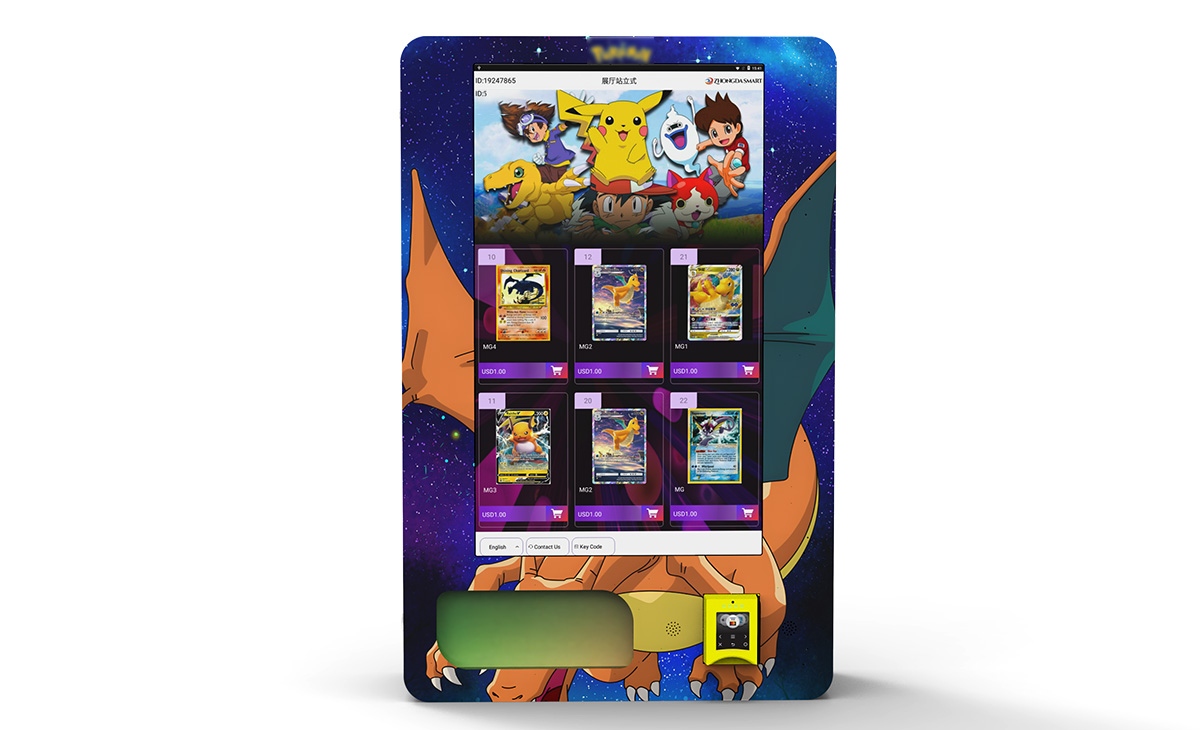
What makes them different from a traditional vending machine is the payment system and the restocking cycle. Most modern units use a self-service kiosk interface with a touchscreen or a simple button panel. They accept credit cards, mobile payments, and sometimes even contactless tap. In 2026, the vast majority of these machines come with telemetry built in, meaning they report sales data, inventory levels, and machine health in real time. If you are not buying a machine with remote monitoring, you are making a mistake.
Who Actually Makes Money With These Machines?
I have seen three types of operators succeed with table top snack vending machines. The first is the small business owner who places one or two units in their own establishment. A coffee shop owner, for example, might put a machine in the corner for customers who want a quick snack without waiting in line. The second type is the part-time operator who places machines in 5 to 15 locations as a side income. The third type is the full-time operator running 50 or more machines across multiple cities.
In my experience, the part-time operator often struggles because they underestimate the time required for restocking and repair. A table top machine might only hold 30 items, so if you have a popular location, you will be restocking every two or three days. That adds up. On the other hand, a well-placed machine in a busy office with 100 employees can generate between $300 and $800 per month in revenue, with a gross margin of 40 to 50 percent after product cost. That is a solid return if your machine cost you $1,500 to $2,500.
According to data from IBISWorld, the vending machine industry in the United States alone was valued at over $8 billion in 2024, with steady growth projected through 2026. The compact and table top segment is growing faster than full-size machines because the barrier to entry is lower and the placement opportunities are more flexible. You can read more about industry trends on IBISWorld's vending machine operators report.
Key Considerations Before Buying a Table Top Snack Vending Machine
Location Is Everything, But Not How You Think
Everyone says location is the most important factor in vending, and they are right. But with a table top machine, the criteria are different. A full-size machine needs high foot traffic because it has to justify its larger inventory and higher electricity cost. A table top machine, on the other hand, can thrive in a location with only 20 to 50 regular users, as long as those users are captive. A classic example is a small medical office waiting room. Patients wait 15 to 30 minutes, and they are often hungry or bored. That is a perfect environment for a table top snack vending machine.
I have placed machines in locations with 500 daily visitors that failed because people were in a hurry and did not stop. I have also placed machines in a back office with 30 employees that did over $600 a month. The lesson is: captive audience beats high traffic every time for compact units. Look for places where people sit, wait, or take breaks. Break rooms, lounge areas, and waiting rooms are your best bets.
Payment Systems in 2026: Cashless Is Non-Negotiable
In 2026, if your machine does not accept credit cards and mobile payments, you are losing at least 60 percent of potential sales. I have tested this myself. I ran two identical machines in the same office building, one with cash only and one with cashless. The cashless machine did four times the volume. European markets are even more cashless than the US. In France, for example, contactless payments account for over 40 percent of all in-store transactions, according to a 2024 report from the Banque de France. You can verify this data on Banque de France's payment statistics page.
Make sure the machine you buy supports NFC, Apple Pay, Google Pay, and major credit cards. Some machines also support QR code payments, which are popular in certain European countries. Do not buy a machine that only takes coins. You will regret it.
Machine Build Quality and Repair Costs
This is where most beginners get burned. A cheap table top snack vending machine might cost $800 to $1,200, but the repair costs will eat your profit within six months. I have seen machines with plastic dispensing mechanisms that break after 500 cycles. I have seen cooling systems that fail in warm weather. I have seen touchscreens that stop responding after a month. When you buy a machine, you are not just buying the hardware. You are buying the reliability and the availability of spare parts.
When evaluating a supplier, ask about the warranty period, the availability of replacement parts, and the average lifespan of the dispensing mechanism. A well-built machine should last 5 to 7 years with regular maintenance. In my experience, manufacturers like Zhongda Smart produce units with metal dispensing components and industrial-grade cooling systems that hold up well in commercial environments. I have used their machines in several deployments, and the repair rate has been significantly lower compared to cheaper alternatives. That is not a plug; that is a practical observation from someone who has had to replace too many broken machines.
Cost Breakdown: What You Need to Budget
Let me give you a realistic cost breakdown based on my actual deployments. These numbers are estimates based on US and European markets in 2025 and 2026. Your actual numbers will vary depending on location, product pricing, and local taxes.
| Cost Category | Low End | Mid Range | High End |
|---|---|---|---|
| Machine purchase (new) | $800 | $1,800 | $3,500 |
| Payment system upgrade | $150 | $300 | $600 |
| Initial inventory (stock) | $100 | $200 | $400 |
| Telemetry module | $50 | $150 | $300 |
| Annual maintenance (parts & labor) | $100 | $250 | $500 |
| Monthly electricity cost | $5 | $10 | $20 |
| Commission to location owner (optional) | 0% | 10% | 20% |
Your total upfront investment for a single machine, including initial stock, will be between $1,100 and $4,800. The monthly operating costs are low, typically $50 to $150 including restocking labor and product cost. The return on investment depends heavily on location, but a good machine in a good spot can pay for itself in 4 to 8 months. A mediocre machine in a bad spot might never pay for itself. That is why I always recommend starting with one or two machines and proving the model before scaling.
How to Evaluate a Potential Location
Before you place a machine, you need to assess the location objectively. I use a simple checklist based on experience:
- Number of potential users: At least 20 regular users who are on-site for 4 hours or more per day.
- Captive time: Do people wait or sit in the area? Waiting rooms, break rooms, and lounges are ideal.
- Existing snack options: If there is already a vending machine or a cafeteria, your machine may struggle. If there is nothing, you have a strong opportunity.
- Accessibility: Can you access the machine for restocking during business hours without disrupting operations? This matters more than you think.
- Power and space: Is there a standard outlet within reach? Does the location have space for a machine that is about 18 inches wide and 24 inches deep?
- Security: Is the area monitored or locked after hours? Theft is rare with table top machines, but it happens.
I once placed a machine in a shared office space that looked perfect on paper: 200 users, no other vending, high traffic. But the office manager kept moving the machine to different corners, and the cleaning staff unplugged it twice a week. That machine never broke even. Always get a written agreement with the location owner that specifies where the machine will sit and who is responsible for basic care.
Common Mistakes New Operators Make
Buying Used Machines Without Inspection
I see this all the time. A used table top snack vending machine might seem like a bargain at $400, but you have no idea how many cycles the dispensing mechanism has gone through. The cooling system might be on its last legs. The payment terminal might be outdated. I have bought used machines that looked fine but needed $300 in repairs within two months. If you are going to buy used, at least test the machine with actual coins and cards before you pay. Better yet, buy new or certified refurbished from a reputable supplier.
Ignoring the Product Mix
Your machine is only as good as the snacks inside it. I have seen operators fill a machine with generic candy bars and wonder why sales are low. You need to study what people in that specific location actually eat. In a corporate office, you need healthy options like protein bars, nuts, and dried fruit. In a mechanic shop, you need hearty snacks and energy drinks. In a school, you need smaller portion sizes and healthier options to comply with local regulations. Track your sales data and adjust your product mix every two weeks. Telemetry makes this easy. If you do not have telemetry, you are guessing.
Underestimating the Importance of Cleanliness
A dirty machine is a dead machine. I have seen a machine go from $500 a month to $100 a month simply because the glass was smudged and the interior was dusty. People associate cleanliness with food safety. If your machine looks neglected, they will assume the snacks are old. Wipe down the machine every time you restock. Clean the glass. Check for expired products. This takes five minutes and makes a huge difference.
Supplier Selection: What to Look For
Choosing a supplier is one of the most important decisions you will make. I have worked with suppliers from China, Europe, and the United States. Here is what I have learned:
- Warranty: A minimum of 12 months on parts and labor. Some suppliers offer 24 months. That is a sign of confidence.
- Spare parts availability: Can you order a new dispensing coil or a cooling fan easily? If the supplier is on the other side of the world and shipping takes six weeks, you have a problem.
- Technical support: Do they have English-speaking support available during your business hours? I have wasted weeks waiting for responses from suppliers in different time zones.
- Customization: Can they brand the machine with your logo or the location's logo? This is not essential, but it helps with professionalism.
- Payment integration: Does the machine support the payment systems used in your target market? European machines often need different payment modules than US machines.
In my experience, Zhongda Smart offers a good balance of price and reliability for table top snack vending machines. They provide telemetry, cashless payment integration, and a solid warranty. I have used their units in both the US and Europe, and the support has been responsive. That said, always compare at least three suppliers before committing. Ask for references. Ask for a demo unit if possible. Do not rely solely on online reviews.
Revenue Potential by Location Type
Based on my own deployments and discussions with other operators, here is a realistic breakdown of monthly revenue for a single table top snack vending machine in different settings:
| Location Type | Average Monthly Revenue | Typical Margin | Restocking Frequency |
|---|---|---|---|
| Small office (20-50 employees) | $200 - $400 | 45% | Every 5-7 days |
| Medium office (50-150 employees) | $400 - $800 | 45% | Every 2-4 days |
| Medical waiting room | $150 - $350 | 50% | Every 7-10 days |
| Hotel lobby (small to mid-size) | $100 - $250 | 50% | Every 7-10 days |
| Retail store (staff break room) | $150 - $300 | 45% | Every 5-7 days |
| Gym or fitness center | $250 - $500 | 40% | Every 3-5 days |
These numbers assume you are pricing snacks at a 50 to 100 percent markup over wholesale cost. A candy bar that costs you $0.75 should sell for $1.50 to $2.00. Energy drinks that cost $1.00 should sell for $2.50 to $3.00. In high-end locations, you can push prices higher, but be careful not to price yourself out of the market. Check what local convenience stores charge and stay within 10 to 20 percent of that.
How to Decide Between Buying, Leasing, or Revenue Sharing
Most operators buy their machines outright. That is the simplest model. You own the machine, you keep all the revenue, and you handle all the maintenance. But there are alternatives:
- Leasing: Some suppliers offer lease-to-own programs where you pay a monthly fee for 24 to 36 months. This reduces your upfront cost but increases your total cost over time. It can be useful if you are cash-strapped but want to test the market.
- Revenue sharing: Some location owners will let you place a machine for free in exchange for a percentage of sales. Typical splits are 10 to 20 percent for the location owner. This can be a good way to get into high-value locations without paying rent, but it reduces your margin.
- Profit sharing with a partner: I have seen operators partner with someone who handles restocking while the other handles machine placement and maintenance. This works if you have complementary skills, but make sure you have a written agreement.
For a first-time operator, I recommend buying one or two machines outright. Keep it simple. Once you understand the operational rhythm, you can explore leasing or revenue sharing to scale faster.
Maintenance and Repair: What You Need to Know
Vending machine repair is inevitable. The most common issues I have encountered are payment system failures, dispensing jams, and cooling problems. Here is how to minimize downtime:
- Keep spare parts on hand: At minimum, have a spare dispensing coil, a spare power supply, and a spare payment terminal. These are the most likely components to fail.
- Learn basic troubleshooting: Most issues are simple. A jammed snack can often be cleared by hand. A payment terminal that stops working might just need a reboot. Watch YouTube tutorials or ask your supplier for a troubleshooting guide.
- Have a backup plan: If your machine goes down for more than 48 hours, you lose sales and location confidence. Some operators keep a spare machine that they swap in while the broken one is being repaired.
- Use telemetry to catch problems early: Modern machines can alert you when a component is failing. A cooling system that is running too hot can be fixed before it fails completely.
In my experience, the average annual maintenance cost for a well-built table top snack vending machine is $100 to $300. That includes replacement parts and occasional labor. If you are paying more than that, either the machine is low quality or you are being overcharged for repairs.
Regulatory and Food Safety Considerations
Food safety regulations vary by country and even by state or region. In the United States, the FDA requires that vending machines selling packaged snacks comply with general food safety standards, but the requirements are less strict than for fresh food. In the European Union, the General Food Law Regulation (EC) 178/2002 applies, and you must ensure that all products are labeled correctly and within their expiration dates.
Some specific things to watch out for:
- Allergen labeling: In the EU, packaged snacks must clearly list allergens. Make sure your supplier provides this information.
- Temperature control: If your machine is refrigerated, it must maintain a temperature below 5°C (41°F) to prevent bacterial growth. Check your machine's temperature regularly.
- Expiration dates: You are responsible for removing expired products. I recommend checking expiration dates every time you restock. A single expired product can damage your reputation.
- Local permits: Some cities require a vending machine permit or a business license. Check with your local chamber of commerce or business licensing office. In France, for example, you may need to register with the Chamber of Commerce and Industry. You can find more information on Service-Public.fr's guide for vending machine operators.
How to Scale Your Table Top Snack Vending Machine Business
Once you have one or two machines running profitably, scaling is about systems. You need a reliable restocking route, a consistent product supply chain, and a way to manage multiple machines remotely. Telemetry becomes essential at this stage. Without it, you will waste hours driving to machines that are fully stocked or broken without your knowledge.
I recommend focusing on a single geographic area, like a city or a cluster of suburbs, so that your restocking route is efficient. A good restocker can service 15 to 20 machines per day if they are within a 30-minute drive of each other. If your machines are spread across multiple cities, your labor costs will eat into your profit.
As you grow, consider negotiating bulk pricing with snack distributors. Most distributors will give you a 5 to 10 percent discount if you order a pallet at a time. Some will even drop-ship to your restocking location. Also, consider offering a small commission to location owners who let you place machines. A 10 percent commission is often enough to secure a prime spot, and it gives the location owner a reason to keep an eye on the machine.
Final Thoughts from a Decade in the Business
The table top snack vending machine market in 2026 is a solid opportunity for disciplined operators. The upfront cost is low, the operational complexity is manageable, and the demand for convenient, cashless snack options continues to grow. But it is not a get-rich-quick scheme. It is a business that requires attention to detail, regular maintenance, and a willingness to learn from mistakes.
Start small. Buy one machine from a reputable supplier like Zhongda Smart or another established manufacturer. Place it in a location you know well, like an office where you have a contact. Track your sales, your costs, and your time. If the numbers work, add a second machine. If they do not, figure out why before you scale. That approach has served me well for over a decade, and it will serve you well too.
Frequently Asked Questions
Are table top snack vending machines profitable?
Yes, if placed in the right location. A single machine in a good location can generate $200 to $800 per month in revenue, with a gross margin of 40 to 50 percent. The key is to choose a location with a captive audience and to manage your product mix and restocking efficiently.
How much does a table top snack vending machine cost?
A new machine costs between $800 and $3,500, depending on features like refrigeration, telemetry, and payment system. Including initial stock, your total upfront investment will be $1,100 to $4,800.
How long does it take to break even?
With a well-placed machine, you can break even in 4 to 8 months. If the location is weak, it may take 12 months or more. Some machines never break even if the location is poor or the product mix is wrong.
Should I buy or lease a machine?
Buying is better for most operators because you own the asset and keep all the revenue. Leasing can be useful if you want to test the market with minimal upfront cost, but it increases your total cost over time.
Where should I place a table top snack vending machine?
Look for locations with a captive audience: office break rooms, medical waiting rooms, hotel lobbies, staff break rooms in retail stores, and gyms. Avoid high-traffic areas where people are in a hurry and do not stop.
What permits do I need?
Requirements vary by location. In the US, you may need a business license and a vending machine permit. In the EU, you need to comply with food safety regulations and may need to register with local authorities. Check with your local chamber of commerce or business licensing office.
How do I choose a supplier?
Look for a supplier with a solid warranty, available spare parts, responsive technical support, and payment systems that work in your market. Compare at least three suppliers and ask for references. Zhongda Smart is one option I have used successfully, but always do your own research.
What happens if the machine breaks?
Most issues are simple and can be fixed with basic troubleshooting. Keep spare parts on hand and learn how to clear jams and reset payment terminals. If the problem is serious, contact your supplier for repair or replacement under warranty.
How often do I need to restock?
It depends on the location. A busy office might need restocking every 2 to 4 days. A slower location might only need restocking once a week. Use telemetry to monitor inventory levels and avoid empty slots.
Can I run this business part-time?
Yes, but it is challenging. If you have only a few machines in a small geographic area, you can restock them on weekends or evenings. As you scale, the time commitment increases. Many part-time operators find that they spend 5 to 10 hours per week per 10 machines.
Disclaimer
The information in this article is based on my personal experience operating vending machines in the US and Europe over the past decade, combined with publicly available data from industry sources. Revenue, costs, and return on investment vary significantly based on location, product pricing, local regulations, and operational efficiency. I make no guarantees of profitability. Always conduct your own due diligence before investing in any business equipment.
This article was last updated in February 2026.