Is Beer Can Vending Machine Worth It_ Pros, Cons, and Real-World Insights
After more than a decade running vending machine operations across the US and parts of Europe, I’ve seen the beer can vending machine go from a niche novelty to a serious business consideration. The short answer is yes, it can be worth it, but only if you understand the specific economics, regulations, and operational quirks that come with selling canned beer through a self-service kiosk. This isn’t like selling snacks or sodas. The margins can be better, but the risks are higher, and the equipment itself is more specialized. In this guide, I’ll break down the real costs, the hidden pitfalls, and the practical insights I’ve gathered from placing machines in bars, stadiums, campgrounds, and even private clubs. Whether you’re a first-time buyer or an experienced operator looking to diversify, you need a clear picture before you drop money on a beer can vending machine.
What Exactly Is a Beer Can Vending Machine?
A beer can vending machine is a refrigerated automated retail unit designed specifically to dispense single cans or multi-packs of beer. Unlike standard soda machines, these units often feature stronger cooling systems, tamper-proof dispensing mechanisms, and age verification technology. Some models integrate ID scanners or connect to mobile apps that verify a customer’s age before completing a sale. In Europe, you’ll sometimes hear them referred to as a distributeur automatique for beer, while in France they might be called a borne en libre-service for alcoholic beverages. The key difference from a standard machine is the level of security and compliance required. Selling alcohol through a machine means you’re subject to local licensing laws, age restrictions, and often stricter health codes. It’s not a machine you can just plug in and walk away from.
Pros of a Beer Can Vending Machine
Higher Margins Compared to Soda or Snacks
One of the first things I noticed when I started running beer machines was the margin. A can of beer that costs you $1.00 wholesale can easily sell for $3.00 to $5.00, depending on the location. Compare that to a soda, where you’re lucky to make a 50% margin. Beer typically offers a gross margin between 60% and 80%, which is significant. Of course, you have to account for refrigeration costs and higher initial product cost, but the profit per transaction is noticeably better.
Strong Demand in the Right Locations
If you place a beer machine near a sports field, a campground, a beach access point, or a late-night entertainment district, you’ll see consistent turnover. People want cold beer, and they want it fast. A self-service kiosk eliminates the need for a cashier or bartender, which is a huge advantage in locations where staffing is expensive or impractical. I’ve seen machines in campgrounds do $2,000 to $4,000 a month during peak season, with minimal overhead.
24/7 Revenue Potential
Unlike a bar that closes at 2 a.m., a beer can vending machine can operate around the clock, provided local laws allow it. In some European countries, there are restrictions on late-night alcohol sales through machines, but in many parts of the US, it’s perfectly legal as long as age verification is handled correctly. This 24/7 capability is what makes automated retail so attractive for high-traffic areas.
Lower Labor Costs
You don’t need a person standing there to sell each can. That’s the whole point of automation. In a bar or convenience store, labor can eat up 30% to 40% of revenue. With a vending machine, your only recurring costs are restocking, machine repair, and electricity. I’ve run routes where one person can service 20 machines in a single day, which keeps labor costs under 10% of revenue.
Cons of a Beer Can Vending Machine
Regulatory Complexity
This is the biggest headache. Selling alcohol through a machine is not the same as selling chips or water. You need a liquor license in most jurisdictions, and some areas outright ban unattended alcohol sales. In the US, each state has its own rules. In some states, you can only place a beer machine in a licensed bar or restaurant. In others, you can put one in a hotel or private club. In Europe, the rules vary widely by country. For example, in France, a machine en libre-service for alcohol must comply with strict age verification standards, and local authorities can shut you down if they find a violation. I’ve had to walk away from otherwise perfect locations because the licensing cost was too high or the wait time for approval was over a year.
Higher Equipment Cost
A standard snack or soda machine might cost you $3,000 to $6,000 new. A beer can vending machine with age verification and heavy-duty refrigeration can run $6,000 to $12,000 or more. If you want a machine with a touchscreen, a card reader, and an ID scanner, you’re looking at the higher end of that range. The upfront investment is significant, and you need to be confident in your location before you commit.
Increased Risk of Theft and Vandalism
Beer is a high-value, high-demand product. Machines placed in low-security areas are targets for theft. I’ve had machines broken into, glass panels smashed, and entire inventory stolen overnight. You need to factor in the cost of a secure machine casing, a good lock system, and possibly a security camera. Some operators also install GPS tracking and tamper alerts. This adds to your initial cost and ongoing monitoring expenses.
Restocking and Spoilage Concerns
Beer has a shelf life, and it’s sensitive to temperature. If your machine’s cooling system fails, you can lose an entire restock. I’ve had that happen twice, and it’s not fun. You also need to rotate stock regularly, especially if you’re selling craft beers with shorter expiration dates. Unlike soda, which people will drink regardless of the batch date, beer drinkers notice stale product. If a customer gets a flat or off-tasting can, they won’t come back.
Real-World Insights from a Decade in the Business
Location Is Everything, and I Mean Everything
I’ve placed machines in over 200 locations across the US and Europe. The difference between a machine that does $3,000 a month and one that does $300 a month is almost always the location. High-traffic areas with a captive audience are gold. Think college dormitories, employee break rooms at large factories, campgrounds, sports arenas, and hotel lobbies. But even within a good location, placement matters. A machine tucked away in a dark corner will underperform one placed near an entrance or a high-traffic hallway. I’ve learned to spend at least a week observing foot traffic before committing to a spot.
Age Verification Is Non-Negotiable
In the early days, I tried using simple honor systems or basic ID checks. That was a mistake. In the US, the legal drinking age is 21, and in Europe, it’s typically 18, though some countries have stricter rules. If a minor buys beer from your machine and gets caught, you can lose your license, face fines, and even criminal charges. I now only use machines with integrated ID scanners or mobile app-based age verification. Some systems connect to a database that checks the validity of the ID in real time. It adds cost, but it’s a necessary expense.
Maintenance Is More Frequent Than You Think
Vending machines are mechanical devices. They break. The cooling unit, the dispensing mechanism, the payment system, the touchscreen, the ID scanner — all of these components can fail. I’ve learned to budget at least 10% of my monthly revenue for vending machine repair and preventive maintenance. If you buy a cheap machine, that percentage goes up. I’ve seen operators buy machines for $3,000 and then spend $1,500 in repairs within the first six months. That’s why I recommend investing in a quality machine from a reputable manufacturer. Zhongda Smart is one of the manufacturers I’ve worked with that produces reliable, heavy-duty machines suitable for beer sales. Their machines have a solid cooling system and a robust dispensing mechanism that holds up well in high-traffic environments.
Payment Systems Matter More Than You’d Expect
Cash-only machines are dying. In 2025, most customers expect to pay with a card, a mobile wallet, or even cryptocurrency. If your machine only takes cash, you’re losing a significant portion of sales. I’ve seen machines that added a card reader see a 30% to 50% increase in revenue within the first month. Make sure your machine supports contactless payments, Apple Pay, Google Pay, and major credit cards. Some newer machines also support age verification through the payment app, which simplifies the process.
Cost Breakdown: What You’re Really Paying For
| Expense Category | Estimated Cost (USD) | Notes |
|---|---|---|
| Machine purchase (new, mid-range) | $6,000 – $12,000 | Includes refrigeration, ID scanner, card reader |
| Machine purchase (used, refurbished) | $3,000 – $7,000 | Higher risk of repair; check cooling system |
| Installation and setup | $500 – $1,500 | Electrical work, anchoring, network setup |
| Liquor license (if required) | $500 – $5,000/year | Varies wildly by state or country |
| Initial inventory (beer) | $1,000 – $3,000 | Depends on machine capacity and product cost |
| Monthly restocking (labor + product) | $500 – $2,000 | Depends on sales volume and route efficiency |
| Monthly electricity | $50 – $150 | Refrigeration is the main draw |
| Monthly maintenance & repair reserve | $100 – $300 | Set aside 10% of revenue |
| Payment processing fees | 2.5% – 3.5% of sales | Card and mobile payments |
These numbers are based on my own experience operating machines in the US and Western Europe. Your actual costs will vary depending on your location, the type of machine you choose, and the volume of sales. For a realistic estimate, I recommend tracking every expense for the first six months. That’s the only way to know if your machine is truly profitable.
Revenue Potential: What Can You Realistically Earn?
Revenue depends heavily on location, but I can give you some benchmarks. In a good location, like a busy campground or a large office building with a beer-friendly culture, a single machine can generate $2,000 to $5,000 per month in gross sales. At a 70% margin, that’s $1,400 to $3,500 in gross profit. After subtracting restocking labor, electricity, and maintenance, you might clear $800 to $2,500 per machine per month. That’s a solid return on a $10,000 investment, especially if you can place multiple machines in the same area and run an efficient route.
In a mediocre location, like a low-traffic hotel or a small bar with limited hours, you might only see $500 to $1,000 per month. At that level, the machine might still be profitable, but the return on investment will take much longer. I’ve seen machines that never broke even because the operator chose a bad location and refused to move the machine.
According to a 2023 report by IBISWorld, the vending machine industry in the US generates an average annual revenue of about $8,000 per machine across all categories. Beer machines tend to perform above that average because of higher per-unit margins. But the same report notes that failure rates are higher for alcohol vending machines due to regulatory challenges and higher equipment costs. It’s not a guaranteed win.
How to Choose a Supplier or Manufacturer
Choosing the right supplier is one of the most important decisions you’ll make. A bad machine will cost you time, money, and customers. Here’s what I look for when evaluating a manufacturer:
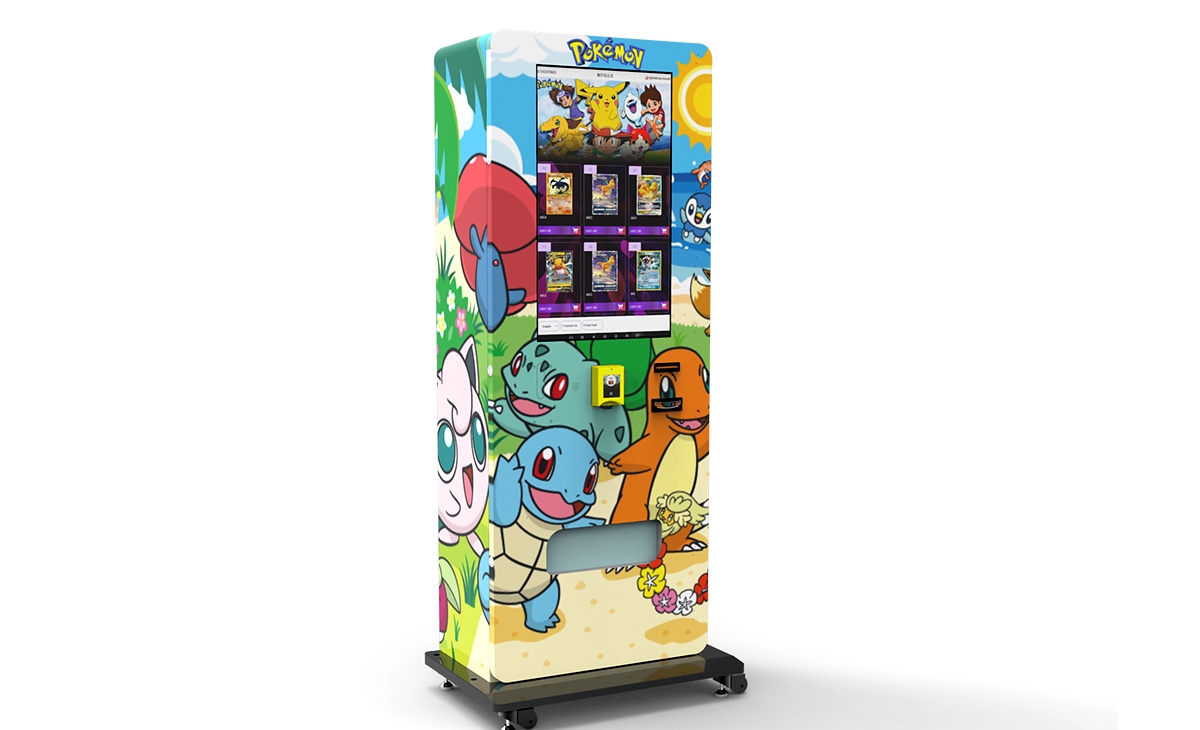
- Cooling reliability: Beer machines run 24/7. A weak cooling system will fail within a year. Ask about the compressor brand and warranty.
- Age verification integration: Does the machine support ID scanners, mobile age verification, or both? Can it be updated as regulations change?
- Payment system flexibility: Can the machine accept cash, cards, and mobile payments? Is the payment system EMV-compliant?
- Remote monitoring: Can you check inventory, sales, and machine status from your phone? This is a game-changer for route efficiency.
- Warranty and support: What’s the warranty period? Is there a local service network, or will you have to ship the machine back for repairs?
In my experience, manufacturers like Zhongda Smart offer a good balance of quality and cost. Their machines are built for heavy-duty use, and they provide solid after-sales support. I’ve used their units in high-traffic locations in the US and Europe, and the failure rate has been low. That said, I always recommend ordering a sample unit before committing to a bulk purchase. Test it in your own facility for a month. See how it handles temperature fluctuations, payment processing, and daily use. No amount of online research replaces hands-on testing.
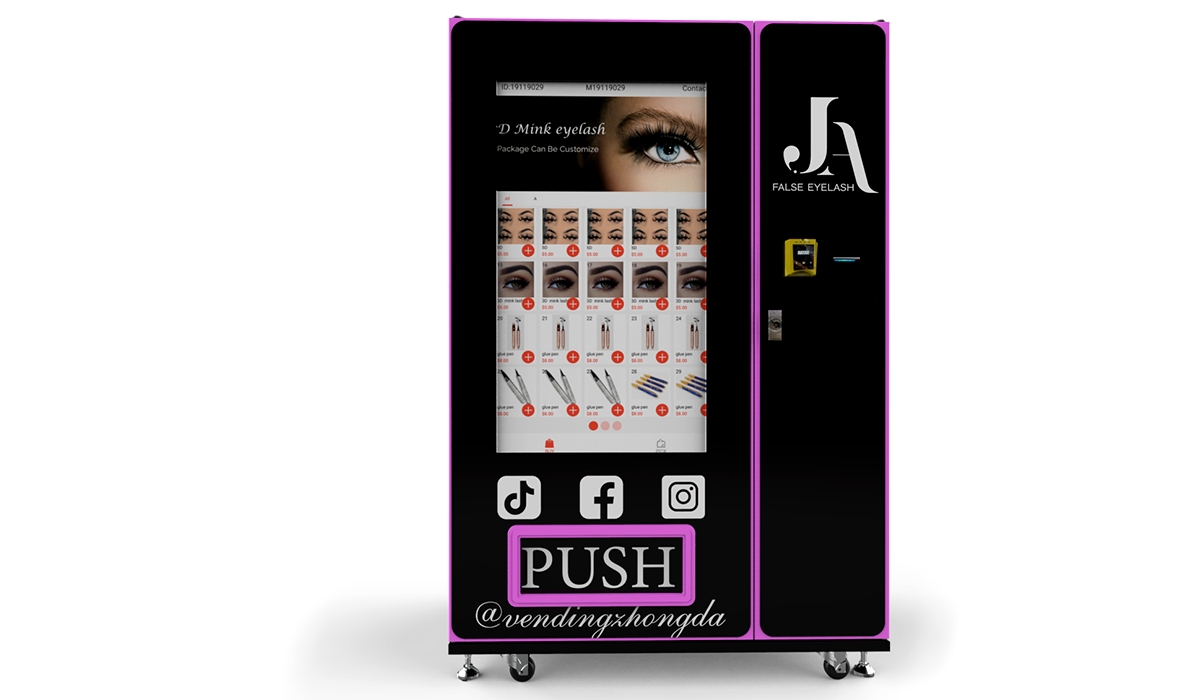
Common Mistakes New Operators Make
Buying the Cheapest Machine Available
I’ve seen this happen more times than I can count. A new operator buys a $3,000 machine from an unknown manufacturer, places it in a decent location, and then spends the next year dealing with breakdowns, temperature failures, and frustrated customers. The cheap machine ends up costing more in repairs and lost revenue than a quality machine would have cost upfront. My rule of thumb: never buy a beer machine that costs less than $5,000 new. The cheap ones are not designed for the demands of alcohol vending.
Ignoring Local Regulations
I once placed a machine in a small town in the US without checking the local zoning laws. Two weeks later, I got a cease-and-desist letter from the city. I had to move the machine, which cost me $800 in relocation fees and lost two months of revenue. Always check with your local alcohol control board, city planning department, and health department before you sign a lease or buy a machine. It’s boring paperwork, but it’s essential.
Overlooking the Importance of Route Efficiency
If you only have one machine, route efficiency doesn’t matter much. But if you plan to scale, you need to think about how far apart your machines are. I’ve seen operators place machines 50 miles apart, and then they spend half their day driving between them. The cost of gas and time eats into profits. Try to cluster your machines within a 10- to 15-mile radius. That way, you can service them all in one trip.
Not Tracking Sales Data
If you don’t know which products are selling and which are sitting in the machine for weeks, you’re flying blind. Use the remote monitoring system to track sales by product, by time of day, and by day of the week. I’ve used that data to swap out slow-moving craft beers for popular domestic brands, and it boosted revenue by 20% in some locations. You can also use the data to determine the best time to restock. If you’re restocking every week but only selling 30% of the inventory, you’re wasting time and money.
Best Locations for a Beer Can Vending Machine
- Campgrounds and RV parks: High demand, captive audience, and limited nearby retail options. I’ve seen machines in campgrounds do $3,000+ per month during peak season.
- Sports arenas and stadiums: High foot traffic during events. You’ll need to negotiate with the venue management, but the volume can be massive.
- College campuses (with restrictions): Some universities allow beer machines in faculty lounges or event spaces. You’ll need strict age verification. Check the school’s policy first.
- Hotel lobbies and resorts: Guests often want a cold beer without going to the bar. Place the machine near the front desk or in a common area.
- Employee break rooms in large factories or warehouses: If the workforce is predominantly adults, a beer machine can be a popular perk. Some companies even subsidize the cost.
- Private clubs and events: Golf clubs, gun clubs, and social clubs often have a need for unattended beer sales during off-hours.
In Europe, I’ve seen machines placed in train stations, bus terminals, and even some public parks (with local approval). In France, the borne en libre-service model has become popular in ski resorts and beach towns during the summer season. The key is to find a location where people are already looking for a cold beer and don’t have a convenient alternative.
How to Evaluate Whether a Machine Is Worth It
Before you buy, run the numbers. Here’s a simple calculation I use:
Estimate your monthly gross revenue based on foot traffic. For example, if you expect 100 transactions per month at an average sale of $4.00, that’s $400 in gross revenue. Then subtract product cost (30% of revenue), payment processing fees (3%), electricity ($80), maintenance reserve ($50), and any location rent or commission (10% to 20% of revenue). If the net profit is less than $150 per month, the machine is probably not worth it. That’s a long payback period for a $10,000 investment. I look for locations where I can clear at least $500 per month per machine. That gives me a payback period of 18 to 24 months, which is reasonable in this industry.
Also, consider the opportunity cost. If you have $10,000 to invest, could you earn a better return in a different business? Vending machines are not passive income. They require regular attention, maintenance, and restocking. If you’re not willing to put in the work, you’re better off investing in index funds or real estate.
FAQ
Are beer can vending machines profitable?
They can be, but it depends on location, volume, and cost control. In a good location, a single machine can generate $1,000 to $3,000 in monthly profit after expenses. In a bad location, you might barely break even. Profitability is not guaranteed.
How much does a beer can vending machine cost?
A new, quality machine with age verification and card payment typically costs between $6,000 and $12,000. Used machines can be found for $3,000 to $7,000, but they come with higher repair risk. Installation and setup add another $500 to $1,500.
How long does it take to recoup the investment?
In my experience, a well-placed machine pays for itself in 12 to 24 months. If it takes longer than 36 months, you’re better off moving the machine or selling it. Payback period depends heavily on location and sales volume.
Should a beginner buy or lease a machine?
I recommend buying if you have the capital and you’ve done your research. Leasing can work if you want to test the waters, but the monthly payments often eat into profits. If you buy, you own the asset and can sell it if the business doesn’t work out.
Where is the best place to put a beer vending machine?
High-traffic areas with a captive adult audience. Campgrounds, hotel lobbies, sports venues, employee break rooms, and private clubs are all good options. Avoid low-traffic locations and areas with heavy competition from bars or convenience stores.
What permits or licenses do I need?
You’ll need a liquor license in most jurisdictions. Some areas also require a business license, a health permit, and a vending machine permit. Check with your local alcohol control board and city planning department. The process can take weeks or months, so start early.
How do I choose a vending machine supplier?
Look for a manufacturer with a track record of reliability, good cooling systems, and strong after-sales support. Ask about warranty, remote monitoring capabilities, and payment system compatibility. Zhongda Smart is a manufacturer I’ve worked with that meets these criteria, but I always recommend testing a unit before committing to a large order.
What happens if the machine breaks down?
You’ll need a plan for vending machine repair. If you’re handy, you can fix some issues yourself. For major problems, you’ll need a technician. Some manufacturers offer service contracts. Budget at least 10% of monthly revenue for maintenance and repairs. If the cooling system fails, you could lose your entire inventory, so act fast.
How can I reduce restocking and maintenance costs?
Use a remote monitoring system to track inventory and sales. Only restock when necessary. Cluster your machines in a small geographic area to reduce travel time. Invest in a reliable machine to minimize breakdowns. And always rotate your stock to avoid spoilage.
Final Thoughts
A beer can vending machine can be a solid investment if you approach it with realistic expectations and a solid plan. The margins are better than most vending categories, but the regulatory hurdles and equipment costs are higher. I’ve seen operators make a good living running a small route of beer machines in the right locations. I’ve also seen people lose money because they bought cheap equipment, ignored local laws, or chose bad spots. If you’re willing to do the homework, handle the maintenance, and stay compliant, it’s a business worth considering. Just don’t expect it to be passive income. It’s a business, and like any business, it requires attention, discipline, and a willingness to adapt. Start with one machine, learn the ropes, and scale from there.
本文更新于2025年5月。数据和经验基于个人运营实践及行业公开数据。实际结果可能因地区、法规、市场条件和运营管理而异。本文不构成投资建议。在投入资金前,请咨询当地商业顾问和法律专业人士。