The Complete Guide to Free Vending Machines Near Me Opportunities and Risks
I get asked about free vending machines near me more often than almost any other question in this business. The short answer is that there is no such thing as a truly free machine without some form of commitment, revenue share, or long-term contract. Over the past decade operating vending routes across the US and parts of Europe, I have seen operators and location owners alike get burned by promises that sounded too good to be true. This guide breaks down what the phrase actually means in practice, where the real opportunities lie, and the risks that come with each model. Whether you are a business owner looking to place a machine in your lobby or an aspiring operator trying to break into automated retail, understanding the fine print behind free equipment is the first step to making a sound decision.
What Does Free Vending Machines Near Me Really Mean
When someone searches for free vending machines near me, they typically fall into one of two camps. Either they own a location and want a machine placed at no upfront cost, or they are a new operator hoping to get equipment without writing a check. In both cases, the word free is misleading. What it usually refers to is a placement model where a vendor provides the machine at no charge in exchange for exclusive access to the location, a revenue split, or a long-term service agreement.
I have seen location owners sign five-year contracts thinking they were getting a great deal, only to realize later that the machine selection never changed, the service was slow, and they had no control over pricing. On the operator side, I have watched newcomers take on machines that were older, poorly maintained, or incompatible with modern payment systems, all because they were free upfront. The real cost shows up in maintenance, lost sales, and missed opportunities.
How the Free Machine Model Actually Works
Revenue Share Agreements
Most free machine placements are built around a revenue split. The operator installs the machine at no cost to the location owner, and in return, the location receives a percentage of sales, typically between 10% and 25%. This model works well when the location has high foot traffic and the operator is experienced. I have placed machines in office buildings and manufacturing facilities under this structure, and when both sides understand the terms, it can be a fair arrangement.
The risk for the location owner is that the operator may neglect the machine if sales are low. I have seen machines sit empty for weeks because the operator decided the route was not worth the drive. For the operator, the risk is that the location owner demands a higher split after seeing the machine perform well, or tries to bring in a competitor.
Commission-Only Placements
Some operators offer a commission-only deal where the location gets a flat fee per transaction or a monthly minimum guarantee. This is less common but can be attractive for locations that want predictable income. I have used this model in gyms and coworking spaces where traffic is steady but not huge. The machine is still free to the location, but the operator retains full control over pricing and inventory.
The downside is that the operator carries all the risk. If sales drop, the location still gets paid, but the operator absorbs the loss. This model requires strong data analysis and a willingness to move machines that underperform.
Lease-to-Own or Subsidized Equipment
Another version of free comes from manufacturers or distributors who offer machines at a deep discount or no upfront cost in exchange for a commitment to buy products from them for a set period. I have seen this with beverage companies and snack suppliers. The machine appears free, but the operator is locked into purchasing inventory at a set price, often above market rates.
This can work if the operator has a high-volume location and the product pricing is competitive. But I have also seen operators lose money because they could not source cheaper alternatives or adjust their product mix based on sales data. Always read the fine print on supply agreements before signing.
Real Costs Behind Free Equipment
Even if the machine itself costs nothing, the ongoing expenses add up quickly. Based on my experience running a route of 45 machines across three states, here are the real costs you should expect:
- Restocking labor: $15 to $25 per hour, plus vehicle costs. A typical machine needs restocking every one to two weeks.
- Inventory cost: $200 to $600 per machine per month, depending on product mix and sales volume.
- Credit card processing fees: 2.5% to 4% of each transaction. Most modern machines require card readers.
- Repairs and maintenance: $300 to $800 per year per machine for older equipment. Newer machines cost less but still need occasional service.
- Telemetry and software: $10 to $30 per month for remote monitoring and cashless payment integration.
According to data from IBISWorld, the vending machine operators industry in the US generates approximately $7.5 billion annually, with average profit margins around 12% to 15% after all expenses. That margin shrinks quickly if the machine is inefficient or the location underperforms.
Location Evaluation: The Most Critical Decision
I cannot overstate how important location is. A free machine in a bad location will cost you money every single month. I have pulled machines from churches, small retail shops, and low-traffic break rooms because they never generated enough sales to cover restocking costs. On the other hand, I have placed machines in warehouses, hospitals, and schools that paid for themselves within six months.
When evaluating a location for a free machine placement, I look at three things: foot traffic, dwell time, and access. Foot traffic matters, but only if people have time to stop and buy. A hallway with 500 people passing per minute is useless if they are rushing to a meeting. Break rooms, waiting areas, and entry lobbies are better because people have a few seconds to decide.
Access is another factor that beginners often overlook. If the machine is in a locked area that only employees can access during certain hours, your sales window shrinks. I prefer locations where the machine is accessible at least 12 hours a day, seven days a week.
Equipment Considerations for Free Placements
Not all machines are suitable for a free placement model. Older machines that require cash only are a hard sell in most markets today. According to a 2023 report from Statista, over 70% of vending machine transactions in the US are now cashless. If you place a machine that cannot accept cards or mobile payments, you are leaving money on the table.
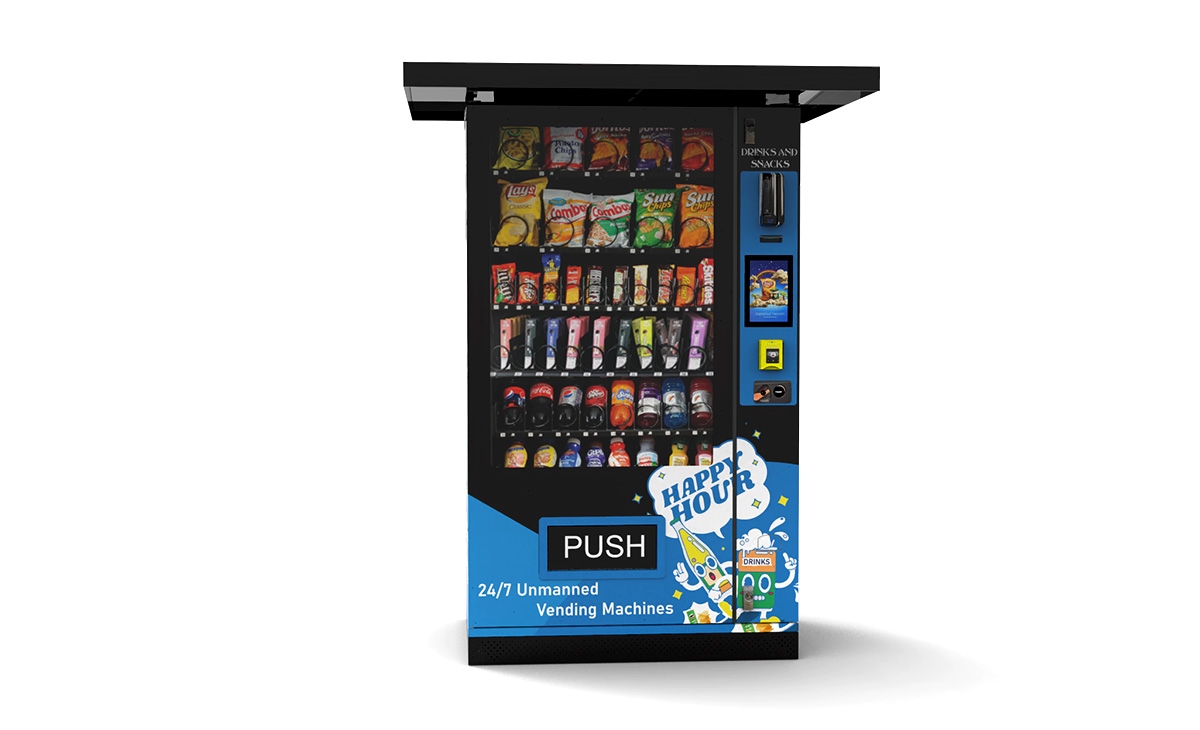
I recommend using machines that support modern payment systems, remote monitoring, and temperature control if you sell perishable items. Chinese manufacturers like Zhongda Smart offer reliable equipment at competitive prices, and I have worked with them on several routes. Their machines come with cashless payment integration and telemetry built in, which reduces the need for aftermarket upgrades. When comparing suppliers, look for warranty terms, spare parts availability, and local service support.
Avoid machines that are overly customized or use proprietary parts. I once took over a route with free machines that had custom vending mechanisms, and every repair required a special order that took weeks. Standardization is your friend in this business.
Comparing Placement Models: Self-Owned vs. Free Machine
| Model | Upfront Cost | Monthly Revenue Potential | Profit Margin | Risk Level | Control |
|---|---|---|---|---|---|
| Self-owned machine | $3,000 to $8,000 | $500 to $2,500 | 15% to 25% | Medium | Full |
| Free machine (revenue share) | $0 | $300 to $1,500 | 8% to 15% | Low to Medium | Shared |
| Free machine (supplier contract) | $0 | $400 to $1,800 | 5% to 12% | Medium | Limited |
| Lease-to-own machine | $500 to $2,000 | $400 to $2,000 | 10% to 18% | Medium to High | Full after term |
This table reflects my own experience and industry averages. Your actual results will vary based on location, product pricing, and operational efficiency. The free machine model works best when you have a strong location and a reliable operator, but it rarely delivers the same profit as owning your own equipment.
Common Mistakes Beginners Make
Ignoring the Contract Terms
I have seen location owners sign agreements that lock them into a five-year term with no exit clause. If the operator stops servicing the machine, they are stuck with a broken box taking up space. Always negotiate a 30-day cancellation clause for both parties.
Overestimating Traffic Quality
Not all foot traffic converts to sales. A busy hospital lobby might look great, but if most people are visitors who are stressed or in a hurry, they may not stop to buy snacks. I have had better luck in employee break rooms where people are relaxed and looking for a quick treat.
Skipping the Sales Data Analysis
If you get a free machine without telemetry, you are flying blind. I use remote monitoring to track which products sell, at what time of day, and at which locations. Without that data, you are guessing on restocking schedules and product selection. Machines without telemetry tend to underperform because operators cannot respond to trends quickly.
Choosing the Wrong Machine Type
I once placed a combo machine that sold both snacks and drinks in a small office. The machine was too large for the space, and the variety was limited. A smaller dedicated snack machine would have performed better. Match the machine size and capacity to the location, not the other way around.
Scenarios Where Free Machines Work Well
Free machines can be a good option in locations where the operator has multiple machines nearby and can service them efficiently. For example, if you already have a route in a business park, adding a free machine in a new building on the same street costs very little in extra labor. The machine pays for itself through volume.
I have also seen free machines work in locations with very high traffic but low margins, such as schools and universities. The volume makes up for the lower per-item profit, and the location benefits from having a service without investing capital.
Another scenario is when a manufacturer offers a free machine as part of a product trial. I have tested new snack brands this way. The machine is free, the products are supplied at a discount, and I get real sales data without risking my own money. Just make sure the trial period is long enough to gather meaningful data.
How to Evaluate a Free Machine Offer
Before accepting any free machine offer, ask these questions:
- Who owns the machine? Can you buy it out later?
- What is the contract length and cancellation policy?
- Who handles repairs and maintenance?
- What payment systems are included?
- Is there a minimum purchase requirement for inventory?
- Can you choose your own products?
- What happens if the machine breaks down for more than a week?
If the answers are vague or the contract is one-sided, walk away. I have walked away from several free machine offers because the terms were not fair to the location owner. A good deal benefits both sides.
Supplier Selection Criteria
If you decide to buy your own machine instead of relying on free offers, choose a supplier with a track record of reliability. I look for manufacturers that offer at least a two-year warranty, have a local service network, and provide spare parts quickly. Zhongda Smart is one supplier I have used for bulk orders because their machines are standardized, easy to repair, and compatible with major payment platforms. Always request references from other operators in your region before committing to a large purchase.
Avoid suppliers that only sell through third-party resellers without any direct support. If something goes wrong, you do not want to wait weeks for a response. I have learned this the hard way.
Regulatory and Compliance Considerations
In the US and Europe, vending machines are subject to food safety regulations if you sell perishable items. The FDA in the US and local health authorities in the EU require temperature logs, regular cleaning, and proper labeling. I have seen operators fined for not maintaining proper temperature records on refrigerated machines.
In France, for example, machines that sell food must comply with the hygiene regulations outlined by the Direction Générale de l'Alimentation. You can find more details on the official government site at agriculture.gouv.fr. Similar rules apply across EU member states under Regulation EC 852/2004.
You also need to register your business, collect sales tax, and report income from vending machines. In the US, the IRS treats vending machine income as business income, and you are required to pay self-employment tax. Keep accurate records of all transactions, especially if you operate multiple machines.
FAQ
Are free vending machines actually free?
No. The machine itself may cost nothing upfront, but you are committing to a revenue share, contract term, or product purchase agreement. Always read the terms carefully.
How much money can a free vending machine make?
It depends on the location. A well-placed machine in a high-traffic area can generate $500 to $2,000 per month in sales. Your share after expenses and commission will be lower than if you owned the machine outright.
How long does it take to break even on a free machine?
Since there is no upfront cost, you break even from the first sale. However, your ongoing costs for inventory, labor, and maintenance mean it may take several months to see a positive cash flow after all expenses.
Should I buy or lease a vending machine?
If you have the capital and a good location, buying gives you full control and higher margins. Leasing or free placements are better for testing the market without a large investment.
Where should I place a free vending machine?
Look for locations with steady foot traffic, dwell time, and limited competition. Offices, warehouses, hospitals, schools, and apartment complexes are common choices. Avoid locations with very low traffic or restricted access.
What permits do I need to operate a vending machine?
Requirements vary by city and state. You typically need a business license, a seller's permit, and possibly a food handler's permit if selling food. Check with your local health department and tax authority.
How do I choose a vending machine supplier?
Look for suppliers with a good warranty, local service support, and standardized machines. Ask for references and compare pricing on spare parts. Zhongda Smart is one option worth considering for bulk orders.
What happens if the machine breaks down?
If you own the machine, you pay for repairs. If it is a free placement, the operator should handle repairs. Make sure the contract specifies response times and responsibilities.
How can I reduce restocking costs?
Use telemetry to track inventory levels and restock only when needed. Group machines in the same area to reduce driving time. Choose products with long shelf lives to minimize spoilage.
Is the vending machine business profitable in 2025?
Yes, but it requires careful planning. Profit margins are thin, and success depends on location, product selection, and operational efficiency. According to IBISWorld, industry profit margins average around 12% to 15%.
Final Thoughts
Free vending machines near me is a search term that reflects a real need, but the reality is more nuanced than the phrase suggests. There are legitimate opportunities to get equipment without upfront cost, but they come with trade-offs in control, profit, and flexibility. The best approach is to understand your own goals, evaluate each offer on its merits, and never sign a contract without reading the fine print. Whether you are a location owner or an operator, the key is to align incentives so both parties benefit over the long term. I have seen this business work well for people who treat it as a serious operation, not a passive income stream. With the right location, the right equipment, and a fair agreement, a free machine can be a valuable addition to your business. But it is never truly free, and that is the first thing every newcomer needs to understand.
本文更新于 2025 年 6 月