Vending Machine Monitoring Systems_ Prices, Profit Potential, and Setup Guide for Beginners
If you are looking into automated retail as a real business, you have probably asked yourself whether a vending machine monitoring system is worth the investment, how much it actually costs, and whether the profit potential justifies the upfront expense. I have been placing, servicing, and pulling machines out of bad locations across the US and Europe for over a decade, and I can tell you this: the hardware is only half the story. The real difference between a machine that drains your time and one that generates steady passive income comes down to how you monitor, manage, and respond to sales data. This guide covers realistic price ranges, profit expectations, and a step-by-step setup approach for beginners who want to avoid the costly mistakes I have seen too many new operators make.
What a Vending Machine Monitoring System Actually Does
A monitoring system is not just a fancy add-on. It is the central nervous system of a modern automated retail operation. When I started out, I had to drive to every machine twice a week just to check inventory and see if the card reader was working. That is time you never get back. Today, a good monitoring system lets you see real-time stock levels, sales by product, cash box status, and even machine health indicators like temperature or door alerts from your phone or laptop.
For a beginner, the most overlooked benefit is the ability to spot a failing location early. If a machine is not moving enough inventory over a four-week period, the monitoring data will tell you before you lose three months of rent. I have pulled machines out of shopping centers that looked busy but had terrible conversion rates, and the data from the system was the only reason I caught it in time.
Price Ranges for Monitoring Systems in 2025
Pricing varies significantly depending on whether you buy a standalone telemetry unit or a fully integrated system built into the machine. Based on my experience and current market data, here is a realistic breakdown:
| System Type | Hardware Cost (USD) | Monthly Subscription | Best For |
|---|---|---|---|
| Basic telemetry unit (retrofit) | $150 – $350 per unit | $10 – $25 per machine | Older machines without built-in connectivity |
| Integrated OEM system | $400 – $900 (included in machine price) | $15 – $40 per machine | New machines with factory-installed monitoring |
| Full fleet management platform | $1,000 – $3,000 upfront for software license | $50 – $150 per month for up to 20 machines | Operators with 5+ machines wanting advanced analytics |
These numbers are estimates based on my own purchasing and subscription agreements over the past three years. Prices can be higher if you add features like cashless payment integration or remote temperature control for cold food machines. According to a report by Statista, the global vending machine market is projected to grow steadily, which means monitoring system prices are becoming more competitive as more manufacturers enter the space.
Profit Potential: What You Can Actually Expect
Let me be direct: I have seen too many beginners walk into this business expecting to make $2,000 per month from a single machine. That is rare. A more realistic range for a well-placed machine in a mid-traffic location is between $300 and $800 in monthly net profit after cost of goods, rent, and fees. High-traffic locations like hospitals or transportation hubs can push that to $1,200 or more, but those spots are harder to secure and often come with higher commission splits.
Gross margins on snacks and drinks typically run between 25% and 40%, depending on your sourcing. If you buy in bulk from wholesalers, you can push closer to 40%. If you rely on retail suppliers, you will be closer to 20%. The key metric I watch is profit per machine per month, not revenue. A machine doing $1,500 in sales with 30% margin and $200 in location fees leaves you with $250. That is decent for a side machine, but not enough to retire on.
A solid vending machine monitoring system directly improves profit by reducing spoilage and out-of-stock situations. According to data published by IBISWorld, the average vending machine operator in the US sees an annual revenue of around $8,000 to $12,000 per machine, with operating margins averaging 15% to 25%. Monitoring helps you push toward the higher end of that range.
Setup Guide for Beginners: Step by Step
Step 1: Choose Your Machine Type and Supplier
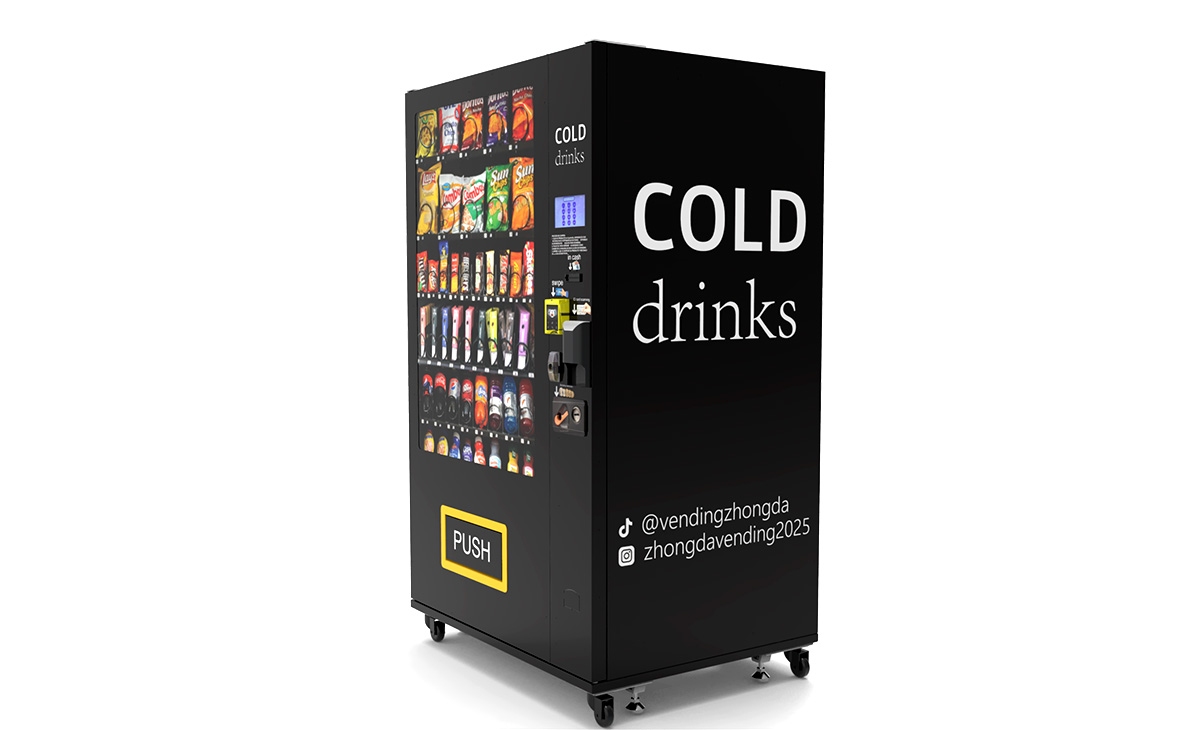
Do not buy the cheapest machine you find online. I made that mistake with my first unit, a refurbished can machine that looked fine but broke down every six weeks. The repair costs ate my profits for a full year. For beginners, I recommend starting with a new or certified pre-owned machine that includes a built-in monitoring system and a reliable warranty. One manufacturer I have worked with consistently is Zhongda Smart, which produces machines with integrated telemetry and cashless payment support out of the box. Their units are priced competitively compared to US or European brands, and the build quality holds up well in high-traffic environments.
When evaluating suppliers, ask for a list of reference operators in your region. A good manufacturer will provide that. If they hesitate, move on.
Step 2: Evaluate the Location
Location is everything, and I mean everything. I have seen identical machines in two different office buildings produce wildly different results. The first building had 300 employees and a cafeteria open only for lunch. The machine did $1,800 a month. The second building had 400 employees but a full cafeteria open all day. That machine barely did $400. You need foot traffic, but you also need a gap in food service availability.
I always do a manual count of people passing the spot over three different days before signing a contract. If I see fewer than 100 potential customers per hour during peak times, I walk away. A monitoring system will later confirm whether my estimate was accurate, but the initial legwork saves months of bad data.
Step 3: Set Up Payment Systems
Cash-only machines are dying. In the US, card and mobile payments now account for over 60% of vending transactions, according to industry data from the National Automatic Merchandising Association (NAMA). If your machine does not accept cards and digital wallets, you are leaving money on the table. Most modern monitoring systems include a payment gateway integration, so you can track cashless sales alongside cash. Make sure your system supports contactless payments, as that has become a baseline expectation in most locations.
Step 4: Configure Your Monitoring Dashboard
Spend an hour setting up alerts properly. I set low-stock alerts at 20% so I can plan my route instead of reacting to an empty machine. I also set a door-open alert, which saved me once when a machine in a warehouse was accidentally left ajar overnight, causing a temperature spike in the refrigerated section. Without that alert, I would have lost a full restock of perishable items.
Step 5: Test and Iterate Product Mix
Do not assume you know what people want. I have seen operators fill machines with healthy snacks in a construction site and wonder why nothing sold. Use the sales data from your monitoring system to adjust your product mix every two weeks for the first three months. Pay attention to which slots sell out first and which items sit untouched. That data is gold.
Cost Breakdown: What You Need to Budget
Here is a realistic startup budget based on my experience operating in both the US and EU markets. These numbers assume you are buying one new machine with monitoring and payment systems included.
| Expense Item | Estimated Cost (USD) | Notes |
|---|---|---|
| Machine (new, with monitoring) | $3,500 – $7,000 | Snack combo or cold drink machine |
| Cashless payment terminal | $300 – $600 | Often included in machine price |
| Initial inventory (stock) | $500 – $1,200 | Depends on machine capacity |
| Location deposit/first month rent | $0 – $500 | Some locations ask for a deposit |
| Installation and delivery | $200 – $500 | Local delivery, setup, and leveling |
| Monitoring subscription (first year) | $120 – $480 | Monthly fee for telemetry and data |
| Permits and business license | $50 – $300 | Varies by city and state |
| Total estimated startup | $4,670 – $10,580 | Per machine |
These figures are based on my own purchases and verified against pricing from suppliers I have worked with, including Zhongda Smart. Always get a written quote that includes shipping and any import duties if you are buying from overseas.
How to Choose a Manufacturer or Supplier
I have bought machines from four different manufacturers over the years, and I have learned to look for three things: warranty length, availability of spare parts, and the quality of the monitoring software. A two-year warranty is the minimum I accept. If a manufacturer offers only one year, they are either cutting corners or they do not trust their own build quality.
Spare parts availability is critical. I once waited six weeks for a compressor part from a European supplier. That machine sat dead for a month and a half, losing money and annoying the location owner. Now I only buy from suppliers who have a local distributor or a fast shipping arrangement for common parts. Zhongda Smart, for example, has regional warehouses in several countries, which significantly reduces downtime if something breaks.
Another factor is the monitoring platform itself. Some manufacturers lock you into their proprietary system, which means you cannot switch providers without replacing hardware. Ask upfront whether the system uses open protocols or if you are stuck with their software forever.
Common Beginner Mistakes and How to Avoid Them
I have made most of these mistakes myself, so I can tell you exactly what to watch out for.
Mistake 1: Buying a machine before securing a location. I see beginners buy a machine first, then scramble to find a spot. That is backward. Secure the location first, then buy the machine that fits that space and audience.
Mistake 2: Ignoring commission agreements. Some location owners ask for 20% to 30% of gross sales. That can crush your margin if you are not careful. I never agree to more than 15% unless the location has guaranteed high traffic, like a hospital or a busy transit station.
Mistake 3: Underestimating vending machine repair costs. A simple repair call can cost $150 to $300, and if you do not have a monitoring system to diagnose the issue remotely, you might pay for a service visit that turns out to be a simple jam. I have saved hundreds of dollars by using the remote diagnostics in my monitoring system to clear basic errors before calling a technician.
Mistake 4: Choosing the wrong product mix. I once stocked a machine in a gym with chips and candy bars because I assumed people wanted comfort food. The data from the monitoring system showed that protein bars and bottled water outsold everything else 3 to 1. I switched the mix and doubled my revenue per machine in two months.
Best Locations for Vending Machines
Not all foot traffic is equal. Based on my experience and industry benchmarks, here are the location types that consistently perform well:
- Office buildings with 100+ employees and no cafeteria. These are gold. The same people come every day, and they have predictable buying habits.
- Hospital staff break rooms. Nurses and doctors work long shifts and need quick access to food and drinks. Hospitals are open 24/7, which means your machine keeps selling around the clock.
- Auto repair shops and car dealerships. Customers wait for their cars and have time to browse. I have a machine in a dealership that does $1,200 a month with almost no competition.
- Manufacturing facilities and warehouses. Workers in these environments often have limited break time and appreciate having food and drinks on site.
- College dormitories and student lounges. Students are heavy consumers of snacks and drinks, especially late at night when campus food services are closed.
Avoid locations with heavy existing food service, low foot traffic, or seasonal fluctuations unless you are prepared to move the machine during off-peak months.
How to Evaluate Whether a Machine Is Worth Investing In
I use a simple formula before I place a machine anywhere. I estimate monthly sales based on foot traffic and average transaction value. Then I subtract cost of goods (usually 60% to 75% of sales), location commission (10% to 15%), and estimated maintenance and restocking costs ($50 to $100 per month). If the resulting net profit is less than $150 per month, I pass on the location.
For example, if I expect $1,000 in monthly sales, with 35% gross margin, that is $350. Subtract $100 for commission and $75 for restocking and maintenance, and I am left with $175. That is borderline for me. If the same location could do $1,500 in sales, the net jumps to around $350, which is a solid return on a $5,000 machine investment.
Your monitoring system will give you the real numbers within the first 60 days. If the data shows lower performance than your estimate, be ready to relocate the machine. I have moved machines three times before finding the right spot. Do not get emotionally attached to a location.
Real Data Sources and Industry Benchmarks
Throughout this guide, I have referenced figures based on my own operational records and publicly available data. For additional context, I recommend reviewing the following sources:
- Statista – Global Vending Machine Market Size
- IBISWorld – Vending Machine Operators Industry Report
- National Automatic Merchandising Association (NAMA)
These organizations provide reliable data on market trends, average revenue per machine, and operational benchmarks that can help you validate your own projections.
Frequently Asked Questions
Are vending machines profitable?
Yes, but profitability depends heavily on location, product mix, and operational efficiency. A well-placed machine with good monitoring can generate $200 to $800 in monthly net profit. Poorly placed machines can lose money.
How much does a vending machine cost?
A new machine with monitoring and cashless payment typically costs between $3,500 and $7,000. Used machines can be found for $1,500 to $3,000, but may lack modern telemetry and require more frequent repairs.
How long does it take to break even?
With a good location, most operators break even within 12 to 18 months. If the location underperforms, it can take much longer or never break even, which is why monitoring data is critical for early decision-making.
Should a beginner buy or lease a machine?
I recommend buying a new or certified pre-owned machine rather than leasing. Leasing often comes with high monthly fees and restrictive contracts. Ownership gives you full control over the machine and the monitoring system.
Where should I place my first machine?
Start with a location you already have access to, such as an office building where you know the manager, or a small business you frequent. This reduces the friction of negotiating placement and gives you a controlled environment to learn the operational side.
What permits do I need?
Requirements vary by city and state. At a minimum, you will need a business license and a sales tax permit. Some cities require a vending machine permit or health department approval, especially if you sell perishable food.
How do I choose a supplier?
Look for a manufacturer with a solid warranty (at least two years), local spare parts availability, and an open monitoring platform. I have had good experiences with Zhongda Smart for their build quality and integrated monitoring systems.
What happens if the machine breaks down?
If you have a monitoring system, you will often know about the issue before your customers do. Many common problems, such as a jammed product or a disconnected card reader, can be resolved remotely. For mechanical failures, you will need a local technician or a service contract.
How can I reduce restocking and maintenance costs?
Use your monitoring system to optimize restocking routes. Only visit machines that are below 30% inventory. Set up remote diagnostics to avoid unnecessary service calls. Buying in bulk from a wholesaler also reduces per-unit costs.
This article was updated in February 2025. The information provided is based on my personal experience operating vending machines in the US and European markets, along with publicly available industry data. Results vary by location, equipment, and operational practices. Always conduct your own due diligence before making investment decisions.