Best Card Reader Vending Machine in 2026_ Ultimate Guide, Costs, and Buying Tips
If you are looking into the best card reader vending machine in 2026, you are probably asking the same question I hear from every new operator: is this actually profitable, and what should I buy without wasting money? After running vending routes across the US and parts of Europe for over a decade, I can tell you that the payment system is now the most critical part of the machine. Cash-only units are dying fast, and a reliable card reader is no longer optional. In this guide, I will walk you through real costs, realistic return timelines, and the exact buying criteria I use when I evaluate a machine for a new location. Whether you are a first-time buyer or expanding an existing route, this is the practical advice I wish someone had given me before I made my first purchase.
What a Card Reader Vending Machine Actually Does in 2026
A card reader vending machine is simply a vending machine that accepts credit cards, debit cards, and often mobile payments like Apple Pay or Google Pay. The core function is the same as any vending machine: it stores products and dispenses them after payment. But the addition of a modern payment system changes everything about how you run the business.
In 2026, most consumers under 40 do not carry cash. I have seen locations where adding a card reader increased sales by over 40 percent within the first month. That is not an exaggeration. If you place a cash-only machine next to a card reader vending machine in the same break room, the card machine will outsell the cash unit by a wide margin.
These machines come in different sizes and configurations. Some are designed for snacks and drinks. Others are specialized for fresh food, electronics, or personal care items. The common denominator is the payment system, which must be fast, secure, and compatible with multiple payment networks. If you are serious about automated retail, this is the foundation you need to get right.
Why the Payment System Matters More Than the Cabinet
I have made the mistake of buying a cheap machine with a mediocre card reader. The reader would fail once a week, and I would lose an entire day of sales until I could reset it. That is lost revenue you never get back. In my experience, the payment system is the single most important component of any modern vending machine.
A good card reader should support contactless payments, chip cards, and magnetic stripe as a fallback. It should also work with common mobile wallets. In 2026, many readers also support QR code payments, which are becoming more popular in Europe and parts of North America. If your machine cannot handle these options, you are leaving money on the table.
Another factor is connectivity. Most modern readers use cellular networks or Wi-Fi to process transactions. If your machine is in a basement or a remote area with poor signal, you need a reader that can store transactions offline and process them later. I have seen operators lose weeks of sales because they skipped this check. Do not make that mistake.
Real Costs of a Card Reader Vending Machine
Let me give you the numbers based on what I have paid and what I see in the market today. These are estimates from my own experience and from industry data. Your actual costs will vary depending on your location, supplier, and machine configuration.
| Machine Type | New Price Range (USD) | Used Price Range (USD) | Typical Monthly Revenue |
|---|---|---|---|
| Basic snack and drink combo | $3,500 – $6,000 | $1,500 – $3,000 | $800 – $1,500 |
| Fresh food vending machine (refrigerated) | $6,000 – $12,000 | $3,000 – $6,000 | $1,500 – $3,000 |
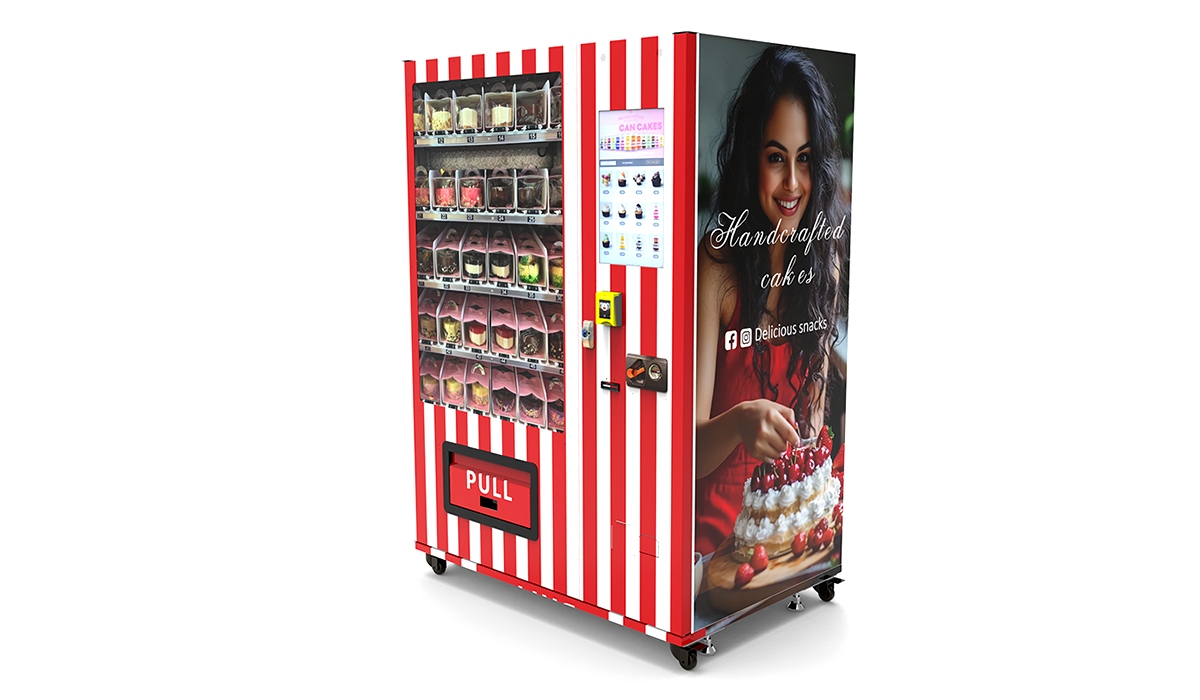
| High-end smart vending machine with touchscreen | $10,000 – $18,000 | $5,000 – $10,000 | $2,000 – $4,500 |
| Specialized machine (electronics, personal care) | $8,000 – $15,000 | $4,000 – $8,000 | $1,200 – $3,000 |
These revenue numbers assume a location with moderate foot traffic, around 100 to 300 people per day. If you place a machine in a high-traffic area like a hospital or a transit hub, revenue can be significantly higher. But do not assume you will hit those numbers right away. It takes time to learn the buying patterns at each location.
According to a 2025 report by IBISWorld, the vending machine industry in the US generates approximately $7.5 billion annually, with an average profit margin of about 15 to 20 percent for independent operators. This aligns with what I have seen in my own routes. A well-run machine can generate a net profit of $200 to $600 per month after all costs.
Operating Costs You Cannot Ignore
Many beginners only look at the purchase price of the machine. That is a mistake. The ongoing costs are what determine whether you make money or lose it. Here are the main expenses I track for every machine in my fleet.
Payment Processing Fees
Every card transaction costs you money. Typical fees range from 2.5 percent to 4 percent per transaction, plus a small fixed fee. If your machine does $1,000 in monthly sales, you might pay $30 to $40 in processing fees. That is manageable, but it adds up across multiple machines. Some processors offer lower rates for high-volume accounts, so negotiate if you have several machines.
Restocking and Product Costs
You need to buy inventory. For snacks and drinks, the cost of goods sold is usually around 40 to 50 percent of the retail price. Fresh food has a higher cost and shorter shelf life. I typically spend about 30 minutes per machine per week for restocking, plus travel time between locations. If you have a route with ten machines, that is a significant time commitment.
Maintenance and Repairs
This is where many operators lose money. A vending machine repair can cost anywhere from $100 for a simple fix to $500 or more for a major component replacement. I recommend setting aside at least $200 per machine per year for maintenance. If you buy cheap machines, expect higher repair costs. I have seen operators spend more on repairs in the first year than they paid for the machine itself.
Location Rent or Commission
Some locations charge a flat monthly fee for placing your machine. Others want a percentage of sales, typically 10 to 20 percent. In high-demand locations like schools or hospitals, the commission can be higher. Always negotiate the terms before you place the machine. A bad location deal can wipe out your profit.
How to Evaluate a Location Before You Place a Machine
Location is everything in this business. I have seen a great machine fail because it was placed in a dead spot, and I have seen an average machine thrive because the traffic was right. Here is how I evaluate a potential location.
First, count the people. I stand near the location for an hour during peak times and count how many people walk past. If the count is below 50 per hour, I usually pass. Second, look at the existing options. Is there a cafeteria, a coffee shop, or another vending machine nearby? If the competition is strong, your machine will struggle. Third, consider the hours of operation. A machine in a 24-hour facility will sell more than one in a building that closes at 5 PM.
I also look at the demographic. Office workers buy different products than factory workers or students. If the location has a high percentage of younger people, make sure your machine supports contactless payments. According to a 2024 study by Statista, over 60 percent of consumers aged 18 to 34 prefer using mobile payments over cash or cards. That number is only growing.
Finally, check the environment. Is the location clean and well-lit? Is there a power outlet nearby? Do you have reliable cellular or Wi-Fi signal? I once placed a machine in a beautiful location, but the signal was so weak that transactions took over a minute each. Sales were terrible, and I had to move the machine after three months.
Buying vs. Leasing: What I Recommend for New Operators
This is a common question I get from people starting out. Should you buy a machine outright or lease it? Here is my honest take based on what I have seen work and fail.
Buying gives you full control and higher profit potential. Once the machine is paid off, all the revenue is yours minus operating costs. However, the upfront cost can be a barrier. If you have the capital and you are confident in the location, buying is usually the better long-term move.
Leasing requires lower upfront investment, but you will pay more over time. Some lease agreements also include maintenance, which can be helpful if you are not comfortable with repairs. The downside is that you are locked into a contract, and if the location does not perform, you still have to make payments.
I have done both. For my first machine, I bought a used unit for $2,000 and learned how to fix it myself. That was a good way to start. For operators who want to scale quickly, leasing can be a way to test multiple locations without a huge capital outlay. But read the contract carefully. Some leases have hidden fees for early termination or excessive wear.
How to Choose a Supplier for Your Card Reader Vending Machine
Supplier selection is one of the most important decisions you will make. A good supplier provides reliable equipment, fair pricing, and decent after-sales support. A bad supplier leaves you with broken machines and no help.
When I evaluate a supplier, I look for three things. First, do they offer machines with modern payment systems already integrated? Retrofitting an old machine with a new card reader is possible, but it adds cost and complexity. It is better to buy a machine that comes with a compatible reader from the factory.
Second, what is their reputation for reliability? I ask for references from other operators. I also check online forums and industry groups. If multiple people report the same problem with a certain brand, I avoid it.
Third, what kind of warranty and support do they offer? A one-year warranty is standard. Some suppliers offer extended warranties for an additional cost. I prefer suppliers who have a local service network or at least offer phone support. If your machine breaks down and you cannot get help for two weeks, you lose two weeks of revenue.
One supplier I have worked with and can recommend is Zhongda Smart. They manufacture machines with integrated card readers and modern payment systems. Their equipment has been reliable in my experience, and their support team responds within 24 hours. I am not saying they are the only option, but they are a solid choice if you are looking for a supplier that understands the needs of operators in both the US and European markets.
Common Mistakes New Operators Make
I have made plenty of mistakes, and I have seen others make the same ones. Here are the most common pitfalls and how to avoid them.
Buying the Cheapest Machine
The cheapest machine is almost never the best value. I bought a low-cost machine once, and the card reader failed within three months. The replacement part was hard to find, and the machine was down for six weeks. I lost more money in lost sales than I saved on the purchase price.
Ignoring the Payment System
Some operators focus on the cabinet and the product selection but ignore the payment system. In 2026, that is a fatal error. If your machine does not accept modern payments, you will lose customers. Make sure the card reader vending machine you buy has a reliable, up-to-date payment terminal.
Overestimating Traffic
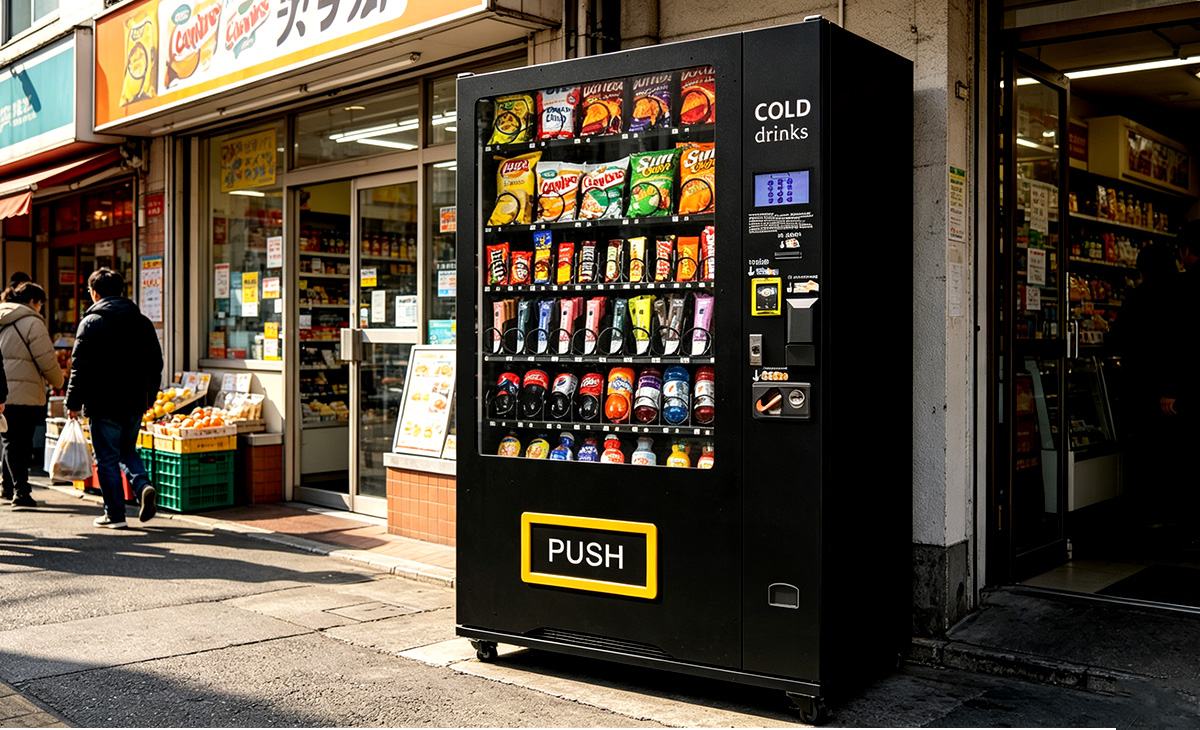
I have seen operators place machines in locations that look busy but have low actual sales. A busy lobby does not always mean hungry people. Watch the flow of people and observe whether they stop to buy anything. If no one is buying from the existing options, your machine will not do well either.
Neglecting Maintenance
A machine that looks dirty or has a broken button will lose customer trust. Clean your machines regularly and fix small issues before they become big problems. A well-maintained machine sells more and lasts longer.
Poor Product Selection
What sells in one location may not sell in another. I learned this the hard way. In a fitness center, protein bars and water sell well. In a school, candy and chips are better. In an office, coffee and healthy snacks work. Test different products and track sales data. Adjust your inventory based on what actually sells.
Best Scenarios for Placing a Card Reader Vending Machine
Not every location is worth your time. Based on my experience, here are the types of locations that tend to perform well for a card reader vending machine.
- Hospitals and medical facilities: Staff and visitors are often on-site for long hours and need quick access to food and drinks. These locations have high foot traffic and operate 24/7.
- Office buildings and business parks: Employees need convenient access to snacks and drinks, especially if there is no cafeteria nearby. Break rooms are ideal spots.
- Schools and universities: Students have limited time between classes and prefer fast payment options. Make sure you comply with any local regulations regarding food sales in schools.
- Transit hubs: Train stations, bus terminals, and airports have high traffic volumes. The key is finding a spot where people have a few minutes to stop and buy.
- Gyms and fitness centers: Health-conscious consumers buy water, protein bars, and electrolyte drinks. A card reader vending machine is a natural fit here.
- Manufacturing plants and warehouses: Workers in these environments often have limited break times and appreciate having a machine nearby.
Avoid locations with heavy existing competition or very low traffic. Also avoid locations that are difficult to access for restocking. If you have to drive an hour each way to service a machine that only generates $200 per month, the math does not work.
How to Assess Whether a Machine Is Worth the Investment
Before I buy any machine, I run a simple calculation. I estimate the monthly revenue based on the location traffic and average transaction value. Then I subtract the estimated costs: product cost, payment processing fees, location commission, maintenance reserve, and my own time. The result is the monthly net profit.
I then divide the total investment cost by the monthly net profit. That gives me the estimated payback period in months. A good investment pays back within 12 to 18 months. If the payback period is longer than 24 months, I usually pass unless there is a strong reason to believe revenue will increase over time.
For example, if a machine costs $5,000 and generates a net profit of $400 per month, the payback period is 12.5 months. That is a solid investment. If the net profit is only $200 per month, the payback period is 25 months, which is too long for my comfort.
Remember that these are estimates. Actual results will vary. I always add a buffer for unexpected costs. A machine that breaks down in the first year can push your payback period out significantly.
Real Data That Supports the Numbers
I like to back up my experience with data when possible. According to a 2025 report by the National Automatic Merchandising Association (NAMA), the average vending machine in the US generates about $75 to $100 per week in sales. That aligns with my experience for machines in moderate-traffic locations. High-traffic machines can do $200 to $300 per week or more.
Another data point comes from a 2024 study by IBISWorld, which reported that the vending machine industry in the US employs over 100,000 people and has an annual growth rate of about 2.5 percent. This suggests steady demand, especially as payment technology improves and more locations adopt self-service kiosks.
In Europe, the market is similar but with some regional differences. According to the European Vending Association, there are over 4 million vending machines installed across Europe, with an average of one machine per 175 people. The adoption of card readers is higher in Northern Europe than in Southern Europe, but the trend is moving in the same direction everywhere.
FAQ: Answers to Common Questions About Card Reader Vending Machines
Are card reader vending machines profitable?
Yes, they can be profitable, but the profit depends on location, product selection, and operating costs. A well-placed machine can generate $200 to $600 in net profit per month. However, many machines fail to break even if placed in poor locations or if the operator does not manage costs carefully. Profitability is not guaranteed, and you should treat it as a business, not a passive income source.
How much does a card reader vending machine cost?
The cost ranges from about $3,500 for a basic new machine to over $18,000 for a high-end smart machine. Used machines can be found for $1,500 to $8,000 depending on condition and age. The card reader itself typically adds $300 to $800 to the cost if it is not already integrated.
How long does it take to recoup the investment?
In my experience, a realistic payback period is 12 to 24 months. If the machine is in a high-traffic location and you keep costs low, you can recoup your investment in under a year. If the location is marginal, it may take three years or more. Always calculate your expected payback before buying.
Should a beginner buy or lease a vending machine?
If you have the capital and are confident in the location, buying is usually better in the long run. Leasing requires less upfront money but costs more over time. If you are unsure about the business, leasing can be a way to test the waters. Just read the contract carefully and understand the terms.
Where is the best place to put a vending machine?
High-traffic locations with limited food options are best. Hospitals, office buildings, schools, transit hubs, and gyms are all good candidates. Avoid locations with heavy competition or very low foot traffic. Always evaluate the location in person before committing.
What permits or licenses do I need?
Requirements vary by city and state. In the US, you typically need a business license and a sales tax permit. Some locations require a health department permit, especially if you sell fresh food. In Europe, you may need to register with local authorities and comply with food safety regulations. Check with your local business office before placing any machines.
How do I choose a vending machine supplier?
Look for a supplier with a good reputation, reliable equipment, and decent after-sales support. Ask for references and check online reviews. Consider suppliers like Zhongda Smart if you want machines with modern payment systems already integrated. Avoid suppliers who offer very low prices but have poor support.
What happens if the machine breaks down?
You need to have a plan for repairs. Some operators learn basic maintenance themselves. Others hire a vending machine repair service. If you have a warranty, contact the supplier first. I recommend keeping a spare parts kit with common components like a card reader cable, a power supply, and a coin mechanism.
How can I reduce restocking and maintenance costs?
Plan your routes efficiently to minimize travel time. Use data from your machine to understand which products sell best and avoid overstocking slow-moving items. Clean and inspect your machines regularly to catch small problems before they become big ones. Consider using a remote monitoring system to track inventory and sales without visiting the machine.
Final Thoughts from a Decade in the Business
Running a vending machine route is not a get-rich-quick scheme. It is a real business that requires attention to detail, a willingness to learn, and a realistic understanding of costs and revenue. The best card reader vending machine in 2026 is the one that fits your specific location, budget, and operational style. Do not chase the cheapest machine or the highest revenue claim. Focus on reliable equipment, good locations, and consistent service.
If you are just starting, I recommend buying one or two machines first and learning the ropes before scaling up. Test different locations and products. Track your numbers. Adjust as you go. Over time, you will develop a sense for what works and what does not.
I have seen many operators succeed and many fail. The difference is usually not the machine. It is the operator who understands the business, manages costs, and keeps the customer in mind. If you do that, you have a good chance of building a profitable route that lasts.
This article was updated in February 2026 based on industry data and personal experience. All revenue and cost figures are estimates and may vary. Consult a financial professional before making any investment decisions.