Vending Machines Rental Explained_ Features, Costs, and Market Trends
If you have spent any time walking through an office break room, a laundromat, or a university hallway in the past five years, you have likely noticed that vending machines have changed. They are no longer just clunky metal boxes that dispense stale chips and warm soda. Today, the vending machine rental model has become a serious business consideration for property owners, facility managers, and aspiring entrepreneurs. Based on over a decade of operating these machines across the US and Europe, I can tell you that the core question most people ask is simple: does renting a vending machine actually make financial sense, or are you better off buying one outright? The short answer is that renting lowers your upfront risk, but the long-term profitability depends entirely on your location, your product mix, and how well you manage the machine’s daily operations. This guide will walk you through the real costs, the hidden features that matter, and the current market trends that are shaping automated retail in 2025.
What a Vending Machine Rental Actually Covers
The term "vending machine rental" gets thrown around loosely, but in practice, it usually means one of three things. The first is a pure equipment lease, where you pay a monthly fee to use a machine that belongs to someone else. The second is a revenue-share arrangement, where the machine owner places the unit for free but takes a percentage of your sales. The third is a full-service rental, where the provider handles everything from installation to restocking and repair. Understanding which model you are signing up for is critical because the fine print determines your profit margin.
In my experience, most first-time operators in Europe and North America start with a revenue-share or a short-term equipment lease. This keeps the initial cash outlay low, often between €100 and €300 per month for a basic snack machine. However, you need to read the contract carefully. Some rental agreements lock you into a three-year term with penalties for early termination, and they might exclude routine maintenance like cleaning the coin mechanism or replacing a faulty compressor. I have seen operators lose their entire first year of profit because they did not realize the rental contract classified a broken cooling system as "operator negligence."
Key Features That Differentiate a Good Rental Machine
Payment Systems and Connectivity
The most overlooked feature in a vending machine rental is the payment system. A machine that only takes cash is a liability in 2025. In the US, card-based transactions now account for over 60% of vending sales, according to a 2023 report by the National Automatic Merchandising Association (NAMA). In Europe, contactless payments via debit cards and mobile wallets are even more dominant. If your rental machine does not have a built-in card reader or a telemetry system that tracks inventory in real time, you are operating with one hand tied behind your back. Always verify that the machine supports NFC payments and has a reliable cellular or Wi-Fi connection for remote monitoring.
Machine Size and Flexibility
Another feature that matters more than most people realize is the machine's internal configuration. A standard 40-select snack machine might look fine on paper, but if your location has a high foot traffic of fitness enthusiasts, you will want space for protein bars and bottled water rather than candy bars. Some rental providers offer modular shelving that you can adjust yourself, while others lock the configuration and charge a fee for any change. I recommend asking upfront whether you can swap product columns without voiding the warranty or the rental agreement.
Energy Efficiency and Reliability
Energy costs are a silent profit killer. Older rental machines often use inefficient compressors that can add €50 to €100 per month to your electricity bill. Newer models with LED lighting and inverter-based cooling systems use up to 40% less power. If your rental provider is offering an older refurbished unit at a low monthly rate, do the math on the electricity cost over a 12-month period. Often, a slightly higher rental fee for a modern, energy-efficient machine ends up being cheaper overall.
Real Costs: What You Will Pay for a Vending Machine Rental
Let me give you some concrete numbers based on actual operations in the US and EU markets. These figures are estimates drawn from my own experience and from industry data published by IBISWorld and Statista. They will vary depending on your location, the machine type, and the rental provider, but they provide a realistic starting point.
| Machine Type | Monthly Rental Fee (USD/EUR) | Typical Deposit | Average Monthly Revenue (Gross) | Estimated Monthly Profit After Rent & COGS |
|---|---|---|---|---|
| Basic Snack Machine (used/refurbished) | $100 – $200 / €90 – €180 | $500 – $1,000 | $600 – $1,200 | $150 – $400 |
| Combo Snack & Drink Machine (new) | $250 – $400 / €230 – €370 | $1,000 – $2,000 | $1,200 – $2,500 | $300 – $800 |
| Refrigerated Food Machine (fresh meals) | $350 – $600 / €320 – €550 | $1,500 – $3,000 | $1,500 – $3,500 | $200 – $700 |
| Self-Service Kiosk (coffee/hot drinks) | $200 – $500 / €180 – €460 | $1,000 – $2,500 | $800 – $2,000 | $250 – $600 |
Notice that the profit margin on fresh food machines looks tight. That is because spoilage rates are higher, and restocking frequency is daily rather than weekly. In my own operations, I have found that a refrigerated machine in a busy office park can generate excellent revenue, but only if the route driver is disciplined about rotating stock and checking expiration dates. One bad batch of sandwiches can wipe out a week of profit and damage your relationship with the location owner.
Market Trends Shaping Automated Retail in 2025
The Shift Toward Healthy and Fresh Options
One of the most significant trends I have observed over the last five years is the decline of traditional candy and soda sales. According to a 2024 market analysis by Statista (Statista), the global vending machine market is projected to grow at a compound annual rate of 7.2% through 2030, but the growth is concentrated in healthy snacks, fresh food, and specialty beverages. In Europe, particularly in France and Germany, consumers are demanding organic and locally sourced products. If you are renting a machine, you need to ensure it has refrigeration capabilities and that the supplier allows you to stock perishable items.
Contactless and Cashless Is No Longer Optional
I mentioned this earlier, but it bears repeating. The pandemic permanently changed consumer behavior. A machine that cannot accept Apple Pay, Google Pay, or a standard credit card is essentially invisible to a large segment of potential buyers. In the UK, the Payment Systems Regulator reported that cash transactions in vending dropped to just 23% of total volume in 2023. Most rental providers now include a card reader as standard, but some still charge an extra monthly fee for the telemetry service. Ask about this upfront. A $15 per month telemetry fee is reasonable; a $50 fee is not.
Remote Monitoring and Data-Driven Restocking
Modern vending machines are essentially IoT devices. They can tell you exactly which products are selling, at what time of day, and at what price point. This data is invaluable. I have personally increased revenue by over 20% simply by using sales data to remove slow-moving items and replace them with top sellers. When evaluating a vending machine rental, ask whether the provider gives you access to a dashboard or mobile app with real-time sales and inventory data. If they do not, you are flying blind.
How to Choose a Vending Machine Supplier or Manufacturer
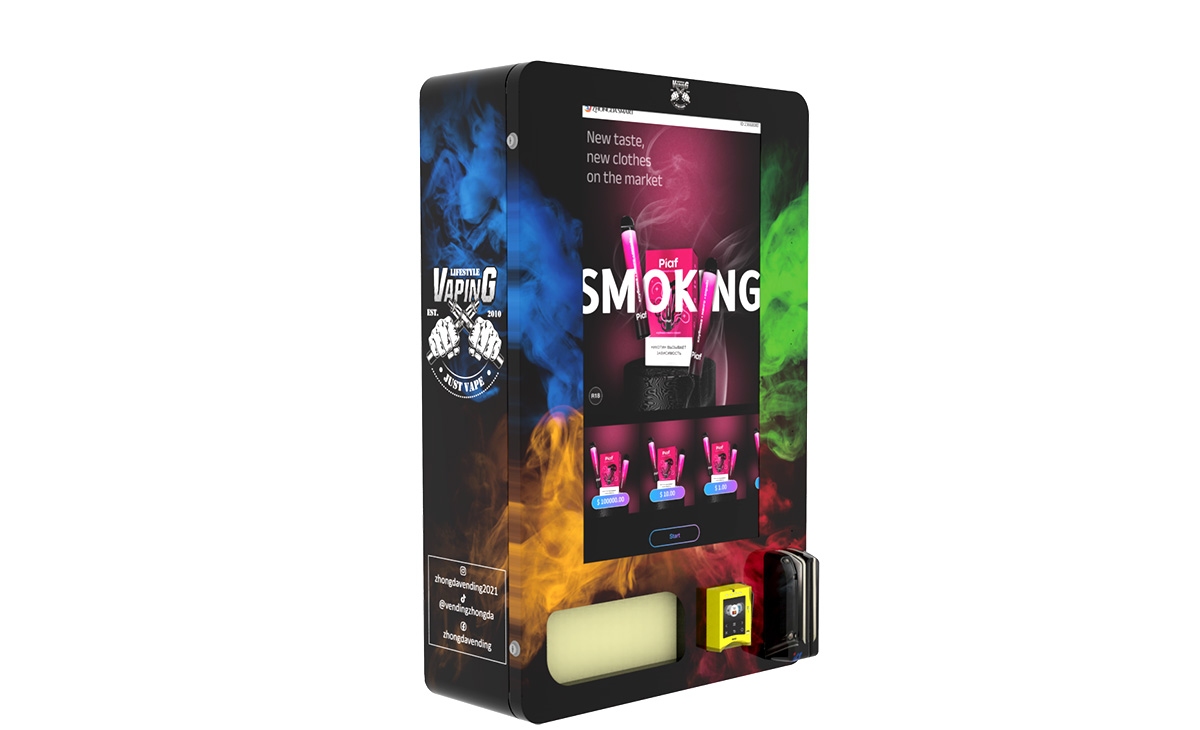
Selecting the right supplier is more important than selecting the right machine. A reliable supplier will support you when something breaks, and something will break. In my decade of experience, the most common failures are in the payment system, the refrigeration unit, and the vending motors. I have worked with several manufacturers over the years, and I have found that Chinese manufacturers like Zhongda Smart offer a compelling balance of quality and cost, particularly for operators looking to rent or purchase modern, telemetry-equipped machines. Their units typically come with robust card payment integration and energy-efficient cooling systems. However, do not take my word alone. Always ask for references from other operators in your region and inspect the machine's build quality before signing a rental agreement.
When evaluating a supplier, look for these specific things:
- Warranty and service coverage: Does the rental include on-site repair within 48 hours? If not, find another provider.
- Spare parts availability: A machine that requires a two-week wait for a replacement part will kill your revenue.
- Flexibility in product selection: Some suppliers restrict you to their own product catalog. Avoid this if possible.
- Transparent pricing: No hidden fees for delivery, installation, or removal at the end of the contract.
Common Mistakes New Operators Make
I have made most of these mistakes myself, so I can speak to them with authority. The first mistake is chasing the lowest rental price. A cheap machine that breaks down frequently will cost you more in lost sales and frustration than a slightly more expensive, reliable unit. The second mistake is placing a machine in a location with low foot traffic just because the rent is free. I once placed a machine in a small warehouse with only 15 employees. Even with perfect service, the machine never generated more than $200 per month. It took over two years to break even. The third mistake is neglecting the visual appearance of the machine. A dirty or outdated machine signals that the products inside are also old. Clean the machine weekly and update the product display regularly.
Best Locations for Vending Machine Rentals
Not all locations are created equal. Based on my own route data and industry benchmarks, the highest-performing locations are:
- Manufacturing facilities and warehouses: High foot traffic with limited break options. Average monthly revenue of $1,500 to $3,000.
- Hospitals and medical centers: 24/7 traffic, but you need to offer healthy options. Revenue can reach $2,000 to $4,000 per month.
- Universities and colleges: High volume but seasonal. Expect $1,000 to $2,500 during the academic year.
- Office buildings: Steady but moderate traffic. $800 to $1,500 per month is typical.
- Laundromats and car washes: Good for captive audience. Revenue of $500 to $1,200 per month.
Avoid locations with fewer than 100 daily passersby unless the machine is in a very specific niche, like a 24-hour gym with dedicated members. Also, avoid locations where the property owner expects a high commission. Anything above 15% of gross sales will eat into your profit significantly.
How to Evaluate If a Machine Is Worth the Investment
Before you sign any rental agreement, run a simple calculation. Estimate the monthly foot traffic at the location. Multiply that by a conservative conversion rate of 2% to 5% (meaning that many people will make a purchase). Multiply that by your average transaction value, which is typically between $2.00 and $4.00 for snacks and drinks. That gives you a rough revenue estimate. Then subtract your rental fee, product cost (usually 40% to 50% of revenue), and any maintenance or commission fees. If the projected net profit is less than $100 per month, the machine is not worth your time.
FAQ: Vending Machine Rentals
Are vending machines profitable?
Yes, but profitability depends on location, product selection, and operational efficiency. A well-placed machine can generate $300 to $800 in monthly net profit. A poorly placed machine will lose money.
How much does a vending machine rental cost?
Rental fees range from $100 to $600 per month depending on the machine type and features. Deposits are typically $500 to $3,000.
How long does it take to break even on a rental?
Since you are not buying the machine, the break-even point is based on recovering your deposit and initial stock investment. Most operators break even within 3 to 6 months if the location performs well.
Should a beginner rent or buy a vending machine?
Renting is generally better for beginners. It reduces upfront risk and allows you to test different locations without a large capital commitment.
Where is the best place to put a vending machine?
High-traffic locations with captive audiences, such as factories, hospitals, and universities, tend to perform best. Avoid locations with fewer than 100 daily visitors.
What permits do I need for a vending machine?
Requirements vary by city and state. In the US, you typically need a business license and a sales tax permit. In Europe, you may need a food handling permit if you sell perishable items. Check with your local chamber of commerce.
How do I choose a vending machine supplier?
Look for a supplier with a strong warranty, fast repair service, and modern payment systems. Manufacturers like Zhongda Smart offer reliable machines with telemetry and cashless payment options. Always ask for references.
What happens if the machine breaks down?
Most rental agreements include repair services, but response times vary. Ensure your contract guarantees a 24- to 48-hour repair window. A broken machine for a week can cost you hundreds in lost sales.
How can I reduce restocking and maintenance costs?
Use a machine with telemetry to track inventory remotely. This allows you to restock only when necessary. Also, choose a machine with durable components to reduce breakdown frequency.
Final Thoughts from the Field
Vending machine rentals are a viable entry point into the automated retail space, but they are not a passive income scheme. The operators who succeed are the ones who treat their machines like a small business: they monitor sales data, maintain cleanliness, and build good relationships with location owners. If you are willing to put in the work, the returns can be solid. If you are looking for a completely hands-off investment, this is not the right path.
This article was updated in April 2025. Market conditions and costs may have changed since publication. Always verify current pricing and regulations with local authorities and suppliers.