How to Choose the Right Dual Vending Machines_ Complete Beginner's Guide
If you are looking into starting an automated retail business in North America or Europe, you have probably come across the term "dual vending machines" and wondered if they are the right fit for your location. After over a decade of operating vending routes across the US and several EU markets, I can tell you this: choosing the right dual vending machine is not just about picking a model that looks good in a brochure. It is about matching the equipment to your specific sales environment, product mix, and long-term maintenance budget. In this guide, I will walk you through the exact factors I consider before buying any machine, including real costs, common mistakes, and how to evaluate a supplier like Zhongda Smart without getting lost in marketing fluff.
What Exactly Are Dual Vending Machines?
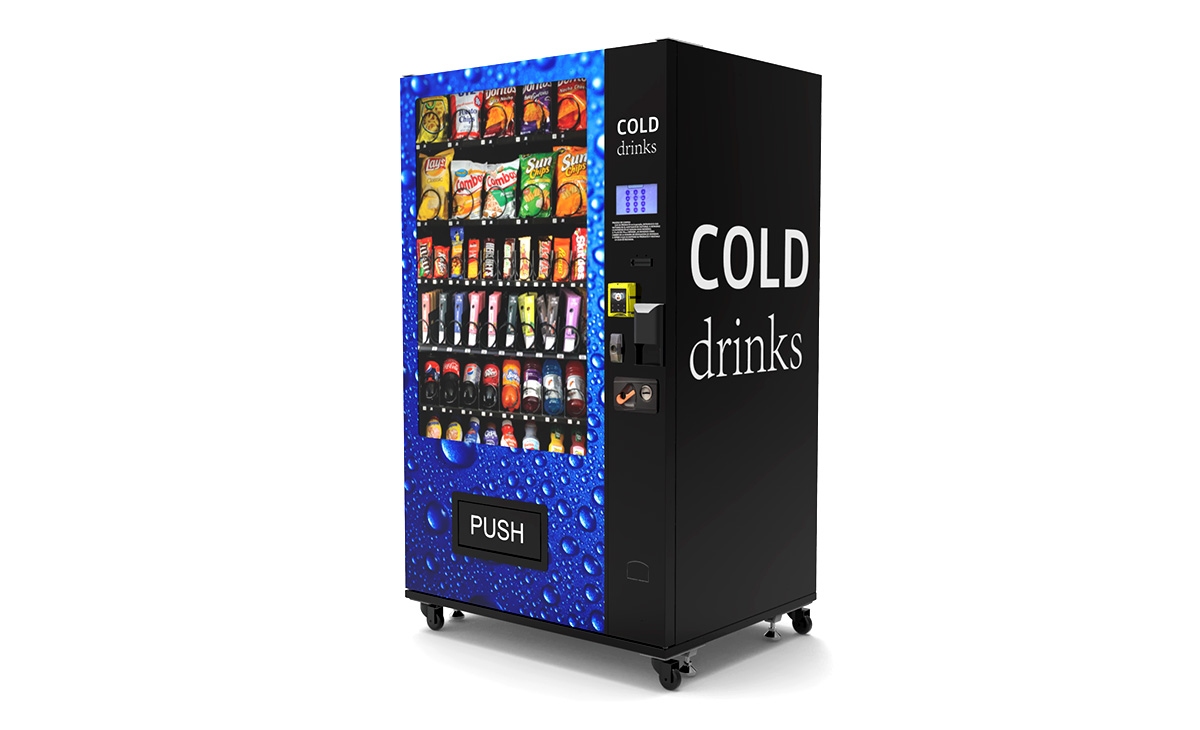
Dual vending machines are units that offer two distinct product categories in a single footprint. Typically, one side is temperature-controlled for cold drinks or perishable food, and the other side holds ambient-temperature snacks or non-food items. Some configurations offer two separate compartments with independent temperature zones.
These machines are popular in high-traffic locations like office break rooms, gyms, and hospital lobbies because they reduce the need for two separate units. You save floor space, cut down on installation costs, and simplify restocking by handling both snack and beverage needs from one machine.
However, not all dual machines are built the same. I have seen operators buy a cheap unit only to discover that the cooling system fails within six months, or that the payment system does not support local mobile wallets. The key is to understand what you are actually getting for your money.
Why Dual Machines Make Sense for Certain Locations
Before you buy any vending equipment, you need to answer one question: who is going to buy from this machine, and how often? In my experience, dual vending machines work best in locations where foot traffic is steady but not overwhelming. Think of a small office with 50 to 100 employees, a fitness studio with 200 daily visitors, or a medical clinic waiting area.
In these settings, customers want convenience. They do not want to walk to two different machines to get a drink and a snack. A dual machine solves that problem in one stop. It also increases average transaction value because people tend to buy a drink and a snack together when both are visible.
On the other hand, if you place a dual machine in a location with very low traffic, you will struggle to cover the higher electricity and restocking costs. And if you put it in a high-traffic area like a busy train station, you might find that one side empties long before the other, creating an imbalance that hurts sales.
Evaluating the Business Model: Is It Profitable?
Let me be direct about this: vending is not a get-rich-quick business. It is a volume game with thin margins that require consistent execution. According to a 2023 report by IBISWorld, the average vending machine operator in the US sees a gross margin between 40% and 50% on product sales, but net profit after all costs can drop to 10% to 20% depending on location and efficiency.
A well-placed dual vending machine can generate between $300 and $800 per month in revenue, depending on the product mix and local pricing. If you are paying 15% to 25% commission to the location owner, plus restocking labor, electricity, and occasional repairs, your net monthly profit might land between $100 and $300 per machine.
That does not sound huge, but if you operate a route of 20 machines, the numbers add up. The real profit comes from scaling efficiently, not from one machine doing all the heavy lifting.
Initial Investment: What Does a Dual Machine Really Cost?
I have seen beginners spend anywhere from $3,000 to $12,000 on a single dual vending machine. The wide range depends on whether you buy new or used, the brand, the payment system, and whether the machine includes a telemetry unit for remote monitoring.
Here is a rough breakdown based on what I have seen in the US and European markets:
| Machine Type | New Price Range (USD) | Used Price Range (USD) | Typical Lifespan |
|---|---|---|---|
| Basic dual machine (snack + cold drink) | $4,500 – $7,000 | $2,000 – $4,000 | 8–12 years |
| Premium dual machine with touchscreen & telemetry | $8,000 – $12,000 | $4,000 – $6,500 | 10–15 years |
| Refurbished unit from a reputable dealer | $3,500 – $5,500 | N/A | 5–8 years |
These are estimates based on my own purchases and conversations with other operators. Prices vary by region, and you should always factor in shipping, installation, and any local taxes.
Hidden Costs That Catch Beginners Off Guard
When I started my first route, I focused only on the machine price. That was a mistake. The real costs come after the machine is installed.
Payment System Fees
Many beginners do not realize that credit card readers and mobile payment systems come with monthly fees, transaction fees, and sometimes activation costs. In the US, a typical card reader adds about $10 to $20 per month plus 2% to 5% per transaction. In Europe, you may face similar fees depending on the provider.
Telemetry and Remote Monitoring
If your machine does not come with built-in telemetry, you will either pay for a separate system or spend extra time visiting the machine to check inventory. Telemetry can cost $15 to $30 per month per machine, but it pays for itself by reducing unnecessary trips and preventing stockouts.
Repairs and Maintenance
This is where many new operators lose money. A compressor failure on a dual machine can cost $400 to $800 to repair. If you bought a cheap machine with no local service network, you might wait weeks for a technician. I have seen operators abandon machines altogether because the repair cost exceeded the machine's value.
Electricity and Location Fees
Dual machines consume more power than single-zone units. Expect to pay $30 to $60 per month in electricity, depending on local rates. Some locations also charge a monthly fee or commission on sales. Always negotiate these terms before signing a contract.
How to Choose a Supplier: What I Look For
I have bought machines from at least a dozen suppliers over the years. Some were great, and some were disasters. Here is what I check before making a purchase decision.
Local Support and Parts Availability
If the supplier does not have a local service center or a network of certified technicians, I walk away. A machine that sits broken for two weeks loses revenue and damages your relationship with the location owner.
Build Quality and Component Sourcing
I prefer machines that use standard, off-the-shelf components for compressors, coin mechanisms, and control boards. Custom parts are a nightmare to replace. Suppliers like Zhongda Smart have been producing reliable dual vending machines for the European and North American markets, and they use components that are widely available through local distributors.
Payment System Compatibility
Your machine must support the payment methods your customers actually use. In the US, that means credit cards, Apple Pay, and Google Pay. In Europe, you may also need support for local mobile wallets like Bancontact or iDEAL. Ask the supplier which payment systems are pre-integrated and which require additional hardware.
Warranty and Return Policy
A standard warranty on a new machine should cover at least one year on parts and labor. Some suppliers offer extended warranties for an additional cost. Read the fine print carefully. Some warranties exclude compressor failures or damage caused by power surges.
Placement Strategy: Where Dual Machines Perform Best
I have placed dual machines in over 100 locations across three countries. The following types of locations consistently perform well, but only if you get the product mix right.
- Office buildings with 50+ employees: Steady traffic, predictable restocking schedule, low theft risk.
- Fitness centers and gyms: High demand for water, sports drinks, protein bars, and healthy snacks.
- Medical clinics and hospitals: Staff and visitors need quick access to food and drinks during long shifts.
- Industrial warehouses and factories: Workers often have limited break time and appreciate on-site options.
- Schools and universities: High volume but often require healthier product options and lower pricing.
Locations I avoid include very small retail shops with low foot traffic, outdoor sites exposed to extreme weather without proper shelter, and locations where the owner expects more than 30% commission.
Common Beginner Mistakes and How to Avoid Them
I have made most of these mistakes myself, so I can tell you what to watch out for.
Buying the Cheapest Machine Available
Low-cost machines often use inferior components that fail quickly. You will spend more on repairs in the first two years than you saved on the purchase price.
Skipping the Location Agreement
Always put the terms in writing. I have seen operators get kicked out of a location after six months because they had no contract. Specify commission rate, restocking schedule, and who pays for electricity.
Ignoring Product Rotation and Expiration Dates
If you stock perishable items, you must check expiration dates every time you restock. Selling expired food is a liability and will get you banned from the location.
Not Testing the Payment System Before Installation
I once installed a machine only to discover that the card reader did not work with the local network. That cost me two weeks of lost sales and a frustrated location owner.
Operational Costs and Restocking Frequency
Restocking a dual machine typically takes 20 to 40 minutes per visit, depending on how many items need to be refilled. I aim to restock every 7 to 14 days, depending on sales volume. If a machine sells out in less than a week, I either increase the restocking frequency or consider adding a second machine.
Your restocking labor cost will depend on whether you do it yourself or hire part-time help. In the US, a part-time restocker might cost $15 to $20 per hour. In Europe, the rate varies by country but is often higher in places like Germany or the Netherlands.
According to data from the National Automatic Merchandising Association (NAMA), the average operating cost for a vending machine in the US is about 15% to 20% of gross sales. This includes product cost, labor, commission, and maintenance. Source: NAMA.
How to Evaluate a Machine's ROI Before Buying
Before I commit to a new machine, I run a simple calculation using conservative estimates. Here is an example based on a dual machine placed in a mid-traffic office location in the US.
- Machine cost: $6,500 (new, with telemetry)
- Monthly revenue estimate: $500
- Product cost (50% of revenue): $250
- Location commission (20% of revenue): $100
- Electricity: $40
- Restocking labor (2 hours at $18/hour, twice per month): $72
- Miscellaneous (repairs, fees, telemetry): $30
- Net monthly profit: $8
At this rate, the machine would take over 67 years to pay for itself. That is obviously not a good investment. The problem is that the revenue estimate is too low for the costs involved. In reality, I would only place a machine in a location where I expect at least $800 in monthly revenue, which changes the numbers significantly.
- Monthly revenue estimate: $800
- Product cost (50%): $400
- Commission (20%): $160
- Electricity: $40
- Labor: $72
- Miscellaneous: $30
- Net monthly profit: $98
- Payback period: approximately 66 months (5.5 years)
That is a more realistic scenario, but still tight. This is why I emphasize that vending is a volume business. You need multiple machines to make meaningful income, and you need to constantly optimize your locations and product mix.
Self-Service Kiosk vs. Traditional Dual Machine
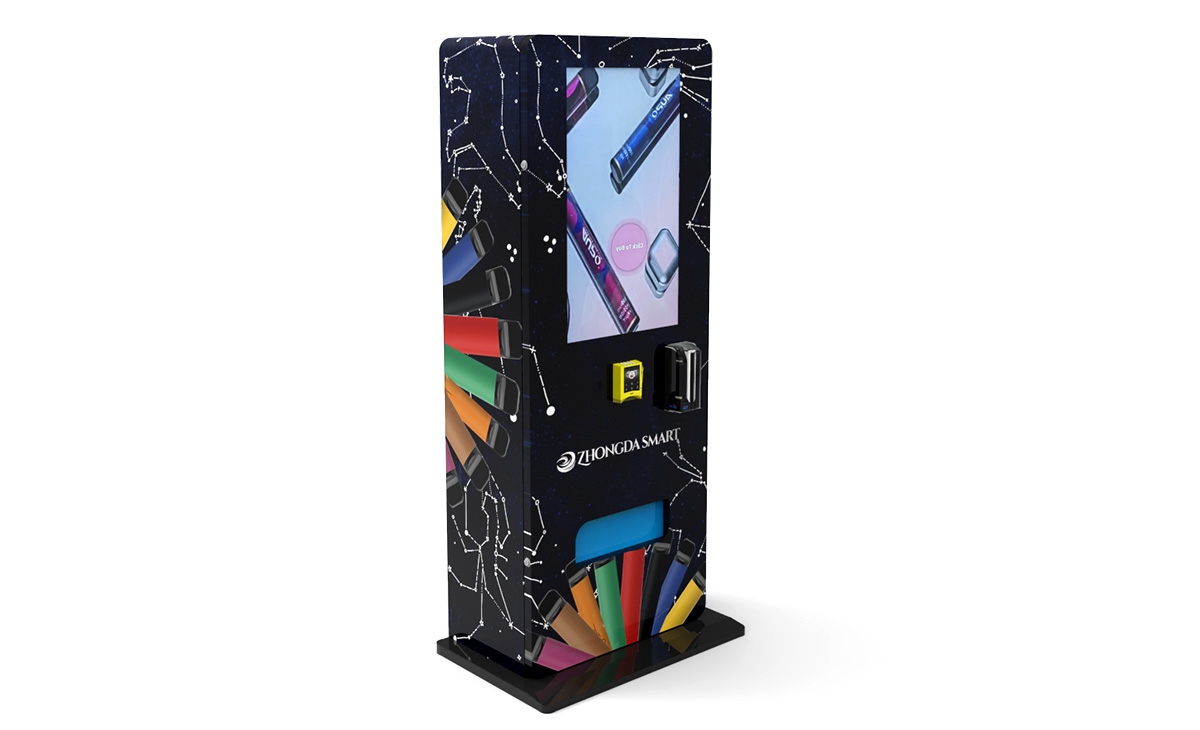
In recent years, the line between a traditional vending machine and a self-service kiosk has blurred. Some dual machines now include touchscreens, remote inventory management, and even AI-based product recommendations. These features can boost sales, but they also increase the upfront cost and complexity.
If you are a beginner, I recommend starting with a simpler machine that has a reliable payment system and basic telemetry. You can always upgrade later. The most important thing is to get the machine on-site and generating cash flow.
Vending Machine Repair: What You Need to Know
Every machine will break eventually. The question is how prepared you are when it happens. I keep a spare parts kit for each machine model I operate, including a spare compressor control board, a coin mechanism, and a card reader. This allows me to fix common issues myself without waiting for a technician.
If you are not comfortable doing your own repairs, find a local vending machine repair technician before you buy the machine. Ask the supplier for a list of certified service providers in your area. Some suppliers, including Zhongda Smart, offer remote diagnostics that can help identify the problem before a technician arrives.
Regulatory and Compliance Considerations
In the US, you need to check local health department regulations if you plan to sell perishable food. Some states require a food handler's permit or a vending machine license. In the EU, you must comply with food safety regulations under Regulation (EC) No 852/2004, which includes requirements for temperature monitoring and traceability. Source: EU Food Safety Regulation.
You should also check with the local tax authority about sales tax on vending sales. In some US states, vending machine sales are subject to sales tax, and you may need to collect and remit it. In Europe, VAT rates vary by country and product category.
FAQ: Common Questions About Dual Vending Machines
Are dual vending machines profitable?
They can be, but profitability depends heavily on location, product mix, and operational efficiency. Most operators see net margins of 10% to 20% after all costs. A single machine in a low-traffic location will not make you rich.
How much does a dual vending machine cost?
New machines range from $4,500 to $12,000. Used machines can be found for $2,000 to $6,000, but they may require repairs sooner. Refurbished units from reputable dealers offer a middle ground.
How long does it take to recoup the investment?
Payback periods vary from 2 to 6 years depending on revenue and costs. In my experience, a well-placed machine in a mid-to-high traffic location can pay for itself in 3 to 4 years.
Should I buy or lease a dual vending machine?
Buying is better for long-term operators who want to control their equipment and keep all the profit. Leasing can be an option if you have limited capital, but you will pay more over time and have less control over maintenance.
Where is the best place to put a dual vending machine?
Offices with 50+ employees, gyms, hospitals, and industrial facilities are consistently good locations. Avoid low-traffic retail shops and outdoor spots without weather protection.
What permits do I need to operate a vending machine?
Requirements vary by location. In the US, you may need a business license, a seller's permit, and a food handler's permit if selling perishable items. In the EU, you must comply with local food safety and VAT regulations.
How do I choose a reliable vending machine supplier?
Look for a supplier with a track record of exporting to your market, local parts availability, and a clear warranty policy. I have worked with Zhongda Smart on several projects, and their machines have held up well in both US and European locations.
What happens if the machine breaks down?
If you have a spare parts kit and some basic technical knowledge, you can fix many issues yourself. Otherwise, you need a local technician. Always ask the supplier about remote diagnostics and warranty coverage before buying.
How can I reduce restocking and maintenance costs?
Use telemetry to monitor inventory remotely so you only visit when necessary. Standardize your machine models so you can stock the same spare parts. Negotiate bulk pricing on products to improve margins.
Final Thoughts from a Seasoned Operator
Choosing the right dual vending machine is not a decision to rush. I have seen too many beginners buy equipment based on price alone, only to struggle with breakdowns, low sales, and unhappy location owners. Take the time to evaluate your target location, understand the full cost of ownership, and choose a supplier that offers reliable machines and local support.
Start small, learn the operational side of the business, and scale only when you have a proven system. Vending is not a passive income stream; it is a hands-on business that rewards attention to detail. But if you do it right, it can be a solid and sustainable source of revenue.
This article was updated in February 2025. Data and estimates are based on personal experience and publicly available sources as of that date.