Rent Vending Machine_ Prices, Profit Potential, and Setup Guide for Beginners
If you are serious about getting into automated retail and want to know whether a rent vending machine model makes sense for your budget and risk tolerance, here is the short answer: leasing a machine instead of buying it outright can lower your entry cost to roughly $150 to $400 per month, but it also reduces your profit margin by 20 to 40 percent depending on the contract. Over the past decade of operating vending routes across the United States and Europe, I have seen more beginners fail because they underestimated ongoing costs than because they picked the wrong location. A rent vending machine arrangement can work well if you are testing a location, avoiding a large capital outlay, or scaling without tying up cash in hardware. However, you need to understand the full picture—equipment reliability, commission splits, payment system compatibility, and how long it really takes to break even. This guide walks through pricing, profit potential, and a practical setup sequence based on real experience rather than theory.
What a Rent Vending Machine Actually Means in Practice
When I talk about renting a vending machine, I am referring to a monthly lease agreement where you pay a fixed fee to use the equipment, while you still handle stocking, maintenance, and cash collection. This is different from a placement model where a full-service operator places a machine for free and splits revenue with the location owner. In a rent scenario, you control the product selection and pricing, but you do not own the asset. Most leases run 12 to 36 months, and some include a buyout option at the end.
The biggest advantage I have observed is cash flow preservation. A new combo machine that sells both snacks and drinks can cost $5,000 to $12,000. Leasing that same machine might require only a first month payment plus a small deposit. For someone just starting out, that difference matters. The trade-off is that your monthly cost eats into your gross profit, and you are locked into a contract even if the location underperforms.
One thing many beginners overlook is that the lease agreement often specifies who pays for vending machine repair. Some contracts cover all maintenance and parts. Others leave you responsible for labor and replacement components. I have seen operators lose two months of profit on a single refrigeration repair because they signed a lease without reading the fine print. Always clarify whether the lease includes preventive maintenance, emergency service, and replacement of worn parts like keypads or coin mechanisms.
Pricing: What You Can Expect to Pay for a Rent Vending Machine
Typical Monthly Lease Rates by Machine Type
Based on my experience and industry data from the National Automatic Merchandising Association (NAMA), here is a realistic range for monthly lease payments on common machine types as of early 2025:
| Machine Type | New Purchase Price | Typical Monthly Lease | Lease Term |
|---|---|---|---|
| Snack vending machine (basic) | $3,000 – $5,500 | $120 – $200 | 24–36 months |
| Drink vending machine (canned/bottled) | $4,500 – $8,000 | $180 – $300 | 24–36 months |
| Combo snack & drink machine | $6,000 – $12,000 | $250 – $400 | 36 months |
| Frozen food or fresh food machine | $10,000 – $18,000 | $350 – $600 | 36–48 months |
These figures are based on conversations with three US-based leasing firms and my own route expansion in 2022. Prices vary by region, machine brand, and whether the lease includes a card reader. A rent vending machine with a built-in cashless payment system typically costs $30 to $60 more per month than one without.
Hidden Costs That Add Up Quickly
I have seen operators focus only on the lease payment and forget about these recurring expenses:
- Payment processing fees: Card and mobile payments typically cost 2.5 to 4.5 percent per transaction. For a machine doing $1,500 in monthly sales, that is $37 to $67 gone every month.
- Telemetry and software subscription: Remote monitoring systems cost $15 to $40 per month per machine. Without telemetry, you are guessing when to restock, which leads to lost sales or wasted trips.
- Location commission or rent: Some property owners charge a flat monthly fee, a percentage of sales, or both. I have paid anywhere from 5 percent to 25 percent of gross revenue depending on foot traffic and exclusivity.
- Product cost and shrinkage: Your wholesale product cost typically runs 40 to 55 percent of retail price. Spoilage, theft, and damaged goods add another 2 to 5 percent.
When you add these up, a machine that seems cheap to lease can end up costing $500 to $900 per month in total operating expenses before you see a dime of profit.
Profit Potential: What a Rent Vending Machine Can Actually Earn
Realistic Revenue Ranges Based on Location
I have tracked performance across more than 40 machines over the years, and the single biggest determinant of revenue is foot traffic quality. A machine in a quiet office break room with 50 employees might generate $200 to $400 per month. The same machine in a busy warehouse or manufacturing plant with 200 employees can easily do $1,200 to $2,500 per month. Public locations like laundromats, auto repair waiting areas, and small retail stores fall somewhere in between, typically $400 to $1,000 per month.
According to a 2023 IBISWorld report on vending machine operators in the US, the average monthly revenue per machine across the industry was approximately $680. That figure includes all types and locations. In my own experience, machines that I leased rather than owned averaged about $750 per month, partly because I used leases for lower-traffic test sites.
Gross Margin and Net Profit Calculation
Let me walk through a realistic example using a rent vending machine combo unit in a medium-sized warehouse:
- Monthly gross revenue: $1,600
- Product cost (45% of retail): $720
- Lease payment: $300
- Card processing fees (3.5%): $56
- Telemetry subscription: $25
- Location commission (10%): $160
- Estimated gross profit before labor: $339
That $339 still does not account for your time driving to the location, restocking, cleaning, and handling occasional vending machine repair calls. If you value your labor at $25 per hour and you spend three hours per week on that machine, that is another $300 per month in imputed cost. Suddenly the machine is barely breaking even.
This is not meant to discourage you. I have machines that net $500 per month after all costs. But I have also had machines that lost money for six months before I moved them. The key is to run the numbers honestly before signing a lease.
How to Choose Between Buying and Leasing
When Leasing Makes More Sense
I recommend leasing in these situations:
- You are testing a new location and do not want to risk $8,000 on an unproven site.
- You want to scale quickly across multiple locations without depleting your cash reserves.
- You are unsure which machine type works best for your target demographic and want flexibility to switch later.
- You prefer predictable monthly expenses over a large upfront investment.
When Buying Is Better
Buying makes more sense when:
- You have a high-confidence location with proven traffic and stable demand.
- You plan to operate the machine for more than three years.
- You want full control over maintenance and upgrades.
- You can find a used machine in good condition for $2,000 to $4,000.
I have done both. My first three machines were purchased used, and I learned a lot about vending machine repair the hard way. Later, I used leases to expand into secondary locations without overextending. There is no single right answer, but the rent vending machine route is generally safer for beginners who are still learning the business.
Setup Guide: Step by Step for Beginners
Step 1: Evaluate Potential Locations
Before you even look at machines, spend time walking through commercial areas. I look for locations with at least 50 regular employees or high visitor traffic. Manufacturing plants, distribution centers, hospitals, universities, and large office buildings are my top picks. Avoid locations where people can easily walk to a convenience store or cafeteria.
One mistake I made early on was placing a machine in a small retail shop with only 15 employees. The owner was enthusiastic, but the volume was never enough to cover the lease and my time. I moved that machine after eight months and lost $1,200 in lease payments.
Step 2: Choose the Right Machine Configuration
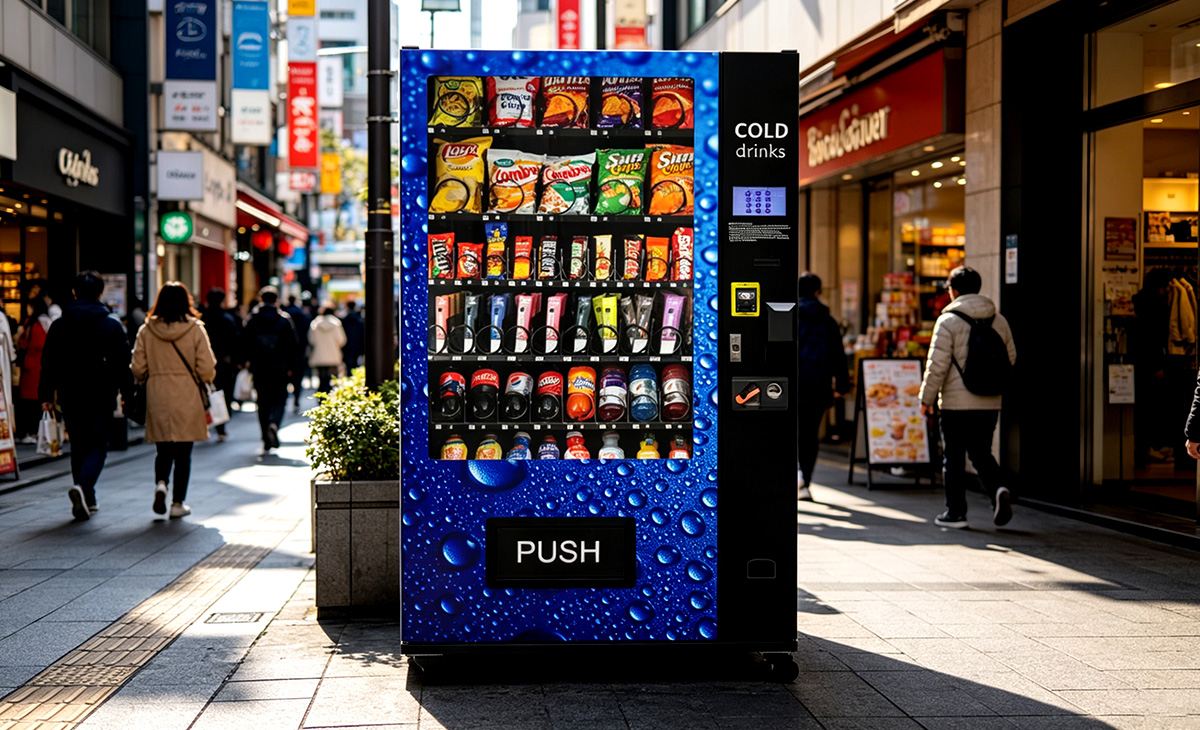
For a first rent vending machine, I strongly recommend a combo unit that sells both snacks and cold drinks. These machines appeal to the widest audience and generate the highest average transaction value. Make sure the machine includes a credit card reader and supports mobile payments. According to a 2024 Statista survey, over 65 percent of vending purchases in the US are now cashless. If your machine only takes cash, you are leaving money on the table.
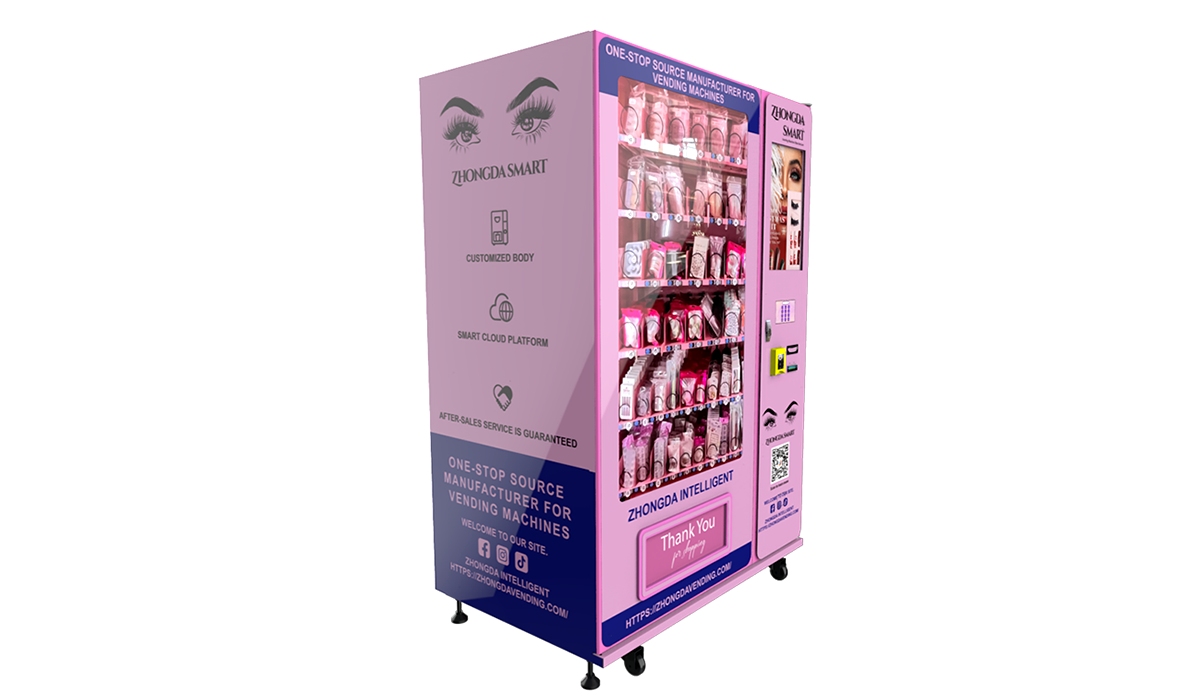
When evaluating suppliers, I have worked with several manufacturers over the years. One company that consistently delivers reliable equipment with good after-sales support is Zhongda Smart. Their combo machines are well-built, the card reader integration is straightforward, and they offer lease options through partner financing firms. I have placed three of their units in the past two years, and the vending machine repair frequency has been lower than with some older brands I used.
Step 3: Negotiate the Lease Agreement
Do not accept the first lease offer. I always ask for a lower monthly rate, a shorter term, or a buyout clause at 50 percent of the original machine value. Many leasing companies have flexibility, especially if you are taking multiple machines. I also insist on a 30-day trial period where I can return the machine without penalty if sales do not meet a minimum threshold.
Pay close attention to the maintenance clause. Some leases require you to use their approved technician for any vending machine repair, which can be expensive. Others allow you to use your own repair person or do the work yourself. I prefer the latter, because I can handle basic fixes like jammed coils or faulty coin mechanisms in under 30 minutes.
Step 4: Set Up Payment Systems and Telemetry
Most modern machines come with a Nayax, Cantaloupe, or USAT card reader pre-installed. If not, budget $400 to $800 for the reader and installation. The telemetry system is equally important. Without it, you cannot see real-time sales data, inventory levels, or machine alerts. I have saved thousands of dollars by knowing exactly when a machine needs restocking instead of driving there on a fixed schedule.
Step 5: Stock Smart, Not Just Full
Product selection makes or breaks a machine. I start with a core set of bestsellers: water, sports drinks, soda, chips, candy, crackers, and protein bars. Then I add a few local or trending items. I track what sells and what sits. If an item does not sell within two restock cycles, I replace it. This sounds simple, but I have seen operators fill a machine with products they personally like, only to watch them expire.
I also adjust pricing based on location. In a hospital, people expect to pay a premium, so I price 20 to 30 percent above retail. In a warehouse where workers buy every day, I keep prices competitive with nearby stores.
Common Beginner Mistakes and How to Avoid Them
Underestimating the Importance of Location
The most common mistake I see is operators falling in love with a machine before they have secured a strong location. They buy or lease the equipment first, then scramble to find a spot. That often leads to accepting a mediocre location just to avoid paying for storage. Always secure the location first, or at least have a signed letter of intent, before committing to a rent vending machine.
Ignoring Vending Machine Repair Costs
Another frequent error is assuming the machine will run flawlessly for years. Even the best machines break down. Refrigeration units fail, motors stop turning, and card readers lose connection. I set aside 10 percent of monthly revenue for repairs and maintenance. If I do not use it in a given month, it accumulates for when a major repair hits. A single compressor replacement can cost $400 to $800. Without a reserve, that repair can wipe out two months of profit.
Choosing the Wrong Lease Structure
Some leasing companies offer a "rent to own" option where a portion of each payment goes toward eventual ownership. That sounds good, but the total cost is often much higher than buying outright. I have seen operators pay $6,000 in lease payments over three years for a machine they could have bought for $5,000. If you want to own, buy a used machine or finance through a bank. If you want to lease, keep it as a pure operating expense.
Overlooking Local Regulations
In the US, vending machines that sell food must comply with state and local health department regulations. Some states require a permit, a food safety plan, or regular inspections. In the EU, regulations vary by country. For example, distributing machines in France must meet specific hygiene standards under Service-Public.fr guidelines. I once had to pull a machine from a school because I did not have the correct permit. That cost me three months of lease payments and the machine sat in storage. Check local requirements before you sign anything.
How to Evaluate a Rent Vending Machine Investment
I use a simple checklist before committing to any machine:
- Foot traffic: At least 100 potential customers per day within 50 feet of the machine.
- Average transaction: Ideally $1.50 or higher. Machines with high average transactions cover costs faster.
- Competition: No other vending machine within 200 feet, and no convenience store within a three-minute walk.
- Location stability: The business or facility has been operating for at least two years and shows no signs of closing.
- Lease terms: Monthly payment no more than 20 percent of projected gross revenue.
- Maintenance support: Clear agreement on who handles vending machine repair and how quickly.
If a location fails three or more of these criteria, I pass. There are always more machines and more locations.
Self-Service Kiosk vs. Traditional Vending Machine
Some beginners ask me whether they should consider a self-service kiosk instead of a traditional vending machine. Kiosks are typically used for items like electronics, cosmetics, or personal protective equipment. They cost more to lease, often $400 to $800 per month, and require more frequent restocking because they hold fewer units. However, they can generate higher margins if the product category supports premium pricing.
In my experience, traditional vending machines are easier for a first-time operator. The product supply chain is simpler, the machines are more rugged, and the repair network is more established. If you are set on a kiosk, make sure the lease includes comprehensive support for the touchscreen and payment software, as those components fail more often than a simple coil mechanism.
FAQ: Answers to the Most Common Questions
Is a rent vending machine profitable?
It can be, but profitability depends heavily on location, product margin, and operating efficiency. In my experience, a well-placed machine can net $200 to $500 per month after all costs. However, many machines in marginal locations barely break even. Do not expect passive income without active management.
How much does a rent vending machine cost per month?
Monthly lease payments range from $120 for a basic snack machine to $600 for a large frozen food machine. Add $50 to $100 for payment processing, telemetry, and location commission. Total monthly cost of operation typically runs $300 to $800 depending on the machine type and location agreement.
How long does it take to break even with a leased machine?
Since you are not recovering a purchase cost, break-even on a lease is about covering your monthly operating expenses from day one. Most leased machines start generating positive cash flow within three to six months if the location is solid. If a machine has not turned profitable by month six, I move it.
Should a beginner buy or lease a vending machine?
I recommend leasing for the first machine. It limits your financial risk and lets you learn the business without a large capital commitment. Once you understand the operational demands and have identified a proven location, buying a used machine makes more sense.
Where are the best locations for a vending machine?
Manufacturing plants, warehouses, hospitals, large office buildings, schools, and apartment complexes with 100 or more units are my top choices. Avoid locations with easy access to external food options or low foot traffic.
What permits do I need to operate a vending machine?
Requirements vary by state and country. In the US, you typically need a business license, a sales tax permit, and a food handler permit if selling perishable items. In the EU, check local commercial regulations. For example, INSEE provides business classification codes that may apply to automated retail operations in France.
How do I choose a vending machine supplier?
Look for suppliers with a track record of reliable equipment, transparent lease terms, and responsive after-sales support. I have had good experiences with Zhongda Smart for their combo machines and lease options. Always request references from other operators and inspect the machine in person if possible.
What happens if the machine breaks down?
Your lease agreement should specify the repair process. Some suppliers include free vending machine repair within 48 hours. Others charge a service fee. I recommend having a backup plan, such as a local technician you can call if the supplier is slow. Lost sales during downtime can quickly erode your profit.
How can I reduce restocking and maintenance costs?
Use telemetry to track inventory remotely and only visit when needed. Standardize your product selection across machines to simplify restocking. Perform basic cleaning and inspection during each visit to catch small issues before they become expensive vending machine repair problems.
Final Thoughts from the Road
Running a vending route is a real business, not a set-and-forget investment. A rent vending machine can be a smart entry point if you treat it with the same discipline as any other small business. Focus on location quality, control your costs, and be honest about the time required. I have seen operators build profitable multi-machine routes starting with a single lease. I have also seen people lose money because they rushed into a lease without doing the math. Take your time, test one machine, and learn before scaling. The automated retail industry is growing, and there is room for careful operators who understand the fundamentals.
This article was updated in April 2025. All figures are based on the author's operational experience and publicly available industry data unless otherwise noted. Individual results vary, and this content does not constitute financial or legal advice.