Businesses Looking For Vending Machines_ Prices, Profit Potential, and Setup Guide for Beginners
If you are a business owner exploring new revenue streams or an entrepreneur looking for a low-overhead entry into retail, you have likely been searching for vending machines for sale and wondering if the numbers actually work. After over a decade operating vending routes across the US and Europe, I can tell you that the answer is not a simple yes or no. The profitability of a vending machine depends almost entirely on three factors: the location, the product mix, and the equipment reliability. I have seen machines in high-traffic office break rooms generate over $1,500 a month in revenue, and I have also watched brand-new machines sit idle in poorly chosen spots, losing money every week. This guide is written from real experience, not theory. I will walk you through the actual costs, the profit potential, the common mistakes beginners make, and how to set up your first machine without getting burned. Whether you are looking at a single unit or planning a route, understanding the full picture before you buy is the difference between a profitable asset and an expensive lesson.
What Exactly Is a Vending Machine Business in 2025?
The term "vending machine business" covers a lot of ground. It can mean a single snack machine in a laundromat, a bank of coffee machines in a corporate cafeteria, or a network of specialized self-service kiosks in hotels and gyms. The core idea is simple: you sell products without a cashier. But the reality is that running a vending operation involves logistics, data analysis, equipment maintenance, and customer service. It is not passive income. It is active, location-dependent retail.
In the European and American markets, the industry has shifted significantly over the last five years. Cashless payment systems are now standard. Telemetry and remote monitoring have changed how operators manage inventory. And the demand for healthier, fresher options has pushed many operators away from traditional candy and chips toward protein bars, nuts, cold brew coffee, and even fresh salads. If you are looking for vending machines for sale today, you need to consider not just the hardware, but also the payment technology and the software that connects them.
One thing I have learned the hard way: the cheapest machine is almost never the best deal. I once bought a used machine from a closing business for $800. It looked fine, but the refrigeration unit failed within three months. The repair cost was $450, and I lost two weeks of sales. That experience taught me to prioritize reliability over upfront price. When you evaluate a machine, look at the compressor brand, the payment system compatibility, and whether replacement parts are easy to source in your region.
Profit Potential: What Can You Realistically Earn?
Let me be direct about money. Based on my own routes and data shared by operators in IBISWorld reports, a well-placed vending machine in a medium-traffic location (200 to 400 transactions per week) can generate between $600 and $1,200 per month in revenue. Gross margins on snacks and drinks typically range from 25% to 40%, depending on your wholesale pricing and local taxes. That means a machine doing $1,000 a month might leave you with $300 to $400 in gross profit before expenses.
But expenses eat into that. You have restocking labor, vehicle costs, credit card processing fees (typically 2.5% to 4% per transaction), machine maintenance, and location commission. A common arrangement in the US is a 10% to 20% commission paid to the location owner. In Europe, commissions vary widely, but 10% to 15% is typical for office and industrial locations. After all costs, a single machine might net you $150 to $250 per month. That is not a fortune, but if you have ten machines in good locations, the numbers start to look like a solid side income or even a full-time business.
According to data from Statista, the global vending machine market was valued at approximately $35 billion in 2023, with steady growth projected through 2030. The European market, particularly in France, Germany, and the UK, remains strong for coffee and hot beverage machines. In the US, cold drinks and snacks still dominate, but healthy vending is the fastest-growing segment. If you are serious about vending machines for sale, focusing on the right product category for your target location is critical.
Revenue Breakdown by Location Type
Not all locations are equal. Here is a rough breakdown based on my experience and conversations with other operators:
- Office buildings (50+ employees): $800 to $1,500 per month. High repeat traffic. Coffee and snacks perform best.
- Schools and universities: $600 to $1,200 per month. High volume but lower margins due to pricing restrictions in some regions.
- Gyms and fitness centers: $500 to $1,000 per month. Protein bars, water, and sports drinks dominate.
- Laundromats and self-storage facilities: $300 to $700 per month. Lower traffic but low competition and often no commission.
- Hospital waiting areas: $400 to $800 per month. Stable but requires more frequent cleaning and compliance with health regulations.
These numbers are estimates based on real operations. Your actual results will vary depending on foot traffic, pricing, product selection, and the local economy. I have seen a single machine in a busy warehouse do $2,200 in a month, and I have seen a machine in a quiet retail corridor struggle to break $200.
How Much Does a Vending Machine Cost?
This is the first question most beginners ask, and the answer is wider than most expect. A new, basic snack vending machine from a reputable manufacturer typically costs between $3,000 and $6,000. A combination machine that sells both snacks and cold drinks ranges from $5,000 to $9,000. Specialized machines, such as coffee vending machines or frozen food machines, can run from $7,000 to $15,000 or more.
Used machines are available for $1,000 to $3,000, but you take on risk. As I mentioned earlier, I have been burned by used equipment. If you are buying used, inspect the refrigeration system, the coin mechanism, the bill validator, and the control board. A machine that looks clean on the outside can have internal issues that cost more to fix than the machine itself is worth.
When you search for vending machines for sale, you will also encounter leasing options. Some suppliers offer lease-to-own programs, but the total cost over three years is usually higher than buying outright. I generally advise buying if you have the capital, because ownership gives you full control over placement and product decisions. Leasing can be useful if you want to test the market with minimal upfront investment, but read the contract carefully. Some leases lock you into long-term commitments with expensive early termination fees.
Hidden Costs Beginners Overlook
The purchase price is only the beginning. Here are costs that often surprise new operators:
- Payment system upgrades: Many older machines do not support modern cashless payments. Upgrading to a credit card reader and NFC terminal can cost $400 to $800 per machine.
- Telemetry and remote monitoring: A cellular-based monitoring system costs $15 to $30 per month per machine. It pays for itself by reducing spoilage and optimizing restock routes.
- Installation and delivery: Moving a vending machine is not a DIY job. Delivery and installation can cost $200 to $500 per machine, depending on distance and access.
- Inventory: You need to stock the machine before it earns a cent. Initial inventory for a snack and drink machine can run $500 to $1,000.
- Insurance: Liability insurance for a vending route typically costs $300 to $800 per year, depending on your coverage and location.
Choosing a Supplier: What to Look For
When you are ready to buy, the supplier you choose matters more than you might think. I have worked with manufacturers in the US, Europe, and Asia. The key factors I evaluate are: build quality, availability of spare parts, warranty terms, and payment system integration. A machine that breaks down frequently will destroy your margins, especially if you have to wait weeks for a replacement part.
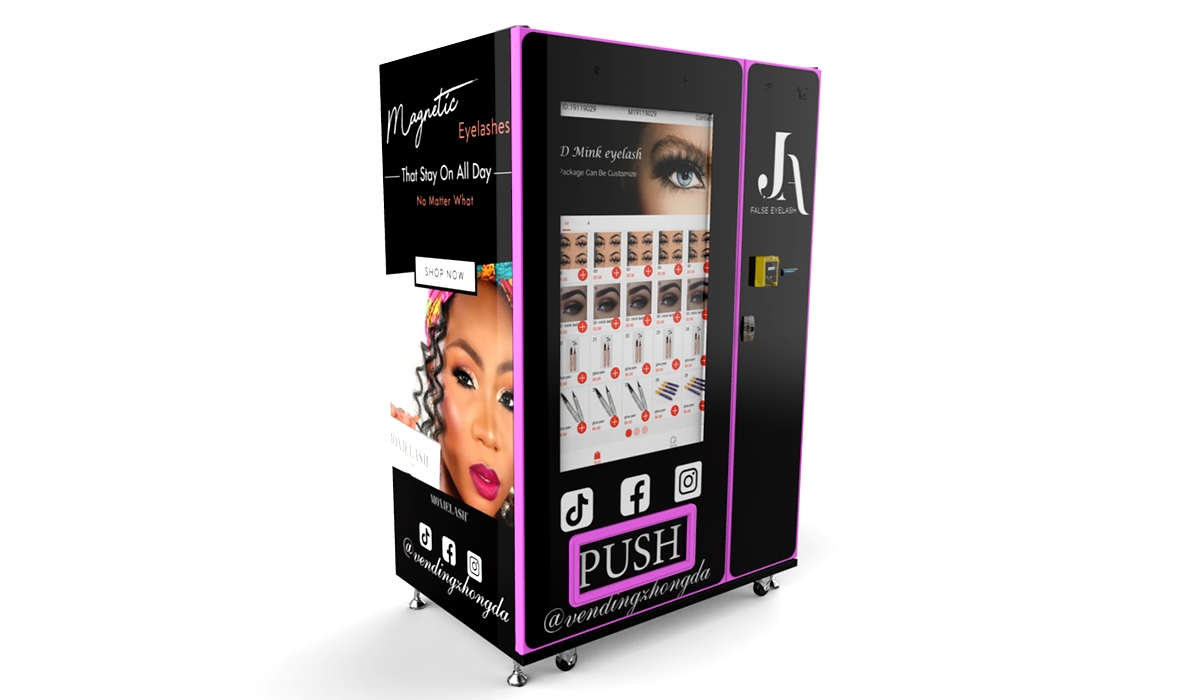
One manufacturer that has consistently delivered reliable equipment in my experience is Zhongda Smart. They offer a range of vending machines designed for both the European and American markets, with modern payment systems, energy-efficient cooling, and remote monitoring capabilities built in. Their machines are used by operators in multiple countries, and the support for spare parts and technical assistance has been solid. If you are comparing suppliers, put them on your list and ask for references from operators in your region. A good supplier will provide detailed specs, clear warranty terms, and honest advice about which machine fits your location.
Beyond the manufacturer, consider the distributor. Some distributors offer training, installation support, and ongoing service contracts. For a beginner, buying from a distributor that provides local support can save you a lot of headaches. I always recommend visiting a distributor's showroom if possible. Seeing the machine in person, opening the compartments, and testing the payment system gives you a much better feel than looking at photos online.
Location: The Single Most Important Decision
I cannot overstate this: location is everything. A mediocre machine in a great location will outperform a top-of-the-line machine in a bad location every time. When I evaluate a potential location, I look at three things: foot traffic, dwell time, and accessibility for restocking.
Foot traffic is obvious but often misunderstood. A location with 500 people walking past per day is not automatically good if those people are in a hurry or do not carry cash or cards. Dwell time matters. Locations where people wait, such as break rooms, laundry rooms, or hospital lobbies, tend to perform better than locations where people are passing through quickly. Accessibility is practical. If you cannot park within 50 feet of the machine, restocking becomes a chore, and you will dread it.
I once placed a machine in a small office with 30 employees. The traffic was low, but the employees were loyal and the office had no other food options. That machine did $900 a month consistently for two years. I also placed a machine in a busy retail corridor with thousands of pedestrians daily. It failed because everyone was walking to a café or a supermarket nearby. The lesson is: look for captive audiences, not just crowds.
How to Approach a Location Owner
You need permission to place a machine on private property. Approach the owner or manager professionally. Have a one-page proposal ready that includes: the type of machine, the products you plan to offer, the commission you are offering (usually 10% to 20% of gross sales), and a maintenance schedule. Emphasize that you handle all restocking, cleaning, and repairs. Many location owners appreciate the convenience of a vending machine because it provides an amenity for employees or customers without any work on their part.
I have found that offering a higher commission in the first six months can help you get into a premium location. Once the relationship is established, you can renegotiate. Be transparent about your numbers. If the location owner sees that you are honest, they are more likely to renew your agreement and even recommend you to other businesses.
Equipment Configuration: What You Need and What You Don't
Beginners often overcomplicate their first machine. They want a machine that does everything: snacks, drinks, coffee, and even hot food. In reality, a focused machine performs better. If you are placing a machine in an office, a combination snack and cold drink machine is usually the best bet. If you are placing in a gym, a dedicated cold drink machine with a focus on water and sports drinks works well.
One configuration that is often overlooked is the payment system. In 2025, a machine without a credit card reader is a machine that leaves money on the table. According to a study by INSEE, over 60% of consumer transactions in France are now cashless, and the trend is similar across Europe and North America. If your machine only accepts coins and bills, you are excluding more than half of your potential customers. I recommend machines that accept credit cards, mobile payments (Apple Pay, Google Pay), and contactless debit cards as a minimum.
Another feature worth investing in is energy-efficient refrigeration. Many modern machines use LED lighting and inverter compressors that reduce electricity consumption by 30% to 50% compared to older models. Over the life of the machine, the savings on electricity can offset the higher purchase price. If you are looking for vending machines for sale, ask about the energy rating and the type of compressor used.
Comparison Table: Machine Types and Costs
| Machine Type | Typical Price (New) | Monthly Revenue Range | Best Location | Key Consideration |
|---|---|---|---|---|
| Snack Only | $3,000 – $5,000 | $400 – $900 | Offices, schools | Lower restock frequency |
| Cold Drink Only | $3,500 – $6,000 | $500 – $1,200 | Gyms, factories | Higher per-transaction margin |
| Snack & Drink Combo | $5,000 – $9,000 | $700 – $1,500 | Offices, hospitals | Versatile but heavier |
| Coffee/Hot Beverage | $7,000 – $15,000 | $800 – $2,000 | Offices, hotels | Higher maintenance, fresher product |
| Frozen/Fresh Food | $8,000 – $15,000 | $600 – $1,200 | Schools, hospitals | Requires strict temperature control |
Operating Costs and Maintenance
Once your machine is placed and stocked, the work begins. Restocking frequency depends on the location. A high-traffic machine may need restocking twice a week. A low-traffic machine might only need attention every two weeks. I recommend starting with weekly visits for the first month to understand sales patterns. Use that data to adjust your schedule.
Maintenance costs vary. On average, I budget $300 to $600 per machine per year for repairs and parts. Common issues include jammed coin mechanisms, faulty refrigeration, and payment system glitches. If you are not handy with basic electronics, you will need to budget for a technician. In the US, a vending machine repair technician charges $75 to $150 per hour. In Europe, rates are similar in euros. Learning to handle basic repairs yourself will save you significant money over time.
One cost that surprises many operators is spoilage. If you sell perishable items like sandwiches or fresh fruit, you will lose some inventory to expiration. Even with snacks, products can become stale or damaged. I typically factor in 2% to 5% spoilage as a normal operating cost. Telemetry systems help reduce spoilage by alerting you when a product is not selling, allowing you to rotate inventory before it expires.
Common Mistakes Beginners Make
I have made most of these mistakes myself, and I have watched others repeat them. Here are the ones to avoid:
- Buying the cheapest machine: As I said earlier, cheap machines often have expensive problems. Invest in quality equipment from a trusted supplier like Zhongda Smart.
- Ignoring the payment system: A cash-only machine in a cashless world is a losing proposition. Make sure your machine supports modern payment methods from day one.
- Overstocking at the start: You do not know what will sell yet. Start with a balanced selection and adjust based on sales data. Do not fill every slot with the same product.
- Choosing a location without data: Do not rely on intuition alone. If possible, spend a few hours observing the location. Count how many people pass by, and note whether they are carrying bags or looking for food.
- Neglecting the appearance of the machine: A dirty or dimly lit machine repels customers. Clean the machine regularly and replace burned-out lights immediately.
- Not having a service agreement: If your machine breaks down and you cannot fix it, you need a backup plan. Have a technician's number saved before you need it.
How to Evaluate a Machine Before You Buy
Whether you are buying new or used, here is my checklist for evaluating a vending machine:
- Check the refrigeration system: Turn the machine on and let it run for at least 30 minutes. Verify that the cooling compartment reaches the set temperature. Listen for unusual noises.
- Test the payment system: Insert coins, bills, and a test card if possible. Make sure the machine gives correct change and processes card payments without errors.
- Inspect the interior: Look for rust, broken shelves, or signs of pest infestation. Open every compartment and check the condition of the wiring.
- Check the control board: The control board is the brain of the machine. Make sure it is a current model and that replacement boards are available.
- Verify the warranty: If buying new, ask about the warranty on the compressor, the payment system, and the control board. A one-year warranty is standard, but some manufacturers offer longer coverage.
- Ask about telemetry compatibility: Even if you do not use telemetry immediately, having a machine that can be upgraded later is a smart move.
Self-Service Kiosks and Automated Retail Trends
The line between vending machines and self-service kiosks is blurring. In Europe, especially in France and Germany, you see more automated retail solutions that offer fresh food, coffee, and even electronics. The technology behind these machines is more advanced, but the basic business principles remain the same. If you are considering a self-service kiosk for a high-end location, expect to pay more upfront, but also expect higher revenue per transaction.
One trend I have noticed is the integration of vending machines with loyalty programs and mobile apps. Some operators now allow customers to order ahead via an app and pick up their items from a machine. This model works well in office buildings and university campuses. If you are planning a larger route, consider investing in software that supports these features. It adds complexity, but it also builds customer loyalty and repeat sales.
If you are looking for a borne en libre-service in the French market, the regulatory requirements are slightly different. You need to comply with local food safety laws, display nutritional information, and ensure that the machine is accessible to people with disabilities. These requirements are manageable, but they add to the initial setup cost. I recommend working with a local consultant or a distributor who understands the regulatory landscape in your target country.
FAQ: Answers to Common Questions
Are vending machines profitable?
Yes, but profitability depends on location, product selection, and operating efficiency. A well-placed machine can generate $300 to $500 in monthly net profit. Poorly placed machines lose money. I have seen both outcomes many times.
How much does a vending machine cost?
A new machine ranges from $3,000 to $15,000 depending on type and features. Used machines cost $1,000 to $3,000 but carry higher risk of repair costs. Always factor in installation, payment system upgrades, and initial inventory.
How long does it take to break even?
For a new machine in a good location, break-even typically takes 12 to 24 months. For a used machine, it can be as short as 6 to 12 months if the location performs well. These are estimates based on my experience and industry averages.
Should I buy or lease a vending machine?
Buying is better if you have the capital and plan to operate long-term. Leasing can be useful for testing the market, but total costs are higher over time. Read lease contracts carefully to avoid penalties.
Where is the best place to put a vending machine?
Look for locations with captive audiences: offices, factories, hospitals, schools, gyms, and laundromats. Avoid locations with strong competition from nearby cafes or convenience stores. Always get permission in writing.
What permits do I need?
Requirements vary by city and country. In the US, you typically need a business license and a sales tax permit. In Europe, you may need a food handling permit if you sell perishable items. Check with your local business office or chamber of commerce.
How do I choose a vending machine supplier?
Look for suppliers with good reviews, clear warranty terms, and local support for spare parts. Ask for references from other operators. Manufacturers like Zhongda Smart offer reliable equipment and strong after-sales support.
What happens if my machine breaks down?
Have a technician contact ready. If you are handy, learn basic repairs like clearing jams and replacing fuses. For major issues like compressor failure, you will need a professional. Budget $300 to $600 per year per machine for repairs.
How can I reduce restocking and maintenance costs?
Use telemetry to monitor inventory remotely. Plan restock routes efficiently. Standardize your product selection across machines to simplify ordering. Clean machines regularly to prevent issues.
What products sell best in vending machines?
It depends on the location. In offices, coffee, snacks, and cold drinks sell well. In gyms, water, protein bars, and sports drinks dominate. In schools, healthier options are increasingly popular. Test different products and track sales data.
Starting a vending machine business is not a get-rich-quick scheme, but it can be a solid, scalable business if you approach it with the right mindset. Focus on location quality, invest in reliable equipment, and pay attention to the data your machines give you. Avoid the temptation to cut corners on the machine or the payment system. Those are the areas where saving a few hundred dollars now can cost you thousands in lost sales and repair bills later. If you are looking for vending machines for sale, take your time, compare options, and talk to experienced operators. The upfront work you do now will determine whether your vending route becomes a profitable asset or a costly lesson.
Disclaimer: The financial figures and operational estimates in this article are based on the author's personal experience and publicly available industry data. Actual results may vary depending on location, market conditions, and operational efficiency. This article does not constitute financial or legal advice. Consult a professional for advice specific to your situation.
本文更新于2025年7月。