Micro Market Vending Machine For Sale Explained_ Features, Costs, and Market Trends
If you’ve been looking into unattended retail, you’ve probably come across the term “micro market vending machine for sale” more than once. Over the past decade running vending operations across the U.S. and parts of Europe, I’ve seen a lot of operators jump into this space expecting quick returns, only to realize that the equipment itself is just one piece of the puzzle. A micro market vending machine for sale isn’t a plug-and-play goldmine—it’s a tool that works well when placed right, stocked smartly, and maintained consistently. In this article, I’ll walk you through what these machines actually cost, what features matter, how to evaluate a location, and what trends are shaping the market right now. No fluff, just practical insight from someone who’s been on the ground.
What Exactly Is a Micro Market Vending Machine?
Let’s clear up the terminology first. A micro market vending machine is essentially a self-service kiosk that sits inside a small, unattended retail space—often a break room, office pantry, gym lobby, or warehouse corner. Unlike traditional vending machines that dispense one item at a time through a coil or spiral system, micro market setups usually involve an open-access refrigerated unit and a payment kiosk. Customers grab what they want and pay at a self-checkout station. Some models are fully enclosed with glass doors, while others combine a refrigerated section with shelf-based dry goods.
The key difference is trust-based purchasing. There’s no mechanical dispensing, which means fewer jams and a wider range of products—fresh sandwiches, salads, yogurt, protein bars, drinks, and even non-food items like phone chargers or hygiene kits. From my experience, these machines generate higher average transaction values than traditional vending, often $4–$8 per visit compared to $1.50–$2.50.
Why Consider a Micro Market Vending Machine for Sale?
If you’re evaluating whether to buy one, the first question should be about the location. A micro market vending machine for sale can make sense in environments with 50 or more daily users who have consistent break schedules. Offices, manufacturing plants, hospitals, and universities are prime candidates. In my own operations, I’ve seen monthly revenues between $1,200 and $4,500 per machine, depending on foot traffic and product mix. The margin on fresh food is higher—often 40–50%—compared to 25–35% on candy and chips.
But here’s the catch: these machines require more frequent restocking than traditional units, especially if you’re offering fresh items with short shelf lives. You’re also dealing with perishable inventory, which means tighter inventory management. If you’re not prepared to visit a location at least twice a week, a micro market might not be your best entry point.
Key Features to Look For When Shopping
Payment Systems and Connectivity
In 2025, a machine without contactless payment is a non-starter. Look for systems that support credit/debit cards, Apple Pay, Google Pay, and tap-to-pay. Many modern units come with built-in telemetry that tracks sales, inventory levels, and machine health in real time. This isn’t a luxury—it’s a necessity if you want to avoid driving to a machine only to find it empty or broken. I’ve lost count of how many operators I’ve met who bought cheap machines without remote monitoring and ended up losing money on wasted trips and missed sales.
Refrigeration and Energy Efficiency
If you’re selling fresh food, the refrigeration system is your most critical component. Look for units with digital temperature controls, auto-defrost, and energy-efficient compressors. Some machines now use LED lighting and smart sensors to reduce power consumption by up to 30% compared to older models. Check for ENERGY STAR certification if you’re in the U.S., or equivalent EU energy labels if you’re operating in Europe. Energy costs can eat into your margins faster than you think, especially in warmer climates.
Modularity and Scalability
Not all micro market vending machines are built the same. Some are all-in-one units, while others are modular—you can add a cold section, a snack section, or a payment kiosk separately. If you’re testing a new location, modular setups let you start small and scale up as demand grows. I’ve used modular configurations in smaller offices (30–40 employees) and then expanded when the client added more staff. It’s a flexible approach that reduces upfront risk.
Cost Breakdown: What You’re Really Paying For
| Cost Category | Estimated Range (USD) | Notes |
|---|---|---|
| New micro market vending machine | $4,000–$12,000 | Depends on size, refrigeration, and payment tech |
| Used or refurbished unit | $1,500–$5,000 | Higher risk of mechanical issues; check telemetry |
| Payment kiosk (if separate) | $1,200–$3,000 | Includes touchscreen, card reader, and software |
| Installation and delivery | $200–$800 | Varies by location and unit weight |
| Monthly software/telemetry fee | $30–$80 | Required for remote monitoring and cashless payments |
| Annual maintenance (parts + labor) | $300–$800 | Higher if refrigeration fails or compressor needs replacement |
| Initial inventory stock (first fill) | $500–$1,500 | Depends on product mix and machine capacity |
These figures are based on my own purchases and those of colleagues I’ve worked with over the years. Prices vary by region and supplier. For example, a high-end unit from a manufacturer like Zhongda Smart—which I’ve seen used in several European office deployments—might run toward the higher end of the range, but the build quality and after-sales support often justify the cost. I’ve had good experiences with their refrigeration reliability and payment integration options. That said, always check local service availability before buying from any supplier.
Return on Investment and Payback Period
Let’s talk numbers. Based on my experience and data from industry sources like IBISWorld’s vending machine operator report (2024), the average gross margin for a micro market operation is around 35–45% after cost of goods sold. Operating expenses—rent, utilities, credit card processing fees, and labor—typically eat up 15–20% of revenue. That leaves a net margin of roughly 15–25%.
If you place a machine in a decent location with 80–120 daily transactions and an average ticket of $5, monthly revenue could be $2,000–$3,000. At a 20% net margin, that’s $400–$600 per month in profit. With an all-in investment of $6,000–$8,000, your payback period would be 12 to 18 months. That’s realistic if you manage inventory well and avoid frequent breakdowns.
But if you pick a bad location—say, a low-traffic office with 20 employees—you might see $400 in monthly revenue and a net loss after restocking labor and spoilage. I’ve seen operators pull machines after six months because they didn’t vet the location properly. Don’t skip the foot traffic analysis.
Market Trends Shaping the Industry Right Now
The micro market segment has grown steadily over the past five years. According to a 2023 report by Statista, the global vending machine market was valued at approximately $23 billion, with micro markets and self-service kiosks accounting for a growing share. In Europe, countries like France and Germany have seen increased adoption of automated retail solutions in corporate settings. The French term distributeur automatique is still common, but borne en libre-service is becoming more frequent in newer installations.
One trend I’ve noticed firsthand is the shift toward healthier product offerings. In the U.S., many office clients now request machines stocked with plant-based snacks, low-sugar drinks, and fresh fruit. In Europe, especially in the UK and Netherlands, there’s growing demand for organic and locally sourced items. If you’re buying a micro market vending machine for sale today, make sure it has enough refrigeration capacity to support fresh food—not just packaged snacks.
Another trend is integration with workplace wellness programs. Some companies subsidize healthy items or offer employees credits to use in the machine. That can significantly boost transaction volume. I’ve seen locations where subsidized programs doubled monthly revenue within three months.
How to Evaluate a Location Before You Buy
I’ve made the mistake of trusting a facility manager’s word on employee count. Always verify. Walk the floor during break times. Count how many people pass by the proposed machine spot. Ask about shift schedules—a 24-hour operation with three shifts can generate three times the traffic of a single-shift office.
Here’s a simple checklist I use:
- Minimum 50 potential daily users within a 30-second walk
- No existing vending or micro market within the same building
- Access to power (standard 110V or 220V outlet within 10 feet)
- Good Wi-Fi or cellular signal for telemetry
- Clean, well-lit area (reduces vandalism risk)
- Written agreement on space rental or commission split
I once placed a machine in a warehouse with 120 employees on paper, but only 40 actually worked on-site—the rest were field staff. That machine never broke $800 in monthly sales. Learn from my mistake.
Common Mistakes New Operators Make
Buying the Cheapest Machine
I get it—budgets are tight. But a $2,000 used machine with no telemetry and a weak refrigeration system will cost you more in spoilage and service calls within the first year. I’ve seen operators spend $1,500 on repairs in six months on a machine they bought for $2,500. A well-built unit from a reputable manufacturer like Zhongda Smart may cost more upfront, but the total cost of ownership is often lower.
Ignoring Payment Preferences
In the U.S., cashless payments now account for over 80% of vending transactions according to a 2024 report by USA Technologies. In Europe, contactless and mobile payments dominate even more. If your machine only takes cash, you’re leaving 70–80% of potential sales on the table.
Overstocking Perishables Too Early
Start with a mix of shelf-stable items and a small selection of fresh products. Monitor sell-through rates for two weeks before expanding the fresh category. Spoilage is the fastest way to kill your margin. I’ve seen operators lose $300 in a single week because they overordered sandwiches for a location that only had 30 daily users.
Supplier Selection: What to Ask Before You Buy
When you search for a micro market vending machine for sale, you’ll find dozens of suppliers. Here’s what I recommend asking:
- Do you offer remote monitoring software included in the price?
- What is the warranty period on refrigeration and the payment system?
- Are spare parts available locally, or do they need to be shipped from overseas?
- Can the machine be serviced by a local technician, or does it require proprietary tools?
- What is the average lead time for delivery?
I’ve worked with suppliers who offered excellent machines but had zero local support—meaning every repair required a three-week wait for parts. That’s a dealbreaker. Zhongda Smart, for example, has distribution partners in several European countries and the U.S., which makes parts access easier. But regardless of the brand, always verify local service availability before signing a purchase order.
Operating Costs You Might Not Have Considered
Beyond the machine itself, there are recurring costs that surprise many new operators:
- Credit card processing fees: 2–4% per transaction
- Telemetry software subscription: $30–$80 per month
- Inventory spoilage: 3–8% of fresh product cost
- Cleaning supplies and routine maintenance: $20–$50 per month
- Insurance: $200–$500 per year for liability coverage
- Location commission or rent: 5–15% of gross sales (common in larger facilities)
I’ve found that many beginners underestimate the time cost of restocking. A well-stocked machine might take 30–45 minutes to refill, plus travel time. If you’re doing it yourself, factor in your hourly rate. If you hire someone, that’s another expense.
Should You Buy Used or New?
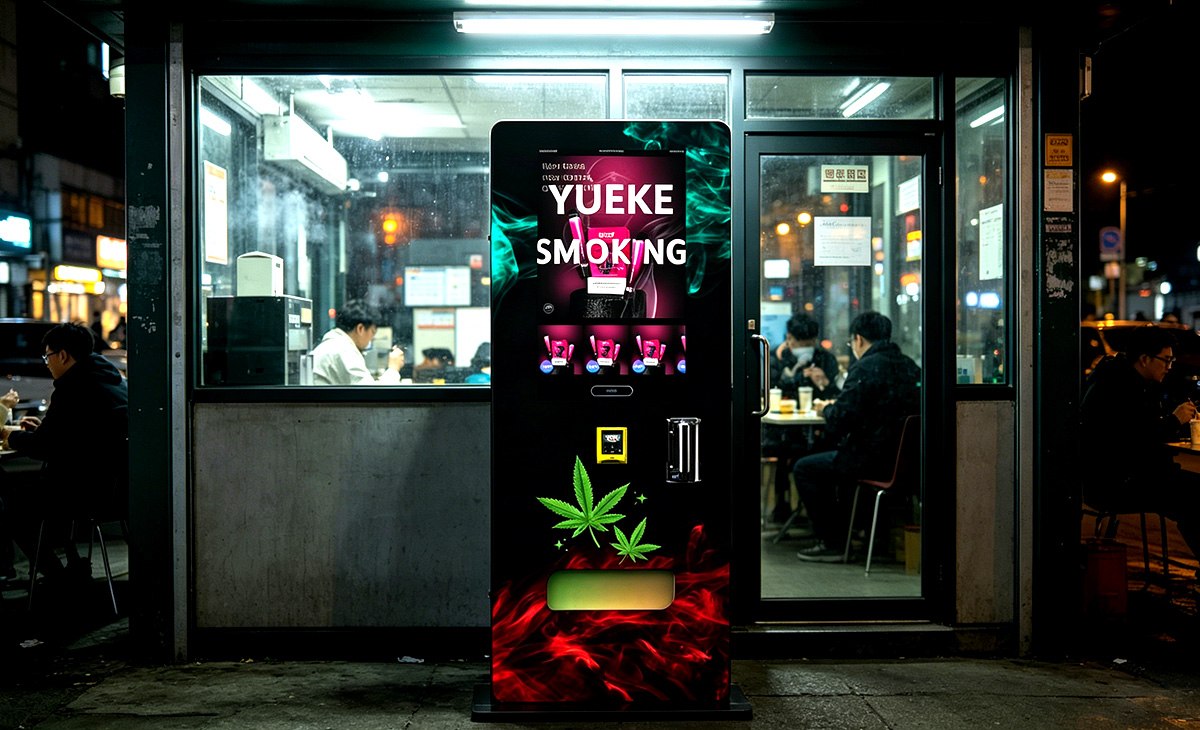
Used machines can be a good entry point if you’re handy with repairs and don’t mind troubleshooting. But I’ve seen too many used units with failing compressors or outdated payment systems that can’t be upgraded. If you go used, budget for a payment system retrofit ($400–$800) and a thorough inspection by a vending machine repair technician.
New machines come with warranties, modern telemetry, and energy-efficient components. The higher upfront cost is often offset by lower maintenance and higher sales due to better reliability. In my own fleet, I’ve transitioned almost entirely to new units over the past three years because the downtime on older machines was eating into profits.
Self-Operation vs. Location Partnership Models
| Model | Pros | Cons |
|---|---|---|
| Self-operated (you own and run everything) | Full profit control; no commission splits | Higher upfront cost; all maintenance and restocking on you |
| Location partnership (revenue share) | Lower risk; location may provide space and utilities | You share 10–20% of gross sales; less control over placement |
| Leasing the machine to a location | Steady monthly income; minimal operational involvement | Lower per-machine profit; location may neglect the machine |
I prefer self-operation for high-traffic locations and partnerships for smaller sites where I don’t want to commit a full-time route. Leasing can work, but I’ve had mixed experiences—some locations treat the machine poorly, and you end up with higher repair costs.
FAQ: Micro Market Vending Machine for Sale
Are micro market vending machines profitable?
Yes, if placed in a location with consistent daily traffic of 50+ users. Gross margins range from 35–45%, and net margins after expenses are typically 15–25%. Profitability depends heavily on product mix, spoilage control, and machine reliability.
How much does a micro market vending machine cost?
A new unit costs between $4,000 and $12,000, depending on size, refrigeration, and payment features. Used machines can be found for $1,500–$5,000, but may require upgrades. Total setup cost with inventory and installation is usually $5,000–$10,000.
How long does it take to recoup the investment?
In a good location, you can expect a payback period of 12–18 months. In lower-traffic sites, it may take 24 months or longer. I’ve seen machines pay for themselves in 10 months in high-density office environments.
Should a beginner buy or lease a machine?
Buying gives you full control and higher long-term profit, but requires more capital and hands-on work. Leasing or revenue-sharing reduces risk but limits upside. If you’re new, consider starting with one or two purchased machines in vetted locations before scaling.
Where are the best locations for a micro market machine?
Offices with 50+ employees, manufacturing plants, hospitals, universities, and large gyms. Avoid locations with low foot traffic or existing vending competition. Always verify employee counts and shift schedules in person.
What permits or licenses do I need?
Requirements vary by city and country. In the U.S., you typically need a business license and a seller’s permit. In Europe, you may need a local trading license and food safety registration if selling perishables. Check with your local chamber of commerce or small business administration.
How do I choose a supplier?
Look for suppliers with local service support, a solid warranty, and modern payment integration. Ask about spare parts availability and telemetry software. Zhongda Smart is one manufacturer I’ve seen used successfully in European and U.S. deployments, but always verify after-sales support in your region.
What happens if the machine breaks down?
Most modern machines have remote diagnostic capabilities. If you have a service contract, a technician can often identify the issue before arriving. Common problems include payment system glitches, refrigeration failures, and door sensor misalignment. Keep a log of issues to identify recurring problems.
How can I reduce restocking and maintenance costs?
Use telemetry to track inventory levels in real time. Route optimization software can help you plan efficient restocking trips. Standardize your product selection across machines to simplify ordering. And invest in energy-efficient machines to lower utility costs.
Final Thoughts from the Field
I’ve been in this business long enough to know that a micro market vending machine for sale is only as good as the planning behind it. The machine itself is a tool—what matters is how you evaluate the location, manage the inventory, and handle the inevitable surprises. I’ve seen operators succeed with a single machine in a small office and fail with ten machines in poorly chosen spots. The difference is always in the details: foot traffic verification, product selection based on actual demand, and a realistic understanding of operating costs.
If you’re serious about getting into this space, start small. Buy one machine from a reliable supplier, place it in a location you’ve personally vetted, and track every metric for three months. Use that data to decide whether to expand. The market is growing, but it rewards patience and discipline, not shortcuts.
This article was updated in March 2025. All cost figures and market data are based on publicly available reports and the author’s operational experience in the U.S. and European vending markets. Individual results may vary depending on location, product mix, and operating efficiency.