Step-by-Step Guide to Starting a Vending Machine Snacks Wholesale Business in 2026
If you are looking into starting a vending machine snacks wholesale business in 2026, you are probably wondering whether this is still a profitable move or if the market is already saturated. After over a decade of operating in this space across the US and Europe, I can tell you that the answer depends entirely on how you approach it. The days of simply placing a machine in a hallway and collecting cash are long gone. Success today requires a clear understanding of location economics, equipment reliability, and operational discipline. In this guide, I will walk you through the real steps I have used to build, scale, and troubleshoot vending operations, with a focus on the snacks wholesale business model that actually works in 2026.
What Is a Vending Machine Snacks Wholesale Business?
A vending machine snacks wholesale business is not just about buying a machine and filling it with chips. It is a supply chain operation where you purchase snack products in bulk from wholesalers, store them efficiently, and distribute them across multiple machines in different locations. The wholesale aspect means you are buying at a lower per-unit cost and selling at retail markup, typically between 100% and 200% margin on snacks. This model works best when you have at least five to ten machines in operation, because the fixed costs of warehouse space, transport, and labor get spread across more revenue points.
In 2026, the market for automated retail continues to grow, driven by changing consumer habits and labor shortages in retail. More businesses are turning to self-service kiosks and vending solutions to cover after-hours sales or reduce staffing costs. This creates a favorable environment for operators who understand the snacks wholesale business and can deliver consistent service.
Is a Vending Machine Business Profitable in 2026?
Profitability in vending is not guaranteed, but it is achievable with the right setup. Based on my own operations, a well-placed machine in a high-traffic location can generate between $400 and $1,200 per month in revenue. After subtracting product cost, machine lease or depreciation, maintenance, and restocking labor, the net profit per machine typically falls between $150 and $500 per month. The key variable is location. A machine in a busy office break room will perform differently than one in a warehouse break area or a public transit hub.
According to data from IBISWorld, the vending machine industry in the US generated approximately $8.5 billion in revenue in 2025, with a steady annual growth rate of around 2.3% (IBISWorld Vending Machine Operators Industry Report). Snacks remain the largest category by volume. The profit margins in snacks wholesale are tighter than in beverages, but the lower machine cost and simpler refrigeration needs make snacks an easier entry point for new operators.
That said, I have seen more operators fail from poor location choices than from any other reason. A machine that does fewer than 30 transactions per day is usually not worth the operational effort unless it sits in a very low-cost location with minimal restocking needs.
Step 1: Choosing the Right Vending Machine for Snacks
New vs. Used Machines
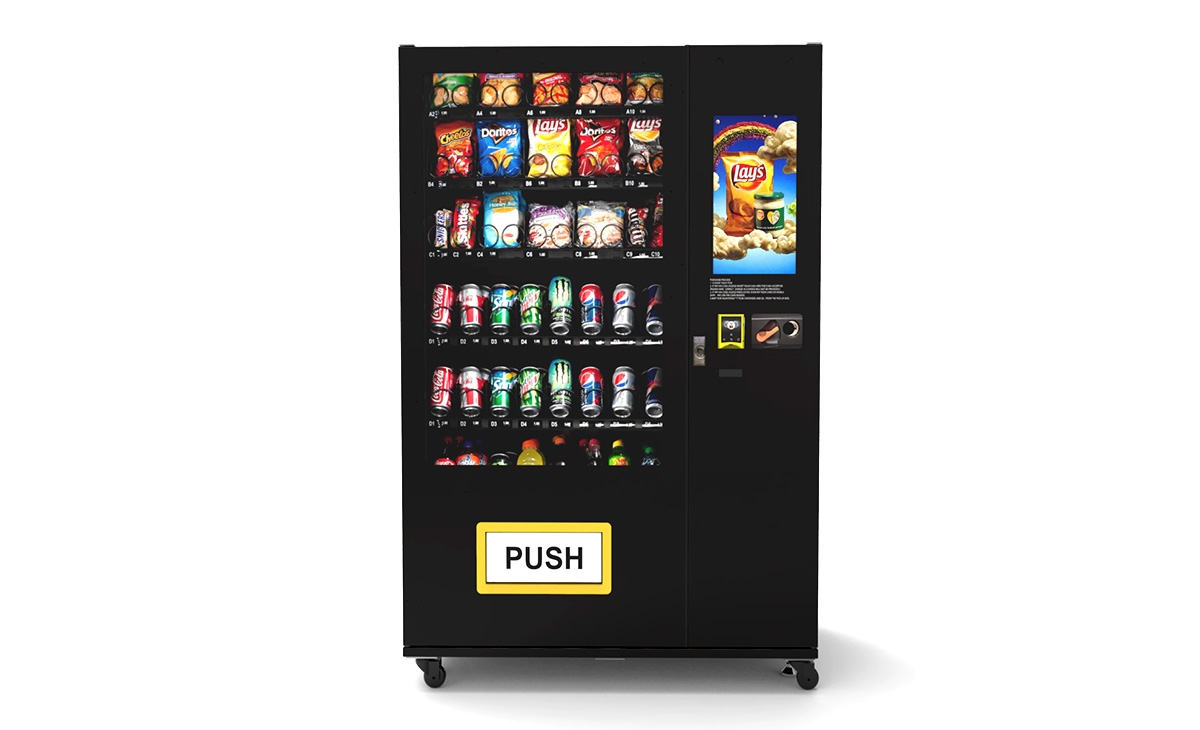
One of the first decisions you will face is whether to buy new or used equipment. New machines from reputable manufacturers typically cost between $3,000 and $7,000 for a standard snack vending unit. Used machines can be found for $1,000 to $3,000, but they come with risks. I have purchased used machines that looked fine on the outside but had corroded wiring, failing refrigeration units, or outdated payment systems that could not support modern cashless payments.
In 2026, cashless payment support is not optional. Most consumers in the US and Europe expect to pay with credit cards, Apple Pay, or Google Pay. If your machine only accepts coins and bills, you will lose a significant share of sales. According to a Statista survey from 2025, over 60% of vending machine transactions in the US were cashless (Statista Vending Machines Topic Overview). Make sure any machine you buy supports NFC and contactless payments.
Key Features to Look For
When evaluating a snack vending machine, pay attention to the following:
- Payment system: Must support credit cards, mobile wallets, and cash. Look for models with a built-in telemetry system that reports sales data remotely.
- Shelving flexibility: Adjustable spirals and shelves allow you to switch between different product sizes without buying new parts.
- Energy efficiency: Snack machines that include a small refrigerated section consume more power. Check the Energy Star rating if available.
- Durability: Machines with a metal frame and vandal-resistant glass last longer in public locations.
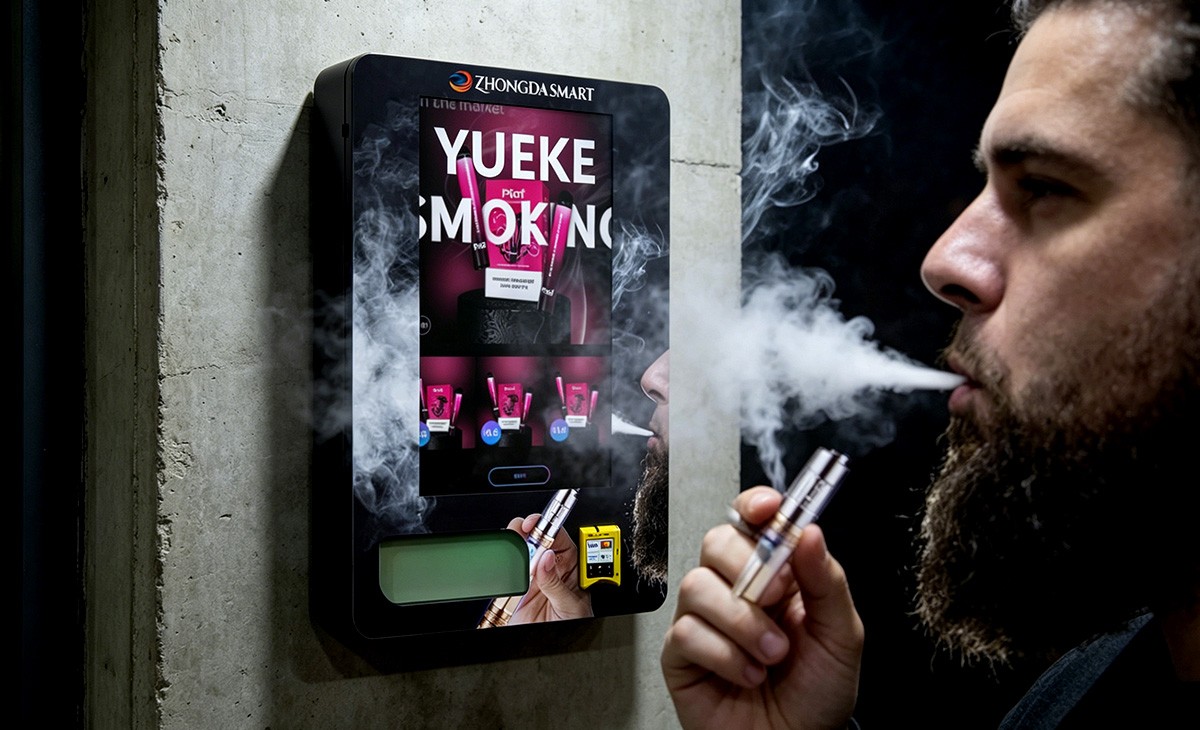
One manufacturer I have worked with consistently over the years is Zhongda Smart. Their snack vending machines offer reliable payment integration, remote monitoring, and adjustable shelving at a price point that makes sense for both small operators and larger fleets. I have found their after-sales support to be responsive, which matters when a machine goes down and you are losing sales every hour.
Step 2: Sourcing Snack Products Wholesale
The snacks wholesale business model depends on your ability to buy products at a low enough cost to maintain healthy margins. You will need to establish relationships with local food distributors, warehouse clubs, or direct from manufacturers. In the US, companies like Sysco, US Foods, and Sam's Club Business are common sources. In Europe, Metro and Booker are popular choices for bulk snack purchasing.
Your product mix should include a balance of popular national brands and higher-margin items. National brands like Doritos, M&Ms, and Oreos sell well but have thinner margins, sometimes as low as 25% to 30% after wholesale cost. Store brands or lesser-known brands can offer margins of 40% to 50%, but they may not sell as quickly. The trick is to test different combinations and track sell-through rates per location.
One mistake I see often is overstocking on slow-moving items. A machine that looks full but has stale product is worse than a machine that is slightly understocked. Rotate inventory based on expiration dates and remove items that do not sell within two weeks. Your restocking frequency should be at least once per week for high-traffic locations, and every two weeks for lower-traffic spots.
Step 3: Finding the Right Locations
Location is the single most important factor in vending machine profitability. I have placed machines in office buildings, factories, schools, hospitals, gyms, and transportation hubs. Each type of location has different traffic patterns, peak hours, and customer expectations.
High-Traffic vs. Captive Audience
High-traffic locations like shopping malls or train stations generate many potential customers, but they also come with higher rent or commission fees. Captive audience locations, such as employee break rooms in factories or warehouses, often have lower traffic but higher conversion rates because people have limited alternatives. In my experience, a factory break room with 200 employees can outperform a busy public location with 2,000 daily passersby, simply because the employees are a guaranteed audience.
How to Evaluate a Location
Before placing a machine, I spend at least a few hours observing the foot traffic. I count how many people pass by during peak hours, and I note whether there are existing food options nearby. I also ask about the number of employees or residents if it is a closed environment. A location with fewer than 100 potential daily customers is usually not worth the investment unless the commission terms are very favorable.
Another factor is accessibility for restocking. If you have to park far away or carry product up multiple flights of stairs, the labor cost increases significantly. Factor that into your decision before signing any agreement.
Step 4: Understanding Costs and Return on Investment
Let me break down the typical costs you should expect when starting a vending machine snacks wholesale business in 2026. These numbers are based on my own experience and industry averages.
| Cost Category | Estimated Range (USD) | Notes |
|---|---|---|
| New snack vending machine | $3,000 – $7,000 | Includes payment system and telemetry |
| Used snack vending machine | $1,000 – $3,000 | May need payment system upgrade |
| Initial product inventory | $500 – $1,500 | Depends on machine capacity and product mix |
| Installation and delivery | $100 – $500 | Varies by distance and location |
| Monthly location commission | 10% – 25% of gross sales | Negotiable depending on location demand |
| Monthly restocking labor | $200 – $600 | Per machine, assuming weekly restocking |
| Annual maintenance and repair | $200 – $600 | Includes parts and service calls |
Based on these numbers, the total initial investment for a single new machine is roughly $4,000 to $9,000. If you buy used, you might get started for $2,000 to $4,000, but you should budget for potential repairs. The payback period for a well-placed machine is typically 12 to 18 months. Machines in poor locations may take 24 months or longer to break even, or never recover the investment.
According to a 2025 report from the National Automatic Merchandising Association (NAMA), the average vending machine operator in the US sees a return on investment of about 15% to 25% per year (NAMA Industry Data). That is a reasonable benchmark to aim for. Anything below 10% suggests you should reconsider the location or your operational efficiency.
Step 5: Payment Systems and Technology
In 2026, the payment landscape for vending machines has shifted almost entirely to cashless. While some locations still generate cash sales, the majority of transactions are digital. I recommend installing a payment system that supports credit cards, debit cards, Apple Pay, Google Pay, and Samsung Pay. Many modern machines come with integrated telemetry that tracks sales in real time, alerts you when inventory is low, and reports any technical issues.
Remote monitoring is not a luxury. It is a necessity if you plan to operate more than a few machines. Without it, you are driving to each location blind, not knowing whether the machine is full, empty, or broken. The cost of telemetry hardware and monthly subscription is typically $15 to $30 per machine per month, but it saves far more in wasted trips and lost sales.
Some operators also experiment with dynamic pricing, where prices change based on time of day or inventory levels. This is still niche in the vending world, but it is becoming more common with advanced self-service kiosk models. If you are targeting locations with predictable peak hours, like gyms or schools, dynamic pricing might give you a small revenue boost.
Step 6: Maintenance and Repairs
Vending machine repair is an unavoidable part of the business. Even the best machines break down. The most common issues I have encountered are jammed spirals, faulty coin mechanisms, payment terminal connectivity problems, and refrigeration failures. If you are mechanically inclined, you can handle basic repairs yourself. Otherwise, you need to have a reliable technician on call.
I recommend building a relationship with a local vending machine repair service before you even place your first machine. Ask other operators in your area for recommendations. The cost of a service call typically ranges from $75 to $150, plus parts. If you have multiple machines, it makes sense to learn basic troubleshooting yourself. I have saved thousands of dollars over the years by fixing simple issues like misaligned product trays or loose wiring connections.
One thing that surprises many new operators is how much time vending machine repair can take. A single machine that breaks down every few months can eat into your profits quickly if you are paying for service calls each time. That is why I emphasize buying reliable equipment upfront. Zhongda Smart machines, for example, have a reputation for fewer mechanical issues compared to some budget brands I have tested. The slightly higher initial cost is offset by lower repair frequency.
Step 7: Scaling Your Operation
Once you have one or two machines running profitably, the next step is scaling. I recommend adding machines in clusters rather than spreading them across different cities. Operating in a concentrated area reduces travel time, fuel costs, and restocking complexity. If you can manage ten machines within a 10-mile radius, your operational efficiency will be much higher than if those same machines are spread across 50 miles.
Scaling also means you can negotiate better wholesale pricing with suppliers. When you buy in larger volumes, your per-unit cost drops, and your margins improve. Many snack wholesalers offer tiered pricing based on order size. A commitment to buying 500 units per month might get you a 10% discount compared to buying 100 units.
Another scaling strategy is to diversify your location types. If all your machines are in office buildings and a recession hits, those locations may empty out. Having machines in schools, hospitals, and industrial sites provides a buffer against economic cycles. I have seen operators who relied too heavily on one type of location lose significant revenue when that sector slowed down.
Common Mistakes New Operators Make
Over the years, I have seen many people enter this business and fail within the first year. Here are the most common mistakes I have observed:
- Buying cheap machines: Low-cost machines often have poor payment systems, flimsy construction, and no telemetry. They break down frequently and cost more in repairs than you saved on the purchase price.
- Ignoring location terms: Some location owners demand high commissions or exclusive contracts. Read the fine print. I have seen operators locked into agreements that made it impossible to turn a profit.
- Overstocking slow movers: Filling a machine with products you like rather than products that sell is a fast way to lose money. Track your sales data and adjust your product mix accordingly.
- Neglecting maintenance: A machine that is out of order for two weeks loses sales and damages your reputation with the location owner. Respond to issues quickly.
- Underestimating labor costs: Restocking takes time, especially if you have to drive between locations. Factor in your time at a reasonable hourly rate when calculating profitability.
Comparing Business Models: Buy, Lease, or Revenue Share
New operators often ask whether they should buy machines outright, lease them, or enter a revenue-sharing arrangement with a location owner. Each model has trade-offs.
| Model | Upfront Cost | Monthly Cost | Control | Profit Potential |
|---|---|---|---|---|
| Buy outright | High ($3k–$7k) | Low (maintenance only) | Full control | Highest |
| Lease from supplier | Low ($0–$500) | $100–$300 per month | Limited | Moderate |
| Revenue share with location | None | None (split sales) | Shared | Variable |
For most beginners, buying a single machine outright is the best path. Leasing can work if you want to test the waters without a large capital outlay, but the monthly fees eat into your margin. Revenue-sharing models are rare in snacks vending and usually favor the location owner. I have only seen them work in very high-traffic venues where the operator has little bargaining power.
FAQ: Starting a Vending Machine Snacks Wholesale Business
Are vending machines profitable in 2026?
Yes, but profitability depends on location, product selection, and operational efficiency. A well-placed machine can generate $150 to $500 in monthly net profit. Poor locations often lose money.
How much does a vending machine cost?
A new snack vending machine costs between $3,000 and $7,000. Used machines range from $1,000 to $3,000, but may require repairs or payment system upgrades.
How long does it take to break even?
Typical payback periods range from 12 to 18 months for a well-placed machine. Slower locations may take 24 months or more.
Should I buy or lease a vending machine?
Buying offers higher profit potential and full control. Leasing reduces upfront cost but adds monthly fees that reduce margins. For most beginners, buying is better.
Where should I place my first machine?
Look for locations with a captive audience, such as office break rooms, factory floors, schools, or hospital staff areas. Avoid locations with existing vending competition unless you have a clear advantage.
What permits do I need?
Requirements vary by city and state. In the US, you typically need a business license, a seller's permit, and possibly a food handling permit. In Europe, check local regulations for automated retail food sales.
How do I choose a vending machine supplier?
Look for suppliers with good after-sales support, reliable payment system integration, and positive reviews from other operators. I have had good experiences with Zhongda Smart for their balance of quality and support.
What happens if the machine breaks?
You either fix it yourself or call a technician. Learn basic troubleshooting to save on service calls. Have a backup plan for frequent issues like jammed spirals or payment terminal errors.
How can I reduce restocking and maintenance costs?
Use telemetry to track inventory remotely and avoid unnecessary trips. Cluster your machines in a small geographic area. Buy reliable equipment to reduce repair frequency.
Final Thoughts from a Ten-Year Operator
Starting a vending machine snacks wholesale business in 2026 is not a get-rich-quick scheme. It is a logistics business that requires attention to detail, consistent effort, and a willingness to learn from mistakes. The operators who succeed are the ones who treat it like a real business, not a passive income stream. They track their numbers, maintain their equipment, and build good relationships with location owners and suppliers.
If you are willing to put in the work, the vending industry still offers solid returns. The shift toward cashless payments and automated retail has made the business more efficient than it was ten years ago. The barriers to entry are lower than ever, but so is the margin for error. Choose your locations carefully, invest in reliable equipment, and stay disciplined about restocking and maintenance.
There is no magic formula. Just good decisions repeated over time.
This article was updated in January 2026. The numbers and recommendations reflect the market conditions and regulations as of that date. All business ventures carry risk. Consult with a local business advisor or accountant before making investment decisions.