Bill Acceptor For Vending Machine_ Prices, Profit Potential, and Setup Guide for Beginners
If you are looking into the vending machine business and wondering whether a bill acceptor for vending machine setups is worth the investment, the short answer is yes—but only if you match the right equipment to the right location. Over the past decade operating vending routes across the United States and parts of Western Europe, I have seen too many beginners buy the cheapest machine they could find, only to discover that a flimsy bill validator jams after two weeks or rejects perfectly good notes. A reliable bill acceptor is the heart of any modern vending operation, and understanding how much it costs, what it adds to your profit potential, and how to set it up properly will save you thousands of dollars in repair calls and lost sales. This guide walks you through real-world pricing, realistic earnings expectations, and the setup steps I use when launching a new machine.
What Is a Bill Acceptor and Why It Matters
A bill acceptor, sometimes called a banknote validator or currency validator, is the component inside a vending machine that reads paper money, checks its authenticity, and triggers the sale. Without one, you are limited to coin-only transactions, which severely limits your average ticket size. In my experience, a machine equipped with a modern bill acceptor generates roughly 40 to 60 percent more revenue than a coin-only unit, simply because customers carry less loose change. For any self-service kiosk intended for high-traffic locations, a bill acceptor is not optional—it is essential.
The technology has improved significantly over the last decade. Older models relied on magnetic sensors and simple optical checks, which meant they could be fooled by photocopied notes or worn-out bills. Current units use infrared scanning, ultraviolet detection, and even magnetic ink sensing to validate currency. If you are sourcing equipment from a supplier like Zhongda Smart, you will typically find bill acceptors that accept multiple denominations and can be programmed for different currencies, which is useful if you plan to operate across borders.
How Much Does a Bill Acceptor Cost?
The price of a bill acceptor varies depending on whether you buy it as a standalone component or as part of a complete vending machine. As a standalone retrofit unit, a decent bill acceptor costs between 80 and 250 USD for the hardware alone. That price range applies to brands like Coinco, Mars, JCM, and Pyramid. If you buy a complete vending machine from a manufacturer, the bill acceptor is usually included in the package price, but you should always ask which model they install.
When I first started, I made the mistake of buying a 60-dollar bill acceptor from an online marketplace. It worked for about three weeks, then started rejecting every bill. The repair cost was higher than the original purchase. Now I only buy from established suppliers or manufacturers that offer warranty support. If you are looking at a Chinese manufacturer such as Zhongda Smart, their complete vending machines typically include a bill acceptor that has been tested for your target currency. That saves you the headache of compatibility issues.
Here is a rough breakdown of costs based on real purchasing data I have collected from my own routes and from industry contacts:
| Component Type | Price Range (USD) | Typical Lifespan | Notes |
|---|---|---|---|
| Basic bill acceptor (retrofit) | $80 – $150 | 1 – 2 years | Entry-level, suitable for low-traffic locations |
| Mid-range bill acceptor | $150 – $250 | 3 – 5 years | Better sensor array, fewer jams |
| High-end bill acceptor with stacker | $250 – $400 | 5 – 7 years | Used in high-volume machines, includes cashbox |
| Complete vending machine (with bill acceptor) | $1,500 – $6,000 | 5 – 10 years | Depends on size, features, and brand |
These figures are based on my own purchasing records and conversations with other operators. Prices fluctuate by region and supplier, so always get a written quote before committing.
Profit Potential: What Can You Actually Earn?
Profit potential depends far more on location than on the machine itself. A vending machine with a bill acceptor placed in a factory break room can generate 300 to 800 USD per month in revenue, with a gross margin of 40 to 60 percent after product cost. In a high-traffic location such as a hospital waiting area or a transit station, monthly revenue can exceed 1,500 USD. But I have also seen machines in low-footfall offices that barely make 100 USD per month.
According to data from IBISWorld, the vending machine industry in the United States generated approximately 8.2 billion USD in 2023, with an average annual revenue per machine of around 8,000 USD. That figure includes all types of machines, from snack to beverage to combo units. My own experience aligns with that average for well-placed machines, though I have units that do 12,000 USD annually and a few that do under 3,000 USD.
The key metric to watch is not revenue alone but net profit after product cost, location rent (if any), electricity, and maintenance. A machine that grosses 500 USD per month with a 50 percent margin leaves you 250 USD. Subtract 30 USD for electricity, 20 USD for average monthly maintenance, and 50 USD for location commission, and your net is around 150 USD per machine per month. That is a realistic figure for a decent location.
Setup Guide for Beginners
Step 1: Choose the Right Machine and Bill Acceptor
Do not buy a machine without verifying which bill acceptor model it uses. Ask the supplier whether the acceptor can handle the most common denominations in your area. For the US market, that means 1, 5, 10, and 20 dollar bills. For Europe, 5, 10, and 20 euro notes. Some acceptors also support 50 euro notes, but those are less common in vending. If you are buying from a manufacturer like Zhongda Smart, request a configuration sheet that lists the supported currencies and firmware version.
Step 2: Secure a Location
Location scouting is the most time-consuming part of this business. I recommend targeting places where people are captive and need convenience: employee break rooms, hospital waiting areas, laundromats, car repair shops, and small colleges. Avoid locations with heavy existing competition unless you can offer better product selection or lower prices. Always negotiate a written agreement that specifies commission percentage (typically 5 to 15 percent of gross sales) and who covers electricity.
Step 3: Install and Test the Bill Acceptor
Installation is usually straightforward if you have basic mechanical skills. The bill acceptor mounts into a cutout in the machine door, connects to the main control board via a harness, and requires a power connection. After installation, run at least 50 bills through the acceptor to ensure it reads all denominations correctly. I once skipped this step and discovered on site that the acceptor rejected 5-dollar bills. That cost me a full day of driving.
Step 4: Stock and Price Your Products
Pricing strategy matters. With a bill acceptor, you can price items at 1.50, 2.00, or 2.50 USD without worrying about coin availability. Many beginners underprice their products because they fear customers will not pay. In reality, customers in convenience-driven locations will pay a premium. I typically price snacks at 1.50 to 2.00 USD and drinks at 2.00 to 3.00 USD, depending on the location.
Step 5: Monitor and Adjust
Use the sales data from your machine to identify slow-moving products and replace them. If a product has not sold in two weeks, swap it out. If a location consistently underperforms for three months, move the machine. I have relocated machines that went from 100 USD per month to 400 USD per month just by moving them 200 meters to a busier corridor.
Common Mistakes Beginners Make
I have seen three mistakes repeated over and over. The first is buying a machine without a bill acceptor or with a low-quality acceptor, thinking they can upgrade later. Upgrading later costs more and requires downtime. The second is placing machines in locations without verifying foot traffic. A friend of mine placed a machine in a small office with 15 employees and wondered why it only did 60 USD per month. The third mistake is ignoring maintenance. A jammed bill acceptor that stays jammed for three days loses not just sales but customer trust. Once people see a machine is broken, they stop trying.
Another common error is underestimating the importance of vending machine repair support. If you are operating in a remote area, you need to be able to fix basic issues yourself or have a local technician on call. I carry a spare bill acceptor in my vehicle at all times. Swapping a faulty unit takes ten minutes; waiting for a repair service can take days.
How to Choose a Supplier or Manufacturer
When evaluating suppliers, look for three things: warranty length, spare parts availability, and currency configuration support. A manufacturer that offers a one-year warranty on the bill acceptor is preferable to one that offers only 90 days. Spare parts availability matters because a machine that is down for two weeks waiting for a replacement board can lose a month's profit.
I have worked with several manufacturers over the years, and I have found that Zhongda Smart provides a solid balance of price and reliability for entry-level to mid-range machines. Their bill acceptors are configured for multiple currencies, and they offer firmware updates if needed. That said, always request a sample configuration or a video demonstration before placing a bulk order. No matter who you buy from, test the equipment thoroughly before deployment.
Location Evaluation Checklist
Before you sign any location agreement, evaluate these factors:
- Daily foot traffic: At least 100 people passing the machine per day for a snack machine; 200 for a beverage machine.
- Captive audience: Employees or visitors who cannot easily leave the building to buy elsewhere.
- Competition: Are there other vending machines or a convenience store within 100 meters?
- Power access: Is there a nearby outlet, or will you need to run wiring?
- Security: Is the area well-lit and monitored to reduce vandalism risk?
- Contract terms: Can you exit the agreement with 30 days notice if the location underperforms?
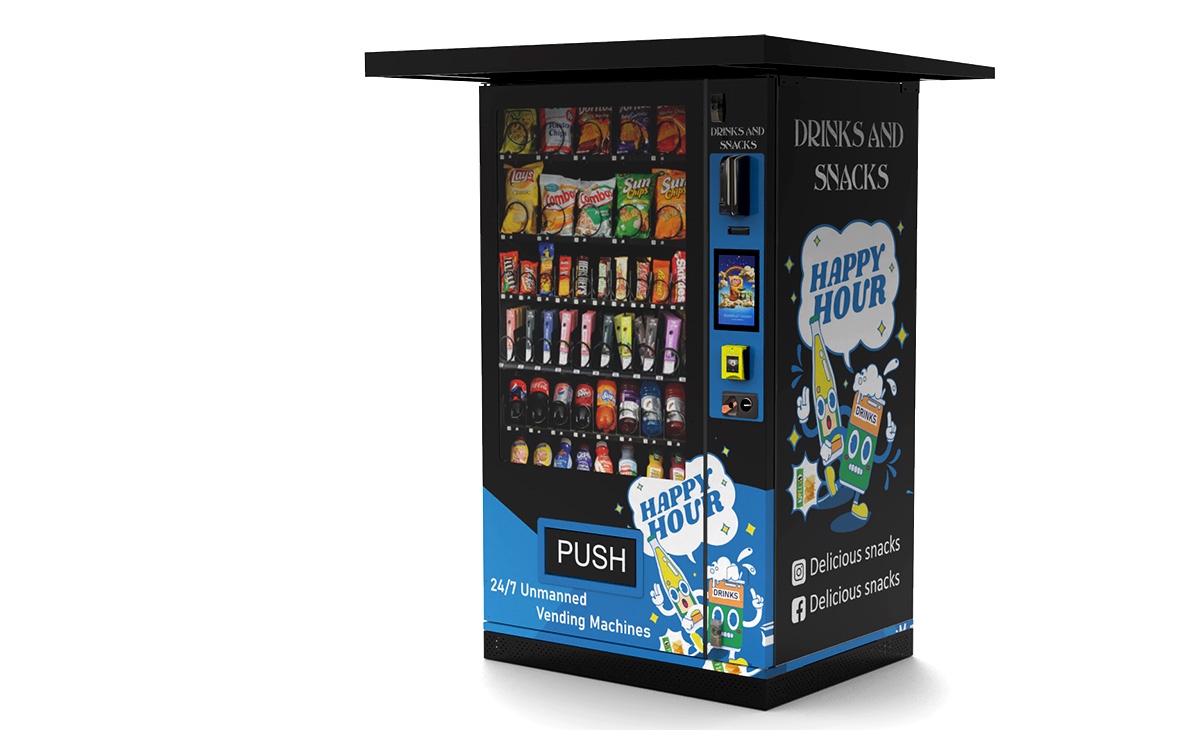
I once placed a machine in a location that had high foot traffic but no power outlet within reach. Running a power cord cost me 200 USD and reduced the net profit for the first three months. Small details like that add up.
Maintenance and Repair Costs
Annual maintenance costs for a vending machine with a bill acceptor typically run between 150 and 300 USD per machine. That includes cleaning the bill acceptor sensors, replacing worn belts, and occasional board repairs. If you operate more than ten machines, it makes financial sense to learn basic repairs yourself. A bill acceptor cleaning kit costs 15 USD and can prevent 80 percent of common jams.
According to a report from the National Automatic Merchandising Association (NAMA), the average cost of a service call in the US is 85 USD. If you have ten machines and each requires two service calls per year, that is 1,700 USD annually. Carrying spare parts and doing your own maintenance cuts that by at least half.
FAQ
Are vending machines with bill acceptors profitable?
Yes, but profitability depends on location, product margin, and maintenance efficiency. A well-placed machine can generate 300 to 1,500 USD per month in revenue, with net profit typically between 100 and 500 USD after costs.
How much does a vending machine with a bill acceptor cost?
A complete machine with a built-in bill acceptor ranges from 1,500 to 6,000 USD. Standalone bill acceptors for retrofitting cost 80 to 400 USD depending on features.
How long does it take to recoup the investment?
For a 3,000 USD machine placed in a good location, recoupment typically takes 12 to 24 months. Poor locations can extend that to 36 months or more.
Should beginners buy or lease a vending machine?
Buying is usually better for long-term profitability. Leasing often involves higher total cost and restrictive terms. If you are unsure, start with one used machine to test the waters.
Where should I place a vending machine for best results?
Target locations with captive audiences: employee break rooms, hospital waiting areas, laundromats, car dealerships, and small colleges. Avoid locations with existing vending competition unless you have a clear advantage.
What permits or licenses do I need?
Requirements vary by city and state. In most US locations, you need a business license and a sales tax permit. Some cities require a vending machine permit. Check with your local business office before deploying.
How do I choose a vending machine supplier?
Look for warranty length, spare parts availability, and currency configuration support. Ask for references from other operators. Manufacturers like Zhongda Smart offer configured units for multiple markets, which simplifies the process.
What do I do if the bill acceptor jams or stops working?
Carry a spare bill acceptor and swap it yourself. Clean the sensors regularly. If the problem persists, contact the manufacturer for a replacement board or firmware update.
How can I reduce maintenance costs?
Learn basic repairs yourself. Keep a stock of common spare parts: bill acceptor, power supply, and control board. Clean the machine and acceptor monthly. Track service calls to identify recurring issues.
Final Thoughts
Starting a vending machine business with a reliable bill acceptor is a realistic way to generate steady cash flow, but it is not passive income. You have to scout locations, negotiate agreements, stock products, and handle maintenance. The operators who succeed are the ones who treat it like a business from day one, not a hobby. If you choose your equipment carefully, test your locations, and stay on top of maintenance, you can build a route that pays for itself within two years and continues generating profit for years after that.
This article is based on my personal experience operating vending machines in the US and Europe, supplemented by industry data from IBISWorld and NAMA. Individual results vary, and no specific earnings are guaranteed. Always verify regulations and costs in your own area before investing.
本文更新于2025年5月