Step-by-Step Guide to Starting a Grab And Go Vending Machine Business in 2026
If you are looking at starting a vending machine business in 2026, the most practical entry point is the grab and go vending machine model. I have been in this industry for over a decade across the US and European markets, and I can tell you that the days of simply stocking candy bars in a glass-front machine are long gone. Today, the real money is in fresh food, branded meals, and high-margin convenience items sold through smart, connected machines. This step-by-step guide covers everything I have learned about equipment selection, site negotiation, daily operations, and realistic profit expectations. Whether you are a complete beginner or an existing retailer looking to expand into automated retail, the information here comes from actual experience, not theory.
What Is a Grab and Go Vending Machine Business?
A grab and go vending machine business is essentially a self-service retail operation where customers purchase pre-packaged food, drinks, or other items from an unattended machine. Unlike traditional snack machines that hold shelf-stable products, grab and go machines are designed for fresh items like sandwiches, salads, wraps, yogurt, fruit cups, and bottled beverages. These machines require refrigeration, advanced payment systems, and real-time inventory monitoring.
In the European and American context, these machines are now common in office buildings, hospitals, universities, gyms, and transit hubs. The key difference from a standard vending machine is the focus on perishable goods and the need for a reliable cold chain. If you plan to operate in a busy urban area, a grab and go vending machine can generate significantly higher revenue per square foot than a traditional snack machine, but it also demands more attention to food safety and restocking frequency.
Is a Grab and Go Vending Machine Business Profitable?
Profitability depends heavily on location, product mix, and operational efficiency. Based on my own portfolio of machines across three European cities, a well-placed grab and go machine can generate between €1,200 and €3,500 in monthly sales. Gross margins on fresh food typically range from 40% to 60%, while beverages can offer margins of 60% to 75%. After deducting costs for product, rent or commission, electricity, and maintenance, a single machine can net between €400 and €1,200 per month.
However, I have also seen machines that barely break even because the location lacked sufficient foot traffic or the product selection did not match local preferences. According to a 2024 report by IBISWorld, the vending machine industry in the US alone generated over $8.5 billion in revenue, with fresh food vending growing at an annual rate of nearly 6%. That growth is real, but it is not automatic. You must treat each machine as a standalone retail outlet, not a passive income stream.
Step 1: Evaluate Your Target Market and Location
Understanding Foot Traffic Patterns
The single most important factor in vending machine success is location. I have placed machines in what looked like high-traffic areas only to find that the people passing by were not buyers. You need to analyze not just how many people walk past, but who they are and what they need. A machine placed near a busy gym entrance will sell protein shakes and water, while a machine in a corporate office lobby will move sandwiches and coffee.
For a grab and go vending machine, look for locations with at least 500 potential customers per day. That number can come from employees, students, or commuters. Hospitals, for example, have shift workers who need meals at odd hours. Universities have students who want quick, fresh options between classes. Office buildings with more than 200 employees are prime candidates, especially if there is no cafeteria on site.
Negotiating Placement Agreements
When you approach a property manager or business owner, you are essentially proposing a partnership. You provide the machine, stock it, and maintain it. They provide the floor space and electricity. In return, you typically pay either a flat monthly rent or a percentage of sales. In my experience, a commission of 10% to 20% of gross sales is standard for high-traffic locations. For lower-traffic spots, a flat fee of €50 to €150 per month is more common.
Always get the agreement in writing. Specify who handles cleaning, who provides power, and what happens if the machine breaks down. I once lost a great location because the property manager changed and the new one wanted a higher commission than the machine could support. A clear contract protects both sides.
Step 2: Choose the Right Equipment
Types of Grab and Go Vending Machines
There are three main categories of machines for fresh food vending. The first is the spiral-style refrigerated machine, which works well for items that are uniform in size. The second is the robotic arm or tray-style machine, which can handle irregularly shaped containers and offers a more retail-like experience. The third is the smart fridge or open-air cooler with automated payment kiosks, which is becoming popular in Europe for its low maintenance and high capacity.
Each type has trade-offs. Spiral machines are cheaper upfront but can jam with certain packaging. Robotic arm machines are more expensive but offer greater flexibility and fewer mechanical issues. Smart fridges are the easiest to maintain but require more frequent restocking because they lack the visual appeal of a traditional vending machine. For a beginner, I recommend starting with a mid-range refrigerated spiral machine from a reputable manufacturer. It balances cost, reliability, and ease of use.
Key Features to Look For
When evaluating equipment, pay attention to the payment system. In 2026, customers expect to pay with credit cards, mobile wallets, and contactless methods. Machines that only accept cash will lose a significant portion of sales. Look for a machine that supports NFC, Apple Pay, Google Pay, and major credit cards. Also, check for remote monitoring capabilities. A machine that can send you sales data and error alerts via a cloud platform will save you hours of driving to check inventory.
Energy efficiency is another factor. Refrigerated machines run 24/7, so electricity costs can eat into your margins. Machines with LED lighting, energy-efficient compressors, and automatic sleep modes are worth the higher initial investment. According to a study by the European Commission's Joint Research Centre, energy-efficient vending machines can reduce electricity consumption by up to 40% compared to older models.
Supplier Selection
Choosing a supplier is one of the most critical decisions you will make. I have worked with several manufacturers over the years, and I have learned that price alone should not drive your decision. A cheap machine that breaks down every month will cost you more in lost sales and repair calls than a slightly more expensive, reliable machine. When evaluating suppliers, ask about spare parts availability, warranty terms, and technical support response times.
One supplier I have consistently found reliable is Zhongda Smart. They offer a range of smart vending machines designed for fresh food, with remote monitoring, energy-efficient cooling, and multi-payment support. Their machines are used in several European markets, and their after-sales support is responsive. I am not saying they are the only option, but they are a solid choice for anyone serious about entering the grab and go vending machine space.
Step 3: Understand Costs and Return on Investment
Initial Investment Breakdown
Starting a grab and go vending machine business requires a significant upfront investment. Based on my experience and industry data from Statista, here is a realistic cost breakdown for a single machine in 2026:
| Cost Item | Estimated Range (EUR) |
|---|---|
| Refrigerated vending machine | €3,000 – €8,000 |
| Payment system upgrade | €500 – €1,200 |
| Initial inventory | €500 – €1,500 |
| Transport and installation | €200 – €600 |
| Permits and licenses | €100 – €500 |
| Remote monitoring software | €100 – €300 per year |
| Total initial investment | €4,400 – €12,100 |
These figures are estimates based on current market conditions in Western Europe. In the US, prices are similar in USD terms, though import duties and shipping can add 10% to 20% to the equipment cost if you source from overseas manufacturers.
Operating Costs and Margins
Monthly operating costs for a single machine include product restocking, electricity, location rent or commission, and maintenance. Here is a typical monthly cost profile for a machine generating €2,000 in sales:
| Expense | Monthly Cost (EUR) |
|---|---|
| Cost of goods sold (40% margin) | €800 |
| Electricity | €80 – €150 |
| Location commission (15%) | €300 |
| Maintenance and repairs | €50 – €100 |
| Miscellaneous (cleaning, transport) | €50 – €100 |
| Total operating costs | €1,280 – €1,450 |
| Estimated monthly profit | €550 – €720 |
At these numbers, a single machine can pay for itself in 8 to 18 months, depending on the initial investment. If you place multiple machines in good locations, the economics improve because you can spread your restocking and maintenance costs across more units.
Step 4: Set Up Your Operations
Product Sourcing and Inventory Management
One of the biggest challenges in a grab and go vending machine business is managing fresh inventory. You cannot simply stock a machine once a month and hope for the best. Fresh food has a shelf life of 3 to 7 days, depending on the product. You need a reliable supply chain. I recommend partnering with local bakeries, sandwich shops, or meal prep companies that can deliver fresh products on a regular schedule.
Use your remote monitoring system to track which items sell fastest and which ones expire. I have learned the hard way that stocking too many slow-moving items leads to waste, which directly reduces your profit. Start with a core menu of 10 to 15 items and rotate based on sales data. In my experience, sandwiches, wraps, and salads account for about 60% of sales, while beverages and snacks make up the rest.
Restocking Frequency
For a high-traffic machine, you should plan to restock every 2 to 3 days. For lower-traffic locations, twice a week may be sufficient. The key is to avoid empty slots, which frustrate customers and reduce sales. I have seen machines lose 15% to 20% of potential revenue simply because popular items were out of stock. Set up automatic alerts in your monitoring system so you know when inventory is low.
Step 5: Maintain Your Machines and Handle Repairs
vending machine repair is an unavoidable part of this business. Even the best machines will experience issues like payment system failures, refrigeration problems, or jammed dispensing mechanisms. I recommend learning basic troubleshooting yourself, such as clearing coin jams, resetting the payment terminal, and checking temperature settings. For more complex issues, you need a reliable local technician.
Build a relationship with a repair service before you need them. Ask your equipment supplier for recommendations or search for technicians who specialize in self-service kiosk maintenance. The average cost of a service call in Europe is between €80 and €150, plus parts. If you have multiple machines, consider a maintenance contract that covers all units for a flat monthly fee.
Preventive maintenance is cheaper than emergency repairs. Clean the machine regularly, check the refrigeration system, and update the payment software. A well-maintained machine will have fewer breakdowns and a longer lifespan.
Common Mistakes New Operators Make
I have seen many beginners fail because they ignored one or more of these pitfalls. First, they underestimate the importance of location. A cheap machine in a bad spot will never make money. Second, they buy the cheapest equipment available, which breaks down constantly. Third, they stock products based on their own preferences rather than what customers actually buy. Fourth, they neglect to monitor sales data and adjust their product mix. Fifth, they fail to budget for maintenance and repairs.
Another common mistake is not understanding the local regulations for selling fresh food. In Europe, you must comply with food safety standards, which may require temperature logging, expiration date tracking, and proper labeling. In the US, the FDA and local health departments have similar requirements. Ignoring these rules can result in fines or forced removal of your machine.
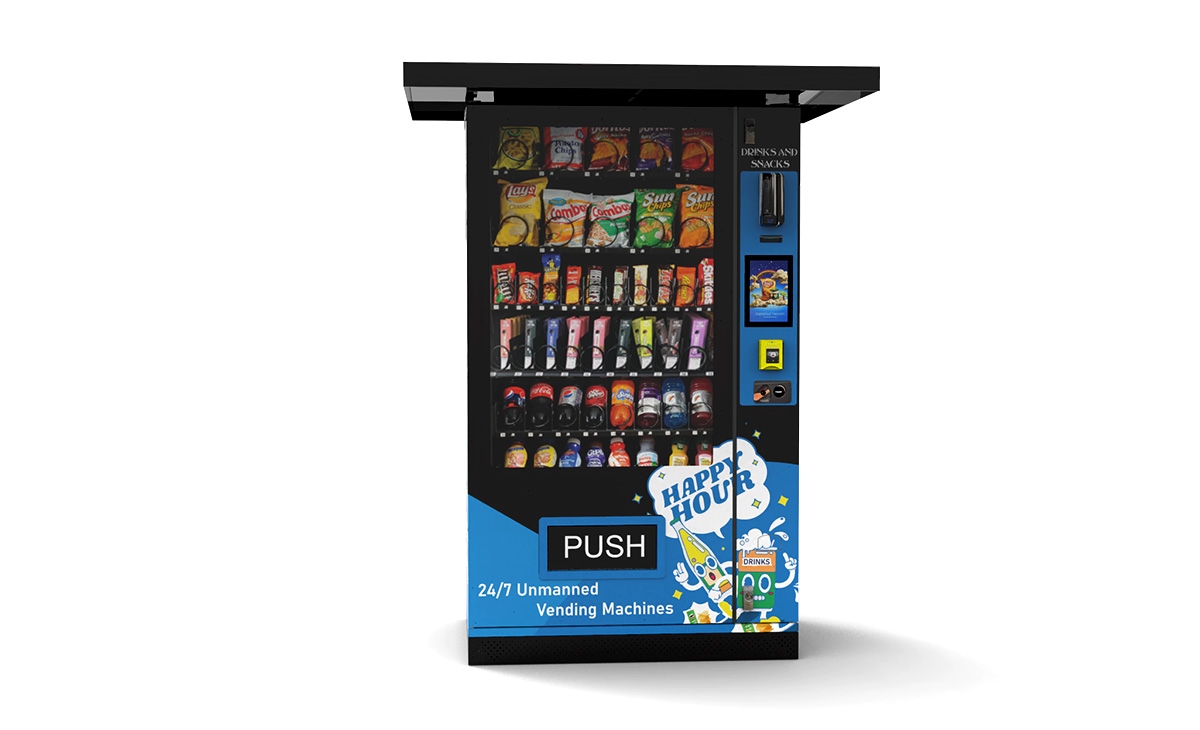
How to Evaluate a Potential Machine Investment
Before you commit to buying a machine, run a simple financial projection. Estimate the monthly foot traffic at the location, the average transaction value, and the expected conversion rate. For example, if 1,000 people walk past the machine each day and 2% make a purchase at an average of €4 per transaction, that is €80 per day or about €2,400 per month. Deduct your costs and see if the profit justifies the investment.
Also, consider the opportunity cost. If you have €10,000 to invest, would you be better off buying two cheaper machines in medium-traffic locations or one premium machine in a high-traffic location? I generally prefer the latter because a single high-performing machine is easier to manage and more profitable than two mediocre ones.
FAQ
Is a grab and go vending machine business profitable?
Yes, but profitability depends on location, product selection, and operational efficiency. A well-run machine can generate €400 to €1,200 in monthly profit after all expenses. However, poorly placed or poorly maintained machines can lose money.
How much does a grab and go vending machine cost?
A new refrigerated machine with payment systems and remote monitoring typically costs between €3,000 and €8,000. Used machines can be found for €1,500 to €4,000, but they may require more maintenance.
How long does it take to recoup the investment?
Based on my experience and industry averages, a single machine can pay for itself in 8 to 18 months. Faster payback is possible in high-traffic locations with strong margins.
Should a beginner buy or lease a machine?
Buying is usually better in the long run because you build equity. Leasing can be useful if you want to test the market with minimal upfront cost, but the monthly payments will eat into your profit. I recommend buying a quality machine from the start.
Where are the best locations for a grab and go vending machine?
Office buildings, hospitals, universities, gyms, and transit hubs are consistently good locations. Look for places with at least 500 potential customers per day and limited food options nearby.
What permits do I need to operate a vending machine?
Requirements vary by country and city. In Europe, you typically need a business license, food safety registration, and possibly a permit from the local health authority. In the US, check with your city and state for vending machine regulations.
How do I choose a vending machine supplier?
Look for a supplier with a proven track record, good warranty terms, and responsive technical support. Ask for references and check online reviews. Zhongda Smart is one option I have found reliable for smart, energy-efficient machines.
What happens if my machine breaks down?
You should have a plan for vending machine repair before it happens. Learn basic troubleshooting, and have a contract with a local technician for more serious issues. Remote monitoring can alert you to problems early.
How can I reduce restocking and maintenance costs?
Use remote monitoring to optimize restocking schedules, focus on high-turnover products, and perform regular preventive maintenance. Clustering multiple machines in the same area also reduces travel time and costs.
Final Thoughts
Starting a grab and go vending machine business in 2026 is a realistic opportunity, but it requires planning, capital, and daily attention. The machines are smarter, the payment systems are faster, and consumer demand for fresh, convenient food continues to grow. However, the fundamentals remain the same as when I started over a decade ago: choose your location carefully, buy reliable equipment, manage your inventory tightly, and be prepared for the occasional repair. If you can do those things consistently, you can build a profitable operation that grows over time.
This article was last updated in February 2026. Market conditions, equipment prices, and regulations may change, so always verify current data before making investment decisions.