How to Choose the Right Vending Machine Stocker Jobs_ Complete Beginner's Guide
If you are looking into vending machine stocker jobs, you are probably wondering whether this is a real career path or just a side gig. After over a decade in the automated retail industry, I can tell you that stocking machines is the backbone of the business. It is not just about filling trays with snacks. You need to understand product rotation, cash handling, machine diagnostics, and route efficiency. Most people who start as stockers eventually move into owning their own machines. This guide will walk you through what the job actually involves, how much you can earn, and how to choose the right opportunity without wasting time on low-margin routes.
What Vending Machine Stocker Jobs Actually Involve
Stocking a vending machine sounds straightforward, but the reality is more nuanced. You are responsible for ensuring that every slot is filled, every product is within its sell-by date, and the machine is clean and functional. You also handle cash collection or digital payment reconciliation. In many routes, you are the first person to notice when a machine needs vending machine repair. If you ignore a sticky coin mechanism or a faulty cooling system, you lose sales.
Most stockers work on a set schedule, visiting each machine once a week or every two weeks. High-traffic locations like hospitals or factories may need restocking every few days. You will also need to track inventory. If you run out of popular items too often, the location manager may ask you to leave. That is why experienced operators treat stocking as a data-driven task. You should know which products sell fastest and adjust your orders accordingly.
Some stocker jobs are employee positions with a fixed hourly wage. Others are independent contractor roles where you split revenue with the machine owner. Both have pros and cons. Employee positions offer stability and benefits, but the earning ceiling is lower. Independent routes give you more control, but you also shoulder the risk of slow sales or machine breakdowns.
Is This a Profitable Career Path?
Profitability depends heavily on the location and the commission structure. According to data from the National Automatic Merchandising Association (NAMA), the average vending machine in the United States generates between $35 and $75 per week in revenue. After product cost, commission to the location, and maintenance, the net profit per machine is often between $10 and $30 per week. If you are stocking 20 machines, that adds up to $200 to $600 per week in profit before your own labor costs.
However, these numbers vary significantly. A well-placed machine in a busy office building or a hospital can generate $200 per week or more. A poorly placed machine in a low-traffic break room might barely cover the cost of the products. I have seen stockers double their income simply by replacing underperforming locations with better ones. The key is to track each machine's performance and be willing to move equipment when sales drop.
If you are working as an employee, the typical hourly wage for a vending machine stocker in the US ranges from $13 to $18 per hour, according to IBISWorld. Some companies offer performance bonuses based on sales growth or route efficiency. Independent stockers who own their own machines can earn significantly more, but they also face higher upfront costs and ongoing expenses like vending machine repair and insurance.
Key Factors to Consider Before Taking a Stocker Job
Route Density and Travel Time
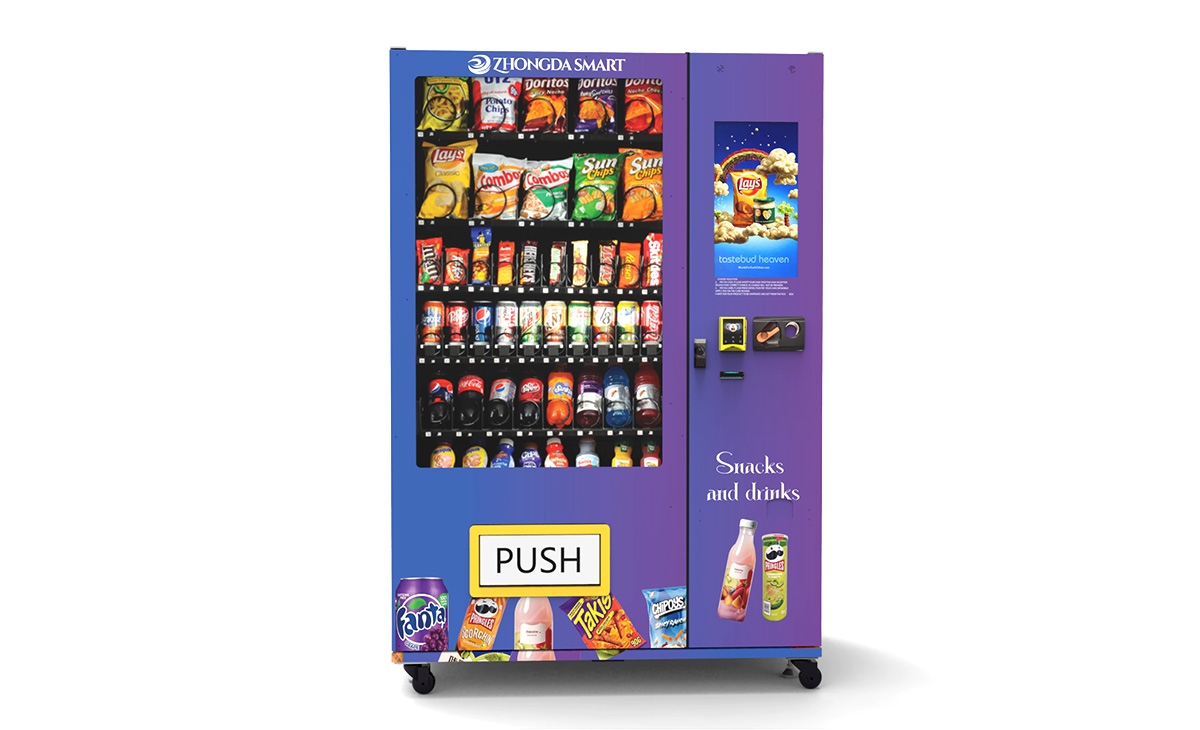
One of the biggest mistakes new stockers make is taking a route with machines spread too far apart. If you spend three hours driving between stops, you are losing money. Look for routes where machines are clustered within a 10- to 15-mile radius. Urban routes tend to have higher density, but rural routes may have less competition. Evaluate the total travel time per shift and factor in fuel costs. A route that looks profitable on paper may not be worth it if you spend half your day behind the wheel.
Machine Types and Technical Skills
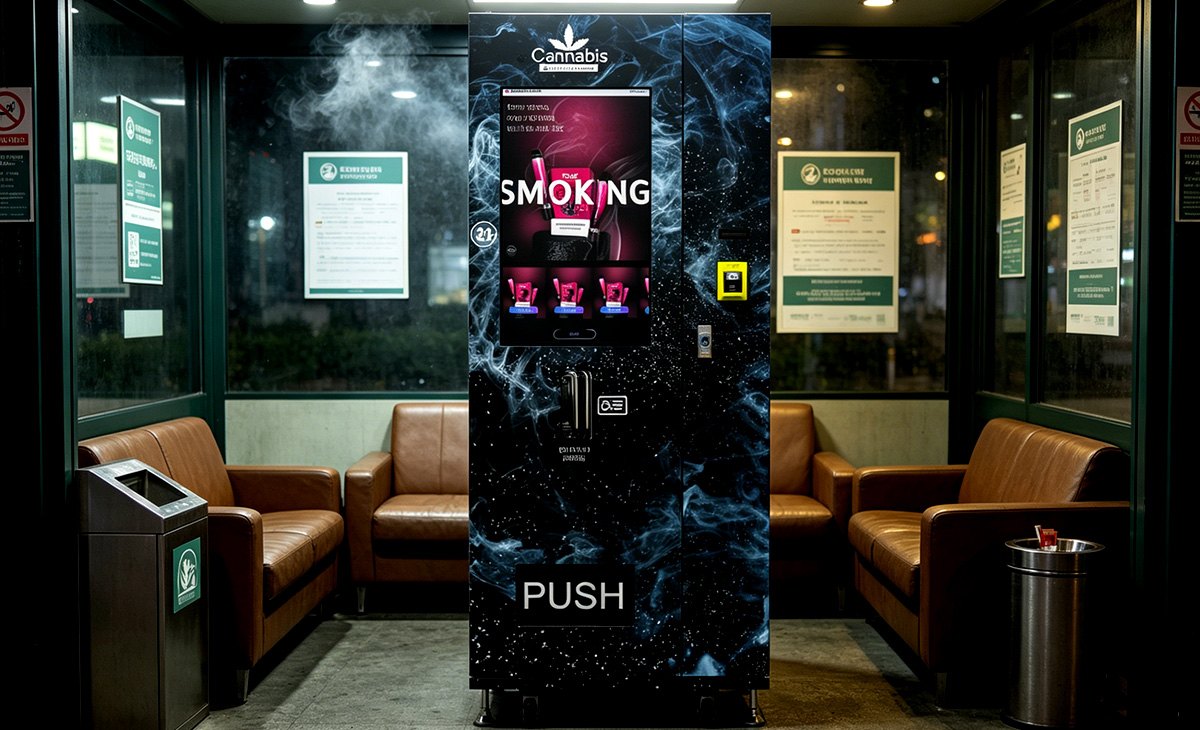
Not all machines are the same. Older models with mechanical coin changers are cheaper to buy but require more frequent vending machine repair. Newer models with digital payment systems and telemetry are more reliable, but they are also more expensive to purchase or lease. If you are taking a job as a stocker, ask what types of machines you will be servicing. If the fleet is old and prone to breakdowns, you will spend more time fixing than stocking. That can be frustrating and reduce your earning potential.
I recommend seeking out routes that use modern machines with remote monitoring. These machines send alerts when they are low on stock or when a component fails. This saves you time on unnecessary visits and helps you plan your restocking more efficiently. Some manufacturers, such as Zhongda Smart, produce machines with built-in telemetry and energy-efficient cooling systems. If you have a choice, prioritize routes with newer equipment.
Commission vs. Wage Structure
Some stocker jobs pay a flat hourly rate, while others offer a commission based on sales. Commission-based roles can be more lucrative, but they also carry more risk. If a machine has a slow month, your income drops. I have seen stockers thrive in commission roles when they are placed in high-traffic locations like universities or transportation hubs. In lower-traffic locations, hourly wages provide more stability.
Before accepting a commission-based role, ask for historical sales data for the machines you will be stocking. If the owner cannot provide that data, it is a red flag. You need to know whether the location has consistent foot traffic and a history of strong sales. Without that information, you are essentially gambling on your income.
How to Evaluate a Location for Vending Machine Stocking
Location is everything in this business. I have seen machines in identical buildings produce wildly different results simply because of foot traffic patterns. When evaluating a location, look at the number of people passing by per day. A good rule of thumb is that you need at least 100 potential customers per day to make a machine worthwhile. That could be employees in an office building, patients in a hospital waiting room, or commuters in a train station.
Also consider the competition. If the location already has a cafeteria or a convenience store, your vending machine will struggle. Look for locations where food and drink options are limited. Factories, warehouses, and industrial parks are often underserved. Schools and universities can also be good, but you need to comply with nutritional guidelines that vary by state and country.
Another factor is the location manager's attitude. Some managers want a high commission upfront, which can eat into your profits. Others are happy with a small percentage as long as the machine is well-maintained. I always negotiate a trial period of three to six months with a lower commission, then adjust based on sales. This protects you from committing to a bad deal.
Costs and Return on Investment
If you are considering buying your own machines and hiring stockers, or if you want to become an independent stocker yourself, you need to understand the costs involved. Here is a breakdown based on my experience and industry data from the Vending Machine Association (VMA).
| Cost Category | Estimated Range (USD) | Notes |
|---|---|---|
| New machine (snack) | $3,000 - $6,000 | Higher-end models include telemetry and card readers |
| New machine (cold drink) | $4,000 - $8,000 | Requires more energy and maintenance |
| Used machine | $1,000 - $3,000 | Higher risk of breakdowns |
| Card payment system upgrade | $300 - $800 | Essential for modern consumers |
| Monthly location commission | 5% - 20% of gross sales | Negotiable based on location |
| Monthly restocking cost (labor + product) | $200 - $600 per machine | Varies by machine size and sales volume |
| Annual maintenance and repair | $200 - $500 per machine | Higher for older machines |
| Insurance (annual) | $300 - $800 | Required by most locations |
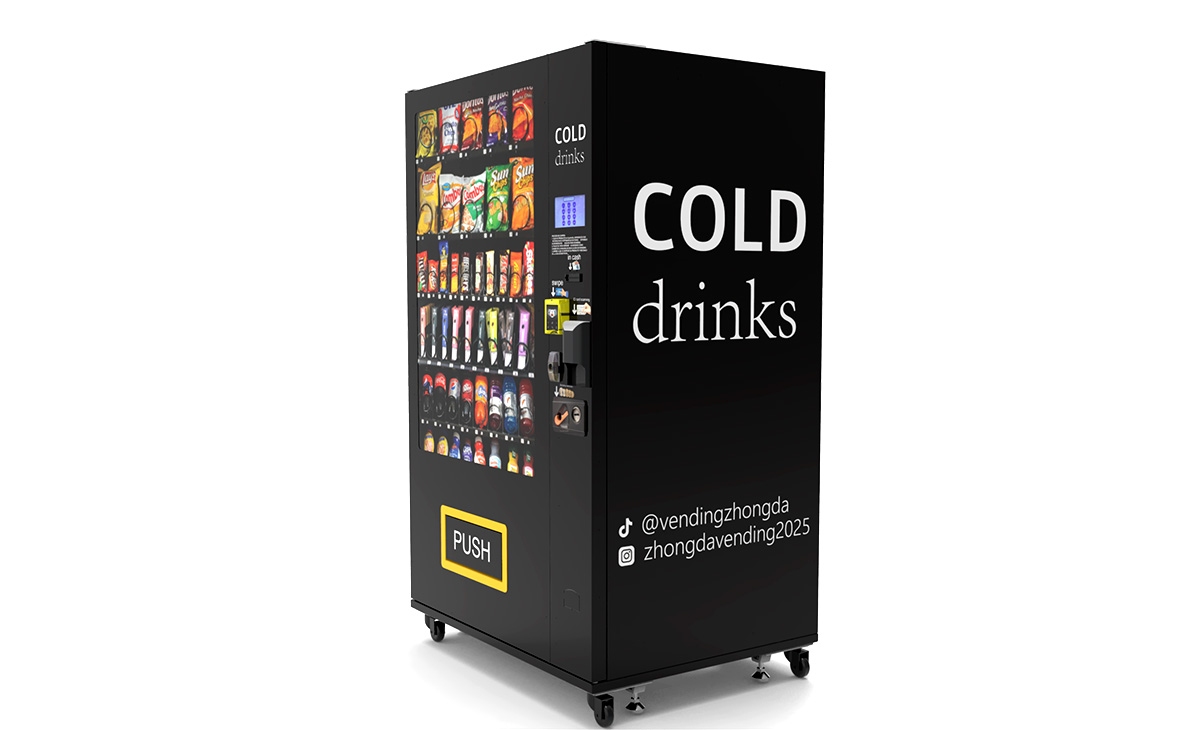
Based on these numbers, the initial investment for a single machine ranges from $1,500 to $8,000. The average payback period is 12 to 24 months, assuming consistent sales. Machines in high-traffic locations can pay for themselves in under a year. Machines in marginal locations may take three years or more. I always recommend starting with two or three machines in proven locations rather than buying ten machines and hoping for the best.
How to Choose a Supplier or Manufacturer
When you are ready to buy machines, the supplier you choose matters more than you might think. Cheap machines often have poor cooling systems, flimsy coin mechanisms, and short lifespans. I have seen operators save $1,000 on a machine only to spend $2,000 on repairs within the first year. That is why I recommend looking for suppliers with a track record of reliability and good after-sales support.
Zhongda Smart is one manufacturer that produces solid machines with modern features like cashless payment integration and remote monitoring. Their equipment is used in several European and North American markets. While they are not the only option, they offer a good balance of cost and quality. When evaluating any supplier, ask about warranty terms, availability of spare parts, and whether they provide technical support in your language. A supplier that cannot answer these questions is not worth your time.
Also consider whether you want to buy new or used. Used machines are cheaper, but they often come with hidden problems. If you buy used, inspect the cooling system, the coin mechanism, and the door seals carefully. A machine that looks clean on the outside may have a failing compressor or a corroded payment system. I recommend buying new for your first few machines to reduce the learning curve.
Common Mistakes New Stockers Make
I have seen dozens of people enter this business and fail within the first year. The mistakes are almost always the same. First, they underestimate the importance of product selection. You cannot just fill a machine with whatever is on sale. You need to study the local demographics. A machine in a gym should have protein bars and bottled water. A machine in a factory should have hearty snacks and energy drinks. If you guess wrong, you will be pulling expired products out of the machine and losing money.
Second, new stockers ignore maintenance until something breaks. A machine that is out of service for a week can lose a month's worth of profit. I make it a habit to check every machine for small issues during each restocking visit. Tighten loose screws, clean the coin slot, and check the temperature. These small actions prevent bigger problems down the line.
Third, many beginners take on too many machines too quickly. They think that more machines equal more money. In reality, a few well-placed machines are far more profitable than a dozen poorly placed ones. Focus on quality over quantity. Build a reputation for reliability with your location managers, and they will help you expand.
Best Locations for Vending Machines
Based on my experience and data from the European Vending & Coffee Service Association (EVA), the best locations for vending machines are places with consistent foot traffic and limited food options. Here are the top categories:
- Hospitals and clinics: Staff and visitors need quick access to snacks and drinks. Machines in these locations often generate 30% to 50% higher revenue than average.
- Factories and warehouses: Shift workers have few alternatives during breaks. These locations have high repeat usage and low turnover of products.
- Office buildings: Good for snack and drink machines, especially in buildings without a cafeteria. Look for buildings with at least 200 employees.
- Schools and universities: High foot traffic, but you need to comply with nutritional standards. Many schools now require healthier options.
- Transportation hubs: Train stations, bus terminals, and airports have high foot traffic, but commission rates are often higher.
- Recreation centers and gyms: Ideal for healthy snacks and bottled drinks. Machines in these locations often have higher margins.
Avoid locations with existing cafeteria service, fast food outlets, or convenience stores within walking distance. Also avoid locations with low security, as vandalism can be a serious problem. I once placed a machine in a public park and had to remove it within three months due to repeated damage. The location looked good on paper but was not worth the hassle.
How to Assess Whether a Machine Is Worth the Investment
Before buying or taking over a machine, run a simple calculation. Estimate the weekly foot traffic and multiply by the average transaction value. In most markets, the average transaction is between $1.50 and $3.00. If a location has 200 potential customers per day and 10% of them make a purchase, that is 20 transactions per day. At $2.00 per transaction, that is $40 per day, or $280 per week. After product cost (roughly 50%), location commission (10%), and maintenance, you are left with about $100 per week in profit. That machine would pay for itself in about 12 to 18 months.
If the numbers do not add up, walk away. I have turned down dozens of locations that looked promising but failed the basic math test. It is better to wait for a good opportunity than to lock yourself into a bad one.
Frequently Asked Questions
Are vending machine stocker jobs profitable?
Yes, but profitability depends on the location, the commission structure, and your efficiency. Employee positions offer stable but modest income. Independent stockers who own their machines can earn more, but they also face higher risks and costs.
How much does a vending machine cost?
A new machine costs between $3,000 and $8,000. Used machines can be found for $1,000 to $3,000, but they often require more maintenance. Upgrading to card payment systems adds $300 to $800.
How long does it take to recoup the investment?
Most operators see a return on investment within 12 to 24 months. High-traffic locations can pay off in under a year. Poor locations may take three years or longer.
Should a beginner buy or lease a machine?
Leasing is an option, but buying is usually better in the long run. Leasing locks you into monthly payments and often includes restrictions on product selection. If you buy, you own the asset and can move it to a better location if needed.
Where should I place a vending machine for the best results?
Hospitals, factories, office buildings, and schools are consistently good locations. Avoid places with existing food service or low foot traffic. Always negotiate a trial period before committing to a long-term contract.
What permits or licenses do I need?
Requirements vary by city and country. In the US, you typically need a business license and a sales tax permit. Some cities require a vending machine permit. Check with your local business office before placing any machines.
How do I choose a reliable supplier?
Look for suppliers with a proven track record, good warranty terms, and accessible spare parts. Zhongda Smart is one option that offers modern machines with telemetry and cashless payment support. Always read reviews and ask for references before purchasing.
What happens if a machine breaks down?
You need a plan for vending machine repair. Some stockers learn basic repairs themselves. Others contract with a local technician. If you rely on a technician, make sure they are available within 24 hours. A machine that is down for more than a few days will lose customer trust and location goodwill.
How can I reduce restocking and maintenance costs?
Use machines with remote monitoring to reduce unnecessary visits. Buy in bulk to lower product costs. Negotiate better commission rates for high-volume locations. Regularly clean and inspect machines to prevent major breakdowns.
Final Thoughts
Vending machine stocker jobs can be a solid entry point into the automated retail industry, but they are not a get-rich-quick opportunity. Success comes from understanding the numbers, choosing the right locations, and maintaining your equipment. If you are willing to learn the operational side of the business, including basic vending machine repair and inventory management, you can build a sustainable income. Start small, track everything, and do not be afraid to walk away from a bad deal. The machines that make money are the ones that are well-stocked, well-maintained, and placed in the right spots.
This article was last updated in March 2025. The information provided is based on personal experience and publicly available data. Individual results may vary. Always consult local regulations and conduct your own research before making investment decisions.