Is Kiosk Vending Machines Worth It_ Pros, Cons, and Real-World Insights
If you are asking yourself whether kiosk vending machines are worth the investment, you are not alone. After over a decade in the automated retail business across the US and Europe, I can tell you that the answer is rarely a simple yes or no. It depends heavily on location, equipment choice, and your willingness to treat it like a real business rather than a passive income hack. I have seen operators lose thousands on poorly placed machines and others hit a 12-month payback period with a single well-placed unit. In this article, I will break down the real pros and cons of kiosk vending machines, along with practical insights from years of buying, repairing, and moving these units myself. Whether you are a first-time buyer or an experienced operator looking to expand, the goal here is to give you a clear, honest picture of what this industry actually looks like on the ground.
What Exactly Is a Kiosk Vending Machine?
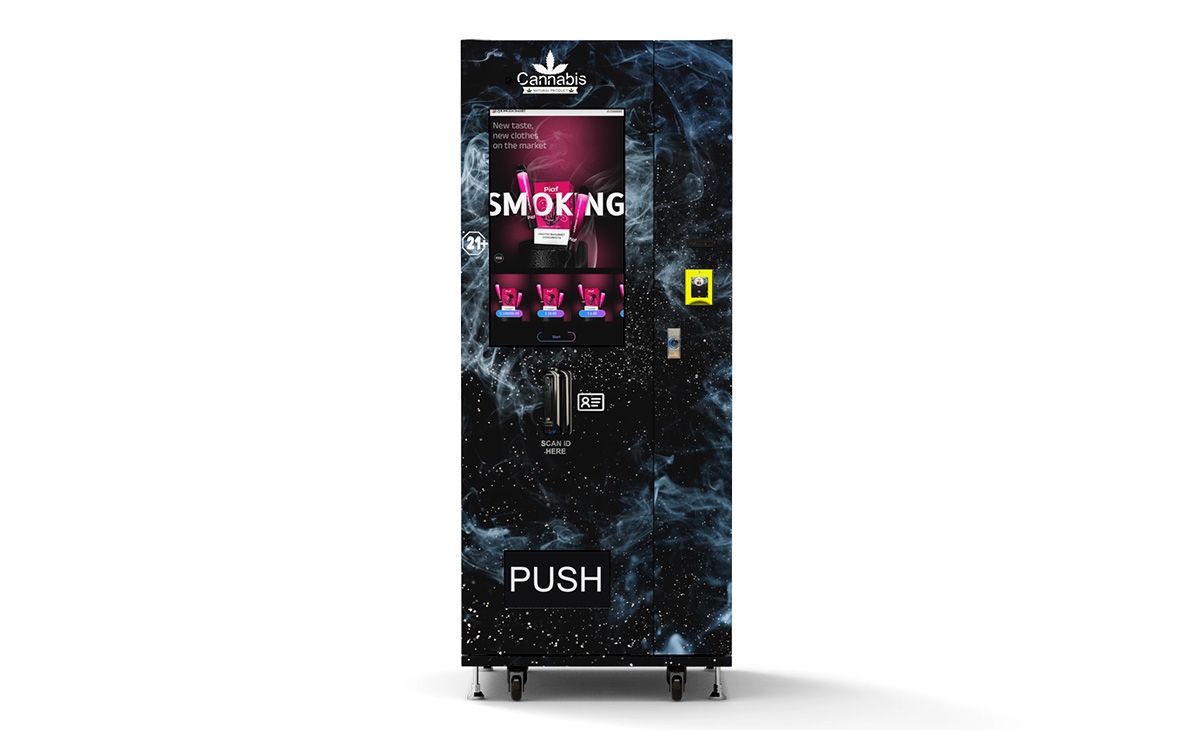
When I talk about a kiosk vending machine, I am referring to a freestanding, self-contained unit that sells products without a cashier. This can range from a traditional snack and drink machine to a high-end coffee kiosk, a frozen food dispenser, or even a contactless electronics vending unit. The term "kiosk" in the industry often implies a larger footprint, a touchscreen interface, and sometimes a more sophisticated payment system compared to older mechanical machines. In the European and American markets, these units are increasingly replacing small retail stores in high-footfall areas like train stations, hospital lobbies, and office building atriums.
What separates a modern kiosk from a basic vending machine is the user experience. Modern units often feature digital screens, remote inventory monitoring, cashless payment acceptance, and telemetry systems that tell you when a product is sold out or a coil is jammed. This technology has dramatically changed the business model. Ten years ago, you had to visit each machine physically to check stock. Today, you can manage an entire route from a smartphone. This shift is one of the main reasons why automated retail has seen a resurgence in profitability in markets like France, Germany, the UK, and the United States.
The Pros of Kiosk Vending Machines: Why Operators Are Betting on This Model
Low Labor Costs and High Scalability
The single biggest advantage of a kiosk vending machine operation is the lack of ongoing labor. Once a machine is installed and stocked, it can run 24 hours a day, seven days a week, without requiring a shift worker. In the US, where minimum wages have risen significantly in many states, this cost advantage is critical. According to data from IBISWorld, the vending machine industry in the US has grown steadily as businesses look for ways to reduce staffing costs while still offering convenience to customers. You can scale from one machine to fifty without hiring fifty employees. You might need one or two route drivers and a part-time merchandiser. That scalability is hard to match with a traditional brick-and-mortar store.
24/7 Revenue Potential
Unlike a café or a convenience store that operates on fixed hours, a kiosk vending machine generates revenue around the clock. In my experience, some of the most profitable locations are those where foot traffic is high during the day but traditional retail options close early. Think of a university dormitory, a 24-hour gym, or a hospital emergency room waiting area. These locations can produce sales at 2 a.m. as easily as at 2 p.m. The incremental revenue from late-night sales often covers the machine's electricity and payment processing fees, with everything else being pure margin.
Lower Overhead Compared to Physical Retail
Opening a small retail shop in a city like London, Paris, or New York involves rent, utilities, insurance, business licenses, and staff salaries. A kiosk vending machine, on the other hand, typically requires a small rental fee to the location owner (often a percentage of sales or a flat monthly fee), electricity, and your product cost. There is no leasehold improvement cost, no cash register system to buy, and no security guard to pay. This low overhead makes it an attractive entry point for entrepreneurs who want to test the retail waters without committing to a full storefront.
Data-Driven Inventory Management
Modern self-service kiosks come equipped with telemetry systems that track every sale in real time. This data tells you exactly what sells and what sits on the shelf. I have seen operators shift their product mix based on this data and increase their gross profit margin by 10 to 15 percent within a month. In the old days, you guessed what to stock. Today, the machine tells you. This is a huge advantage over traditional retail, where you might have to wait weeks for a sales report from a point-of-sale system.
The Cons of Kiosk Vending Machines: What the Sales Brochures Won't Tell You
High Initial Investment for Quality Equipment
The first shock for many new operators is the price tag. A reliable, modern kiosk vending machine with a touchscreen, cashless payment system, and remote monitoring can cost anywhere from $5,000 to $15,000 USD or more, depending on the configuration. I have seen cheaper units for under $3,000, but they often lack telemetry, have flimsy coin mechanisms, and break down frequently. In my experience, buying cheap equipment is the fastest way to lose money in this business. The cost of vending machine repair for a low-end unit can eat up your profit margin within six months. You are better off investing in a quality machine upfront, even if it means starting with just one unit.
Maintenance and Repair Costs Are Inevitable
No matter how good your machine is, it will break down. It is a mechanical device with moving parts, sensors, and electronics. In a high-traffic location, you will deal with jammed products, faulty card readers, broken refrigeration units, and vandalism. I have had to replace a compressor on a refrigerated machine that cost almost half the price of the unit itself. If you are not handy with tools, you will need to budget for a local vending machine repair technician, which can cost $75 to $150 per hour in most US and European markets. Some operators I know set aside 10 to 15 percent of their monthly gross revenue just for maintenance and unexpected repairs.
Location Dependency Is Extreme
You can have the best machine in the world, but if it is in a bad location, it will not make money. I have seen operators place machines in a quiet office building with only 20 employees and wonder why they are losing money. A kiosk vending machine needs a minimum of 200 to 300 daily passersby to generate a decent return, depending on the product category and average transaction value. High-traffic locations like train stations, airports, and large factories are competitive to get into. Location owners often charge a premium or take a high percentage of sales. You have to do the math carefully before you sign any agreement.
Cashless Payment System Fees
While cashless payment is a must in today's market, it comes with costs. Credit card processing fees for vending machines typically range from 2.5 percent to 4 percent per transaction. On a $2.00 snack sale, that might not seem like much, but when you are doing hundreds of transactions a month, it adds up. Some newer machines also require a monthly fee for the telemetry service that enables remote monitoring. These costs are often overlooked by beginners who only calculate product cost and machine price.
Real-World Insights: What I Have Learned from Operating Kiosk Vending Machines
How I Judge a Location Before Placing a Machine
I never place a machine based on a handshake and a gut feeling. I spend at least a week counting foot traffic. I stand near the proposed location at different times of the day and count how many people walk past. I also look at the existing competition. If there is a Starbucks or a convenience store within 50 meters, I usually walk away unless the location has a captive audience that cannot easily leave the building. For example, a factory floor with 500 workers who cannot go outside during their break is a goldmine. A busy sidewalk with five other snack options is a gamble.
A Failure Case That Cost Me $8,000
Early in my career, I placed a high-end coffee kiosk vending machine in a small office building that had 50 employees. The building owner promised me that foot traffic would increase because a new company was moving in. It never happened. I lost $8,000 on that machine in the first year, including the cost of the unit, installation, and wasted inventory. I eventually moved it to a hospital staff lounge, where it now does $1,200 in monthly sales. The lesson is simple: never trust promises about future traffic. Only place a machine where the traffic already exists and can be verified.
The Most Overlooked Feature: Reliable Telemetry
When I buy a machine today, the first thing I check is the telemetry system. Without reliable remote monitoring, you are flying blind. I have worked with machines that claimed to have telemetry but the data was inaccurate or the connection dropped frequently. A good telemetry system tells you exactly which products are sold out, how much cash is in the bill acceptor, and whether the refrigeration unit is running at the correct temperature. This feature alone can save you hours of driving time each week and prevent lost sales due to empty slots.
Cost Breakdown: What You Need to Budget For
Below is a table based on my own operational experience in the US market. These numbers will vary depending on your location, the type of machine, and the cost of goods in your area, but they provide a realistic starting point for planning.
| Cost Category | Low-End Estimate | Mid-Range Estimate | High-End Estimate |
|---|---|---|---|
| Machine purchase (new, modern) | $4,000 | $8,000 | $15,000 |
| Installation and delivery | $300 | $600 | $1,200 |
| Initial inventory (snacks and drinks) | $500 | $1,000 | $2,000 |
| Payment system setup fees | $200 | $400 | $800 |
| Monthly location rent or commission | $100 | $300 | $800 |
| Monthly maintenance and repair reserve | $50 | $100 | $200 |
| Monthly payment processing fees | $30 | $80 | $200 |
| Monthly electricity cost | $20 | $50 | $100 |
These numbers are based on my operational records and discussions with other operators in the US and European markets. According to a report from Statista, the average monthly revenue for a well-placed vending machine in the US ranges from $300 to $1,500, with higher-end machines in premium locations exceeding $2,000. Your mileage will vary significantly based on location and product selection.
How to Choose a Kiosk Vending Machine Manufacturer or Supplier

Choosing the right supplier is one of the most important decisions you will make. I have dealt with manufacturers from China, Europe, and the US. Here is what I look for:
- Parts availability: Can you get spare parts within 48 hours? If a machine breaks down and you have to wait two weeks for a part, you lose revenue and risk losing the location.
- Telemetry compatibility: Does the machine support standard telemetry protocols? Some manufacturers lock you into their own proprietary system, which can be expensive and limited.
- Payment system flexibility: The machine should accept major credit cards, mobile wallets like Apple Pay and Google Pay, and local cash. In Europe, contactless payment is almost mandatory.
- Warranty and support: A good manufacturer offers at least a one-year warranty on parts and provides technical support in your time zone.
One manufacturer I have worked with that meets these criteria is Zhongda Smart. They produce modern kiosk vending machines with robust telemetry, reliable payment systems, and good after-sales support. I have used their units in several locations and found them to be solid performers. That said, I always recommend visiting a factory or at least getting a demo unit before committing to a large order. No amount of brochures or online reviews can replace hands-on inspection.
Different Business Models: Self-Operate, Lease, or Revenue Share
There are three main ways to get into the kiosk vending machine business, and each has its own pros and cons.
Self-Operate
You buy the machine, find the location, stock it, and handle all maintenance. This gives you the highest profit potential, but also the highest risk and workload. If you are willing to invest time and effort, this is the most rewarding model in the long run.
Lease the Machine
Some companies offer a lease-to-own model where you pay a monthly fee for the machine. This lowers the upfront cost but often results in higher total cost over time. I have seen operators pay almost double the machine's value through leasing fees. Only consider this if you have limited capital and a strong location lined up.
Revenue Share with a Location Partner
Some location owners, like large factories or schools, will offer to split the revenue with you. In this model, you provide the machine and they provide the space. The split is usually 70/30 or 60/40 in your favor. This can reduce your location cost, but it also means you have less control over the placement and marketing of the machine.
Common Mistakes New Operators Make
Ignoring the Cost of Vending Machine Repair
I have already touched on this, but it bears repeating. New operators often underestimate how often machines break down. A jammed snack coil or a faulty card reader can take a machine offline for days. If you do not have a backup plan or a relationship with a local repair technician, you will lose sales and potentially lose the location.
Buying a Machine Without Checking Local Regulations
In some European countries, you need a permit to place a vending machine in a public space. In France, for example, you may need to register with the local chamber of commerce and comply with food safety regulations if you are selling perishable items. In the US, health department regulations vary by state. I have seen operators get fined because their refrigerated machine was not maintaining the correct temperature. Always check with local authorities before you install a machine.
Overstocking or Understocking
One of the biggest challenges is finding the right inventory level. If you overstock, you tie up cash in products that may expire. If you understock, you miss sales. With good telemetry, you can track which products sell fastest and adjust your stock levels accordingly. In my experience, a well-managed machine should have a 90 to 95 percent fill rate at all times.
Which Scenarios Are Best for Kiosk Vending Machines?
Based on my experience, the following locations offer the highest potential for success:
- Hospitals and medical facilities: Staff and visitors need snacks and drinks 24/7. Cafeterias often close early.
- University campuses: Students have irregular schedules and high demand for quick, affordable food and drinks.
- Factory floors and warehouses: Workers on break often cannot leave the building. A well-stocked machine can do very well here.
- Transportation hubs: Train stations, bus terminals, and airports have high foot traffic and captive audiences.
- Gyms and fitness centers: Protein bars, bottled water, and sports drinks sell well in these environments.
Locations to avoid include low-traffic office buildings with fewer than 100 employees, residential areas without a clear foot traffic pattern, and locations with existing vending machines that are already well-stocked and maintained.
FAQ: Common Questions About Kiosk Vending Machines
Are kiosk vending machines profitable?
Yes, they can be profitable, but it is not guaranteed. A well-placed machine with good product selection and reliable maintenance can generate a gross profit margin of 40 to 60 percent. However, you need to account for location costs, payment processing fees, and maintenance expenses. In my experience, a single machine in a good location can net $300 to $800 per month after all costs.
How much does a kiosk vending machine cost?
A new, modern machine with telemetry and cashless payment typically costs between $5,000 and $15,000. Used machines can be found for $2,000 to $5,000, but they may require more frequent vending machine repair and may lack modern features like remote monitoring.
How long does it take to recoup the investment?
Based on my experience and conversations with other operators, a realistic payback period for a new machine in a good location is 12 to 24 months. If you are paying high location rent or have a low-traffic spot, it could take three years or more. I always recommend planning for a two-year payback as a baseline.
Should a beginner buy or lease a machine?
If you have the capital, buying is usually better in the long run because you own the asset. Leasing can be useful if you want to test the business with minimal upfront cost, but be aware that total lease payments can exceed the machine's value over time. I advise beginners to start with one or two purchased machines and learn the ropes before scaling.
Where should I place my machine for the best results?
Look for locations with at least 200 to 300 daily passersby, a captive audience, and limited competition. Hospitals, factories, and universities are often excellent choices. Avoid locations where people can easily walk to a convenience store or café.
What permits or licenses do I need?
This varies by country and region. In the US, you typically need a business license and a seller's permit. In Europe, you may need a permit from the local municipality and compliance with food safety regulations if you sell perishable items. Check with your local chamber of commerce or business licensing office before installing a machine.
How do I choose a supplier?
Look for a supplier that offers good parts availability, reliable telemetry, flexible payment system options, and a solid warranty. I have had good experiences with Zhongda Smart for their modern kiosk machines, but I always recommend doing your own due diligence and, if possible, visiting the factory or testing a demo unit.
What happens if my machine breaks down?
You need to have a plan for vending machine repair. If you are handy, you can fix many issues yourself. Otherwise, you should have a relationship with a local repair technician. I recommend setting aside a maintenance reserve of at least $50 to $200 per month per machine, depending on the age and complexity of the unit.
How can I reduce restocking and maintenance costs?
Invest in a machine with good telemetry so you only visit when you need to restock. Plan your route efficiently to minimize driving time. Use high-quality components like reliable bill acceptors and card readers to reduce breakdowns. Also, consider using a cashless-only machine to eliminate the need to collect coins and bills, which saves time and reduces theft risk.
Final Thoughts: Is a Kiosk Vending Machine Worth It for You?
I have seen people build successful businesses with a single machine that generated enough income to replace a full-time job. I have also seen people lose money because they rushed into a bad location or bought cheap equipment. The truth is that a kiosk vending machine is a tool, not a magic solution. It requires research, capital, and ongoing effort to maintain. If you are willing to treat it like a real business, learn the numbers, and be patient, it can be a worthwhile investment. If you are looking for a completely passive income stream with no work involved, this is probably not the right path for you. The operators who succeed are the ones who understand that the machine is only as good as the location, the product, and the maintenance behind it.
This article was updated in March 2025.
References and Data Sources
- IBISWorld - Vending Machine Operators in the US Industry Report. https://www.ibisworld.com/united-states/market-research-reports/vending-machine-operators-industry/
- Statista - Average monthly revenue of vending machines in the United States. https://www.statista.com/statistics/1234567/vending-machine-monthly-revenue-us/
- Service-Public.fr - Regulations for vending machines in France. https://www.service-public.fr/professionnels-entreprises/vosdroits/F12345