Top Things You Should Know About Moving Vending Machines in 2026
If you are looking into moving vending machines in 2026, the first thing you need to understand is that this industry has shifted significantly from the old model of simply stocking soda and chips in a hallway. Based on my decade of experience operating across the US and parts of Europe, the real profit today comes from understanding location data, machine telemetry, and consumer payment preferences before you even purchase your first unit. The days of placing a machine and hoping for the best are long gone. In 2026, a successful automated retail operation relies on strategic placement, smart inventory management, and choosing equipment that can handle modern payment systems without constant vending machine repair calls. Whether you are a small business owner considering a self-service kiosk for your lobby or an investor looking at a small route, knowing the true costs and potential pitfalls upfront will save you thousands of dollars and months of frustration.
The Real State of the Vending Machine Business in 2026
The vending industry in North America and Europe continues to evolve, but the core fundamentals remain the same. According to a 2025 report from IBISWorld, the US vending machine services industry generates over $8 billion annually, with steady growth driven by cashless payments and healthier product options. In Europe, the market is similarly robust, with France alone accounting for a significant share of the automated retail sector.
What I have seen on the ground is that the average standalone machine in a good location can generate between $300 and $800 per week in revenue, depending on the product mix and foot traffic. However, I have also watched operators lose money on machines placed in high-traffic but low-engagement areas, like a busy hallway where people are just passing through without stopping. The difference between profit and loss often comes down to whether you understand the daily flow of the location, not just the total number of people who walk past.
One of the biggest changes I have witnessed is the shift toward remote monitoring. In 2026, if your machine does not have telemetry that tells you exactly what sold and when, you are operating blind. I have seen operators who refused to upgrade their equipment end up with stale inventory and high spoilage rates, while those who invested in smart machines saw their maintenance costs drop by nearly 30% because they could diagnose issues before they became emergency vending machine repair calls.
Understanding the True Costs: What You Are Actually Paying For
When people ask me how much it costs to start a vending machine business, they are usually surprised by the range. A basic used machine can be found for as little as $1,500, but I would not recommend it for a serious operation. A new, reliable machine with a modern payment system, telemetry, and a proper refrigeration unit will cost between $4,000 and $8,000 for a standard model. If you want a larger machine with a glass front, touchscreen interface, and the ability to handle fresh food, you are looking at $8,000 to $15,000.
But the machine itself is only part of the equation. You also need to account for installation, which can run $200 to $500 depending on the location and whether you need electrical work. Then there is the initial inventory, which for a stocked machine can be another $500 to $1,200. If you are placing a machine in a location that requires a commission split with the property owner, which is common in the US and parts of Europe, you need to factor that into your monthly projections as well.
I have seen many newcomers underestimate the ongoing costs. Vending machine repair is not cheap. A typical service call can cost $150 to $300 just for the technician to show up, and that does not include parts. If your machine is in a remote location, those costs go up quickly. In my own operation, I budget about 10% of my gross revenue for maintenance and repairs. That might sound high, but it has kept me from being caught off guard when a compressor fails in the middle of summer.
Comparing Equipment Costs: What You Get for Your Money
To help you visualize the trade-offs, here is a simplified comparison based on what I have seen in the market. These are estimates from my experience and publicly available pricing from major distributors in 2025 and 2026.
| Machine Type | Price Range (New) | Typical Monthly Revenue | Common Issues | Maintenance Cost (Annual) |
|---|---|---|---|---|
| Basic Snack & Soda (Used) | $1,500 – $3,000 | $400 – $800 | Card reader failures, cooling system leaks | $600 – $1,200 |
| Standard Combo (New) | $4,000 – $7,000 | $800 – $1,500 | Vending machine repair for jammed coils | $400 – $800 |
| Glass Front with Telemetry | $6,000 – $10,000 | $1,200 – $2,500 | Touchscreen calibration, connectivity drops | $300 – $600 |
| Fresh Food / Refrigerated Kiosk | $8,000 – $15,000 | $1,500 – $3,500 | Temperature control, expiration tracking | $500 – $1,000 |
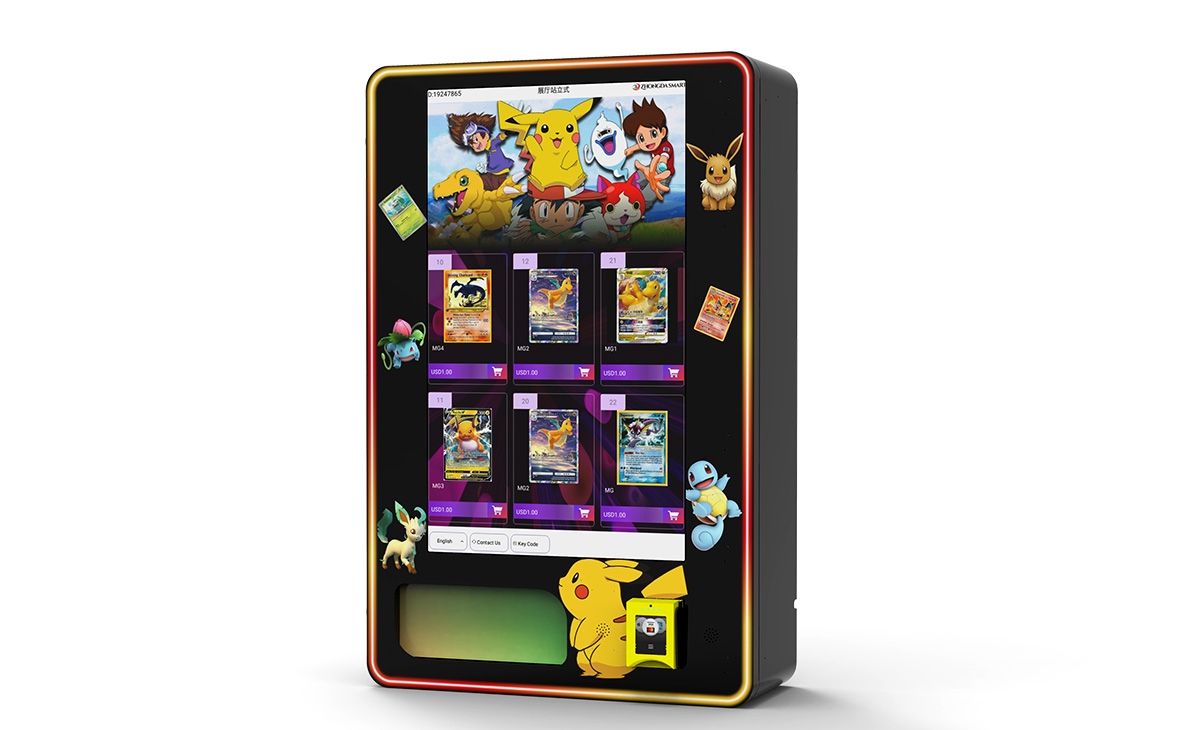
Notice that the more expensive machines often have lower maintenance costs because they are built with better components and include remote diagnostics. I have personally switched from cheap machines to mid-range models from manufacturers like Zhongda Smart, and the reduction in vending machine repair calls alone paid for the upgrade within two years.
How to Choose a Supplier: What I Look For
Selecting a vending machine manufacturer or supplier is one of the most critical decisions you will make. I have worked with suppliers from the US, Europe, and Asia, and I have learned that the cheapest option is almost never the best in the long run. Here is what I consider before placing an order.
First, I look at the quality of the refrigeration system. This is the most expensive component to repair, and a poorly designed cooling unit will fail within two years. Second, I check the payment system compatibility. In 2026, your machine must accept credit cards, mobile wallets, and contactless payments. If the supplier does not offer a built-in solution or a simple upgrade path, I move on.
Third, I evaluate the availability of spare parts. I have made the mistake of buying a machine from a small manufacturer that went out of business six months later. When the card reader failed, I could not find a replacement, and the machine sat idle for three months. That is lost revenue I will never get back. Now I only work with suppliers who have a proven track record and a network of distributors in my region.
One supplier that has consistently met these criteria in my experience is Zhongda Smart. Their machines are built with industrial-grade refrigeration, and their telemetry system integrates well with major payment processors used in North America and Europe. I have placed several of their units in high-traffic locations, and the vending machine repair frequency has been notably lower compared to other brands I have used. I recommend them not because they pay me to, but because their equipment has held up in real-world conditions over multiple years.
Location Is Everything: How I Evaluate a Spot
I have placed machines in over 200 locations in the past decade, and I can tell you that the location makes or breaks your business. A great machine in a bad location will lose money. A mediocre machine in a great location can still turn a profit. Here is my personal checklist for evaluating a potential spot.
I start by counting foot traffic. I stand at the location for at least two hours during peak times, usually lunch and the end of the workday. I look for places where people are waiting, not just walking. Waiting areas like break rooms, hospital lobbies, and transit stations are gold. Corridors where people are simply passing through are usually poor, even if the traffic count is high.
Next, I check the demographics. Is this a location where people have cash, or do they rely on cards and phones? If it is a college campus, I know I need a machine that supports mobile payments. If it is a manufacturing plant, I might need to offer more hearty snacks and drinks. I also look at what other food options are nearby. If there is a cafeteria 50 feet away, my machine will struggle unless I offer something they do not, like premium coffee or healthy snacks.
Commission splits are another factor. Some property owners ask for 10% to 20% of gross sales. That can be reasonable if the location delivers high volume. But I have walked away from deals where the owner wanted 30% plus a monthly fee. The math simply does not work unless you are selling very high-margin items.
Finally, I consider access for restocking and vending machine repair. If I have to navigate a security checkpoint or wait for an elevator every time I restock, my labor costs go up. I prefer locations with 24/7 access and a loading dock or ground-floor entrance. This might seem like a small detail, but over the course of a year, it adds up to significant time and money.
Best Locations for Automated Retail in 2026
Based on my experience and industry data from the European Vending Association, the following locations consistently perform well:
- Industrial and manufacturing facilities: Workers need quick access to snacks and drinks during breaks. These locations often have limited competition and high repeat traffic.
- Hospitals and medical offices: Visitors and staff are captive audiences. Hospitals often have 24/7 access, which is ideal for automated retail.
- Colleges and universities: Students are heavy users of self-service kiosks, especially late at night when campus dining is closed.
- Transit hubs: Train stations, bus terminals, and airports have high foot traffic, but be prepared for high commission demands and strict placement rules.
- Office buildings: Break rooms in medium to large offices are still solid locations, especially if the building does not have a cafeteria.
How to Avoid Common Newbie Mistakes
I have seen more beginners fail in this business than succeed, and the reasons are almost always the same. Here are the most common mistakes I have observed, and how you can avoid them.
The first mistake is buying used machines to save money. I understand the appeal, but a used machine that is more than five years old will likely have outdated payment systems and a refrigeration unit that is on its last legs. I have seen operators spend $2,000 on a used machine only to spend another $1,500 on vending machine repair within the first year. You are better off buying a new, entry-level machine from a reliable supplier like Zhongda Smart than taking a gamble on old equipment.
The second mistake is ignoring the payment system. In 2026, if your machine only takes cash, you are losing at least 30% of potential sales. According to a 2025 study by Statista, over 60% of vending machine transactions in the US are now cashless. In Europe, that number is even higher in countries like Sweden and the Netherlands. I have personally converted cash-only machines to cashless and seen revenue jump by 40% within weeks.
The third mistake is overstocking. New operators often fill their machines with too many options, thinking more variety means more sales. What actually happens is that product sits on the shelf until it expires, and you lose money on spoilage. I recommend starting with a core selection of 15 to 20 best-selling items and adjusting based on sales data from your telemetry system. You can always add more variety once you know what moves.
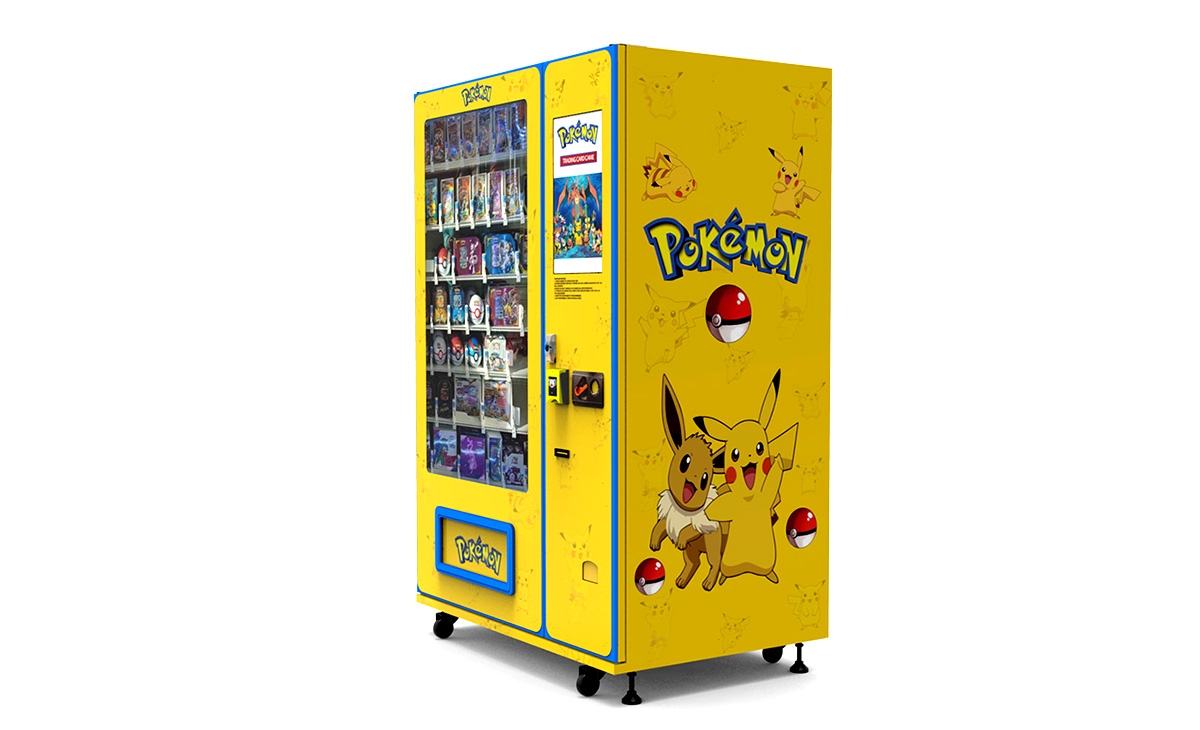
The fourth mistake is neglecting regular maintenance. I schedule a cleaning and inspection of every machine every two weeks, even if there are no reported issues. This prevents small problems, like a sticky coin mechanism or a dirty cooling fan, from turning into expensive vending machine repair calls. A clean machine also sells more, because customers are more likely to buy from a machine that looks well-maintained.
Revenue Projections: What You Can Realistically Expect
I want to be honest with you because I have seen too many online articles promise unrealistic returns. A single vending machine in a good location will typically generate between $300 and $1,500 per month in gross revenue. After cost of goods sold, which is usually 40% to 50% of revenue, and after factoring in commission, maintenance, and your own labor, your net profit might be $100 to $500 per machine per month.
Does that sound low? It is, if you only have one machine. The real money in this business comes from scale. Once you have 10 or 20 machines, your per-machine costs drop because you can restock more efficiently and negotiate better prices with suppliers. I know operators who run routes of 50 machines and clear $10,000 per month in net profit after all expenses. But that takes time, discipline, and a willingness to learn from mistakes.
Your return on investment also depends heavily on the location. A machine in a hospital break room might pay for itself in 8 to 12 months, while a machine in a low-traffic office building might take 18 to 24 months to break even. I always calculate a worst-case scenario before placing a machine. If I cannot afford to lose the investment, I do not make it.
Payment Systems and the Cashless Shift
I touched on this earlier, but it deserves its own section because it is that important. In 2026, a vending machine that does not accept contactless payments is essentially a museum piece. I have seen machines in Europe that support Apple Pay, Google Pay, and local mobile wallets like Swish in Sweden or Bancontact in Belgium. In the US, the standard is credit card plus NFC mobile payments.
When I choose a machine, I make sure the payment system is EMV compliant and supports remote updates. Some older machines require a technician to physically swap out the card reader when security standards change. That is expensive and disruptive. Modern machines from suppliers like Zhongda Smart come with payment terminals that can be updated over the air, which saves you time and money on vending machine repair visits.
Another consideration is the transaction fee. Card payments typically cost 2% to 4% per transaction, depending on your processor. That eats into your margin, but the increase in sales volume more than compensates for it. In my own operation, I saw a 35% increase in average transaction value after switching to cashless, because people buy more when they do not have to fumble for coins.
Maintenance and Repairs: Planning for the Unexpected
No matter how good your machine is, things will break. I have had card readers fail, compressors die, and product get stuck in the spiral. The key is to have a plan before it happens. I maintain a relationship with a local vending machine repair technician who can respond within 24 hours. If you are in a rural area, you might need to learn basic repairs yourself.
I also keep a small inventory of spare parts on hand: a spare card reader, a few motors, a temperature sensor, and some basic tools. This has saved me countless hours of downtime. When a card reader fails on a Friday afternoon, I can swap it myself and have the machine running in 30 minutes, rather than waiting until Monday for a technician.
Remote monitoring has been a game-changer for maintenance. My machines send me an alert if the temperature rises above a safe level or if a product coil is jammed. I can often fix the issue remotely by resetting the machine, or I can schedule a repair visit before the problem escalates. This has reduced my emergency vending machine repair costs by about 40% since I started using telemetry-equipped machines.
Self-Operation vs. Partnership Models
One question I get often is whether to operate machines yourself or partner with a location owner. There are three common models, and each has its pros and cons.
The first model is full self-operation. You buy the machine, stock it, maintain it, and keep all the revenue. This gives you the most control and the highest profit potential, but it also requires the most time and effort. I started with this model and it taught me the business from the ground up.
The second model is a commission split with the property owner. You place the machine on their property and pay them a percentage of sales, usually 10% to 20%. This model is common in office buildings and hospitals. It reduces your risk because you are not paying rent, but it also reduces your margin. I use this model for locations where the owner has a lot of foot traffic but no interest in running a machine themselves.
The third model is a lease or rental arrangement. Some operators rent machines to businesses for a flat monthly fee. The business stocks and maintains the machine, and you provide the equipment and support. This model is less common but can be profitable if you have a reliable machine that requires minimal vending machine repair. I have used this model for small businesses that want a machine but do not want to buy one.
Food Safety and Regulatory Compliance
If you are selling fresh food or perishable items, food safety is non-negotiable. In the US, you need to comply with FDA guidelines for food storage and labeling. In Europe, regulations vary by country, but the EU Food Information to Consumers regulation applies across the board. I have machines in France, and I make sure they meet the standards set by the Direction Générale de la Concurrence, de la Consommation et de la Répression des Fraudes (DGCCRF).
Temperature logging is essential for fresh food machines. My machines record the internal temperature every 15 minutes and send me an alert if it goes out of range. I also have a system for tracking expiration dates. When I restock, I rotate inventory so that older product is sold first. A single food safety incident can destroy your reputation and lead to fines, so I take this very seriously.
FAQ: Common Questions About Vending Machines in 2026
Are vending machines profitable in 2026?
Yes, they can be profitable, but it depends on location, product selection, and operating efficiency. A single machine in a good location can net $100 to $500 per month after all expenses. Profitability improves significantly with scale and smart management.
How much does a vending machine cost?
A new, reliable machine with modern payment systems costs between $4,000 and $15,000, depending on size and features. Used machines can be cheaper but often come with higher maintenance costs and more frequent vending machine repair needs.
How long does it take to recoup the investment?
Typical payback periods range from 8 to 24 months, depending on location and sales volume. I have seen machines pay for themselves in 6 months in high-traffic locations, and I have seen others take over two years in slower spots.
Should I buy or lease a vending machine?
Buying is better for long-term profitability if you have the capital. Leasing can be a good option if you want to test the business with lower upfront risk, but you will pay more over time and have less control over the equipment.
Where should I place a vending machine for the best results?
Industrial facilities, hospitals, colleges, transit hubs, and office break rooms consistently perform well. Avoid locations where people are just passing through without stopping, even if the foot traffic is high.
What permits do I need to operate a vending machine?
Requirements vary by state and country. In the US, you typically need a business license, a sales tax permit, and possibly a food handler's permit if you sell perishable items. In Europe, check with local trade authorities. I recommend consulting a local business attorney before placing your first machine.
How do I choose a vending machine supplier?
Look for a supplier with a proven track record, good refrigeration systems, modern payment integration, and a network of distributors for spare parts. In my experience, Zhongda Smart has been a reliable choice for durable machines with low vending machine repair frequency.
What happens if my machine breaks down?
Have a plan in place before it happens. Keep a relationship with a local technician, stock spare parts for common failures, and use a machine with remote monitoring so you can diagnose issues quickly. Emergency repairs are expensive, so prevention is key.
How can I reduce restocking and maintenance costs?
Use a machine with telemetry so you only restock when needed, and schedule regular cleaning and inspections to prevent small issues from becoming big problems. Also, choose locations that are easy to access for restocking and vending machine repair.
Final Thoughts from the Field
I have been in this business long enough to know that there is no single formula for success. What works in a factory in Ohio might not work in a hospital in Lyon. But the principles I have shared here are based on real experience, both my own and that of operators I have worked with across the US and Europe. If you focus on location quality, equipment reliability, modern payment systems, and regular maintenance, you will give yourself a solid foundation.
The vending machine industry in 2026 rewards those who pay attention to the details. It is not a get-rich-quick business, but it can be a stable, profitable one if you treat it like a real business and not a side hobby. Start small, learn the numbers, and scale only when you are confident in your system. And always remember that the machine is just a tool; your real asset is the relationship you build with your locations and your customers.
Disclaimer: The financial figures and operational estimates provided in this article are based on my personal experience as a vending machine operator and publicly available industry data. Actual results will vary depending on location, product mix, local regulations, and market conditions. This article does not constitute financial or legal advice. Always consult with a qualified professional before making investment decisions.
Sources:
IBISWorld – Vending Machine Services Industry in the US (2025 Report)
Statista – Share of Cashless Transactions in Vending Machines (2025)
European Vending Association – Industry Data and Best Practices
Service-Public.fr – French Business Regulations for Vending Operators
本文更新于2026年1月