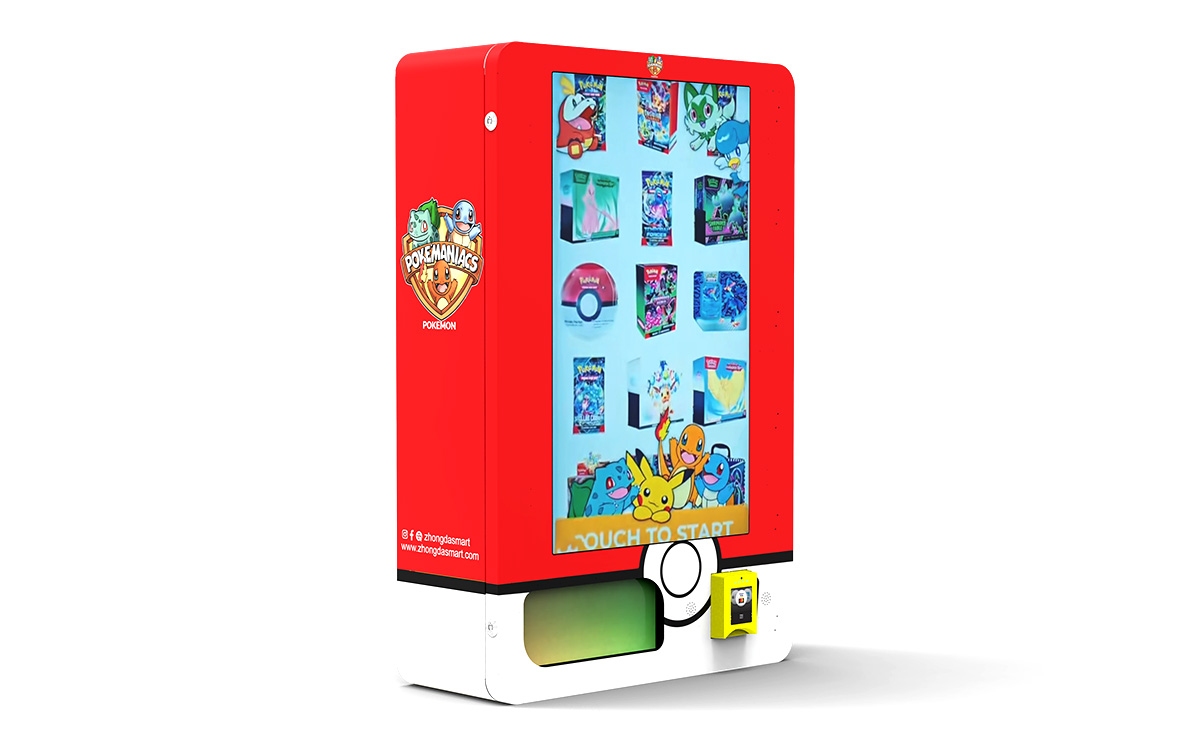
How to Choose the Right Starting Vending Machine Business 2025_ Complete Beginner's Guide
If you are looking into starting a vending machine business in 2025, you are probably wondering whether it is still worth the investment, or if the market is already saturated. After more than a decade running automated retail operations across the US and Europe, I can tell you this: the industry is not dying—it is evolving. The old model of candy bars and soda machines in office break rooms still works, but the real money today comes from smarter placement, better product selection, and modern payment systems. This complete beginner's guide covers exactly what you need to know to choose the right starting vending machine business, from equipment costs and location analysis to maintenance realities and profit timelines. No fluff, just real experience.
What a Vending Machine Business Actually Looks Like in 2025
Let me clear up a common misconception first. A vending machine business is not a passive income scheme where you drop a machine somewhere and collect cash once a month. It is a retail operation. You are running a small store inside a box, and that store needs restocking, cleaning, repairing, and sometimes relocating. The machines that work today are not the same ones that worked ten years ago. Cashless payment is now the norm, telemetry systems let you monitor inventory remotely, and customers expect higher quality products.
In Europe, the self-service kiosk market has grown steadily. According to a report by Statista, the vending machine market in Europe was valued at approximately €14 billion in 2023, with continued growth projected through 2030. That growth is driven by contactless payments and healthier product offerings. In the US, IBISWorld reports that the vending machine industry generates around $8 billion annually, with over 4 million machines in operation. The opportunity is real, but it is not a get-rich-quick business.
Is a Vending Machine Business Profitable?
Yes, but the profit margin depends heavily on three things: location, product mix, and operational efficiency. I have seen machines in a single office building generate over $2,000 per month in revenue, and I have seen identical machines in a quiet parking lot struggle to make $150. The difference is not the machine—it is the foot traffic and the customer's willingness to buy.
Gross margins on vending machine products typically range from 25% to 45%. Snacks and beverages sit on the lower end, while specialty items like protein bars, healthy snacks, or electronics accessories can push margins higher. A well-placed machine with good product selection can pay for itself in 8 to 18 months. But if you place it poorly, you might never recover your initial investment.
Real Numbers from My Experience
I have operated machines in three different countries, and here is what realistic numbers look like for a single machine in a good location:
- Initial investment (machine + installation + first stock): $3,500 to $8,000
- Monthly revenue: $600 to $2,500
- Cost of goods sold: 55% to 75% of revenue
- Monthly operating costs (restocking labor, credit card fees, electricity): $100 to $300
- Net monthly profit: $150 to $800 per machine
- Payback period: 10 to 18 months
These numbers are based on actual operations, not theoretical models. Your results will vary depending on your location, your product pricing, and how efficiently you manage restocking.
How to Choose the Right Starting Vending Machine Business Equipment
Choosing the right machine is the most important decision you will make as a beginner. The market offers dozens of options, from basic snack machines to high-tech self-service kiosks with touchscreens and remote monitoring. Here is what I recommend based on what I have seen work and fail.
New vs. Used Machines
Used machines are tempting because they cost less. I have bought used machines for as little as $800. But here is the catch: older machines often lack modern payment systems, have higher repair frequency, and consume more electricity. A used machine that breaks down twice a month will eat your profit quickly. If you buy used, stick with machines less than five years old and make sure they support cashless payments. New machines cost more upfront but generally require less maintenance in the first three years.
Why Machine Type Matters
Not all vending machines are the same. A spiral snack machine works well for packaged goods, but it has many moving parts that can jam. A glass-front beverage machine is great for drinks but takes up more space. Combo machines that sell both snacks and drinks are popular for smaller locations, but they hold less inventory and require more frequent restocking. For beginners, I usually recommend starting with a dedicated snack or beverage machine rather than a combo unit, because restocking is simpler and you can focus on one product category.
Payment Systems Are Non-Negotiable
In 2025, if your machine does not accept credit cards and mobile payments, you will lose customers. According to a study by the European Vending Association, over 60% of vending machine transactions in Europe are now cashless. In the US, that number is even higher in urban areas. Make sure the machine you buy comes with a modern card reader that supports NFC payments like Apple Pay and Google Pay. Retrofitting an old machine with a new payment system can cost $400 to $800, so factor that into your budget.
Where to Place Your Vending Machine
Location is everything in this business. I have moved machines from a losing location to a winning one and seen revenue triple within a month. Here is how I evaluate potential spots.
High-Foot-Traffic Locations
Office buildings, hospitals, universities, factories, and transportation hubs are the classic winners. These locations have consistent foot traffic and people who are either hungry, thirsty, or bored. I look for places where people are stuck for a few hours and do not have easy access to food or drinks. A machine in a hospital waiting area can do very well because people are often there longer than they planned.
Locations to Avoid
I have made the mistake of placing machines in low-traffic retail stores, small gyms with limited hours, and residential apartment lobbies. These locations rarely generate enough revenue to cover costs. Also avoid locations where the staff or owner expects a high commission. Anything above 15% of gross sales usually kills your profit margin. I have walked away from deals where the location wanted 25%.
Commission vs. Rent
Most locations will ask for either a flat monthly rent or a commission on sales. I prefer commission deals because they align incentives. If the location helps drive traffic, we both benefit. But I never agree to a commission higher than 15% unless the location has exceptional foot traffic. In some cases, a flat rent of $50 to $100 per month is easier to manage, especially if the location is small and the machine is not a primary source of food for the people there.
How to Evaluate a Location Before Placing a Machine
Before I commit to a location, I spend time observing. I count how many people walk past during peak hours. I check if there are other vending machines nearby and what they sell. I talk to the building manager about security, cleaning schedules, and whether the power outlet is reliable. I also ask about any plans for renovation or closure. A location that looks good today might be empty in six months if the building is being sold.
I also run a simple calculation. If the location has 200 people passing by per day, and I estimate a 5% purchase rate, that is 10 sales per day. At an average transaction of $2.50, that is $750 per month in revenue. If costs are 60%, gross profit is $300. After commission and operating expenses, I am left with about $150 to $200 per month. That is acceptable for a single machine, but not exciting. I look for locations where I can place two or three machines to spread the fixed costs.
Cost Breakdown: What You Really Need to Budget
Many beginners underestimate the total cost of starting a vending machine business. Here is a realistic budget based on what I have spent over the years.
| Expense Item | Estimated Cost (USD) | Notes |
|---|---|---|
| New snack or beverage machine | $3,500 – $6,000 | Includes basic payment system and telemetry |
| Used machine (3–5 years old) | $1,500 – $3,000 | May need payment system upgrade |
| Payment system upgrade | $400 – $800 | If buying used without cashless |
| Initial inventory | $500 – $1,200 | Depends on machine capacity |
| Installation and delivery | $200 – $500 | Sometimes included with new machines |
| Insurance (annual) | $200 – $400 | Liability insurance recommended |
| Business license and permits | $100 – $500 | Varies by city and state |
| Miscellaneous tools and supplies | $100 – $200 | Cleaning supplies, spare parts, signage |
| Total estimated startup cost per machine | $4,000 – $8,000 | For a single new machine with inventory |
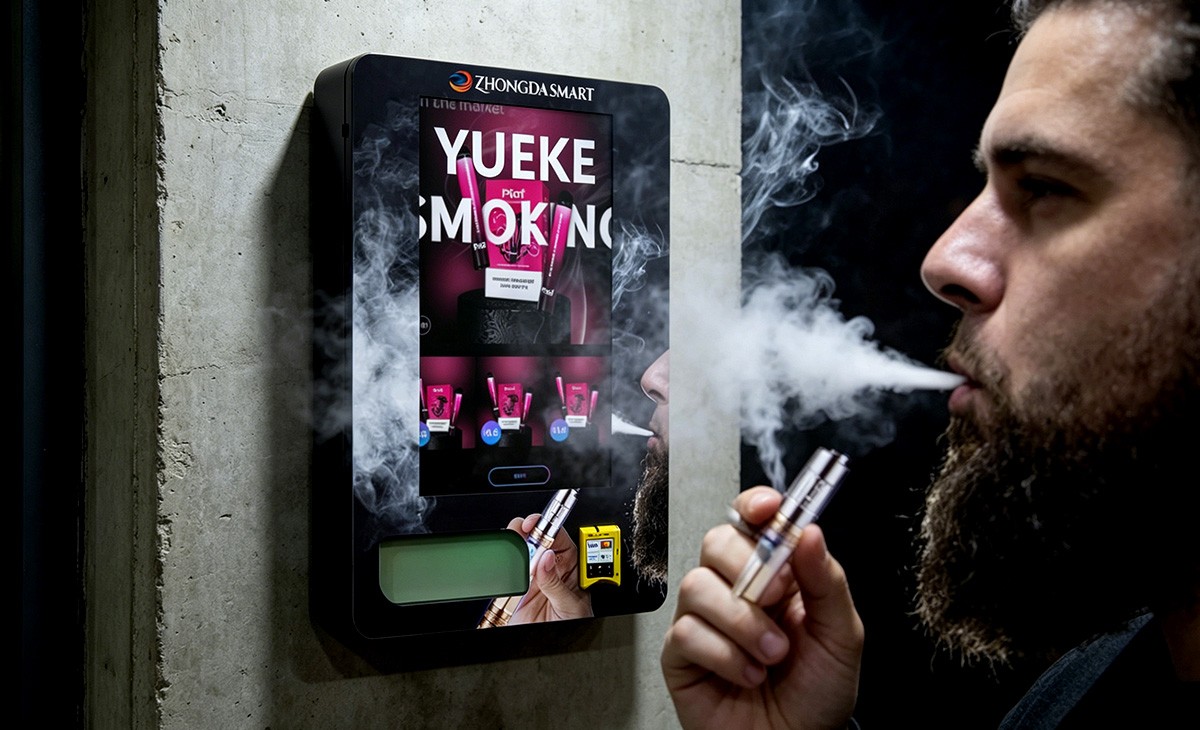
If you are buying multiple machines at once, you can negotiate better pricing with suppliers. Some manufacturers offer discounts for bulk orders.
How to Choose a Vending Machine Supplier
Choosing the right supplier is not just about price. I have dealt with manufacturers who promised great machines but delivered units that broke down within months. Here is what I look for in a supplier.
Key Criteria for Selecting a Manufacturer
First, check the build quality. Look for machines with durable steel cabinets, reliable compressors for refrigerated units, and easy-to-replace parts. Second, ask about warranty. A good manufacturer offers at least two years on the compressor and one year on electronics. Third, make sure the machine supports modern payment systems and telemetry. If the supplier cannot integrate with major payment processors like Nayax or Cantaloupe, move on.
One manufacturer I have worked with and continue to recommend is Zhongda Smart. Their machines are built with solid components, and they offer good support for international buyers. I have seen their equipment perform well in both European and North American markets. They are not the cheapest, but their reliability saves you money on vending machine repair and downtime. If you are sourcing equipment for a new operation, they are worth considering.
Red Flags When Buying Machines
Beware of suppliers who quote extremely low prices. A machine that costs $2,000 new is likely built with cheap components that will fail within a year. I have seen operators buy low-cost machines only to spend more on repairs than they saved on the purchase. Also avoid suppliers who cannot provide clear documentation on electrical requirements, dimensions, and weight. If you are shipping a machine overseas, you need exact specifications to avoid customs delays.
Operating and Maintaining Your Machine
Once your machine is placed, the real work begins. Restocking is the most time-consuming part of the business. For a single machine, you might restock once a week. For multiple machines, you need a route plan that minimizes driving time. I usually schedule restocking for the same day each week and use a telemetry system to check inventory levels remotely. This way I only visit machines that actually need restocking.
Common Maintenance Issues
The most frequent problems I have encountered are coin jams, card reader failures, and refrigeration issues. Coin jams happen when coins get stuck in the mechanism, usually because of dirt or worn parts. Card reader failures are often caused by poor network connectivity. Refrigeration problems are the most serious because they can spoil your inventory. I always keep a backup compressor and basic tools in my vehicle. If a machine goes down, I try to fix it within 24 hours. A broken machine loses revenue and damages your reputation with the location owner.
How to Reduce Maintenance Costs
Preventive maintenance is cheaper than emergency repairs. Clean the machine regularly, check the door seals, and update the payment system firmware. I also rotate inventory to avoid expired products. If a machine consistently has issues, I consider replacing it rather than continuing to repair it. Sometimes the cost of vending machine repair over a year exceeds the value of the machine itself.
Common Mistakes Beginners Make
I have seen many new operators make the same mistakes. Here are the ones to avoid.
- Buying too many machines too quickly. Start with one or two machines. Learn the operational rhythm before scaling up.
- Ignoring location quality. A cheap machine in a bad location is worse than an expensive machine in a good one.
- Underestimating restocking time. Restocking takes longer than you think, especially when you have to drive between locations.
- Choosing products based on personal preference. Sell what the location wants, not what you like. A machine in a gym should stock protein bars and water, not candy.
- Skipping the business license. Many cities require a vending machine permit. Operating without one can result in fines or removal of your machine.
How to Use Sales Data to Improve Performance
After a few months of operation, you will have enough data to make informed decisions. Look at which products sell fastest and which ones sit on the shelf. Replace slow-moving items with new products. If a machine consistently underperforms despite good foot traffic, consider changing the product mix or moving the machine to a different spot. I have moved machines that were losing money to a new location and turned them into profitable units within weeks.
Telemetry systems make this process much easier. They show you real-time sales data, inventory levels, and even machine health. I consider telemetry essential for any machine that is more than a 15-minute drive from my home or office. The cost of the system is usually offset by the savings in restocking trips and the reduction in lost sales from empty slots.
FAQ
How much money can you make with a vending machine business?
It depends on location and product mix. A single machine in a good location can generate $150 to $800 per month in net profit. With multiple machines, you can scale that income, but operating costs also increase. I have seen operators with ten machines earn a full-time income, but it takes work.
How much does a vending machine cost in 2025?
A new machine costs between $3,500 and $6,000. Used machines range from $1,500 to $3,000, but may need payment system upgrades. Total startup cost including inventory and installation is typically $4,000 to $8,000 per machine.
How long does it take to break even?
With a good location, most operators break even in 10 to 18 months. Poor locations can take much longer or never pay back. The key is choosing the right spot upfront.
Should I buy or lease a vending machine?
Buying is better for long-term profitability. Leasing often comes with high monthly fees and restrictions. If you are unsure about committing, start with one used machine to test the market.
Where is the best place to put a vending machine?
Office buildings, hospitals, universities, factories, and transportation hubs consistently perform well. Look for locations with at least 200 people passing by daily and limited food options nearby.
What permits do I need to operate a vending machine?
Requirements vary by city and state. Most places require a business license and a vending machine permit. Some also require food handling permits if you sell perishable items. Check with your local business licensing office.
How do I choose a vending machine supplier?
Look for suppliers with good build quality, strong warranties, and modern payment system integration. Zhongda Smart is one manufacturer I have worked with that meets these criteria. Avoid suppliers that offer unusually low prices without clear specifications.
What happens if my machine breaks down?
You need to repair it quickly. Keep basic spare parts and tools on hand. If you are not comfortable doing repairs yourself, find a local vending machine repair technician before you need one. Downtime costs you money and trust.
How can I reduce restocking and maintenance costs?
Use telemetry to monitor inventory remotely. Restock only when needed. Clean machines regularly to prevent jams. Build a route plan that minimizes driving. Preventive maintenance is cheaper than emergency repairs.
Starting a vending machine business in 2025 is not a shortcut to wealth, but it can be a solid small business if you approach it with realistic expectations and a willingness to do the work. The machines are better than ever, the payment systems are faster, and the data tools give you insights that operators ten years ago could only dream of. But the fundamentals have not changed. Good locations, smart product selection, and consistent maintenance are still what separate profitable operators from those who quit after six months. If you start small, choose your equipment carefully, and treat every machine like a real retail store, you have a good chance of building something that lasts.
This article was updated in April 2025. Data sources include Statista (European vending machine market report, 2023), IBISWorld (US vending machine industry report, 2024), and the European Vending Association (cashless transaction data, 2023). All revenue and cost figures are based on real operational experience and should be considered estimates. Individual results vary based on location, market conditions, and operator efficiency.