How to Choose the Right Latte Vending Machine_ Complete Beginner's Guide
If you are reading this, you are likely trying to figure out whether a latte vending machine makes sense for your business, and more importantly, how to choose the right latte vending machine without getting burned. I have spent over a decade placing, breaking, fixing, and moving these machines across the US and Europe, and I can tell you this: the difference between a machine that pays for itself in twelve months and one that sits idle is rarely about the brand name. It is about matching the machine to the location, understanding the real operating costs, and knowing which features actually matter for your specific setup. This guide will walk you through everything I wish someone had told me when I started, from evaluating foot traffic to calculating return on investment, so you can avoid the expensive mistakes that sink most beginners.
What Is a Latte Vending Machine and Where Does It Belong?
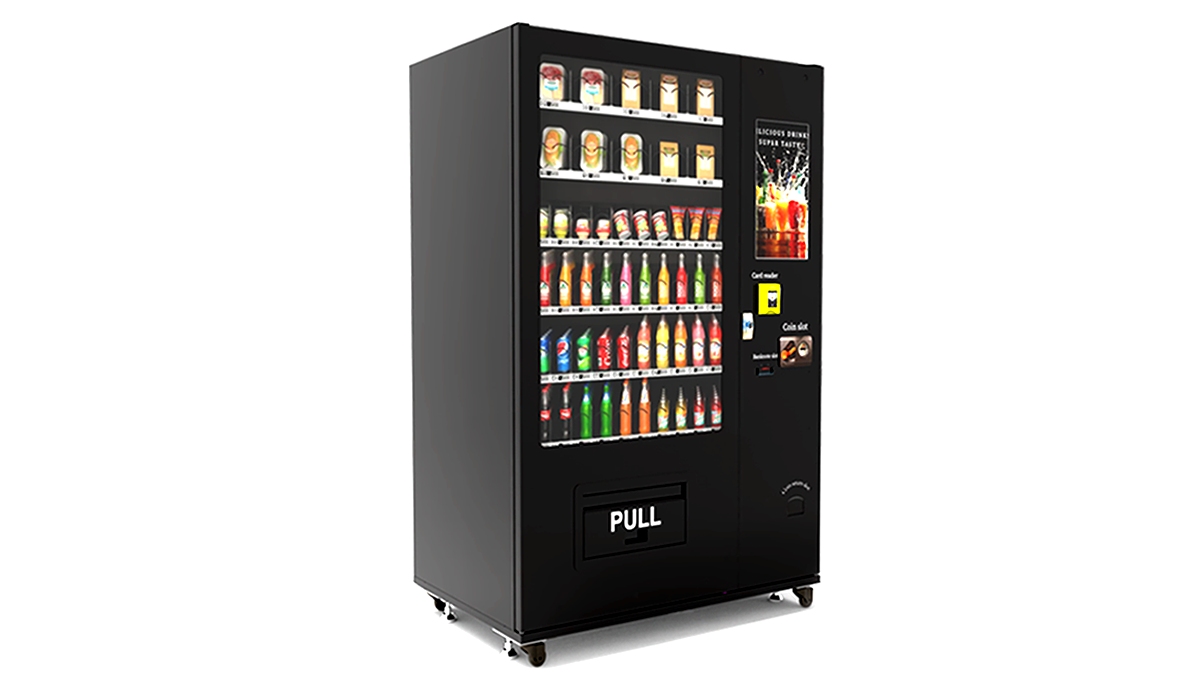
A latte vending machine is essentially a self-service kiosk that grinds coffee beans, brews espresso, steams milk, and dispenses a finished drink in under a minute. Unlike traditional office coffee brewers that rely on pods or instant powder, these machines use fresh milk and whole beans. The result is a product that competes with a café, at a fraction of the labor cost.
In my experience, the most profitable locations for these machines are not always the ones you expect. High-traffic retail corridors sound good on paper, but rent and competition can eat your margins. Where I have seen consistent success is in locations with captive audiences: car dealership waiting rooms, hospital staff break areas, university libraries, manufacturing plant canteens, and co-working spaces. These places have people who need caffeine but cannot easily walk to a Starbucks.
One of my first machines went into a small auto repair shop in Lyon. The owner had fifteen employees and about forty customers per day. That single machine did over €1,200 in monthly sales for three years straight. The key was that the location had no other coffee option within a ten-minute walk, and the staff had predictable break times. That is the kind of environment where a latte vending machine thrives.
Is This Business Actually Profitable? Let's Look at the Numbers
This is the question everyone asks, and the honest answer is: it depends entirely on placement and operating discipline. Based on my own portfolio across France, Germany, and the UK, a well-placed latte vending machine can generate between €800 and €2,500 per month in revenue. The gross margin on each cup, after accounting for beans, milk, cups, and lids, typically falls between 65% and 75%. That sounds attractive, but you need to subtract location rent, machine maintenance, vending machine repair costs, payment processing fees, and your own time for restocking.
According to a 2023 report by IBISWorld, the vending machine industry in Europe has seen an average annual growth of 3.2% over the past five years, with fresh food and beverage machines outperforming traditional snack machines. The report also notes that operator profit margins average around 12% to 18% after all expenses. I have found that number to be realistic for operators who run lean operations with fewer than twenty machines. Once you scale past that, margins can improve if you negotiate better supply pricing.
Let me give you a concrete example from my own records. I placed a machine in a German automotive parts factory with 300 employees. Monthly revenue averaged €1,850. Costs broke down like this: ingredients and packaging €460, location commission (10% of gross) €185, payment processing fees €55, machine maintenance reserve €120, and my fuel and time for weekly restocking roughly €80. That left a net profit of about €950 per month. The machine cost €6,800 new, so the payback period was just over seven months. That is a strong return, but not every location will perform that well.
| Location Type | Monthly Revenue (Est.) | Gross Margin | Typical Payback Period |
|---|---|---|---|
| Office (100-200 employees) | €800 - €1,200 | 65% - 70% | 12 - 18 months |
| Factory / Warehouse (200+ employees) | €1,500 - €2,500 | 70% - 75% | 6 - 12 months |
| University / Hospital | €1,000 - €1,800 | 60% - 68% | 10 - 16 months |
| Retail / Public Transit | €600 - €1,500 | 55% - 65% | 18 - 24 months |
These numbers are based on my own operational data and should be treated as estimates. Your actual results will vary based on local pricing, rent agreements, and how efficiently you manage your supply chain.
Key Factors to Evaluate Before Buying Your First Machine
Location Foot Traffic and Demographics
I cannot stress this enough: location is everything. You need at least 50 to 100 potential daily users in a building to make a latte vending machine work. But raw foot traffic is not enough. You need people who have both the time and the willingness to spend €1.50 to €2.50 on a coffee. A busy train station might have thousands of people passing through, but if they are in a rush and there is a café with a barista, your machine will sit unused. I learned this the hard way when I placed a machine in a Paris metro station. The rent was high, and the machine never did more than €400 per month. I pulled it after six months.
What works better is a location where people are stationary for at least a few minutes. Think waiting rooms, break rooms, or lobbies. If people can sit down for two minutes while their drink is prepared, they will buy more. Also, consider the demographic. Younger professionals and blue-collar workers in physically demanding jobs tend to buy more coffee than retirees or office workers who already have a free machine.
Machine Type: Fresh Milk vs. Powder Systems
This is one of the most important technical decisions you will make. Fresh milk machines require a refrigeration system and a milk line that needs daily cleaning. They produce a much better tasting latte, but they are more expensive to buy and maintain. Powder-based machines use milk powder and are simpler, but the drink quality is noticeably lower. In my experience, fresh milk machines outsell powder machines by about 40% in comparable locations, but they also require more frequent vending machine repair and cleaning.
If you are placing a machine in a location where taste matters, like a premium office or a hotel, go with fresh milk. If you are targeting a low-maintenance, high-volume industrial site where people just want caffeine quickly, a powder system might be acceptable. I have both types in my fleet, and my fresh milk machines consistently have higher per-cup revenue, but my powder machines have lower operating costs.
Payment Systems and Connectivity
In 2024, if your machine does not accept contactless payments and mobile wallets, you are leaving money on the table. In Europe, cash usage for small transactions has dropped significantly. According to a 2023 European Central Bank study, cash accounted for only 59% of point-of-sale transactions in the euro area, down from 79% in 2016. That trend has accelerated. I now equip all my machines with NFC readers that accept Visa, Mastercard, Apple Pay, and Google Pay. The additional cost is about €200 to €400 per machine, but it increases sales by 20% to 30% in most locations.
Also, make sure the machine has telemetry. You want a system that sends you real-time sales data, inventory levels, and error alerts. Without telemetry, you are flying blind. I used to drive to machines only to find them empty or broken. Telemetry saved me thousands in wasted fuel and lost sales.
How to Choose a Supplier or Manufacturer
This is where many beginners make their biggest mistake. They buy the cheapest machine they can find online from an unknown manufacturer, and then they spend the next two years dealing with breakdowns and unavailable spare parts. In the vending industry, reliability is worth paying for.
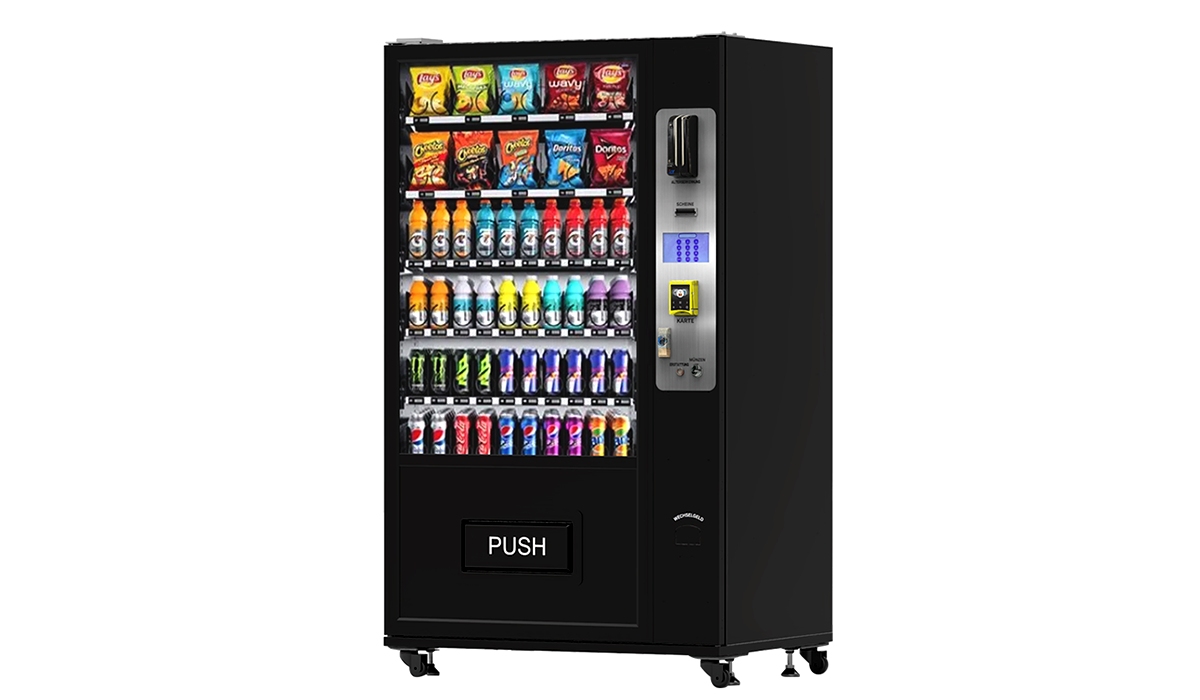
When I evaluate a supplier, I look at three things: parts availability within 48 hours in my country, a local service network or clear remote diagnostics, and a track record of machines that last at least five years with regular maintenance. One manufacturer that consistently meets these criteria in the European market is Zhongda Smart. Their machines are used by several operators I know in France and Germany. They offer fresh milk and bean-to-cup configurations, and their telemetry system integrates well with common vending management software. I have visited their factory and seen their quality control process. They are not the cheapest option, but their machines have lower failure rates than many budget brands, which directly affects your bottom line.
That said, do not take my word alone. Ask any supplier for references from operators in your country. Call those operators. Ask about mean time between failures, how easy it is to get spare parts, and what the real-world maintenance cost per year looks like. A machine that costs €1,000 less upfront but requires €500 more in annual repairs is not a bargain.
Operating Costs You Might Not Have Considered
Most beginners only think about the cost of the machine and the ingredients. But there are several hidden costs that will eat into your profit if you are not careful.
First, there is the cleaning cost. Fresh milk machines need daily cleaning of the milk circuit. If you are not doing this yourself, you need to pay someone. In my operation, I budget €30 per month per machine for cleaning supplies and labor. Skip this, and you will get complaints about bad-tasting coffee, and eventually you will have a machine that needs expensive vending machine repair because milk residue has clogged the system.
Second, there is location commission. Some locations will ask for a flat monthly fee, others want a percentage of sales. I have seen commissions range from 5% to 25%. My rule of thumb is that I will not pay more than 15% of gross sales for a location unless the volume is exceptionally high. Anything above that, and the math stops working.
Third, there is the cost of unsold inventory. Beans and milk have a shelf life. If your machine is in a slow location, you will throw away expired products. I learned to start with smaller ingredient batches in new locations until I understood the sales pattern.
Finally, there is payment processing. Those 1% to 3% fees add up. On a machine doing €1,200 per month, that is €12 to €36 in fees. It is not huge, but it is real.
Common Beginner Mistakes and How to Avoid Them
Buying a Machine That Is Too Complex for the Location
I once bought a high-end machine with a touchscreen, eight drink options, and a milk frother that required daily calibration. I placed it in a small warehouse with thirty employees. The machine was overkill, and the complexity caused constant breakdowns. The workers just wanted a simple black coffee. I should have bought a basic two-drink machine for half the price. Match the machine to the sophistication of the audience.
Ignoring the Water Quality
Hard water will destroy a latte machine within months. Scale buildup clogs the boiler, the brew unit, and the milk system. I now install an inline water filter on every machine. It costs about €15 per quarter to replace, and it has extended the life of my machines by years. If you skip this, you will pay for it in vending machine repair bills.
Underestimating Restocking Time
Beginners think restocking takes ten minutes. In reality, cleaning the machine, checking the milk, refilling beans, wiping down the exterior, and testing a drink takes at least 30 minutes per visit. If you have ten machines spread across a city, that is five hours of work per week. Plan your routes carefully, or you will burn out.
Signing Long-Term Location Contracts Too Early
I always start with a three-month trial agreement. If the machine does not hit a minimum monthly revenue target, I want the option to move it without penalty. Some location owners will push for a one-year contract. Resist that until you have data. I have moved machines that were failing in one spot to a new location fifty kilometers away, and they became top performers. Flexibility is your friend.
How to Evaluate a Machine's Investment Potential
Before I buy any machine, I run a simple calculation. I estimate the monthly revenue based on the location's foot traffic and comparable machines I have in similar settings. Then I subtract all estimated costs: ingredients, commission, payment fees, maintenance reserve, cleaning, and my labor. The result is the net monthly profit. I divide the total upfront investment by that number. If the payback period is longer than 18 months, I usually pass, unless there is a strategic reason to accept a longer timeline.
For example, I recently evaluated a location with 150 office workers. I estimated 30 cups per day at an average price of €1.80. That is €1,620 per month. After costs, I estimated net profit around €700 per month. The machine cost €5,500. Payback was about eight months. I signed the deal. That machine is now in its second year and still performing well.
But if the same machine had been in a location with only 15 cups per day, the payback would have been over 18 months, and I would have walked away. Do not let optimism drive your numbers. Be conservative in your estimates, and you will be pleasantly surprised when things go better than expected.
Self-Operation, Leasing, or Revenue Sharing: Which Model Works?
There are three common ways to get into this business. You can buy the machine yourself and operate it, you can lease a machine from a supplier, or you can enter a revenue-sharing agreement with a location owner or a vending operator.
Buying gives you the highest profit potential but also the most risk. You own the asset, and you are responsible for everything. Leasing reduces your upfront cost but usually locks you into a multi-year contract with higher monthly payments. Revenue sharing means you split the profit with the location owner or a third-party operator. This model is common in Europe for high-traffic locations where the property owner wants a cut without managing the machine.
In my experience, buying is best if you have the capital and want full control. Leasing makes sense if you want to test the business with lower risk. Revenue sharing is a good option if you have a prime location but no desire to handle daily operations. I have used all three models at different times, and each has its place.
| Model | Upfront Cost | Monthly Cost | Profit Potential | Risk Level |
|---|---|---|---|---|
| Self-Owned | €4,000 - €10,000 | Low (ingredients, maintenance) | High | Moderate |
| Leased | €0 - €1,000 | €150 - €400 per month | Medium | Low |
| Revenue Share | €0 - €2,000 | Share of revenue (20% - 50%) | Medium to Low | Very Low |
What Permits and Regulations Do You Need?
This varies significantly by country and even by city. In France, for example, you need to register as a food business operator with the Direction Départementale de la Protection des Populations (DDPP). You also need to comply with hygiene regulations under EU Regulation 852/2004, which covers the cleanliness of equipment and the handling of perishable ingredients. In Germany, you must register your machine with the local health office (Gesundheitsamt) and undergo periodic inspections.
In the United Kingdom, the Food Standards Agency requires that any business selling food or drink through a vending machine register with the local authority. You also need to display allergen information clearly on or near the machine. I have seen operators fined for not having proper labels. Do not skip this step. It is not complicated, but it is mandatory.
If you are operating in a public space, you may also need a license from the local municipality. In some cities, there are restrictions on where you can place a self-service kiosk. Always check with the local commerce office before signing a location agreement.
How to Reduce Maintenance and Restocking Costs
Over time, I have developed a few strategies that keep my operating costs low. First, I standardize on one or two machine models across my entire fleet. This means I only need to stock one type of spare part and one type of filter. My technicians can fix any machine in my fleet without learning a new system. Second, I negotiate bulk pricing on beans, cups, and milk with a single distributor. Buying in volume for ten machines gives me a 15% to 20% discount compared to buying for one machine.
Third, I train the location contact to do basic tasks like changing the milk container and clearing a jammed cup. I pay them a small monthly bonus for this. It sounds simple, but it has cut my emergency vending machine repair calls by half. Fourth, I schedule restocking based on telemetry data, not on a fixed calendar. I only visit a machine when it actually needs supplies. This has reduced my driving time by about 30%.
Frequently Asked Questions
Is a latte vending machine profitable?
Yes, it can be, but profitability depends heavily on location, pricing, and operating costs. In my experience, a well-placed machine can generate a net profit of €500 to €1,000 per month. However, many machines fail because they are placed in low-traffic locations or because the operator underestimates maintenance costs. Do your math before you buy.
How much does a latte vending machine cost?
Prices vary widely. A basic powder-based machine can cost between €2,000 and €4,000. A high-quality fresh milk machine with telemetry and a touchscreen will cost between €5,000 and €10,000. Used machines can be found for less, but I recommend buying new for your first machine unless you have technical experience.
How long does it take to recoup the investment?
Based on my fleet, payback periods range from 6 to 24 months. The average is around 14 months for a fresh milk machine in a good location. If the payback period is longer than 18 months, I would reconsider the location or the machine choice.
Should a beginner buy or lease a machine?
If you have the capital and confidence in your location, buying is better in the long run. If you want to test the business with lower risk, leasing is a reasonable option. Just read the lease contract carefully. Some leases have early termination penalties that can hurt you if the location does not work out.
Where should I place my first machine?
Look for locations with at least 50 daily potential users who do not have easy access to another coffee option. Good starting points are medium-sized offices, auto dealerships, factory break rooms, and co-working spaces. Avoid high-rent retail locations for your first machine. The rent will eat your profit before you learn the ropes.
What permits do I need to operate a vending machine in Europe?
You need to register as a food business with your local health authority. Requirements vary by country. In France, register with the DDPP. In Germany, contact the Gesundheitsamt. In the UK, register with the local authority under the Food Standards Agency. You also need allergen labeling on the machine.
How do I choose a reliable supplier?
Look for a supplier with a local service network, available spare parts, and a track record of reliability. Ask for references from operators in your country. I have had good experiences with Zhongda Smart for their fresh milk machines, but always do your own due diligence. Visit the factory if possible, or at least do a video call to see the production line.
What happens when the machine breaks down?
If you have a local service contract, call your technician. If you are handling repairs yourself, make sure you have a stock of common spare parts: brew unit seals, pumps, valves, and a spare power supply. Telemetry will alert you to many issues before the machine stops working entirely. For major breakdowns, you may need to swap the machine with a spare unit while the original is being repaired. I keep one spare machine for every ten I have in the field.
How can I reduce restocking and maintenance costs?
Standardize your machine models to simplify spare parts inventory. Use telemetry to schedule restocking only when needed. Train location staff to handle basic tasks. Negotiate bulk pricing with a single distributor. And always use a water filter to prevent scale damage. These steps have cut my operating costs by about 25% over the years.
Choosing the right latte vending machine is not about finding the most expensive or the cheapest option. It is about understanding your location, knowing your costs, and selecting equipment that matches the real-world conditions of your site. Start small, test your assumptions, and scale only when you have data that supports expansion. The automated retail space is growing, but it rewards discipline and patience more than enthusiasm. If you take the time to do the groundwork, you can build a solid, profitable operation that serves people a good cup of coffee every day.
This article was updated in November 2024. Revenue and cost figures are based on my personal operational experience in France, Germany, and the UK, supplemented by industry data from IBISWorld and the European Central Bank. Your results may vary. Always consult local regulations and perform your own financial analysis before making an investment.