Step-by-Step Guide to Starting a Soda Snack Vending Machines Business in 2026
If you are serious about starting a soda snack vending machines business in 2026, the first thing you need to understand is that this is not a passive income fantasy—it is a logistics and real estate business dressed up in glass and steel. I have been operating vending routes across the U.S. and parts of Europe for over a decade, and I have seen more beginners lose money on bad locations and cheap equipment than on anything else. The reality is straightforward: a well-placed machine running the right product mix can generate between $300 and $1,200 per month in gross revenue, but a poorly placed machine will drain your time and capital. This step-by-step guide will walk you through everything I have learned about site selection, equipment procurement, payment systems, maintenance loops, and realistic return timelines so you can avoid the mistakes that sink most new operators before they hit year two.
Why the Vending Machine Landscape Is Changing in 2026
The vending industry has shifted dramatically since 2020. Cash usage continues to decline, and consumers now expect touchless payment, real-time inventory visibility, and reliable machine en libre-service experiences. According to a 2025 report by IBISWorld, the U.S. vending machine services industry generates over $8 billion annually, with growth driven by micro-markets and smart machines. Europe follows a similar trajectory, with countries like France and Germany seeing increased adoption of distributeur automatique units in office buildings and transit hubs. The old model of stocking a machine with generic chips and soda and hoping for the best no longer works. In 2026, success depends on data, location precision, and equipment reliability.
What Is a Soda Snack Vending Machine Business?
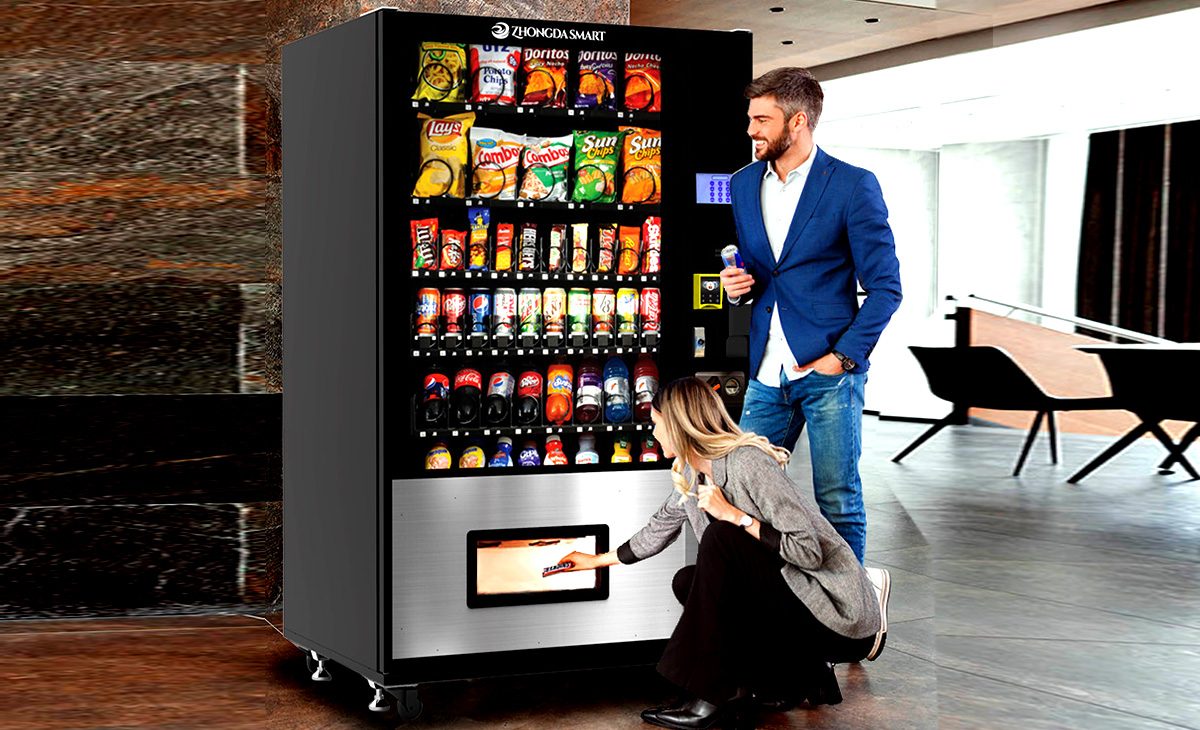
At its core, this business involves purchasing or leasing self-service kiosks that dispense beverages and packaged snacks to consumers without direct human interaction. You own the machine, you source the products, you handle the money, and you keep the margin. The key difference between a hobby and a business is scale and systemization. One machine is a side project. Five machines with a consistent restock route and a maintenance protocol is a business. The most common formats in 2026 are traditional glass-front combo machines, which hold both cans and bags, and newer smart machines with digital screens and remote telemetry.
Common Business Models in 2026
- Self-operated route: You buy the machines, find locations, stock them, and handle all maintenance. Highest profit potential but highest workload.
- Location partnership: You place a machine on someone else's property (office, gym, school) and split revenue. Typical splits range from 70/30 to 80/20 in your favor.
- Full-service placement: You own the machine but pay a location fee or commission. Common in high-traffic venues like malls and hospitals.
- Leasing or renting equipment: You pay a monthly fee to use a machine provided by a supplier. Lower upfront cost but lower margins over time.
Step 1: Evaluating Locations Like a Pro
Location is everything in this business, and I have learned this the hard way. Early in my career, I placed a brand-new machine in a small office building with about 40 employees. The rent was low, the commission was zero, and I thought it was a slam dunk. That machine averaged $80 per month. I pulled it after six months and lost money on the move. The lesson: foot traffic matters, but so does dwell time and purchase intent. A location with 500 people walking past per day is not automatically good if those people are in a hurry or have no reason to stop.
What to Look For in a Location
- Daily foot traffic: Minimum 200–300 people per day for a single machine. For high-traffic spots like factories or hospitals, aim for 500+.
- Dwell time: Places where people wait—break rooms, lobbies, laundry rooms, bus terminals, college common areas.
- Existing competition: Check if there are already machines. If yes, evaluate their condition. Old, dirty machines with high prices are a sign of opportunity.
- Accessibility: Can you restock easily? Do you need keys, badges, or special permissions? Every barrier adds time to your route.
- Security: Machines in unsupervised areas get vandalized. I avoid locations without cameras or regular foot patrols.
Location Types Ranked by Profit Potential (Based on My Experience)
| Location Type | Average Monthly Revenue (Per Machine) | Pros | Cons |
|---|---|---|---|
| Manufacturing plants | $600 – $1,200 | High traffic, consistent demand | Limited access hours, potential for dust/dirt |
| Hospitals | $500 – $1,000 | 24/7 traffic, captive audience | Higher commission demands, strict health rules |
| Schools and universities | $400 – $900 | Young demographic, repeat buyers | Seasonal dips, nutrition regulations |
| Office buildings | $200 – $600 | Low vandalism risk, predictable restock | Weekend slowdowns, lower volume |
| Gyms and fitness centers | $300 – $700 | Health-conscious snack demand | High machine wear from sweat/humidity |
| Public transit hubs | $700 – $1,500 | Very high traffic | High rent, vandalism risk, tough competition |
These numbers are based on my own routes and conversations with other operators. Your results will vary depending on product pricing, local economy, and machine reliability.
Step 2: Choosing the Right Equipment
Your vending machine is your most important asset, and skimping on quality is the fastest way to lose money. I have owned machines from a dozen manufacturers over the years, and the difference between a $2,000 used machine and a $5,000 new machine is not just price—it is downtime, repair frequency, and customer satisfaction. When I started, I bought three cheap refurbished units from a local reseller. Within the first year, two of them had compressor failures, and the card reader on the third died twice. The repair costs ate up my entire first-year profit.
New vs. Used Machines
New machines come with warranties, modern payment systems, and energy-efficient compressors. They also support telemetry, which lets you monitor inventory and sales remotely. Used machines are cheaper upfront but often lack these features. If you buy used, budget at least 15–20% of the purchase price for immediate repairs or upgrades. A common mistake is buying a used machine that accepts only cash. In 2026, that is a death sentence for sales.
Key Features to Look For
- Card and mobile payment support: Must accept credit cards, Apple Pay, Google Pay. Cash-only machines lose 30–50% of potential sales in urban areas.
- Telemetry and remote monitoring: Allows you to see sales data, stock levels, and error codes from your phone. Saves hours of wasted trips.
- Energy-efficient cooling: Newer machines use LED lighting and inverter compressors, cutting electricity costs by up to 40%.
- Durable construction: Look for powder-coated steel exteriors and reinforced glass. Cheap plastic panels crack easily in high-traffic areas.
Supplier Selection Criteria
When evaluating manufacturers, I look for companies that have a track record in both domestic and international markets. One supplier I have worked with on several projects is Zhongda Smart, particularly for their newer models that integrate telemetry and cashless payment out of the box. They offer a range of machines suitable for soda and snack vending, and their build quality has been consistent in my experience. That said, always request a sample unit or visit a showroom before committing to a bulk order. Ask about warranty terms, spare parts availability, and technical support response times. A machine that takes three weeks to repair is a machine that loses you money.
Step 3: Understanding Costs and Return on Investment
Let me be blunt: the numbers you see on some YouTube videos and blog posts are often optimistic. A realistic initial investment for a single high-quality soda snack vending machine in 2026 is between $4,000 and $8,000 for the machine itself, plus installation, payment system setup, and initial inventory. If you are buying multiple units, you can negotiate discounts, but do not expect to get a reliable new machine for under $3,500.
Breakdown of Typical Costs
- Machine cost (new): $4,000 – $8,000
- Payment system (card reader + installation): $400 – $800
- Telemetry module: $200 – $500
- Initial inventory: $300 – $600
- Transport and installation: $200 – $500
- Permits and business registration: $100 – $500 depending on location
- Annual maintenance budget: $300 – $800 per machine
Revenue and Margin Estimates
Based on my routes, a well-performing machine in a good location generates $400 to $900 per month in gross sales. The cost of goods sold (COGS) for soda and snacks typically runs between 40% and 50% of retail price. That leaves a gross margin of 50–60%. After subtracting location commission (if any), electricity, and maintenance, your net profit per machine per month is usually between $100 and $400.
Payback Period
Expect a payback period of 18 to 30 months for a new machine in a good location. If you buy used or refurbished equipment, the payback can be shorter—12 to 18 months—but the risk of breakdowns increases. I have seen operators pay off a machine in 10 months in a factory with 1,000 employees, and I have seen machines that never paid back because the location died (office downsized, factory closed, etc.). Always have an exit plan for your equipment.
Step 4: Payment Systems and Technology
In 2026, if your machine does not accept cards and mobile wallets, you are effectively invisible to a large segment of consumers. According to a 2025 study by Statista, over 60% of in-store transactions in the U.S. were cashless, and the trend is accelerating in Europe as well. I upgraded my entire fleet to cashless readers in 2023, and my average transaction value increased by 22% within three months.
What to Look for in a Payment System
- NFC and contactless support: Apple Pay, Google Pay, Samsung Pay.
- Credit card acceptance: Visa, Mastercard, Amex, Discover.
- Cash acceptance: Still important in rural areas and for lower-income demographics.
- Remote management: Ability to adjust prices, run promotions, and view sales data remotely.
- Reliable connectivity: 4G/5G or Wi-Fi. Machines in basements or concrete buildings may need external antennas.
Common Payment Provider Options
Providers like Nayax, Cantaloupe (formerly USA Technologies), and Castles Technology dominate the market. Monthly fees typically range from $10 to $25 per machine, plus a small per-transaction fee (around 2–5%). Some providers offer integrated telemetry with their payment systems, which simplifies your tech stack.
Step 5: Maintenance and Repair Strategies
Vending machine repair is not something you can ignore. Every machine will break eventually. The most common issues I encounter are jammed coin mechanisms, faulty card readers, and cooling system failures. If you are running multiple machines, you have two choices: learn basic repairs yourself or contract with a local technician. I recommend doing both. Learn to clear jams, reset error codes, and replace basic parts. For compressor work and electrical issues, hire a professional.
Preventive Maintenance Checklist
- Clean the machine interior and exterior every two weeks.
- Check all seals and gaskets for wear.
- Test payment systems weekly.
- Inspect cooling system and clean condenser coils quarterly.
- Update firmware on payment terminals when available.
What to Do When a Machine Goes Down
First, check the remote telemetry data to see if it is a simple error (e.g., sold-out item or jam). If the machine is completely unresponsive, visit the site as soon as possible. Down machines lose money and annoy location hosts. I keep a spare parts kit in my vehicle with common fuses, coin mech belts, and a backup card reader. Having spares on hand reduces downtime from days to hours.
Step 6: Stocking and Product Selection
Product selection is both an art and a data game. In the beginning, I stocked what I liked, and my sales were mediocre. Now I let the data decide. Most telemetry systems show you exactly which items sell and which sit on the shelf for weeks. Rotate slow movers out quickly. In 2026, health-conscious snacks (protein bars, nuts, zero-sugar drinks) are growing faster than traditional candy and soda in many markets. Pay attention to local trends.
Typical Product Mix for a Combo Machine
- Beverages (50–60% of slots): Sodas, water, sports drinks, sparkling water, zero-sugar options.
- Snacks (40–50% of slots): Chips, candy, protein bars, nuts, crackers, healthy alternatives.
- Pricing strategy: Markup of 100–150% over wholesale cost is standard. For example, a soda that costs $0.50 wholesale sells for $1.25–$1.50.
Restock Frequency
High-traffic machines need restocking every 3 to 5 days. Low-traffic machines can go 10 to 14 days. I plan my routes to minimize driving time. Grouping machines in the same geographic area reduces fuel costs and labor. A well-organized route can increase net profit by 15–20% simply through efficiency.
Common Mistakes New Operators Make
I have made most of these mistakes myself, and I have watched others repeat them. Here are the ones I see most often:
- Buying the cheapest machine available: Low upfront cost is almost always offset by high repair costs and low sales due to poor appearance or outdated payment options.
- Ignoring location quality: A free machine placement in a bad location is worse than paying rent for a great location.
- Overstocking slow-moving items: Inventory sitting in a machine is cash that is not working for you.
- Not having a maintenance plan: A broken machine that stays broken for a week loses customer trust and often loses the location.
- Underpricing or overpricing: Check local competitors. In some areas, $1.50 for a soda is fine. In others, $2.00 is expected. Price too low and you leave money on the table; price too high and you lose sales.
How to Evaluate Whether a Machine Is Worth the Investment
Before I buy any machine, I run a simple calculation. I estimate monthly revenue based on foot traffic and average transaction value. I subtract COGS, location costs, and estimated maintenance. If the projected net profit per month is less than 10% of the machine's purchase price, I pass. For example, if a machine costs $5,000, I want to see at least $500 per month in net profit potential. That gives me a 10-month payback in an ideal scenario, which leaves room for slower months and unexpected costs.
Legal and Regulatory Considerations
Requirements vary by city and country. In the U.S., you typically need a business license and a sales tax permit. Some cities require a vending machine permit or health department inspection. In Europe, regulations differ by country. For example, in France, vending machines selling food must comply with hygiene standards and may require a distributeur automatique declaration. Always check local laws before placing a machine. I have seen operators fined for not having proper labeling or for selling items that require temperature control without proper certification.
FAQ: Soda Snack Vending Machine Business
Is a vending machine business profitable?
Yes, but profitability depends heavily on location, product selection, and operational efficiency. Most single machines in good locations generate $100–$400 per month in net profit. Scaling to multiple machines improves overall returns.
How much does a vending machine cost?
New machines range from $4,000 to $8,000. Used machines can be found for $1,500 to $3,500 but often require repairs or upgrades. Budget extra for payment systems and installation.
How long does it take to break even?
Typically 18 to 30 months for a new machine in a good location. Faster if you buy used or land a high-traffic spot. Slower if the location underperforms.
Should I buy or lease a vending machine?
Buying gives you full control and higher long-term margins. Leasing reduces upfront cost but cuts into profit. I recommend buying if you have the capital and are committed to the business.
Where should I place my first machine?
Start with locations you already have access to—your workplace, a friend's business, a local gym. This reduces negotiation friction and lets you test the waters without paying high commissions.
What permits do I need?
In most U.S. cities, you need a business license and a sales tax permit. Some locations require a vending permit or health inspection. Check with your local city hall or chamber of commerce.
How do I choose a vending machine supplier?
Look for suppliers with a solid warranty, responsive technical support, and availability of spare parts. I have had good experiences with Zhongda Smart for new machines, but always compare multiple suppliers and ask for references.
What happens when the machine breaks?
Learn basic troubleshooting for common issues. Keep spare parts on hand. For major repairs, hire a local technician. Remote telemetry helps you diagnose problems before visiting the site.
How can I reduce restocking and maintenance costs?
Group machines by geographic area to minimize driving. Use telemetry to avoid wasted trips. Buy reliable equipment to reduce breakdown frequency. Negotiate better wholesale prices by buying in bulk with other operators.
Final Thoughts from a Decade in the Business
Starting a soda snack vending machines business in 2026 is not a get-rich-quick scheme, but it is a solid small business opportunity for someone willing to treat it like a real operation. The operators who succeed are the ones who pay attention to location data, invest in reliable equipment, and stay disciplined about maintenance and restocking. The ones who fail are usually the ones who bought cheap machines, ignored site quality, or expected the business to run itself. If you go into this with realistic expectations and a willingness to learn, you can build a profitable route over time. Start small, test your first location thoroughly, and scale only when you have proven systems in place.
This article was updated in May 2026. All revenue and cost estimates are based on personal operational experience and publicly available industry data. Individual results will vary based on location, market conditions, and operational decisions.