The Complete Guide to Vending Machine Application Opportunities and Risks
After a decade placing and managing vending machines across the United States and parts of Europe, I can tell you the single question that comes up most often is whether this business is actually profitable. The honest answer is yes, but only if you understand the real costs, the right locations, and the hidden operational traps that eat into margins. Many newcomers see a vending machine as a simple cash box, but the reality is far more demanding. This complete guide to vending machine application opportunities and risks draws directly from my years of hands-on experience, covering everything from site selection and equipment procurement to maintenance routines and break-even timelines. Whether you are exploring automated retail for the first time or looking to expand an existing network, I will walk you through what works, what fails, and how to avoid the mistakes that cost operators thousands.
What Is a Vending Machine Business in Today's Market
A vending machine business is no longer just about candy bars and soda cans. The industry has evolved into a diverse automated retail sector that includes fresh food machines, coffee kiosks, electronics dispensers, and even PPE vending solutions. In Europe and North America, the shift toward contactless payment and 24/7 self-service has opened up opportunities in locations that were previously considered too niche or too low-traffic.
From my experience, the most successful operators treat each machine as a mini retail store. They analyze foot traffic patterns, adjust product mixes based on seasonal demand, and monitor sales data remotely. The days of simply filling a machine and collecting cash are long gone. Today, profitability depends on data-driven decisions, reliable equipment, and efficient logistics.
One critical distinction I always make with new operators is the difference between a vending machine and a self-service kiosk. While both fall under automated retail, a kiosk typically offers more advanced features such as touchscreens, inventory tracking, and multi-payment options. Understanding this difference helps you choose the right hardware for your specific application.
Key Application Opportunities Across Different Venues
High-Traffic Public Locations
Airports, train stations, and bus terminals remain some of the strongest venues for vending machine placement. These locations generate consistent foot traffic, often exceeding 10,000 people per day. In my own operations, a single machine at a regional transit hub averaged €1,800 in monthly revenue during peak season. The key is securing a contract with the facility manager and negotiating a reasonable commission rate, typically between 10% and 20% of gross sales.
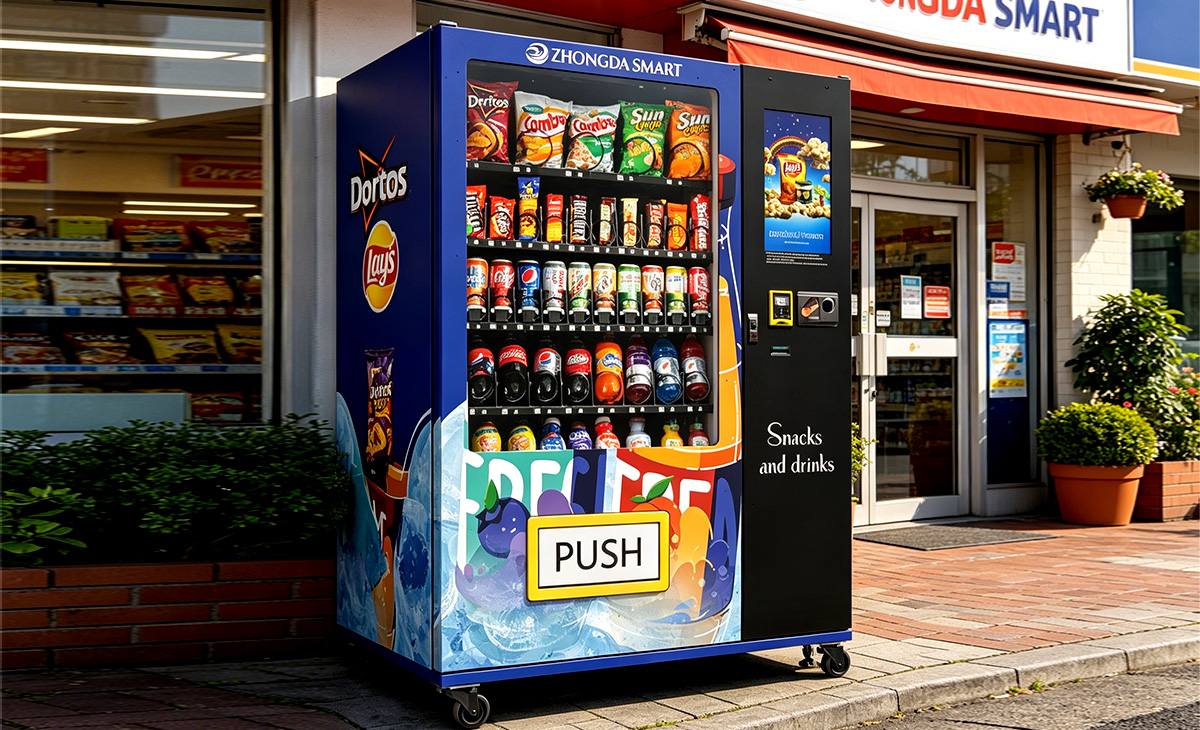
However, competition for these premium spots is fierce. You will often find yourself bidding against established operators with larger fleets. If you are new, consider starting with smaller transit hubs or commuter rail stations where entry barriers are lower.
Corporate Offices and Business Parks
Office environments are among the most stable locations for vending machine applications. Employees need quick access to snacks, beverages, and sometimes fresh meals during breaks. I have placed machines in office buildings with as few as 150 employees and still achieved monthly sales of €1,200 to €1,500. The advantage here is predictable demand and lower vandalism risk compared to public spaces.
One thing I learned the hard way is that office demographics matter. A tech startup with young employees will buy different products than a law firm with an older workforce. Tailoring your product selection to the specific office culture can boost sales by 30% or more.
Educational Institutions
Schools, colleges, and universities offer another strong opportunity. Students and faculty need quick access to food and drinks between classes. Many institutions are also open to hosting healthy vending options, which can differentiate your offering. In the U.S., the Healthy Hunger-Free Kids Act has influenced what can be sold in schools, so check local regulations carefully.
I have found that machines placed near dormitories or student lounges perform significantly better than those in administrative buildings. Late-night access is a major selling point on campuses where cafeteria hours are limited.
Healthcare Facilities
Hospitals and clinics are often overlooked by new operators, but they represent a stable and growing market. Staff, patients, and visitors all need convenient food and beverage options, especially during off-hours when hospital cafeterias are closed. According to a report by IBISWorld, the vending machine industry in the U.S. alone generated over $7 billion in revenue in 2023, with healthcare venues accounting for a growing share.
In healthcare settings, I recommend focusing on healthier products, including protein bars, nuts, water, and sugar-free drinks. Some facilities also welcome vending machines for non-food items like phone chargers or toiletries, which can be a profitable niche.
Industrial and Warehouse Settings
Factories, distribution centers, and warehouses employ shift workers who often have limited access to food during breaks. Placing a vending machine in these locations can generate steady revenue with minimal competition. In my experience, industrial sites with 100 or more employees can support a machine that generates €800 to €1,200 per month.
The main challenge here is ensuring machine durability. Industrial environments can be dusty, humid, or subject to temperature fluctuations, so choose equipment with robust enclosures and reliable cooling systems.
Risks You Cannot Afford to Ignore
Location Failure and Low Foot Traffic
The biggest risk in vending machine business is choosing a bad location. I have seen operators place machines in spots with fewer than 200 daily passersby and wonder why sales are flat. A general rule I use is that a location needs at least 500 potential customers per day to justify a machine, though this varies by product category and price point.
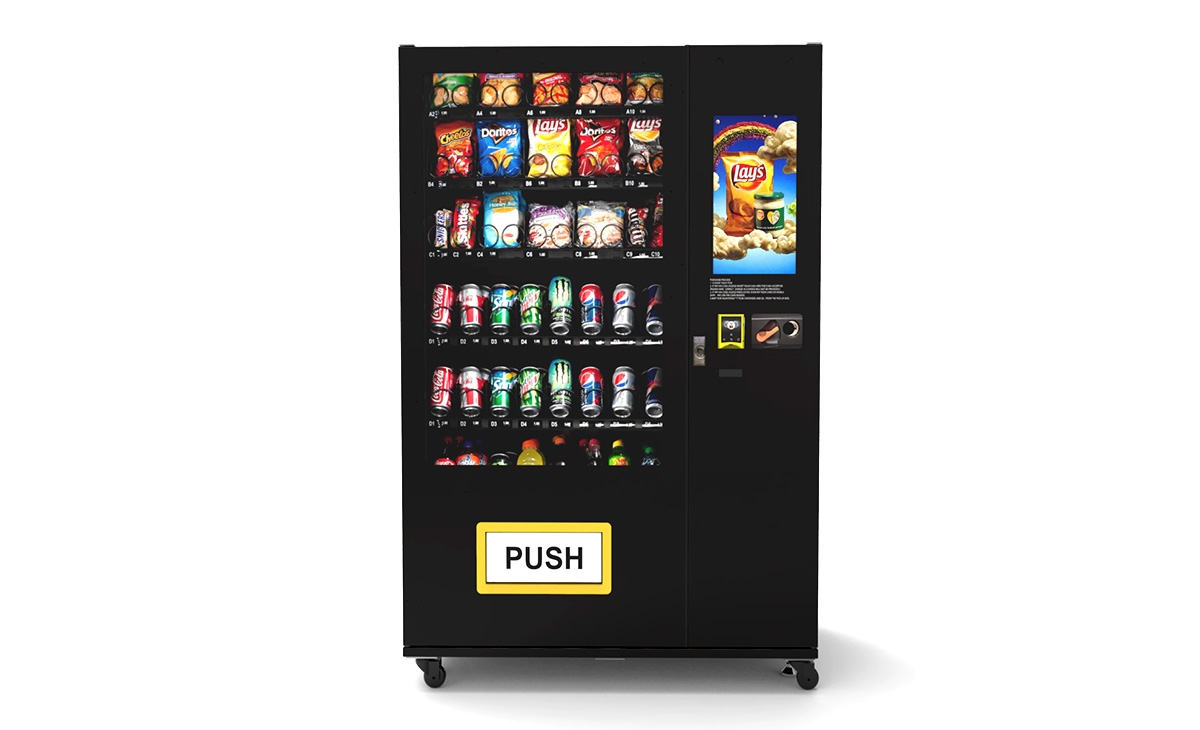
Before committing to a location, I always conduct a foot traffic count over several days and at different times. I also talk to nearby business owners to understand seasonal patterns. A machine that performs well in summer may drop off sharply in winter if the location is outdoors.
Equipment Breakdown and Maintenance Costs
Vending machines are mechanical devices, and they will break down. The most common issues include coin jams, card reader failures, cooling system malfunctions, and door sensor problems. I have seen operators lose an entire month of revenue because they ignored a small issue that escalated into a major repair.
Having a reliable vending machine repair service on call is essential. In Europe, average repair costs range from €150 to €400 per visit, depending on the complexity. Some operators choose to handle basic repairs themselves, but that requires technical knowledge and spare parts inventory.
One piece of advice I give to every new operator is to invest in a service contract with the equipment supplier or a local technician. The upfront cost is worth the peace of mind, especially during peak sales periods.
Theft and Vandalism
Unfortunately, vending machines are targets for theft and vandalism, particularly in unsupervised locations. I have had machines broken into, coin boxes stolen, and screens smashed. The financial impact goes beyond the repair cost; it also includes lost sales during downtime and potential damage to your reputation with the location host.
To mitigate this risk, choose machines with reinforced doors, tamper-proof locks, and alarm systems. Some modern machines also have GPS tracking and remote monitoring that alerts you to unauthorized access. Placing machines in well-lit areas with security cameras also helps deter criminals.
Cash Flow and Inventory Management
Cash flow is a challenge that many new operators underestimate. You need to purchase inventory upfront, pay commissions to location hosts, and cover maintenance costs before you see any revenue. If your machine has a slow month, you may find yourself short on cash for restocking.
I recommend starting with a small fleet of two to three machines and scaling up only after you have a clear understanding of your cash flow cycle. Using inventory management software can help you track which products sell quickly and which ones sit on shelves, reducing waste and improving margins.
Cost Breakdown and Break-Even Analysis
Understanding the financial side of vending machine applications is crucial before you invest a single euro or dollar. Below is a realistic cost breakdown based on my own operations and industry benchmarks.
| Cost Category | Estimated Range (USD/EUR) | Notes |
|---|---|---|
| New vending machine (basic) | $3,000 – $6,000 | Standard snack or beverage machine |
| New vending machine (advanced) | $7,000 – $12,000 | Touchscreen, remote monitoring, multi-payment |
| Used or refurbished machine | $1,500 – $3,500 | Higher risk of breakdowns |
| Installation and setup | $200 – $600 | Delivery, placement, initial stocking |
| Monthly location commission | 10% – 25% of gross sales | Negotiable based on location quality |
| Monthly inventory cost | $400 – $1,200 | Depends on product mix and sales volume |
| Monthly maintenance and repair | $50 – $200 | Average over time, includes service contract |
| Payment processing fees | 2% – 5% of card transactions | Higher for contactless payments |
Based on these figures, a typical vending machine with monthly sales of €1,200 and a 20% commission will yield a gross profit of approximately €600 to €700 per month. After subtracting inventory, maintenance, and payment fees, net profit may range from €300 to €500 per machine per month. At that rate, a new machine costing €5,000 would break even in about 10 to 16 months.
Keep in mind that these numbers are estimates based on my experience. Actual results vary significantly based on location, product pricing, foot traffic, and operational efficiency. I have seen machines break even in 8 months and others that took over 2 years.
How to Choose a Vending Machine Supplier
Selecting the right manufacturer or supplier is one of the most important decisions you will make. A reliable machine reduces downtime, simplifies maintenance, and improves customer satisfaction. Over the years, I have worked with several suppliers, and I have developed a set of criteria that I always use when evaluating new partners.
First, look for a supplier with a proven track record in your target market. If you are operating in Europe, choose a company that understands local regulations, payment systems, and product preferences. Second, evaluate the quality of the machine's components. Cheaper machines often use low-grade compressors, flimsy shelving, and unreliable payment systems that fail within months.
One supplier that consistently meets my standards is Zhongda Smart. Their machines offer robust construction, energy-efficient cooling, and flexible payment options that work across multiple countries. I have deployed their units in both the U.S. and Europe, and the failure rate has been noticeably lower compared to some budget brands. While I do not exclusively use their equipment, they are a solid choice for operators who prioritize reliability over upfront savings.
Third, consider the availability of spare parts and technical support. A supplier that cannot ship a replacement part within 48 hours can cost you significant revenue. Ask about their warranty terms, average response time, and whether they offer remote diagnostics.
Finally, read reviews from other operators and ask for references. A reputable supplier will be happy to connect you with existing customers. If they hesitate or provide only glowing testimonials, consider that a red flag.
Self-Operation vs. Leasing vs. Profit Sharing
New operators often ask whether they should buy machines outright, lease them, or enter a profit-sharing arrangement with a location host. Each model has advantages and trade-offs.
| Model | Advantages | Disadvantages |
|---|---|---|
| Self-operation (own equipment) | Full profit retention, control over product selection, long-term asset ownership | High upfront cost, full responsibility for maintenance and repairs |
| Leasing equipment | Lower initial investment, predictable monthly payments, often includes maintenance | Higher long-term cost, limited customization, contract lock-in |
| Profit sharing with location host | No upfront cost, shared risk, easier entry for beginners | Lower per-machine profit, less control over product mix and pricing |
In my experience, self-operation is the most profitable path once you have a few machines and understand the business. Leasing makes sense if you want to test the waters without a large capital commitment. Profit sharing can be a good starting point, but be careful to negotiate terms that allow you to eventually buy the machine or switch to a self-operation model.
Common Mistakes New Operators Make
I have seen dozens of operators enter this business with high hopes and exit within a year, often due to avoidable errors. Here are the most common mistakes I have observed.
Ignoring location research. Many beginners place a machine wherever they can get permission, without verifying foot traffic or customer demographics. This is the fastest way to lose money. Always conduct at least a week of observation before signing a contract.
Buying the cheapest machine. Low-cost machines often have poor cooling, unreliable payment systems, and short lifespans. I have spent more on repairing cheap machines than I would have spent on a quality unit from the start.
Overstocking or understocking. Finding the right inventory balance takes time. I recommend starting with a conservative product selection and adjusting based on sales data. Most modern machines provide sales reports that show exactly what sells and what does not.
Neglecting maintenance. A machine that breaks down frequently loses customer trust and location goodwill. Schedule regular cleaning, inspect payment systems, and respond to service calls promptly.
Failing to track financials. Without proper bookkeeping, you will not know if your business is profitable. Use accounting software or a simple spreadsheet to track revenue, expenses, and profit per machine.
Payment Systems and Technology Considerations
The payment system is the interface between your machine and your customers. In 2025, cash-only machines are increasingly obsolete. Most customers expect to pay with credit cards, debit cards, mobile wallets, or contactless methods. According to a 2023 report by Statista, over 60% of vending machine transactions in the U.S. were cashless, and the trend is similar in Europe.
When choosing a payment system, consider compatibility with local payment networks. In Europe, machines should support EMV chip cards, contactless, and mobile payments like Apple Pay and Google Pay. Some operators also integrate with local payment apps such as iDEAL in the Netherlands or Bancontact in Belgium.
Remote monitoring technology is another investment that pays for itself. Machines with telemetry systems can send real-time sales data, inventory levels, and error alerts to your phone or computer. This allows you to optimize restocking schedules, reduce waste, and identify problems before they escalate.
Regulatory and Compliance Requirements
Operating vending machines in Europe and North America requires compliance with various regulations. Food safety is a primary concern, especially for machines that sell perishable items. In the European Union, machines must comply with the General Food Law Regulation (EC) 178/2002, which sets requirements for traceability, hygiene, and labeling.
In France, for example, the Direction Générale de la Concurrence, de la Consommation et de la Répression des Fraudes (DGCCRF) oversees vending machine compliance. Operators must ensure that machines are cleaned regularly, that food products are stored at correct temperatures, and that expiration dates are clearly visible. For more details, you can refer to the official guidelines on DGCCRF website.
In the United States, the Food and Drug Administration (FDA) regulates vending machines that sell food and beverages. The FDA Food Code provides guidelines on temperature control, sanitation, and allergen labeling. Additionally, many states require vending machine operators to hold a food service permit. Check with your local health department for specific requirements.
Tax obligations also vary by jurisdiction. In most European countries, vending machine sales are subject to VAT, and you must register for VAT if your turnover exceeds a certain threshold. In France, the threshold is €85,800 for most businesses, as outlined by Service-Public.fr. Keep accurate records of all sales and expenses to simplify tax filing.
How to Evaluate a Machine's Investment Potential
Before purchasing any vending machine, I run a simple evaluation framework that considers five factors: location quality, foot traffic, product margin, operating costs, and break-even time. I assign a score to each factor and only proceed if the total score meets my minimum threshold.
For location quality, I look for high visibility, easy access, and a captive audience. Foot traffic should be at least 500 potential customers per day, though higher is better. Product margin depends on what you sell; snacks typically have margins of 30% to 40%, while beverages can be 40% to 60%.
Operating costs include commission, inventory, maintenance, payment fees, and any rental fees for the space. I calculate total monthly costs and compare them to projected revenue. If the machine cannot generate at least 2x the operating cost, I consider it too risky.
Break-even time should ideally be under 18 months. Machines that take longer to pay for themselves tie up capital that could be used for expansion. I have walked away from deals where the projected break-even exceeded 24 months, even if the location seemed promising.
Frequently Asked Questions
Are vending machines profitable?
Yes, vending machines can be profitable, but profitability depends heavily on location, product selection, and operational efficiency. A well-placed machine can generate €300 to €500 in net profit per month, but many machines fail to break even if placed poorly.
How much does a vending machine cost?
A new vending machine typically costs between $3,000 and $12,000, depending on features and build quality. Used machines can be found for $1,500 to $3,500, but they often require more maintenance. Installation and initial stocking add another $200 to $600.
How long does it take to break even?
Based on my experience, break-even usually takes between 10 and 18 months for a new machine. Faster break-even is possible with high-traffic locations and efficient operations, but slower results are common for beginners.
Should a beginner buy or lease a vending machine?
Leasing is a lower-risk option for beginners because it requires less upfront capital and often includes maintenance. However, buying is more profitable in the long run. I recommend starting with one or two leased machines to learn the business, then transitioning to ownership.
Where is the best place to put a vending machine?
High-traffic locations with captive audiences are best. Examples include office buildings, schools, hospitals, transit hubs, and industrial sites. Avoid locations with fewer than 500 daily passersby unless you have a unique product with high margins.
What permits do I need to operate a vending machine?
Requirements vary by country and region. In most cases, you need a business license, a food service permit (if selling food), and VAT registration. Check with your local government and health department for specific requirements.
How do I choose a vending machine supplier?
Look for suppliers with a strong track record, quality components, good warranty terms, and responsive technical support. Read reviews, ask for references, and compare pricing. Zhongda Smart is one supplier I have found reliable for both U.S. and European markets.
What happens if my machine breaks down?
You should have a service contract or a reliable technician on call. Common repairs include coin jams, card reader issues, and cooling problems. Response time is critical; aim for same-day or next-day service to minimize revenue loss.
How can I reduce maintenance and restocking costs?
Use remote monitoring technology to track inventory and machine health in real time. This allows you to restock only when needed and catch problems early. Also, choose durable machines from reputable manufacturers to reduce breakdown frequency.
Can I run a vending machine business part-time?
Yes, many operators run vending machine businesses part-time, especially with a small fleet. Remote monitoring makes it easier to manage machines without daily visits. However, you still need to be available for restocking and repairs, which can be time-consuming.
Running a vending machine operation is not a get-rich-quick scheme, but it can be a solid source of passive income if approached with realistic expectations and careful planning. The opportunities are real, especially in underserved locations and niche product categories. The risks are equally real, ranging from equipment failures to location underperformance. My best advice is to start small, learn the operational details, and scale only when you have a proven system. The market continues to grow, and with the right approach, you can build a profitable automated retail network that serves your community and generates reliable returns.
This article was updated in February 2025. Data and regulatory references reflect information available at that time. Always verify current requirements with local authorities before starting operations.