How to Choose the Right Dispenser Vending Machine_ Complete Beginner's Guide
If you are seriously considering entering the vending machine business in the U.S. or Europe, the first question you need to answer is not which machine to buy—it is where you will place it. After more than a decade of operating vending routes across different markets, I can tell you that the difference between a profitable machine and a money pit usually comes down to one thing: how well you choose the right dispenser vending machine for a specific location. The machine itself is just a tool. The real skill is matching the equipment, payment system, product mix, and service schedule to the foot traffic and customer behavior at a single site. This complete beginner's guide is built on real operational experience, not theory. I will walk you through every decision point, from evaluating a location to calculating your return, so you can avoid the costly mistakes I have seen too many new operators make.
Understanding What a Dispenser Vending Machine Actually Does
Before you start shopping for equipment, you need to understand that not all vending machines are the same. A dispenser vending machine is any self-service unit that stores and delivers products without a cashier. That sounds simple, but the category includes snack machines, cold drink machines, combination units, frozen food machines, fresh food kiosks, and even specialized machines for electronics or personal care items. In the automated retail world, the term "dispenser" usually refers to machines that use spirals, trays, or belts to push products forward. These are the workhorses of the industry.
Most beginners assume a snack machine and a drink machine are interchangeable. They are not. A snack machine typically uses spiral coils that rotate to drop a product. A drink machine uses a vertical lift or a belt system to handle heavier cans and bottles. If you put canned drinks in a snack machine, you will break the spirals within weeks. If you put chips in a drink machine, they will get crushed. This is the kind of detail that separates operators who lose money from those who build sustainable routes.
Over the years, I have seen operators buy a cheap used machine online, throw it into a low-traffic location, and then wonder why they are losing money. The machine itself was not the problem. The problem was that they did not match the equipment type to the location. A small office with 30 employees does not need a full-size 40-select snack machine. A busy warehouse with shift workers needs a machine that can handle high-volume sales and restocking every two days. Choosing the right dispenser vending machine starts with understanding what the location actually needs to sell.
Why Location Is More Important Than the Machine
I have placed machines in over 200 locations across the U.S. and Europe. Some of those machines made more money in one month than others made in an entire year. The difference was never the brand of the machine. It was the location. A vending machine placed in a high-traffic, captive audience environment—like a factory break room, a hospital staff area, or a college dormitory lobby—will almost always outperform a machine placed in a random retail space with passing foot traffic.
When I evaluate a potential location, I look at three things: the number of people who pass through daily, the amount of time they spend in the area, and whether they have easy access to food and drinks nearby. A location with 200 people per day but no cafeteria or convenience store within walking distance is a goldmine. A location with 1,000 people per day but a Starbucks and a 7-Eleven next door is a trap. I have seen operators lose thousands of dollars by ignoring that simple rule.
Another factor that beginners often overlook is the schedule of the location. A school that closes for summer break will kill your revenue for three months. A factory that runs three shifts will sell more than a factory with only one shift. A hospital runs 24/7 and never closes. These differences matter more than the machine itself. If you are serious about choosing the right dispenser vending machine, you must first choose the right location. The machine is secondary.
Types of Dispenser Vending Machines and Their Real Costs
Let me break down the most common types of vending machines you will encounter, along with the realistic costs based on what I have seen in the market. These are not manufacturer list prices. These are the prices you will actually pay for new equipment from reputable suppliers in the U.S. and Europe.
| Machine Type | Typical Use | New Price Range (USD) | Monthly Revenue Range (Est.) | Common Issues |
|---|---|---|---|---|
| Snack machine (30–40 selections) | Offices, schools, factories | $3,500–$6,000 | $400–$1,200 | Spiral jams, product settling |
| Cold drink machine (cans & bottles) | Warehouses, gyms, hospitals | $4,000–$7,500 | $500–$1,500 | Compressor failure, coin jams |
| Combination snack & drink | Small locations, offices | $5,500–$9,000 | $600–$1,800 | Limited capacity for both |
| Fresh food / refrigerated | Hospitals, corporate cafeterias | $7,000–$12,000 | $800–$2,500 | Short shelf life, spoilage |
| Frozen food machine | Schools, break rooms | $8,000–$14,000 | $700–$2,000 | Power reliability, defrost cycles |
These figures are based on my own route data and conversations with other operators. Your actual results will vary depending on your location, product pricing, and efficiency. The key takeaway is that a cheap machine is not always a bargain. I have seen operators buy a $2,000 used snack machine only to spend $1,500 on repairs in the first year. That is a $3,500 machine with a history of problems. A new machine from a reliable supplier like Zhongda Smart might cost more upfront, but it comes with a warranty, modern payment systems, and lower maintenance costs over the first three years.
Payment Systems: Cash, Card, and Mobile
One of the biggest changes I have seen in the last decade is the shift from cash-only machines to cashless payment systems. In 2024, if you place a cash-only machine in a location where most people carry cards or phones, you will lose at least 30% of potential sales. According to a 2023 report from Statista, cashless payments accounted for over 60% of in-store transactions in the U.S. and over 70% in several European countries. Vending machines are no exception.
When I started, I used coin mechanisms and bill validators. They worked, but they broke often. Coins got stuck. Bill validators jammed. Customers walked away when they did not have exact change. Today, I only install machines with a credit card reader, NFC support for Apple Pay and Google Pay, and a telemetry system that lets me monitor sales remotely. The upfront cost is higher—about $300 to $600 extra per machine—but the increase in sales pays for itself within three to six months.
If you are operating in Europe, you also need to consider local payment preferences. In Germany, cash is still widely used, but card acceptance is growing. In the Netherlands, contactless payments are the norm. In France, many vending machines now accept "sans contact" cards and mobile wallets. A good supplier will help you configure the payment system for your target market. Zhongda Smart, for example, offers customizable payment modules that support major card networks and local e-wallet systems, which saves you the headache of retrofitting later.
How to Evaluate a Vending Machine Supplier
Not all vending machine manufacturers are equal. I have bought machines from at least a dozen different suppliers over the years, and I have learned to ask the same set of questions before making a purchase. First, ask about the warranty. A reputable supplier should offer at least two years on the compressor and one year on electronics. If a supplier offers only 90 days, walk away.
Second, ask about spare parts availability. A machine that breaks down and takes three weeks to get a replacement board is a machine that loses you money. I prefer suppliers that stock common parts like spirals, motors, and control boards locally or can ship them within 48 hours. Third, ask about payment system integration. Some suppliers sell machines that only work with their proprietary payment system. That locks you in. I recommend suppliers that use standard protocols like MDB or DEX, so you can swap out the payment system later if needed.
One supplier I have worked with consistently over the past few years is Zhongda Smart. They manufacture a wide range of vending machines, from small snack units to large fresh food kiosks, and they support multiple payment systems. What I appreciate most is their willingness to customize machines for specific markets. If you are operating in Europe, they can configure the machine with local voltage, coin mechanisms, and language settings. That kind of flexibility is rare, and it saves you time and money on modifications.
Calculating Your Costs and Return on Investment
Let me give you a realistic breakdown of what it costs to start a small vending route with three machines. These numbers are based on my own experience and adjusted for 2024 prices. Keep in mind that costs vary by region, but this will give you a solid baseline.
Initial investment for three machines (new):
- Three combination snack and drink machines: $18,000–$24,000
- Payment systems (cashless readers): $900–$1,800
- Initial product inventory: $1,500–$3,000
- Transportation and installation: $500–$1,000
- Permits and business registration: $200–$800
- Total estimated startup: $21,100–$30,600
Monthly operating costs per machine:
- Product restocking (wholesale cost): $200–$600
- Location commission (10–20% of sales): $50–$200
- Electricity: $15–$40
- Credit card processing fees (2–4%): $10–$40
- Maintenance and repairs (average): $20–$50
- Total monthly cost per machine: $295–$930
Revenue and payback period:
If each machine generates $600 to $1,500 in monthly sales, and your gross margin on products is around 40% to 50%, your net profit per machine will be roughly $150 to $500 per month. That means a $7,000 machine could take 14 to 24 months to pay back, depending on the location. A high-performing machine in a great location can pay back in 10 months. A low-performing machine in a poor location may never pay back.
I always tell new operators to plan for a 18-month payback period. If you see a faster return, that is a bonus. If it takes longer, you still have a viable business. But if you are expecting to make your money back in six months, you are setting yourself up for disappointment.
Common Beginner Mistakes I Have Witnessed
Over the years, I have watched dozens of new operators make the same mistakes. Here are the ones I see most often, so you can avoid them.
Mistake 1: Buying used machines without inspection. A used machine that looks clean on the outside can have a failing compressor, corroded wiring, or a worn-out coin mechanism. I once bought a used drink machine that looked perfect. Three weeks later, the compressor died. The repair cost me $800, and I had no sales for two weeks. Always test a used machine under load before buying, or buy from a supplier that offers a warranty.
Mistake 2: Ignoring the product mix. I have seen operators fill a machine with only healthy snacks in a location where people want candy and chips. Sales tanked. You have to match your product mix to the customer base. A gym might sell protein bars and water. A construction site sells soda, chips, and sandwiches. Watch what sells and adjust quickly.
Mistake 3: Overpaying for a location. Some location owners ask for a high commission or a monthly rental fee. If the commission eats up more than 20% of your gross sales, you will struggle to make a profit. I always negotiate a sliding commission based on sales volume. If the location wants a fixed rent, I walk away unless the traffic is exceptionally high.
Mistake 4: Neglecting maintenance. A machine that breaks down and stays broken for a week loses customer trust. People stop using it. I schedule a preventive maintenance check every three months. It costs me about $100 per visit, but it prevents most major breakdowns.
Mistake 5: Not tracking data. If you do not know which products sell and which do not, you are guessing. Modern machines with telemetry give you real-time data. Use it. I review my sales data every week and adjust pricing and product selection accordingly. A product that does not sell for two weeks gets replaced.
Best Locations for Dispenser Vending Machines
Based on my experience, here are the types of locations that consistently perform well for vending machines in the U.S. and Europe.
- Manufacturing and warehouse facilities: High foot traffic, captive audience, long shifts. Workers need snacks and drinks during breaks. These locations often have no nearby food options.
- Hospitals and medical centers: Open 24/7, staff and visitors need access to food and drinks at all hours. Fresh food machines do especially well here.
- Schools and universities: Large student populations with limited break times. Snack and drink machines are staples. Be aware of school policies on sugary drinks and snacks.
- Office buildings: Good for combination machines if the office has at least 100 employees. Smaller offices may not generate enough volume.
- Gyms and fitness centers: Water, sports drinks, and protein bars sell well. Avoid sugary sodas in most gyms.
- Transportation hubs: Train stations, bus terminals, and airports can be high volume, but they often have high rents and competition. Only enter if you have a strong relationship with the facility manager.
One location type that beginners often overlook is auto repair shops and car dealerships. Customers wait for their cars and often want a drink or snack. I have placed machines in three auto shops, and all of them perform above average.
How to Decide Between Buying, Leasing, or Partnering
New operators often ask me whether they should buy a machine outright, lease it, or enter a profit-sharing agreement with a location. Here is my honest take based on what I have seen work.
| Model | Upfront Cost | Monthly Cost | Profit Potential | Risk Level | Best For |
|---|---|---|---|---|---|
| Buy outright | High ($3,000–$12,000) | Low (maintenance only) | High (you keep all profit) | Medium (machine depreciation) | Operators with capital and multiple locations |
| Lease from supplier | Low ($0–$500 down) | Medium ($100–$300/mo) | Medium (lease payments reduce margin) | Low (no ownership risk) | Beginners testing the market |
| Profit-sharing with location | Low (location provides space) | Low (no rent, split sales) | Low to medium (split 50/50 to 70/30) | Low (no equipment cost) | Operators with no capital |
In my experience, buying outright gives you the best long-term return if you have the capital and you choose good locations. Leasing is a smart way to test a market without committing a large sum. Profit-sharing can work, but you need a strong location partner who understands that the machine requires regular service. I have seen profit-sharing deals fall apart because the location owner expected the machine to run itself.
Maintenance and Repair: What You Need to Know
Vending machine repair is an unavoidable part of this business. Even the best machines break down. The most common issues I have dealt with include jammed spirals, faulty coin acceptors, dead bill validators, and compressor failures. If you are not handy with basic tools, you will need to budget for a repair service. In the U.S., a service call typically costs $75 to $150 per visit, plus parts. In Europe, rates vary by country but are generally similar.
I recommend learning basic troubleshooting yourself. Replacing a spiral motor, cleaning a coin mechanism, or resetting a control board are simple tasks that can save you hundreds of dollars per year. Many suppliers, including Zhongda Smart, provide video tutorials and wiring diagrams with their machines. Take advantage of that support.
One thing I always tell beginners: do not ignore small problems. A machine that occasionally jams will eventually jam more often. Fix it immediately. Customers who see a "sold out" light on a machine that is actually full will stop using it. Your reputation depends on reliability.
How to Use Sales Data to Improve Your Business
Modern vending machines generate a wealth of data. If you are not using it, you are flying blind. I check my sales data every week. I look at which products sell best, which ones sit on the shelf, and what time of day sales peak. This data tells me when to restock, what to price, and whether the location is still worth keeping.
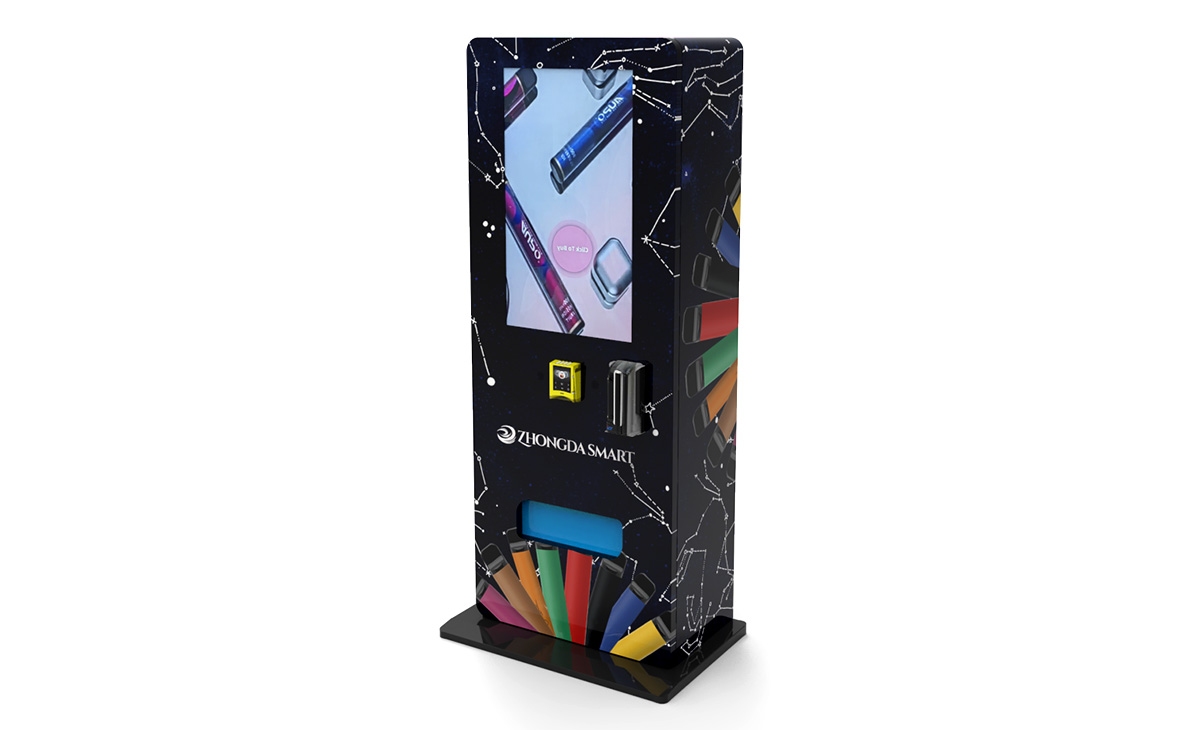
For example, I once had a machine in an office building that sold well for six months, then sales dropped by 40%. The data showed that sales were declining during lunch hours. I visited the location and found that a new sandwich shop had opened across the street. I adjusted my product mix to focus on snacks and drinks instead of sandwiches, and sales recovered partially. Without the data, I would have assumed the machine was broken.
If a machine consistently underperforms for three months, I move it to a new location. The cost of moving a machine is about $200 to $400. That is cheaper than letting it sit in a bad spot for a year. Data-driven decisions are what separate profitable operators from hobbyists.
Legal and Regulatory Considerations
Operating a vending machine business requires some paperwork. In the U.S., you need a business license, a seller's permit, and sometimes a health department permit if you sell fresh food. In Europe, the requirements vary by country. In France, for example, you must register with the Chamber of Commerce and comply with food safety regulations if you sell perishable items. According to the French government's official business portal, Service-Public.fr, any business selling food must follow hygiene standards and may be subject to inspection.
In the U.K., the Food Standards Agency provides guidelines for vending machine operators. In Germany, the Gewerbeamt requires a trade license. I recommend checking with your local business authority before placing your first machine. The cost of compliance is usually low, but the cost of non-compliance can include fines or having your machine seized.
How to Choose the Right Dispenser Vending Machine for Your First Route
If you are starting with one machine, I recommend a combination snack and drink machine. It gives you the flexibility to sell both types of products, and it fits in most locations. Look for a machine with a modern payment system, a reliable compressor, and a telemetry option. Avoid machines that require proprietary software or expensive service contracts.
When comparing suppliers, ask about lead time, shipping costs, and after-sales support. A supplier that offers a 24-hour hotline for technical support is worth the extra cost. I have worked with Zhongda Smart on several projects, and their support team has been responsive even across time zones. They also offer customization for European markets, which is a significant advantage if you are operating outside the U.S.
Do not rush the decision. Take your time to visit a location, understand the customer base, and then choose a machine that fits. The right machine in the right place will make you money for years. The wrong combination will cost you time and frustration.
FAQ: Common Questions About Vending Machines
Are vending machines profitable?
Yes, but profitability depends heavily on location, product pricing, and operating costs. A well-placed machine can generate $500 to $1,500 per month in sales with a 40–50% gross margin. After expenses, net profit typically ranges from $100 to $500 per machine per month. Some machines perform better, and some perform worse.
How much does a vending machine cost?
A new snack or drink machine costs between $3,500 and $12,000, depending on size and features. Used machines range from $1,000 to $4,000 but may require repairs. Payment systems add $300 to $600. Total startup for one machine, including inventory, is typically $4,000 to $8,000.
How long does it take to break even?
Based on my experience, a realistic payback period is 12 to 24 months. High-performing machines in excellent locations can pay back in 8 to 10 months. Poor locations may never pay back. Always calculate your payback period before committing to a location.
Should a beginner buy or lease a vending machine?
Leasing is a good option if you want to test the business with low upfront risk. Buying gives you higher profit margins over time. If you have the capital and a solid location, buying is better. If you are unsure, lease for the first year.
Where should I place my first machine?
Look for locations with at least 100 people per day, a captive audience, and limited food options nearby. Factories, warehouses, hospitals, and schools are strong candidates. Avoid locations with existing vending machines unless you can offer a better product or service.
What permits do I need?
In the U.S., you need a business license and a seller's permit. In Europe, requirements vary by country. In France, register with the Chamber of Commerce and follow food safety rules. In Germany, obtain a trade license from the Gewerbeamt. Check local regulations before placing a machine.
How do I choose a vending machine supplier?
Look for a supplier with a solid warranty, local spare parts availability, and good technical support. Ask about payment system compatibility and customization options. Zhongda Smart is one supplier I have used that offers reliable machines and responsive support for international buyers.
What happens if my machine breaks down?
If you are near the machine, you can troubleshoot common issues like jammed spirals or coin jams. For major repairs like compressor failure, call a local vending machine repair technician. Budget $75 to $150 per service call. Preventive maintenance every three months reduces breakdowns.
How can I reduce restocking and maintenance costs?
Use a machine with telemetry to monitor inventory remotely. This lets you restock only when needed. Schedule regular maintenance to catch small problems early. Buy machines from suppliers that offer durable components and easy-to-replace parts.
Final Thoughts from a Decade in the Business
I have seen this industry change dramatically over the past ten years. Payment systems have evolved, machines have become smarter, and customer expectations have risen. But the fundamentals remain the same. A vending machine business is a location business. If you choose the right location, the right machine, and the right product mix, you can build a steady income stream. If you skip the research, you will learn the hard way.
Start small. Place one machine in a strong location. Learn how to service it, read the data, and adjust your approach. Once you have a machine that consistently generates profit, replicate that model. Do not scale until you have a system that works. That is the advice I give to every new operator, and it has never let me down.
This article was updated in May 2025. All cost estimates are based on my personal operational experience and publicly available data from sources including Statista, Service-Public.fr, and industry reports from IBISWorld. Your actual results will vary based on location, market conditions, and operational efficiency.