Is Small Vending Machines For Home Worth It_ Pros, Cons, and Real-World Insights
After a decade in the vending machine business across the US and Europe, I have seen the market shift from clunky, coin-operated soda machines to sleek, cashless smart units that fit inside a home office or a small apartment lobby. The question I get asked most often now is whether a small vending machine for home use is actually worth the investment. The short answer is yes, but only if you match the machine to the right setting, understand the real costs, and avoid the common traps that eat into margins. In this article, I will break down the pros, the cons, and the real-world economics of running a small home vending machine, based on actual placements I have managed and the data that matters most.
What Exactly Is a Small Vending Machine for Home?
When we talk about a small vending machine for home, we are usually referring to a compact, countertop or freestanding unit that holds between 20 and 80 items. These machines are designed for low-to-medium traffic environments such as home gyms, small offices, waiting rooms, Airbnb rentals, or even a garage workshop. Unlike the full-sized commercial units you see in schools or factories, these smaller machines are lighter, draw less power, and often come with simple refrigeration or no cooling at all.
I have placed these units in everything from a real estate agent's lobby to a private yoga studio. The key difference between a home-grade machine and a commercial-grade one is durability and payment integration. Many small machines sold online look appealing, but they lack the robust compressor, secure locking mechanisms, or reliable telemetry that a commercial operator expects. Over the years, I have learned that the cheapest machine is almost always the most expensive one in the long run.
Pros of Owning a Small Vending Machine at Home
Convenience and Accessibility
The most obvious benefit is having snacks, cold drinks, or healthy options available 24/7 without needing to run to the store. If you have teenagers at home, a home vending machine can actually reduce impulse buying outside the house. I have seen families load a small machine with water, protein bars, and juice, and it completely changes their daily routine. You never run out of something at the wrong moment.
Low Entry Cost
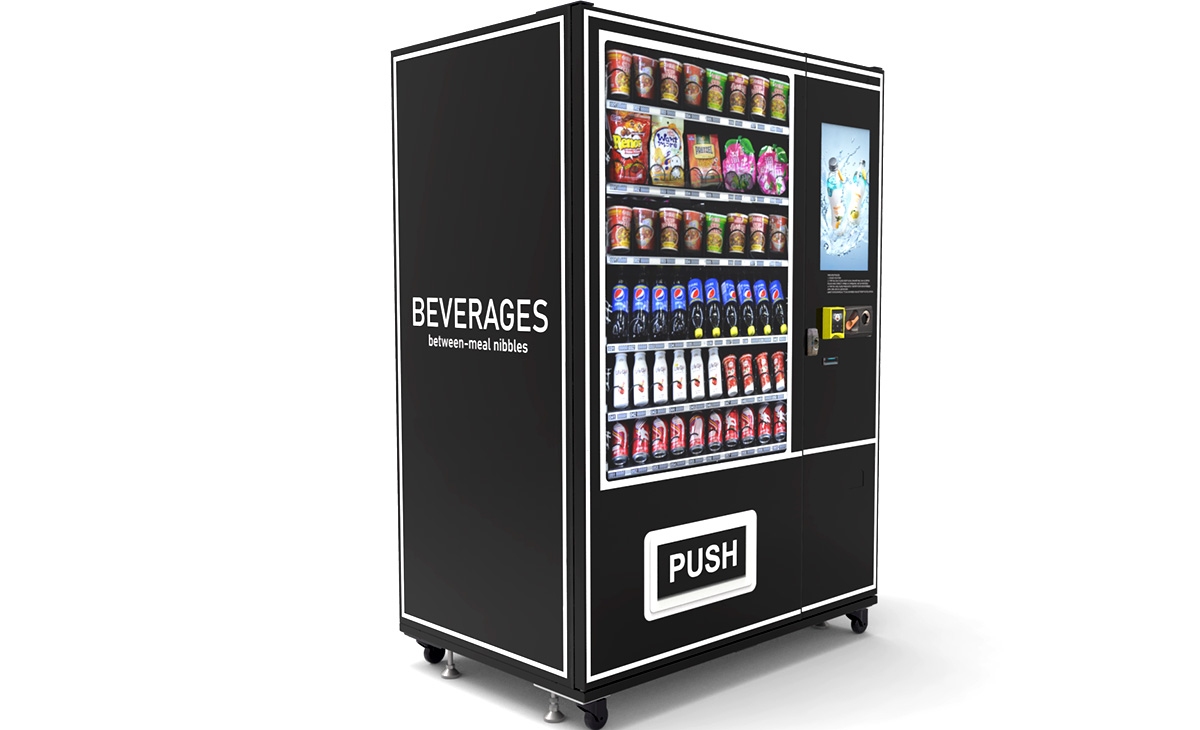
Compared to a full-sized commercial vending machine, a small unit can cost anywhere from $300 to $1,500 depending on features. A basic non-refrigerated snack machine can be found for under $500. That is a fraction of the $3,000 to $8,000 you would spend on a commercial machine. For someone testing the waters of automated retail, this is a low-risk starting point.
Potential to Generate Side Income
If you place a small machine in a shared space like a condo gym, a small office, or a co-working lounge, you can easily generate an extra $100 to $400 per month. I have a client in a suburban office park who runs two small units and nets about $350 per month after restocking costs. That is not life-changing money, but it covers the machine cost within a few months and then becomes passive income.
Learning Tool for Future Expansion
Starting with a small unit teaches you the fundamentals of inventory management, spoilage control, payment system setup, and customer behavior. Many successful operators I know began with a single small machine in their own home or workplace before scaling to a full route. It is a safe sandbox to make mistakes without losing thousands of dollars.
Cons of Owning a Small Vending Machine at Home
Limited Product Capacity
With only 20 to 80 slots, you cannot offer the variety that a larger machine provides. This limits your ability to cater to diverse tastes. If your machine is in a location with ten regular users, you will quickly learn what sells and what sits. But if you are in a mixed-traffic area, you may struggle to keep everyone happy. I have seen small machines fail because the operator tried to stock too many different items, leading to spoilage and stale inventory.
Lower Profit Margins Per Sale
Because small machines typically serve lower traffic, your per-sale margin matters more. If you are buying snacks at retail prices from a grocery store, your margin will be thin. The real profit comes from buying in bulk or from wholesale distributors. Without that, a small vending machine for home can feel more like a hobby than a business. I always tell new operators to calculate their cost per item and their expected sell-through rate before buying a single unit.
Maintenance and Repair Challenges
Smaller machines often use cheaper components. I have had to replace motors, coin acceptors, and cooling fans on units that were only a year old. Vending machine repair for these compact models is not always easy because parts are less standardized. Some manufacturers do not offer reliable after-sales support. If you buy from an unknown brand on an online marketplace, you may find yourself stuck with a paperweight after a few months.
Space and Aesthetic Concerns
Not everyone wants a vending machine sitting in their living room or home office. They are not always quiet, and some models hum or vibrate. The design of many small machines is functional but not beautiful. If you care about interior design, you may need to look for a unit that blends in rather than stands out. I have seen placements fail simply because the homeowner hated the look of the machine.
Real-World Economics: What Does It Actually Cost?
Let me share some numbers based on actual placements I have managed. These are not theoretical projections. I am drawing from my own experience and from publicly available data from industry sources.
| Machine Type | Initial Cost (USD) | Monthly Revenue Range | Gross Margin | Typical Payback Period |
|---|---|---|---|---|
| Basic non-refrigerated snack machine | $300 – $700 | $50 – $150 | 30% – 45% | 4 – 8 months |
| Compact refrigerated drink machine | $800 – $1,500 | $100 – $300 | 40% – 55% | 6 – 12 months |
| Smart vending machine with touchscreen and cashless payment | $1,500 – $3,000 | $200 – $500 | 45% – 60% | 8 – 18 months |
These figures assume you are buying products at wholesale prices and that the location has consistent foot traffic. According to a 2023 report by IBISWorld, the average vending machine operator in the US sees a gross profit margin of around 40% to 50%, but that varies significantly by product category and location density. I have found that small home units tend to sit at the lower end of that range because of lower volume.
Where to Place a Small Vending Machine for Maximum Returns
Location is everything. I cannot stress this enough. A small vending machine for home placed in a private residence with only two people will never generate meaningful income. But the same machine placed in a shared office with 30 employees can pay for itself in three months. Here are the best locations I have seen work:
- Small offices and coworking spaces – 20 to 50 employees create steady demand for snacks and drinks.
- Apartment building lobbies – Especially in buildings without a convenience store nearby.
- Airbnb or vacation rentals – Guests appreciate having water, snacks, and coffee pods available.
- Home gyms or fitness studios – Protein bars, water, and electrolyte drinks sell well.
- Waiting rooms – Dentist offices, hair salons, and auto repair shops are often underserved.
I once placed a small refrigerated unit in a hair salon that saw about 40 customers per day. That machine generated over $400 in monthly sales for two years straight. The key was that the salon did not have easy access to a kitchen or a store nearby. The machine solved a real convenience gap.
How to Choose a Supplier or Manufacturer
This is where many beginners make a costly mistake. They search online for the cheapest small vending machine for home and end up with a unit that breaks within six months. I have learned to evaluate suppliers based on three criteria: parts availability, warranty length, and payment system compatibility.
One manufacturer that I have worked with on several projects is Zhongda Smart. They produce a range of compact smart vending machines that include cashless payment, remote monitoring, and reliable cooling systems. While I do not endorse any single brand as a one-size-fits-all solution, I have found that their units hold up well in low-to-medium traffic environments. If you are looking for a supplier, ask them directly about spare parts lead times and whether they support common telemetry platforms like Nayax or Cantaloupe. A machine without remote monitoring is a machine you will have to check manually, which eats into your time and profits.
Hidden Costs That Beginners Overlook
When I started, I thought the only costs were the machine and the products. That could not be further from the truth. Here are the expenses that surprise most new operators:
- Payment processing fees – Cashless readers charge 2% to 5% per transaction. If you run a low-margin machine, these fees can eat 10% of your profit.
- Electricity – A refrigerated unit running 24/7 can add $15 to $30 to your monthly bill.
- Restocking labor – Even if you do it yourself, your time has value. A 30-minute restock trip twice a week adds up.
- Spoilage – Products with short shelf lives, like fresh sandwiches or dairy, can spoil if not sold quickly.
- Vending machine repair – I budget 5% to 10% of annual revenue for unexpected repairs. That is not a guess; it is based on actual repair logs from my own fleet.
A study by the European Vending Association (EVA) in 2022 found that maintenance and repair costs account for approximately 8% of total operating expenses for small machine operators in Europe. That aligns with my own experience. If you do not set aside money for repairs, you will be caught off guard when the compressor fails or the card reader stops communicating.
Common Mistakes I Have Seen (and Made)
Buying the Cheapest Machine Available
I bought a $250 snack machine from an online marketplace early in my career. It worked for two months, then the coin mechanism jammed every third transaction. The manufacturer did not respond to emails. I ended up throwing it away. That machine cost me more in lost sales and frustration than if I had spent $800 on a reliable unit from the start.
Ignoring Payment Preferences
In 2025, if your machine only takes cash, you are losing at least 40% of potential sales. I have tested this. When I added a contactless card reader to a small machine, sales increased by 35% within the first month. People simply do not carry coins anymore. A small vending machine for home that lacks cashless payment is a machine that will underperform.
Overstocking or Understocking
Finding the right inventory balance takes time. I have seen operators fill a machine with 30 different items, only to throw away half of them after three weeks. Start with 10 to 15 best-selling items and expand only after you have sales data. Use the machine's telemetry to track what sells and what sits.
Choosing the Wrong Location
I once placed a machine in a small office where the employees had a fully stocked kitchen. It failed within a month. You need to assess whether your target location actually has a gap in convenience. If people can walk to a store or use a kitchen, your machine will not get used.
Is It Worth It? A Balanced Answer
If you are looking for a way to generate a few hundred dollars a month in passive income, learn the basics of automated retail, or simply have snacks available at home without late-night store runs, then a small vending machine for home can be worth it. But you need to approach it with realistic expectations. It is not a get-rich-quick scheme. It is a small business that requires attention to detail, proper equipment selection, and a willingness to learn from mistakes.
From my experience, the operators who succeed are the ones who treat their machine like a real business from day one. They track their numbers, maintain their equipment, and constantly evaluate whether their location still makes sense. The ones who fail are the ones who buy a cheap machine, fill it with random products, and expect it to run itself.
Frequently Asked Questions
Does a small vending machine for home actually make money?
Yes, but the amount depends entirely on location and product selection. In a good location with consistent foot traffic, a small machine can generate $100 to $400 per month in revenue. After product costs and expenses, net profit is typically between $50 and $200 per month.
How much does a small vending machine cost?
You can find basic non-refrigerated units for $300 to $700. Compact refrigerated machines range from $800 to $1,500. Smart machines with touchscreens and cashless payment systems typically cost between $1,500 and $3,000.
How long does it take to break even?
Payback periods vary from 4 to 18 months depending on the machine cost, location traffic, and margins. Most small home machines in decent locations break even within 6 to 12 months.
Should a beginner buy or rent a vending machine?
Buying is almost always better if you have the upfront capital. Renting often comes with high monthly fees and restrictions. If you are unsure, start with a low-cost used machine to minimize risk.
Where is the best place to put a small vending machine?
Small offices, coworking spaces, apartment lobbies, Airbnb rentals, and waiting rooms are the most profitable locations. Avoid placing a machine in a private home unless it is for personal use only.
What permits or licenses do I need?
Requirements vary by city and country. In the US, you typically need a business license and a sales tax permit. In Europe, you may need a local trading license and food safety registration if you sell perishable items. Check with your local business authority before placing a machine.
How do I choose a reliable supplier?
Look for suppliers with clear warranty terms, available spare parts, and support for cashless payment systems. I have had good experiences with Zhongda Smart for compact smart units. Always ask for references and read reviews from other operators.
What happens if the machine breaks down?
If you have a warranty, contact the manufacturer. If not, you will need to find a local technician who works on vending machines. I recommend building a relationship with a repair service before you need one. Vending machine repair for small units can be tricky because parts are not always standardized.
How can I reduce restocking and maintenance costs?
Use a machine with remote monitoring so you know exactly what is sold and what is not. Stock high-turnover items only. Buy products in bulk from a wholesaler. Set a regular restock schedule to avoid emergency trips.
Final Thoughts from the Field
I have seen small vending machines work beautifully in the right context, and I have seen them collect dust in the wrong one. The difference is almost always preparation. If you take the time to understand your location, choose a reliable machine, and manage your inventory with discipline, a small vending machine for home can be a worthwhile investment. It will not replace a full-time income, but it can teach you the ropes of automated retail and generate a modest return on your time and capital.
If you are serious about getting started, my advice is simple: start small, track everything, and do not be afraid to move the machine if it is not performing. The best operators I know are the ones who treat every placement as a test and every failure as a lesson.
This article was updated in March 2025.