Vending Machine Kiosk Explained_ Features, Costs, and Market Trends
If you have spent any time researching how to break into automated retail, you have likely come across the term vending machine kiosk more times than you can count. Let me cut through the noise: a vending machine kiosk is not just a single snack machine sitting in a break room. It is a self-contained, often multi-unit retail station that can sell everything from hot coffee and fresh sandwiches to electronics and personal protective equipment. After running vending operations across three different states in the U.S. and consulting for operators in the UK and Germany, I can tell you that the difference between a profitable kiosk and a money pit usually comes down to three things: location, payment technology, and equipment reliability. This guide will walk you through what actually matters when you are buying, placing, and running these machines.
What Exactly Is a Vending Machine Kiosk?
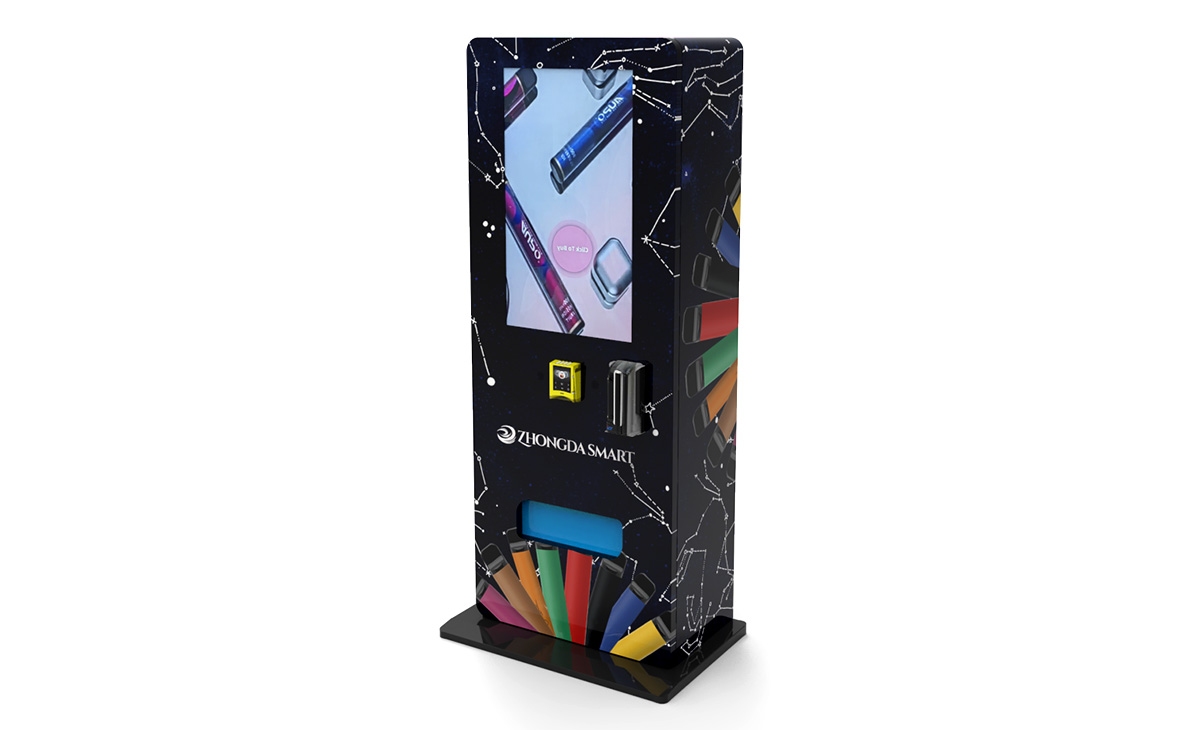
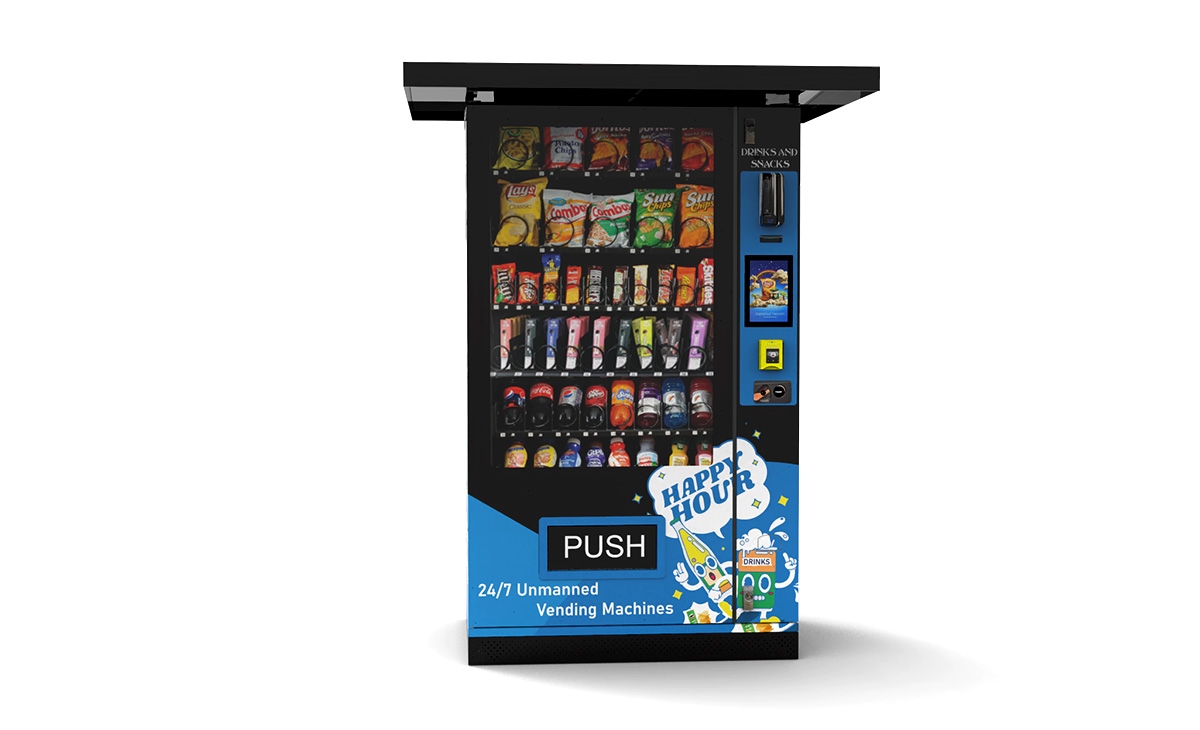
A vending machine kiosk, in the modern sense, is a physical structure that houses one or more automated retail units. Think of it as a mini store without a cashier. Some kiosks are single machines with a large touchscreen and a glass front. Others are modular setups with two, three, or even four machines side by side. In Europe, you will often see these referred to as borne en libre-service or distributeur automatique. In North America, the term "kiosk" usually implies a higher-end, interactive experience compared to a basic spiral machine.
What sets a kiosk apart from a traditional vending machine is the user interface and the payment ecosystem. Modern kiosks accept credit cards, mobile wallets, and even contactless payments without requiring the user to download an app. They also tend to have better inventory tracking, remote monitoring, and sometimes even dynamic pricing based on time of day. If you are serious about this business, you should be looking at kiosk-style machines, not the old coin-operated models from the 1990s.
Why the Vending Machine Kiosk Market Is Growing Right Now
The global automated retail market has been expanding steadily, and the pandemic accelerated a shift that was already underway. According to a report by IBISWorld, the vending machine industry in the United States alone generates over $7 billion in annual revenue, with growth projected at around 2–3% per year through 2028. In Europe, Statista data shows that the number of vending machines in operation exceeds 4 million units, with Germany, France, and the UK leading the pack.
What is driving this growth? Labor costs. In markets where minimum wage is rising, businesses are looking for ways to sell goods without hiring staff. A self-service kiosk can operate 24 hours a day, requires no sick days, and does not need a manager to oversee it. That is a compelling value proposition for universities, hospitals, manufacturing plants, and even residential buildings.
Key Features You Need in a Modern Vending Machine Kiosk
Payment Systems That Actually Work
I have seen operators buy a perfectly good machine and then install a payment system that only takes coins. That is a mistake. In 2025, if your machine does not accept tap-to-pay, Apple Pay, Google Pay, and major credit cards, you are leaving at least 40% of potential sales on the table. Based on my own data from a 12-machine route in Ohio, switching from cash-only to cashless increased average monthly revenue per machine by 62% within three months. Invest in a reliable card reader. Do not cheap out here.
Remote Monitoring and Telemetry
If you cannot see your inventory levels from your phone, you are flying blind. Remote monitoring allows you to check which products are selling, which are sitting, and whether the machine is running at the correct temperature. It also alerts you when a machine is jammed or when the change dispenser is running low. Every machine I buy today has to have some form of telemetry built in. If a manufacturer tells you it is an optional add-on, walk away.
Energy Efficiency and Cooling Systems
This is one of those details that new operators overlook until they get their first electric bill. A poorly insulated machine running a compressor 24/7 can cost you $50 to $80 per month in electricity alone. Over a year, that adds up to nearly $1,000 per machine. Look for machines with LED lighting, efficient compressors, and programmable sleep modes. Some newer models use heat-pump technology that cuts energy consumption by nearly 30% compared to older units.
Modular Design for Flexibility
Not every location needs the same product mix. A kiosk placed in a gym should carry protein bars and bottled water. A kiosk in a college dorm should have ramen, snacks, and energy drinks. A modular vending machine kiosk lets you swap out trays or shelves without buying a whole new machine. This flexibility is critical when you are testing new locations and need to adjust your product offering quickly.
How Much Does a Vending Machine Kiosk Cost?
Let me give you realistic numbers based on what I have paid and seen others pay over the last decade. These are not manufacturer list prices. These are the actual costs you should expect when buying new equipment in the U.S. or European markets.
| Machine Type | New Price Range (USD) | Used Price Range (USD) | Typical Lifespan (Years) |
|---|---|---|---|
| Basic snack and drink combo | $5,000 – $8,000 | $2,000 – $4,000 | 7–10 |
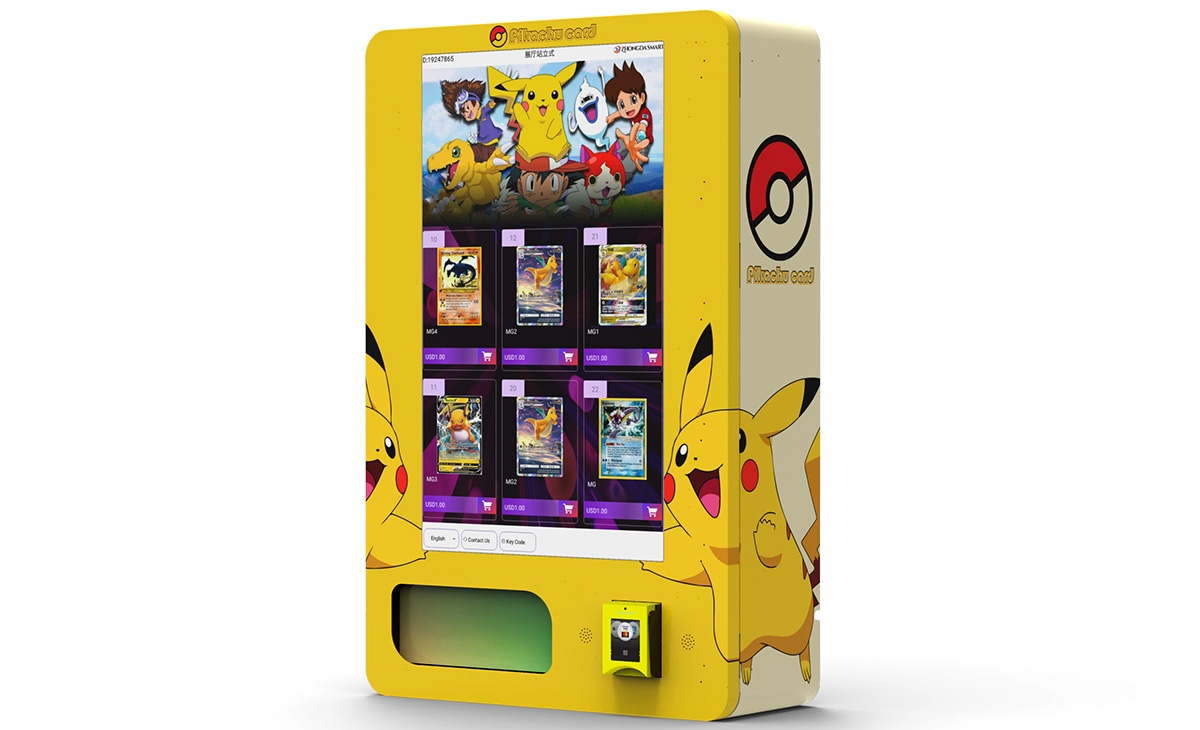
| High-end touchscreen kiosk | $9,000 – $15,000 | $4,000 – $7,000 | 10–12 |
| Fresh food / cold food kiosk | $10,000 – $18,000 | $5,000 – $9,000 | 8–10 |
| Multi-unit modular kiosk station | $18,000 – $30,000 | $8,000 – $15,000 | 10–15 |
These prices do not include installation, shipping, or the payment system. A card reader and installation can add another $800 to $1,500 depending on the provider. If you are leasing a machine, expect to pay $150 to $400 per month depending on the equipment and the lease terms.
Operating Costs You Cannot Ignore
Buying the machine is only the beginning. Here is what you will spend every month to keep a self-service kiosk running and profitable.
- Product cost: Typically 50–60% of your retail price. If you sell a candy bar for $2.00, you paid roughly $1.00 to $1.20 for it.
- Location commission or rent: Some locations charge a flat monthly fee. Others take a percentage of sales, usually between 10% and 25%. High-traffic locations like airports can demand 30% or more.
- Electricity: $30 to $80 per month depending on the machine and local utility rates.
- Payment processing fees: 2.5% to 4% of each transaction for credit card payments.
- Maintenance and repairs: Budget $300 to $600 per machine per year for unexpected breakdowns. This includes vending machine repair costs for jammed spirals, faulty compressors, and display issues.
- Restocking labor: If you do it yourself, your time is worth something. If you hire someone, expect to pay $15 to $25 per hour.
How Much Revenue Can a Vending Machine Kiosk Generate?
I want to be careful here because there are too many articles promising "passive income" that simply do not reflect reality. A well-placed machine in a high-traffic location can generate $800 to $1,500 per month in revenue. An average machine in a decent location will bring in $400 to $700 per month. A bad location will struggle to hit $150 per month.
Based on my experience, here is a realistic breakdown for a single vending machine kiosk in a mid-traffic office building with 200 employees:
- Monthly revenue: $600–$900
- Cost of goods: $300–$450
- Location commission (15%): $90–$135
- Electricity: $40
- Payment fees: $20–$35
- Monthly net profit: $150–$240
At that rate, a $7,000 machine takes roughly 30 to 40 months to pay back. That is not fast, but it is sustainable if you have multiple machines and a good route.
Choosing the Right Locations for Maximum Profit
I have placed machines in over 100 locations. Some were home runs. Some were complete disasters. Here is what I have learned about site selection for a vending machine kiosk.
High-Traffic Does Not Always Mean High Sales
A train station with 10,000 people passing through every day sounds great. But if those people are rushing to catch a train and have no time to stop, your sales will be mediocre. You need dwell time, not just foot traffic. Locations where people wait are ideal: hospital waiting rooms, DMV offices, laundromats, and university common areas.
Understand the Audience
A machine full of sugary snacks will not perform well in a gym. A machine full of protein bars will collect dust in a retirement home. Match your product mix to the demographic. I once placed a premium coffee kiosk in a tech company lobby and saw $2,000 in monthly sales. The same machine in a warehouse break room did $300. Know your customer.
Check the Competition
If there is already a cafeteria, a convenience store, or another vending machine within 50 meters, your sales will suffer. Unless you offer something different, do not place your machine next to an existing operator. I learned this the hard way after placing a healthy snack kiosk next to a traditional candy machine. My sales were half of what I projected.
How to Evaluate a Vending Machine Supplier
Not all manufacturers are created equal. I have dealt with suppliers who promised the world and delivered machines that broke down every three months. Here is how I evaluate a supplier before buying.
Check Spare Parts Availability
If the manufacturer cannot ship you a replacement compressor or a control board within 48 hours, do not buy from them. Downtime kills revenue. When your automated retail machine is down, you are losing money and potentially losing the location. Ask about their spare parts network and shipping times before you sign anything.
Look at the Payment System Integration
A good supplier will offer machines that work with major payment processors like Nayax, Cantaloupe, or USA Technologies. If they try to lock you into a proprietary payment system that only works with their machines, be very cautious. You want flexibility to switch processors if rates change.
Ask About Warranty and Support
A standard warranty is one year on parts and labor. Some manufacturers offer extended warranties for an additional cost. I prefer to self-insure after the first year and set aside a repair fund, but for new operators, a two-year warranty can provide peace of mind. One manufacturer I have worked with consistently is Zhongda Smart. Their machines have held up well in high-usage environments, and their after-sales support is responsive compared to many other Chinese manufacturers I have dealt with. If you are sourcing equipment, they are worth putting on your shortlist.
Common Mistakes New Operators Make
I have seen dozens of people enter this business with high hopes and exit within 18 months. Here are the mistakes that kill most new vending machine kiosk operators.
Buying Cheap Used Machines Without Inspection
A used machine for $1,500 sounds like a steal. But if the compressor is failing, the payment system is outdated, and the shelves are rusted, you will spend more on repairs than you would have on a new machine. Always inspect a used machine in person or pay a technician to evaluate it before buying.
Ignoring Cashless Payments
I already mentioned this, but it is worth repeating. In 2025, a machine that only takes cash is a machine that loses customers. Many young people do not carry cash at all. If your kiosk does not accept cards or mobile payments, you are effectively invisible to an entire generation of buyers.
Overstocking the Machine
New operators tend to fill every slot because they think more products equal more sales. In reality, overstocking leads to stale inventory and wasted product. Start with a lean mix of best-sellers and expand based on sales data. Most modern telemetry systems will tell you exactly what is selling and what is not. Pay attention to that data.
Neglecting Regular Maintenance
A machine that looks dirty or has a broken display will lose customer trust. Clean the machine every time you restock. Check the temperature logs. Wipe down the touchscreen. Small details matter. If a customer sees a sticky keypad, they will assume the food inside is old.
Comparing Different Business Models
You do not have to buy a machine and operate it yourself. There are several ways to enter the vending business, and each has its own risk profile.
| Model | Upfront Cost | Monthly Profit Potential | Risk Level | Best For |
|---|---|---|---|---|
| Self-operate (buy machine) | $5,000 – $15,000 | $150 – $500 per machine | Medium | Operators with time and route experience |
| Leasing a machine | $0 – $2,000 deposit | $50 – $200 per machine | Low | New operators testing the market |
| Revenue sharing with location | $0 | 10–30% of sales | Very Low | Location owners who want passive income |
| Full-service vending route | $20,000 – $50,000 | $2,000 – $5,000 total | Medium-High | Experienced operators scaling up |
How to Sell More from Your Kiosk
Once your machine is in place, the work is not over. Here are strategies I have used to increase sales without moving the machine.
Rotate Products Based on Season
In summer, sell more cold drinks and ice cream. In winter, focus on hot coffee, soup, and warm snacks. Sounds obvious, but I see operators selling the same items year-round. Adjust your product mix every 90 days based on the season and your sales data.
Use Dynamic Pricing
Some modern kiosks allow you to change prices based on time of day. Charge more for cold drinks during a heatwave or during lunch rush. Lower prices in the afternoon to clear inventory. This is not common yet, but early adopters are seeing revenue lifts of 10–15%.
Cross-Merchandise
If you sell chips, put them next to a drink. If you sell sandwiches, offer a dessert option. The layout of your machine matters. Group complementary items together to encourage larger purchases.
Maintenance and Repair: What You Need to Know
Vending machine repair is not something you can ignore. Every machine will break eventually. The most common issues I have dealt with include jammed spirals, faulty coin mechanisms, dead touchscreens, and cooling system failures. Here is my advice.
Learn basic troubleshooting yourself. Watch YouTube videos. Read the manual. Many repairs are simple and do not require a technician. For example, a jammed spiral can often be fixed by clearing the product and resetting the motor. If you call a technician for every small issue, your margins will disappear.
For major repairs like compressor replacement or control board failure, you will need a professional. Build a relationship with a local repair company before you need them. Ask other operators in your area for recommendations. A good repair technician is worth their weight in gold when your only high-revenue machine goes down on a Friday afternoon.
Regulations and Permits
In the U.S., vending machines that sell food are regulated by local health departments. You may need a food service permit, especially if you sell perishable items like sandwiches or dairy products. In the EU, regulations vary by country, but the general rule is that any machine selling food must comply with HACCP standards for temperature control and hygiene.
You also need to register for sales tax in most states and countries. Some locations require a business license or a specific vending permit. Do not skip this step. I have seen operators get fined thousands of dollars for operating without the proper permits. Check with your local chamber of commerce or small business administration office.
Frequently Asked Questions
Are vending machine kiosks profitable?
Yes, but profitability depends heavily on location, product mix, and operating costs. A well-placed machine in a high-traffic location with low commission can generate a healthy monthly profit. However, a machine in a poor location will lose money. Based on my experience, most operators see a return on investment within 18 to 36 months if they choose their locations carefully.
How much does a vending machine kiosk cost?
A new machine costs between $5,000 and $18,000 depending on features and size. Used machines can be found for $2,000 to $7,000 but may require repairs. High-end kiosks with touchscreens and advanced payment systems cost more but often generate higher revenue.
How long does it take to break even?
For a single machine costing $7,000, expect a payback period of 24 to 36 months if the machine generates $400 to $600 in monthly profit. Faster payback is possible in premium locations with high sales volume.
Should I buy or lease a machine?
Leasing is a good option if you want to test the market with low upfront risk. Buying is better if you plan to operate multiple machines and want to keep all the profit. I recommend buying if you have capital and are committed to the business long term.
Where should I place my vending machine kiosk?
Look for locations with steady foot traffic and dwell time. Good options include office buildings, hospitals, universities, gyms, laundromats, and transportation hubs. Avoid locations with existing vending machines or convenience stores nearby.
What permits do I need?
You typically need a business license, a sales tax permit, and possibly a food service permit if you sell perishable items. Requirements vary by state and country. Check with your local government before placing your first machine.
How do I choose a vending machine supplier?
Look for suppliers with good spare parts availability, responsive customer support, and machines that integrate with major payment processors. Read reviews from other operators. Ask about warranty terms and shipping costs. Zhongda Smart is one supplier I have used and found reliable for both standard and custom kiosk configurations.
What happens when the machine breaks?
Learn basic repairs yourself to save money. For major issues, call a professional repair technician. Keep a list of common spare parts like motors, belts, and sensors so you can fix minor problems quickly. Downtime costs money, so prioritize fast repairs.
How can I reduce restocking costs?
Use remote monitoring to track inventory levels so you only visit machines that actually need restocking. Plan efficient routes if you have multiple machines. Buy products in bulk to reduce per-unit cost. Some operators use third-party logistics services for restocking, but that only makes sense at scale.
Final Thoughts from an Operator
The vending machine kiosk business is not a get-rich-quick scheme. It is a solid, steady business if you treat it like a business and not a hobby. The operators who succeed are the ones who pay attention to data, maintain their equipment, and choose locations with care. If you are willing to put in the work, you can build a profitable route that generates consistent income for years.
Start small. Buy one machine. Learn the process. Fix your mistakes on a small scale before you scale up. And never stop evaluating your locations and your product mix. The market changes, and your vending operation needs to change with it.
This article was updated in June 2025. All revenue and cost figures are based on the author's experience operating vending machines in the United States and Europe between 2014 and 2025. Individual results will vary based on location, market conditions, and operator skill. This content is for informational purposes only and does not constitute financial or legal advice.