Best Coffee Vending Machine Supplies in 2026_ Ultimate Guide, Costs, and Buying Tips
If you are looking into coffee vending machine supplies for 2026, you are likely trying to figure out one thing: whether the investment will actually pay off. I have spent over a decade operating vending machines across Europe and North America, and I can tell you that the coffee segment is where the real margins sit, but only if you get the supplies right. From beans and cups to syrups and maintenance parts, the quality of your coffee vending machine supplies directly determines your repeat sales. In this guide, I will walk you through what to buy, what it costs, and what I have learned from both profitable locations and expensive mistakes.
The State of Coffee Vending in 2026
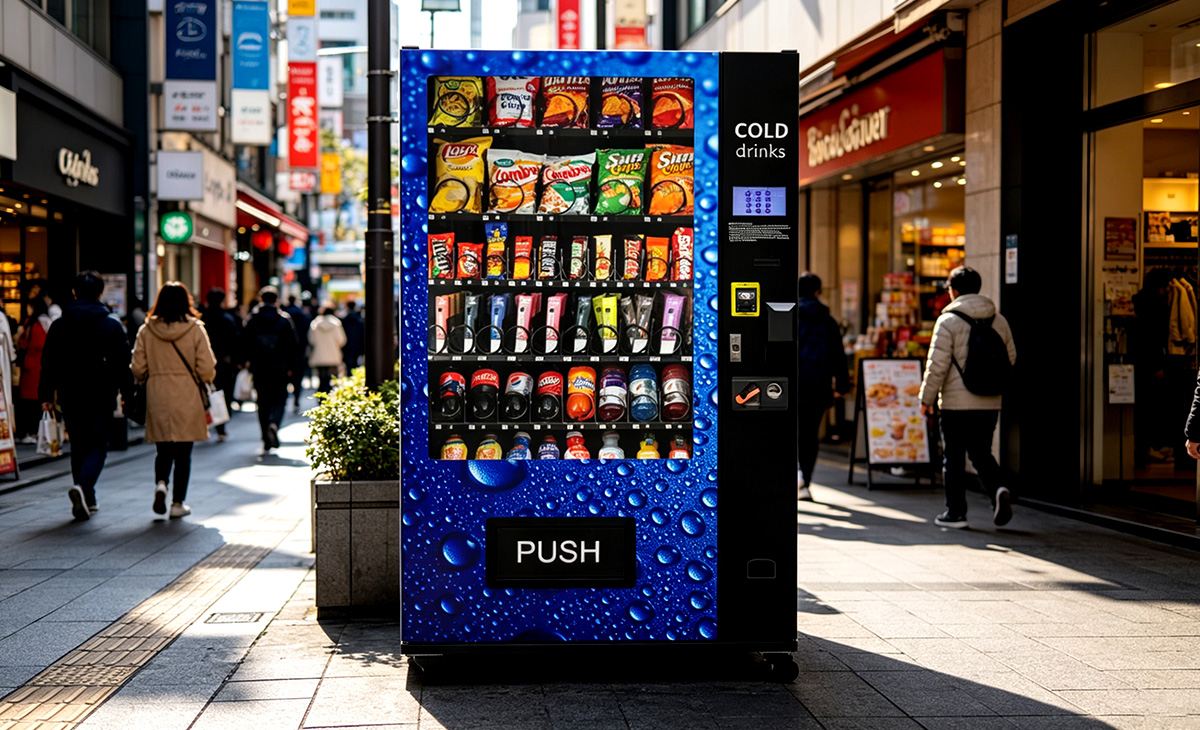
The automated retail landscape has shifted significantly over the past few years. Coffee vending machines are no longer just a convenience; they have become a staple in offices, factories, hospitals, and transit hubs. According to a 2025 report by IBISWorld, the vending machine industry in the United States alone generates over $8 billion annually, with hot beverage machines accounting for a growing share. In Europe, the trend is similar, driven by demand for quality espresso in workplaces. This is not a niche anymore. It is a serious business channel.
What has changed is the expectation of the consumer. People want fresh-ground coffee, milk alternatives, and touchless payment. If you are still thinking about old-school instant coffee machines, you are already behind. The supplies you choose must match the expectation of a 2026 consumer. That means sourcing reliable machines, quality ingredients, and a service network that can keep uptime above 95 percent.
What Are Coffee Vending Machine Supplies?
When I talk about supplies, I mean everything that goes into making the machine profitable. This includes the machine itself, the coffee beans or ground coffee, milk powder or fresh milk systems, cups, lids, stirrers, sugar, sweeteners, cleaning tablets, water filters, and spare parts for vending machine repair. Many new operators focus only on the machine and the coffee, but they forget about the consumables and the backup parts. That is a mistake I have seen cost people thousands in lost revenue.
Core Consumables
The coffee itself is the most obvious supply. For a bean-to-cup machine, you need whole beans with a roast profile that works well in an automated grinder. I have found that medium roasts with a balanced acidity perform best across different palates. Light roasts can taste sour in a vending machine, and dark roasts can leave an oily residue that clogs the grinder. You also need to consider the grind size. Pre-ground coffee is easier but limits freshness. Milk powder is still common in many machines, but more operators are moving to refrigerated fresh milk systems. That raises the supply cost but also raises customer satisfaction.
Cups and Lids
Do not underestimate the importance of cup quality. A flimsy cup that leaks or burns the customer's hand will kill repeat business. I recommend double-wall paper cups with a heat sleeve. The lid is equally important. A poorly fitting lid causes spills and complaints. In 2026, many operators are switching to biodegradable cups to meet local regulations in the EU and parts of the US. This is not just an environmental choice; it is a compliance issue. Several cities in Europe now require compostable packaging for vending machines.
Cleaning and Maintenance Supplies
This is the area where most beginners cut corners. Descaling agents, cleaning tablets for the brew group, and water filters are not optional. A machine that is not cleaned regularly will break down faster and produce bad-tasting coffee. I have seen machines that needed major vending machine repair simply because the operator did not change the water filter on time. Scale buildup destroyed the boiler in less than six months. That repair cost more than the machine itself in some cases.
How Much Do Coffee Vending Machine Supplies Cost?
Let me give you a realistic breakdown based on my own operations. These numbers are estimates from actual locations in the US and Europe, and they will vary depending on your region and volume.
| Supply Category | Monthly Cost (per machine) | Notes |
|---|---|---|
| Coffee beans (bean-to-cup) | $80 – $150 | Depends on roast quality and volume (200–400 cups) |
| Milk powder or fresh milk | $50 – $120 | Fresh milk systems cost more but yield higher sales |
| Cups and lids | $40 – $80 | Biodegradable cups cost 20–30% more |
| Water filters | $15 – $30 | Replace every 3 months minimum |
| Cleaning supplies | $10 – $25 | Includes tablets and descaler |
| Spare parts reserve | $20 – $50 | Brew group seals, valves, sensors |
Total consumable cost per machine per month typically falls between $215 and $455. At an average cup price of $1.50 to $2.50, and selling 50 to 80 cups per day, the gross margin on supplies is around 60 to 70 percent. But that margin disappears quickly if you have high waste or frequent breakdowns.
Choosing the Right Machine: New vs. Used vs. Leased
One of the first decisions you will face is whether to buy new, buy used, or lease. I have done all three, and each has its place. But I will be honest with you: buying a cheap used machine is often a trap. You might save $2,000 upfront, but you will spend that on vending machine repair within the first year. I have seen operators buy a used machine for $1,500 only to spend $3,000 on repairs over 18 months. That is not a saving.
New Machines
New machines come with a warranty, modern payment systems, and better energy efficiency. The initial cost is higher, typically between $5,000 and $12,000 for a commercial-grade bean-to-cup machine. But the total cost of ownership over five years is usually lower because repairs are minimal and the machine is more reliable. If you are placing a machine in a high-traffic location, a new machine is almost always the better choice.
Used Machines
Used machines can work if you know what you are looking for and if you have a good relationship with a technician. I have bought used machines from operators who were upgrading their fleet, and those worked well. But buying from an auction or an online marketplace without inspecting the machine is risky. Check the brew group, the boiler, and the control board. If the machine has more than 50,000 cycles, expect major repairs soon.
Leasing or Revenue Sharing
Leasing is becoming more common, especially for operators who want to test a location without a large upfront investment. Some suppliers offer a revenue-sharing model where they provide the machine and you handle the supplies and maintenance. The split is usually 70/30 or 60/40 in favor of the location owner. I have used this model for locations where I was unsure about the traffic. It lowers risk but also lowers profit.
How to Select a Coffee Vending Machine Supplier
Supplier selection is one of the most important decisions you will make. I have worked with dozens of manufacturers and distributors over the years, and I have learned to look for three things: parts availability, technical support, and machine durability. A supplier that cannot ship a replacement valve within 48 hours is not a supplier you want to rely on.
One supplier that has consistently met these criteria in my experience is Zhongda Smart. They offer a range of coffee vending machines designed for the European and North American markets, with reliable components and good after-sales support. I have used their machines in several locations, and the repair rate has been lower than average. Their machines also support modern payment systems and telemetry, which is essential for remote monitoring. If you are evaluating suppliers, Zhongda Smart is worth putting on your shortlist, but always compare specifications and warranty terms before committing.
Where to Place Coffee Vending Machines
Location is everything. I have seen a great machine fail because it was placed in a low-traffic area, and I have seen an average machine succeed because it was in the right spot. The best locations for coffee vending machines are places where people have a few minutes of downtime and a need for caffeine. Offices with more than 100 employees are ideal. Factories and warehouses are also excellent, especially if there is no cafeteria nearby. Hospitals, universities, and transit stations can work, but the competition is higher and the rent or commission is often higher too.
I always do a foot traffic count before placing a machine. I stand near the proposed location for two hours during peak time and count how many people pass by. If the count is below 50 per hour, I usually pass. I also check for existing coffee options. If there is a Starbucks within 50 meters, your machine will struggle unless your coffee is significantly cheaper or more convenient.
Real Costs: Initial Investment and ROI
Let me give you a realistic picture of the numbers. Based on my own operations and data from the National Automatic Merchandising Association (NAMA), the average initial investment for a single coffee vending machine location is between $7,000 and $15,000. This includes the machine, installation, first batch of supplies, and a small reserve for repairs.
Monthly revenue per machine typically ranges from $800 to $2,500, depending on location and pricing. At a 60 percent gross margin, that gives you $480 to $1,500 in gross profit per month. After deducting rent or commission (usually 10 to 20 percent of revenue) and your own labor, the net profit is often between $300 and $900 per machine per month. That means a payback period of 12 to 24 months for a well-placed machine. For a poorly placed machine, the payback can stretch to 36 months or never happen.
Common Mistakes New Operators Make
I have made plenty of mistakes myself, and I have watched others make the same ones. Here are the most common ones I see.
Ignoring Water Quality
Water quality affects the taste of the coffee and the lifespan of the machine. Hard water will destroy a boiler within a year. Always install a water filter, and test the water hardness before placing the machine. This is a small cost that saves you from expensive vending machine repair later.
Underestimating Maintenance
Many new operators think that once the machine is placed, the work is done. That is not true. You need to visit each machine at least once a week for cleaning and restocking. If you have 20 machines, that is 20 visits per week. If you are not prepared for that labor cost, your machines will break down and your sales will drop.
Choosing the Wrong Payment System
In 2026, cash-only machines are almost obsolete. You need a payment system that accepts credit cards, mobile wallets, and contactless payments. I have seen machines that had excellent coffee but no card reader, and they sold less than half of what a similar machine with a card reader sold. The upfront cost of a modern payment system is around $300 to $600, but it pays for itself within weeks.
Overpricing or Underpricing
Pricing is tricky. If you price too high, people will walk away. If you price too low, you will not cover your costs. I have found that $1.75 to $2.25 per cup is the sweet spot for most office and factory locations in the US. In Europe, the range is typically €1.20 to €1.80. Test your pricing for two weeks and adjust based on sales volume.
How to Evaluate a Location Before Investing
Before you commit to a location, I recommend a three-step evaluation. First, count foot traffic during peak hours. Second, talk to the facility manager or business owner to understand the number of employees, shift patterns, and whether there is any existing coffee service. Third, check the power supply and water connection. Some locations require significant electrical work, which adds to your upfront cost.
I also look at the demographic. A location with mostly younger employees tends to have higher coffee consumption, but they also expect higher quality. A location with an older workforce might prefer simpler options. Adjust your machine configuration and supplies accordingly.
Self-Service Kiosk vs. Traditional Vending Machine
The line between self-service kiosks and traditional vending machines is blurring. Many modern coffee machines are essentially self-service kiosks with touchscreens and customizable options. These machines cost more upfront, but they allow for higher pricing because the customer perceives higher value. In my experience, a self-service kiosk with a touchscreen can command a 20 to 30 percent premium over a traditional button-operated machine.
However, the supply requirements are similar. You still need quality coffee, clean water, and regular maintenance. The main difference is that the kiosk software needs updates, and the touchscreen may require occasional calibration. If you are targeting high-end locations like corporate headquarters or co-working spaces, a self-service kiosk is worth the investment.
Vending Machine Repair and Maintenance Strategy
No matter how good your machine is, it will eventually need repairs. The key is to minimize downtime. I keep a stock of common spare parts for each machine model I operate. This includes brew group seals, outlet valves, sensors, and control boards. I also have a relationship with a local technician who can do repairs within 24 hours. If you are operating in a remote area, you need to be able to do basic repairs yourself.
Telemetry systems have made a big difference. Modern machines can send you alerts when a component is failing or when a supply is low. This allows you to fix problems before they cause a breakdown. I recommend investing in telemetry from day one. It costs about $20 to $40 per month per machine, but it saves you from lost sales and emergency repair calls.
Distributeur Automatique and the European Market
If you are operating in Europe, the term distributeur automatique is common, and the regulations are stricter than in the US. The EU has specific requirements for food safety, packaging, and waste disposal. For example, in France, all vending machines must comply with hygiene regulations that require regular cleaning logs and temperature monitoring. I have seen operators fined for not keeping proper records.
In Europe, the demand for fresh milk systems is higher, and the expectation for organic or fair-trade coffee is growing. If you place a machine in a German or Dutch office, you need to offer at least one organic option. The supply cost is higher, but the willingness to pay is also higher. I have machines in the Netherlands that sell coffee for €2.00 per cup with organic beans, and they perform well.
Borne en Libre-Service and Machine en Libre-Service
The terms borne en libre-service and machine en libre-service are used in French-speaking markets to describe self-service kiosks. These machines are becoming popular in train stations, airports, and shopping centers. The supply requirements are the same, but the volume is much higher. A machine in a busy train station might sell 200 cups per day. That means you need a larger supply inventory and a more frequent restocking schedule.
In these high-volume locations, I recommend using a machine with dual hoppers for beans and a large cup capacity. You also need a payment system that can handle high transaction volumes without slowing down. The margin per cup is lower because of higher rent, but the total profit is higher because of volume.
Solution de Vente Automatisée: Is It Right for You?
Automated retail solutions, or solution de vente automatisée, are not for everyone. If you are looking for a passive income stream, vending machines are not passive. They require regular attention, and the profit margin is not as high as some online courses claim. But if you are willing to put in the work, they can be a solid business with predictable returns.
I have seen people succeed with as few as three machines, and I have seen people fail with fifty machines because they did not have the right systems in place. Start small, learn the supply chain, and scale only when you have a proven model. That is the advice I give to anyone who asks me about getting into this business.
Frequently Asked Questions
Are coffee vending machines profitable?
Yes, they can be profitable, but the profit depends heavily on location, volume, and cost control. A well-placed machine can generate $300 to $900 in net profit per month. A poorly placed machine can lose money. Based on my experience, you need at least 50 cups per day to make a decent return.
How much does a coffee vending machine cost?
A new commercial-grade bean-to-cup machine costs between $5,000 and $12,000. Used machines can cost $2,000 to $5,000, but they often require repairs. Leasing options are available for lower upfront costs.
How long does it take to break even?
For a well-placed machine, the payback period is usually 12 to 24 months. If the machine is in a low-traffic location, it can take 36 months or longer. I always aim for an 18-month payback when evaluating a new location.
Should I buy or lease a machine?
Buying is better if you have the capital and you are confident in the location. Leasing is better if you want to test a location with lower risk. Revenue-sharing models are also available, but the profit split reduces your return.
Where should I place a coffee vending machine?
Offices with more than 100 employees, factories, hospitals, and universities are good options. Avoid locations with existing free coffee or a nearby café. Always count foot traffic before committing.
What permits do I need?
In the US, you typically need a business license and a sales tax permit. In Europe, you need to register with local health authorities and comply with food safety regulations. Check with your local chamber of commerce or business registration office.
How do I choose a supplier?
Look for a supplier with good parts availability, technical support, and reliable machines. Zhongda Smart is one supplier I have used successfully, but always compare warranty terms and support options. Ask for references from other operators.
What happens if the machine breaks down?
You need a repair plan. Either learn to do basic repairs yourself or have a contract with a local technician. Keep spare parts on hand for common failures. Telemetry systems can alert you to problems before they cause a breakdown.
How can I reduce maintenance costs?
Use water filters, clean the machine regularly, and use quality supplies. Preventive maintenance is cheaper than emergency repairs. I spend about $30 per month on preventive maintenance per machine, and it saves me hundreds in repair costs.
Thank you for reading. I hope this guide helps you make better decisions about coffee vending machine supplies. The industry is changing fast, but the fundamentals remain the same: quality supplies, good locations, and consistent maintenance. If you have specific questions about a location or a machine model, talk to other operators and test your assumptions before investing. That is the best advice I can give after more than a decade in this business.
Disclaimer: The information provided in this article is based on my personal experience as a vending machine operator and publicly available data. Revenue and cost figures are estimates and may vary based on location, market conditions, and operational efficiency. I recommend consulting with a financial advisor or industry professional before making any investment decisions.
Sources:
- IBISWorld, "Vending Machine Operators in the US Market Research Report," 2025. ibisworld.com
- National Automatic Merchandising Association (NAMA), "Industry Data and Insights," 2025. namanow.org
- Statista, "Vending Machines in Europe," 2025. statista.com
This article was updated in January 2026.