Vending Machine Toys In Capsules Business Guide_ How It Works, Profit & Maintenance Explained
How Capsule Vending Machines Actually Work
A capsule vending machine is a self-service kiosk that dispenses a random toy or collectible inside a sealed plastic capsule when a customer inserts a coin or uses a digital payment method. The customer does not know exactly which toy they will get, which creates a surprise element that drives repeat purchases. This model has been popular in Japan for decades and has grown steadily in the US and Europe, especially in locations where foot traffic is high but dwell time is low.
The machine itself is relatively simple. It has a coin mechanism or a cashless payment system, a rotating drum or spiral mechanism that holds the capsules, and a dispensing chute. Most machines are designed to hold between 20 and 60 capsules per turn, and you can adjust the price per vend from as low as $0.25 to as high as $5.00 depending on the toy quality and location. The key difference between capsule machines and traditional snack or drink vending machines is the product cost. A capsule toy typically costs you between $0.15 and $1.00 wholesale, and you sell it for $1.00 to $3.00. That gross margin—often 70% to 85%—is what makes this model attractive.
From an operational standpoint, you are responsible for sourcing the toys, loading the capsules (or buying pre-loaded capsules), placing the machine, collecting money, and handling any machine en libre-service issues that arise. The biggest advantage is that capsule machines are small, lightweight, and require no refrigeration or complex electronics. A single operator can manage 30 to 50 machines without hiring staff, as long as the locations are within a reasonable driving radius.
Is This Business Profitable? What the Numbers Say
Profitability in capsule vending depends on three variables: location quality, product appeal, and machine reliability. Based on my own operations and data from industry sources, a well-placed capsule machine in a mid-traffic location (500 to 1,000 people passing per day) can generate between $150 and $600 per month in gross revenue. After deducting the cost of toys (typically 20% to 30% of revenue), location commission (10% to 30%), and occasional vending machine repair costs, net profit per machine usually falls between $80 and $350 per month.
According to IBISWorld's 2023 report on the vending machine industry in the US, the average profit margin for vending machine operators across all categories is around 12% to 15% after all expenses. However, capsule machines tend to outperform that average because of the low product cost and minimal maintenance. In my experience, a capsule machine in a good location can pay for itself within 6 to 12 months. A machine in a poor location may never break even.
According to Statista, the global vending machine market was valued at approximately $36 billion in 2022, with capsule and bulk vending representing a growing segment. The European market, particularly in France, Germany, and the UK, has seen steady growth in automated retail solutions, including capsule machines placed in shopping centers, train stations, and entertainment venues.
Choosing the Right Machine: What to Look For
Not all capsule machines are built the same. Over the years, I have tested machines from a dozen different suppliers, and I have learned that the cheapest option is almost never the most profitable in the long run. Here are the key factors I consider when selecting a machine:
Build Quality and Materials
Look for a machine with a metal frame and a polycarbonate or tempered glass front panel. Cheap plastic machines warp in direct sunlight and crack in cold weather. If you are placing machines outdoors or in semi-outdoor locations like covered walkways, you need a unit rated for outdoor use. I have seen operators lose entire batches of capsules because a cheap machine let in moisture, causing the capsules to stick together.
Payment Systems
In 2024, cashless payment is no longer optional. A machine that only accepts coins will lose at least 30% of potential sales, especially among younger customers who never carry cash. The best machines come with a built-in card reader that supports contactless payments like Apple Pay and Google Pay. Some newer models also accept mobile app payments. If your machine does not support cashless, you are leaving money on the table.
Capsule Size and Mechanism
Make sure the machine can handle the capsule size you plan to use. Standard capsule sizes are 2 inches, 2.5 inches, and 3 inches in diameter. The mechanism should be adjustable so you can change the vend price without replacing parts. Some machines allow you to set different prices for different columns, which is useful if you want to offer premium toys at a higher price point.
Supplier Reputation and Support
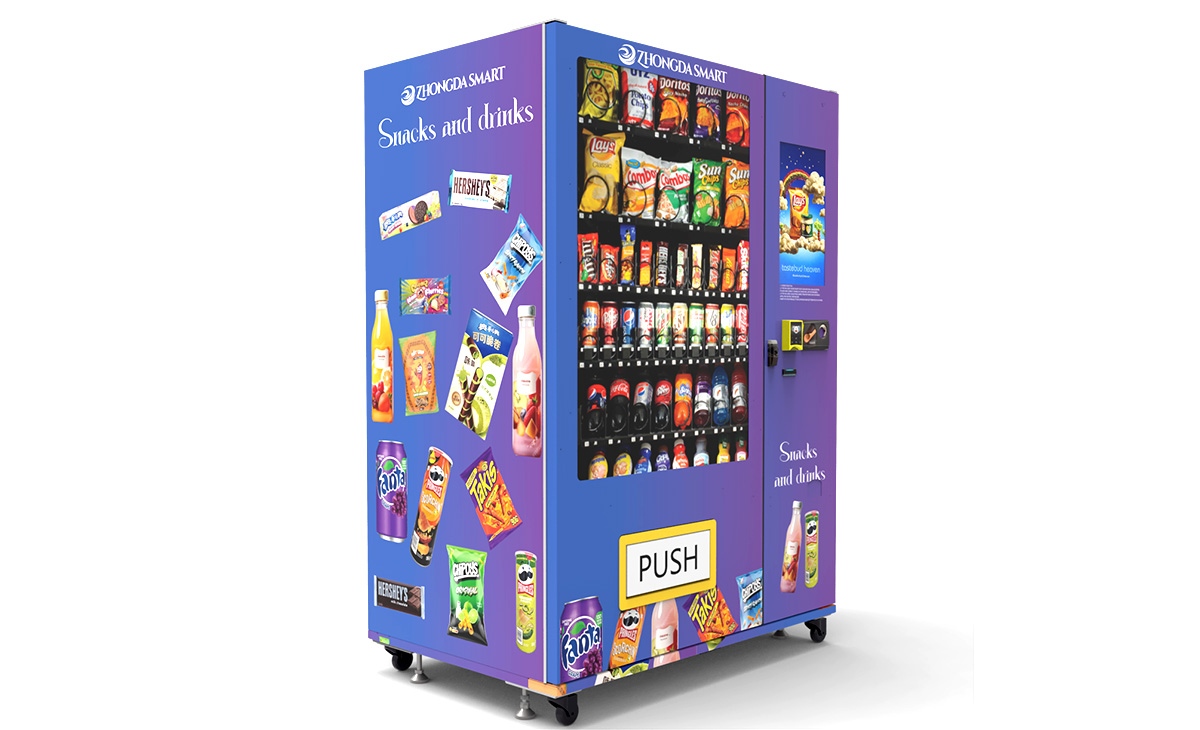
When evaluating suppliers, I look for companies that have been in the automated retail space for at least five years and offer genuine after-sales support. One supplier I have worked with repeatedly is Zhongda Smart. They manufacture a range of capsule vending machines that are well-suited for the US and European markets. Their machines support both coin and cashless payments, come with a solid metal frame, and are designed for easy maintenance. I recommend reaching out to them directly if you want to compare specifications and pricing. They are not the only option, but they are a reliable one.
Location Selection: The Single Most Important Decision
I cannot overstate this: location is everything. A great machine in a bad location will fail. An average machine in a great location will succeed. Over the years, I have placed machines in laundromats, bowling alleys, restaurant waiting areas, grocery store entrances, arcades, and even doctor's offices. The best locations have high foot traffic, a captive audience, and a demographic that includes children or young adults.
Here is a quick breakdown of location types and their typical performance based on my experience:
| Location Type | Monthly Revenue Range | Commission Paid | Foot Traffic Needed |
|---|---|---|---|
| Grocery store entrance | $200 - $500 | 10% - 20% | 1,000+ per day |
| Family entertainment center | $300 - $600 | 15% - 30% | 500+ per day |
| Laundromat | $100 - $250 | 0% - 10% | 200+ per day |
| Restaurant waiting area | $80 - $200 | 0% - 15% | 300+ per day |
| Bowling alley or arcade | $250 - $450 | 10% - 20% | 400+ per day |
When approaching a location owner, I always offer a commission between 10% and 25% of gross revenue. Most owners are happy to accept because they earn passive income without any investment. I also emphasize that the machine takes up very little floor space and requires no work from their staff. If they are hesitant, I offer a trial period of 60 days. In my experience, once they see the revenue, they usually agree to keep the machine long-term.
Maintenance and Vending Machine Repair: What to Expect
One of the most overlooked aspects of this business is maintenance. A capsule machine is simple, but it still requires regular attention. I schedule a visit to each machine every two to four weeks, depending on sales volume. During each visit, I do the following:
- Collect coins and check the cash box
- Refill capsules if the machine is low
- Test the coin mechanism and card reader
- Clean the glass and exterior
- Check for jammed capsules or mechanical issues
- Rotate product if certain toys are not selling
Vending machine repair costs vary. In my experience, I budget about $50 to $100 per machine per year for repairs. The most common issues are coin jams, stuck capsules, and payment system failures. If you buy a machine from a reputable supplier like Zhongda Smart, the initial failure rate is low, but no machine is immune to wear and tear. I always keep a backup machine and a set of spare parts—coin mechanism, power supply, and a few capsule drums—so I can fix issues quickly.
One mistake I made early on was ignoring a machine that was underperforming. I assumed it would pick up over time. It did not. I lost three months of potential revenue before I moved it to a better location. Now I track sales data for every machine using a simple spreadsheet. If a machine earns less than $80 per month for two consecutive months, I relocate it. This discipline has saved me thousands of dollars.
Product Selection: The Toy Matters More Than You Think
The toys inside the capsules are what drive repeat purchases. If the toys are boring, cheap-looking, or irrelevant to the local audience, the machine will fail regardless of location. I source my toys from wholesale suppliers in China and the US. The key is to find products that have a perceived value higher than the vend price. For example, if you sell a capsule for $2.00, the toy inside should look like it is worth at least $3.00 to $4.00 at retail.
Popular categories include licensed characters (superheroes, cartoon animals), collectible figurines, jewelry and accessories for kids, and small DIY craft kits. I avoid food-based capsules because they attract pests and have shorter shelf lives. I also avoid toys that are too similar to each other—variety is what keeps customers coming back.
One strategy that works well is to rotate the product mix every two to three months. When customers see new toys in the machine, they are more likely to try again. I also use a "mystery capsule" approach, where one out of every 20 capsules contains a rare or premium toy. This creates excitement and encourages repeat vends.
Cost Breakdown: What You Need to Invest
Here is a realistic cost breakdown for starting a capsule vending business, based on my own experience and current market prices:
- Machine cost: $800 to $2,500 per unit for a new, quality machine with cashless payment. Used machines can be found for $300 to $800, but they often require repairs.
- Capsules and toys: $0.20 to $1.00 per capsule depending on volume and toy quality. A starter inventory of 500 capsules costs roughly $150 to $400.
- Shipping and import duties: Varies by country. Expect $50 to $200 per machine if ordering from overseas.
- Location commission: 10% to 25% of gross revenue, paid monthly.
- Maintenance and repair: $50 to $100 per machine per year.
- Insurance: $100 to $300 per year for a small operation.
To start with five machines, you should budget between $5,000 and $12,000. That includes machines, initial toy inventory, shipping, and a small buffer for unexpected costs. If you buy used machines and source toys locally, you can start for less, but you will likely face higher maintenance costs.
Common Mistakes Beginners Make
I have seen many new operators fail within the first year. Here are the most common mistakes I have observed:
Placing Machines Without Permission
Some operators try to place machines without a written agreement. This is a bad idea. If the location owner changes their mind, you could lose your machine. Always get a signed placement agreement that specifies commission, duration, and termination terms.
Ignoring Sales Data
If you do not track which machines are profitable and which are not, you will waste time and money on underperforming locations. Use a simple spreadsheet or a vending management app to track revenue, expenses, and profit per machine.
Buying Cheap Machines
A $400 machine from an unknown supplier may seem like a bargain, but it will likely break down within six months. Replacement parts are hard to find, and the payment system may not be compatible with cashless upgrades. Invest in a quality machine from a known manufacturer like Zhongda Smart or another reputable brand.
Overpaying for Toys
Some beginners buy toys from retail stores instead of wholesale suppliers. This kills the profit margin. Always buy in bulk from a wholesaler or directly from a manufacturer. The per-unit cost should be no more than 30% of your vend price.
Neglecting Machine Appearance
A dirty or scratched machine signals neglect. Customers are less likely to use a machine that looks worn out. Wipe down the glass, replace faded graphics, and keep the machine looking clean. It makes a difference in sales.
Is Capsule Vending Right for You?
Capsule vending is not a get-rich-quick scheme. It is a hands-on business that requires consistent effort in sourcing products, managing locations, and maintaining machines. However, it is one of the few businesses where you can start small, scale gradually, and generate passive income over time. If you are willing to learn from mistakes, track your numbers, and treat it like a real business, it can be a profitable side venture or even a full-time operation.
I recommend starting with two or three machines in different types of locations. Test the waters before scaling up. Once you find a location that consistently generates $300 or more per month, replicate that model in similar locations. Over time, you will build a network of machines that require minimal daily oversight but generate steady monthly revenue.
Frequently Asked Questions
Does a capsule vending machine business actually make money?
Yes, but profitability depends on location, product quality, and machine reliability. A well-placed machine can generate $150 to $600 per month in gross revenue, with net profit ranging from $80 to $350 per month after costs. In my experience, most machines pay for themselves within 6 to 12 months.
How much does a capsule vending machine cost?
A new machine with cashless payment typically costs between $800 and $2,500. Used machines range from $300 to $800 but may require repairs. The total startup cost for five machines, including toys and shipping, is usually between $5,000 and $12,000.
How long does it take to recoup the investment?
In a good location, you can recoup your investment in 6 to 12 months. In a mediocre location, it may take 18 months or longer. If a machine has not paid for itself within 18 months, I recommend relocating it.
Should I buy or lease a vending machine?
Buying is almost always better than leasing for capsule machines. Leasing agreements often include high monthly fees and restrictions on where you can place the machine. Ownership gives you full control over location, product, and profit.
Where are the best places to put capsule machines?
High-traffic locations with a captive audience work best. Grocery store entrances, family entertainment centers, bowling alleys, laundromats, and restaurant waiting areas are all good options. Avoid low-traffic locations like office break rooms or quiet retail stores.
What permits or licenses do I need?
Requirements vary by state and municipality. In most US states, you need a general business license and a sales tax permit. Some cities require a vending machine permit. In Europe, you may need to register as a business and comply with local tax and safety regulations. Check with your local business licensing office before placing machines.
How do I choose a supplier for vending machines?
Look for a supplier with a track record of at least five years, positive customer reviews, and responsive after-sales support. I have had good experiences with Zhongda Smart for their reliable machines and cashless payment options. Compare specifications, warranty terms, and shipping costs before committing.
What happens if my machine breaks down?
Most mechanical issues are simple to fix. Common problems include coin jams, stuck capsules, and payment system failures. Keep spare parts on hand and learn basic troubleshooting. If you buy from a reputable supplier, they can often provide replacement parts quickly. For complex electronics, you may need to hire a local technician.
How can I reduce maintenance costs?
Choose machines with fewer moving parts and high-quality components. Schedule regular visits to clean and inspect the machine. Use a vending management app to track sales and identify issues early. Buy spare parts in bulk to save on shipping. And always test the machine after each refill to catch problems immediately.
Final Thoughts
The capsule vending business is straightforward but not effortless. Success comes from selecting the right equipment, securing good locations, maintaining your machines, and staying responsive to customer preferences. If you approach it with realistic expectations and a willingness to learn, you can build a steady income stream that grows over time. Start small, track your results, and scale what works.
This article was updated as of September 2024. Market conditions and equipment prices may vary. Always conduct your own research and consult with local authorities before starting a vending machine business.