The Complete Guide to Vending Machine Supplies Near Me Opportunities and Risks
If you have been searching for “vending machine supplies near me” hoping to find a quick supplier or a ready-to-go business opportunity, let me save you some time and money: the real challenge is not finding snacks or soda. It is understanding which locations actually generate profit, which machines hold up over time, and how to avoid the hidden costs that eat into margins. Over the past ten years operating vending routes across the US and Europe, I have placed machines in office break rooms, college dorms, hospital cafeterias, and even a few factory floors. I have seen great locations fail because of poor equipment choices, and I have seen modest spots outperform expectations because the operator understood the local buying habits. This guide walks you through what I wish someone had told me before I bought my first machine.
Why “Vending Machine Supplies Near Me” Is Only Half the Picture
When new operators start searching for vending machine supplies near me, they usually imagine finding a local wholesaler for chips, candy, and drinks. That part is actually the easiest. The harder work comes before you ever place an order: choosing the right machine for the location, negotiating a fair placement agreement, and setting up a payment system that works for modern customers. I have seen operators buy a machine first, then scramble to find a spot, only to realize the machine is too large for the space or too expensive to service weekly. Supplies matter, but they matter only after you have secured a viable location and a machine that fits it.
Understanding the Business Model: What You Are Really Buying
A vending machine is not a passive income device. It is a mini retail store that requires restocking, cleaning, maintenance, and occasional repairs. The profit margin on a single bag of chips or a can of soda is thin. You make money through volume, frequency of sales, and careful product selection. In my experience, a well-placed machine with the right product mix can generate between $300 and $1,200 per month in revenue, depending on foot traffic and location type. Gross margins typically run between 25% and 40% after product cost. But that is before you account for machine depreciation, credit card processing fees, restocking labor, and occasional vending machine repair costs.
Types of Vending Machines and What They Cost
There is no one-size-fits-all machine. The equipment you choose should match the location and the products you plan to sell. Below is a breakdown of common machine types, their approximate price ranges, and the typical use cases I have encountered over the years.
| Machine Type | Price Range (New) | Typical Locations | Average Monthly Revenue (Est.) |
|---|---|---|---|
| Snack & Candy Combo | $2,500 – $5,000 | Break rooms, small offices, waiting rooms | $300 – $700 |
| Soda & Drink Machine | $3,000 – $6,500 | Gyms, schools, factory floors | $400 – $900 |
| Combination (Snack + Drink) | $4,500 – $8,000 | Hospital lobbies, college dorms, retail stores | $600 – $1,200 |
| Healthy / Fresh Food Kiosk | $6,000 – $12,000 | Corporate campuses, health clubs, hospitals | $800 – $1,500 |
| Self-Service Kiosk (Unattended Retail) | $8,000 – $15,000 | Airports, transit hubs, large facilities | $1,000 – $2,500 |
These figures are based on my own operational data and conversations with other route operators. Newer machines with touchscreens, cashless payment, and telemetry cost more upfront but often reduce long-term maintenance and improve sales. I have seen operators save money buying used machines, but that comes with higher risk of breakdowns and compatibility issues with modern payment systems.
Location Is Everything: How I Evaluate a Potential Spot
I have placed machines in over 50 locations across three countries. The single most important factor is not the number of people passing by, but the number of people who stay in the area for at least a few minutes. A busy hallway where people walk quickly is far less valuable than a small break room where 20 employees spend 15 minutes each shift. I use a simple rule of thumb: at least 50 potential transactions per week from a consistent group of people. If the location cannot guarantee that, I walk away. I also look at existing food options. If there is a cafeteria or a convenience store within 50 meters, the vending machine will likely underperform unless the pricing or product selection is clearly differentiated.
The Hidden Costs That Surprise New Operators
Every new operator I have mentored underestimates the cost of vending machine repair and maintenance. A broken refrigeration unit in summer can cost $300 to $600 to fix, and while the machine is down, you lose revenue. Credit card processing fees typically run 2.5% to 3.5% per transaction, which adds up quickly on low-margin items. Restocking labor is another hidden cost. If you are driving 30 minutes each way to fill a machine that only needs restocking once a week, your effective hourly wage drops significantly. I have learned to cluster machines in the same geographic area to reduce travel time. That alone improved my route profitability by nearly 20%.
Cashless Payment Is No Longer Optional
In 2024, roughly 80% of vending transactions in the US are made with a card or mobile wallet, according to data from the National Automatic Merchandising Association (NAMA). If your machine only takes cash, you are leaving a huge portion of potential sales on the table. I have seen machines double their revenue within two weeks of adding a card reader. When evaluating suppliers, make sure the machine supports modern payment systems, including NFC for Apple Pay and Google Pay. Some older machines can be retrofitted, but it is often cheaper to buy a machine that comes with cashless capability built in.
How to Choose a Supplier or Manufacturer
When I started, I bought my first machine from a classified ad. It was cheap, but it broke down three times in the first six months, and replacement parts were hard to find. Over time, I learned to prioritize suppliers who offer reliable after-sales support, clear warranties, and machines that use standard components. One manufacturer I have worked with consistently is Zhongda Smart. Their machines are built with modular components, which makes vending machine repair easier and faster. They also offer cashless payment integration out of the box, which saves the hassle of retrofitting. I recommend that any new operator look for a supplier who can provide a clear parts list, a warranty of at least one year, and a responsive support team. Do not buy a machine solely on price. The cheapest machine often becomes the most expensive one to maintain.
Evaluating the Numbers: Will This Machine Pay for Itself?
Before I commit to a new location, I run a simple projection. Let us say the machine costs $5,000 new. I estimate monthly revenue at $600, with a gross margin of 35%, meaning $210 in gross profit per month. Subtract $30 for credit card fees, $20 for miscellaneous supplies, and $50 for restocking labor (if I value my time at $15 per hour). That leaves $110 per month to cover machine depreciation and vending machine repair. At that rate, the machine pays for itself in about 45 months, or nearly four years. That is acceptable if the location is stable. But if I can find a location with $900 monthly revenue, the payback period drops to under two years. I have also walked away from locations where the numbers did not add up, even when the property manager offered free placement.
Common Mistakes I Have Seen (and Made)
One of the biggest mistakes new operators make is overstocking. They fill the machine with too many varieties, which leads to stale inventory and wasted product. I learned to start with a limited selection of bestsellers and adjust based on sales data. Another mistake is ignoring the importance of machine placement within the location. A machine tucked in a dark corner will sell less than one placed near an entrance or seating area. I once moved a machine just 15 feet closer to the break room door and saw a 30% increase in weekly sales. Small changes matter. I have also seen operators sign long-term placement agreements without an exit clause. If the location underperforms, you can be stuck paying rent or losing money for months. Always negotiate a 30-day termination clause for both parties.
When a Self-Service Kiosk Makes More Sense Than a Traditional Vending Machine
In recent years, I have seen a shift toward self-service kiosks, especially in locations where customers expect a wider product selection or higher-end items. These machines often include touchscreens, inventory tracking, and remote monitoring. They cost more upfront but can justify the investment in high-traffic locations like airports or corporate headquarters. If you are considering a self-service kiosk, pay close attention to the software. A machine with poor user interface will frustrate customers and reduce repeat sales. I have tested several models, and the ones with intuitive navigation and fast payment processing consistently perform better.
Understanding Local Regulations and Permits
Every city and county has different rules regarding vending machines. Some require a business license, a food handler permit, or a specific inspection for machines that sell perishable items. In the European Union, machines selling food must comply with Regulation (EC) No 852/2004 on the hygiene of foodstuffs. In the United States, the FDA sets guidelines for vending machine labeling, particularly for calorie disclosure. I have seen operators fined because they did not display calorie information on their machines. Check with your local health department and business licensing office before you install a machine. The cost of non-compliance can easily wipe out several months of profit.
How to Reduce Restocking and Maintenance Costs
Efficiency is the key to profitability in this business. I use route management software to track inventory levels and sales patterns. That allows me to restock only when necessary, rather than on a fixed schedule. I also keep a small inventory of common spare parts, such as coin mechanisms, card readers, and refrigeration thermostats, so I can fix minor issues myself. For major vending machine repair, I have a list of local technicians who specialize in commercial equipment. Building that relationship before you need it saves a lot of downtime. If you are operating in a region where service technicians are scarce, consider buying machines from a manufacturer with a strong warranty and a network of authorized repair centers. Zhongda Smart, for example, provides technical documentation and spare parts support that can be shipped quickly, which has helped me keep downtime to a minimum.
Scaling from One Machine to a Route
Most operators start with a single machine. That is fine for learning, but the real money comes when you have multiple machines clustered in the same area. With a route of 10 to 20 machines, you can negotiate better pricing on supplies, reduce travel time per machine, and spread the cost of vending machine repair across more units. I have seen operators double their net income simply by consolidating their route and dropping underperforming locations. Do not be afraid to relocate a machine if it is not producing after six months. The sunk cost of moving a machine is far less than the ongoing loss of a bad location.
Real Data That Shapes My Decisions
According to IBISWorld, the vending machine industry in the United States generated approximately $8.1 billion in revenue in 2023, with an annual growth rate of about 2.5%. The same report notes that the average profit margin for vending machine operators is around 6% to 10% after all expenses. That is not a get-rich-quick number, but it is sustainable if you manage costs well. I also look at data from Statista, which shows that over 60% of vending machine purchases in the US are for cold drinks, followed by snacks at around 25%. That tells me to prioritize drink machines in high-traffic locations and to keep snack variety tight to avoid waste.
Final Thoughts on Starting a Vending Machine Business
I have been in this industry long enough to know that success does not come from finding the cheapest vending machine supplies near me. It comes from understanding the local market, choosing reliable equipment, and being disciplined about location evaluation and cost management. The machines that make money are the ones that are well placed, well maintained, and stocked with products people actually want. If you are willing to do the legwork, the vending business can provide a steady income stream. But if you are looking for a completely hands-off investment, this is not the right path. Every successful operator I know spends time on the route, talking to location owners, and adjusting their product mix based on sales data. That is the real work behind the machine.
Frequently Asked Questions
Is a vending machine business profitable?
Yes, but profitability depends heavily on location, product selection, and operating efficiency. Based on my experience, a well-run machine can generate a net profit of $100 to $400 per month after all costs. The key is to keep overhead low and choose locations with consistent foot traffic.
How much does a vending machine cost?
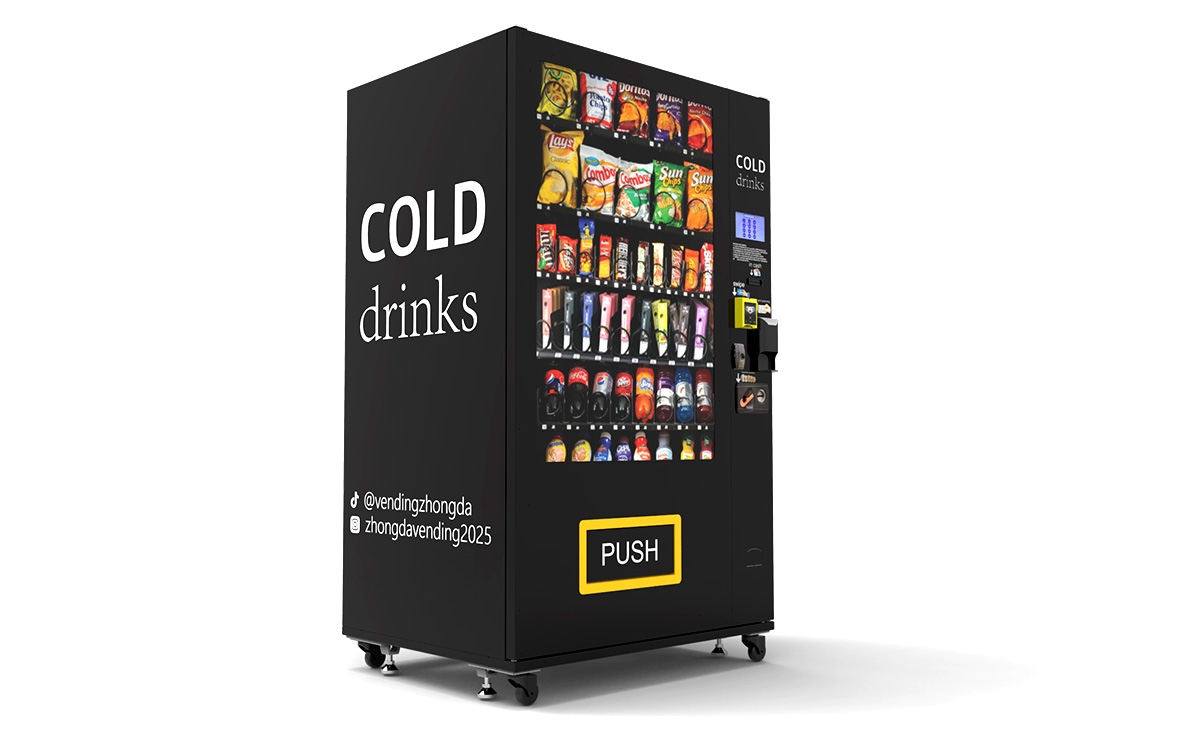
A new vending machine typically costs between $2,500 and $12,000, depending on the type and features. Used machines can be found for $1,000 to $3,000, but they may require more frequent vending machine repair and may lack modern payment systems.
How long does it take to break even?
For a $5,000 machine in a good location, break-even usually takes 18 to 36 months. In a marginal location, it can take four years or more. I always recommend running a projection before purchasing any equipment.
Should I buy or lease a vending machine?
Leasing can reduce upfront costs, but it often comes with higher long-term expenses and less flexibility. I prefer buying machines outright because I control the equipment and can move it if a location underperforms.
Where should I place a vending machine?
Look for locations where people have a few minutes of idle time and limited food options. Office break rooms, hospital waiting areas, college dormitories, and factory floors are all strong candidates. Avoid locations with existing cafeterias or convenience stores within close walking distance.
What permits do I need?
Requirements vary by city and country. In the US, you typically need a business license and may need a food handler permit if selling perishable items. In the EU, you must comply with food hygiene regulations. Check with your local health department and business licensing office before installing a machine.
How do I choose a vending machine supplier?
Look for a supplier who offers a clear warranty, readily available spare parts, and machines with modern payment integration. I have worked with Zhongda Smart because their machines are reliable and their support team responds quickly when I need help with vending machine repair.
What happens if the machine breaks down?
Have a plan before it happens. Keep a list of local technicians who specialize in commercial vending equipment. Stock common spare parts like coin mechanisms and card readers. If you buy from a manufacturer with good support, you can often get replacement parts shipped within a few days.
How can I reduce restocking costs?
Cluster your machines in the same geographic area to minimize travel time. Use route management software to track sales and restock only when necessary. Start with a limited product selection and expand based on actual sales data to avoid waste.
This article was updated in September 2024. Revenue and cost figures are based on my personal operating experience and publicly available industry data. Individual results will vary depending on location, equipment, and operating efficiency. Always consult local regulations and run your own financial projections before investing.