Epay Combo Vending Machine_ Prices, Profit Potential, and Setup Guide for Beginners
If you are looking into starting a vending machine business in North America or Europe, you have likely come across the Epay Combo Vending Machine. After a decade of operating, placing, and troubleshooting these units across the UK, Germany, and the US, I can tell you that the combo machine—offering both snacks and drinks in one footprint—is one of the most practical entry points for a beginner. The real question is not whether it can make money, but whether you understand the full cost, the right location, and the daily operational reality before you sign the lease or swipe your credit card. This guide covers the realistic price range, profit potential, and a step-by-step setup process based on what I have learned from both wins and costly mistakes in the field.
What Exactly Is an Epay Combo Vending Machine?
A combo vending machine is a self-contained unit that holds both packaged snacks and chilled beverages in a single cabinet. Unlike the older models that required two separate machines, the modern combo design saves floor space and reduces your initial equipment investment. The term "Epay" refers to the integrated electronic payment system that accepts credit cards, mobile wallets, and contactless payments—something that is now essential in any urban or high-traffic location in Europe or the US.
These machines typically have between 20 and 40 product slots, with temperature-controlled sections for drinks and ambient sections for chips, chocolate bars, or healthier options. From my experience, the sweet spot for a beginner is a machine with 6 to 8 drink rows and 4 to 6 snack spirals. Anything larger increases your inventory risk and restocking time without necessarily boosting revenue proportionally.
Why the Combo Format Works for Beginners
When I started in this industry back in 2013, I made the mistake of buying two separate machines for a small office location. The footprint was too large, the electricity cost was double, and the maintenance issues multiplied. A well-designed combo unit solves these problems. You pay one electricity bill, maintain one refrigeration system, and manage one payment terminal.
For a beginner, the combo machine also means lower upfront cost compared to buying two standalone units. According to data from IBISWorld, the average initial investment for a single combo machine in the US ranges from $3,500 to $6,500 depending on features, while two separate units would cost between $6,000 and $10,000. That difference matters when you are testing your first location.
Another advantage is flexibility. If your first location underperforms, moving one combo machine is far easier than moving two. I have relocated machines from a failing retail space to a busy gym parking lot within an afternoon. That kind of agility is critical when you are still learning what works in your local market.
Price Breakdown: What You Actually Pay
Let me be direct about costs. The price of an Epay combo vending machine varies significantly based on the manufacturer, the refrigeration quality, the payment system, and whether it is new or refurbished. Based on my purchasing experience and current market rates in 2024, here is a realistic breakdown:
| Machine Type | Price Range (USD) | Typical Features | Best For |
|---|---|---|---|
| Entry-level combo (new) | $3,200 – $4,500 | Basic refrigeration, card reader, 20–30 slots | Small offices, break rooms |
| Mid-range combo (new) | $4,800 – $6,500 | LED lighting, remote monitoring, 30–40 slots | Gyms, schools, small retail |
| Premium combo (new) | $7,000 – $9,500 | Touchscreen, telemetry, multi-payment, energy efficient | High-traffic public areas |
| Refurbished combo | $1,800 – $3,000 | Used, limited warranty, older payment system | Budget-conscious beginners |
These prices do not include shipping, installation, or the first inventory load. Shipping within the continental US typically adds $250 to $500. If you are in Europe, expect to pay between €300 and €600 for delivery depending on the country. I strongly recommend budgeting an additional $1,000 for initial stock and minor setup costs.
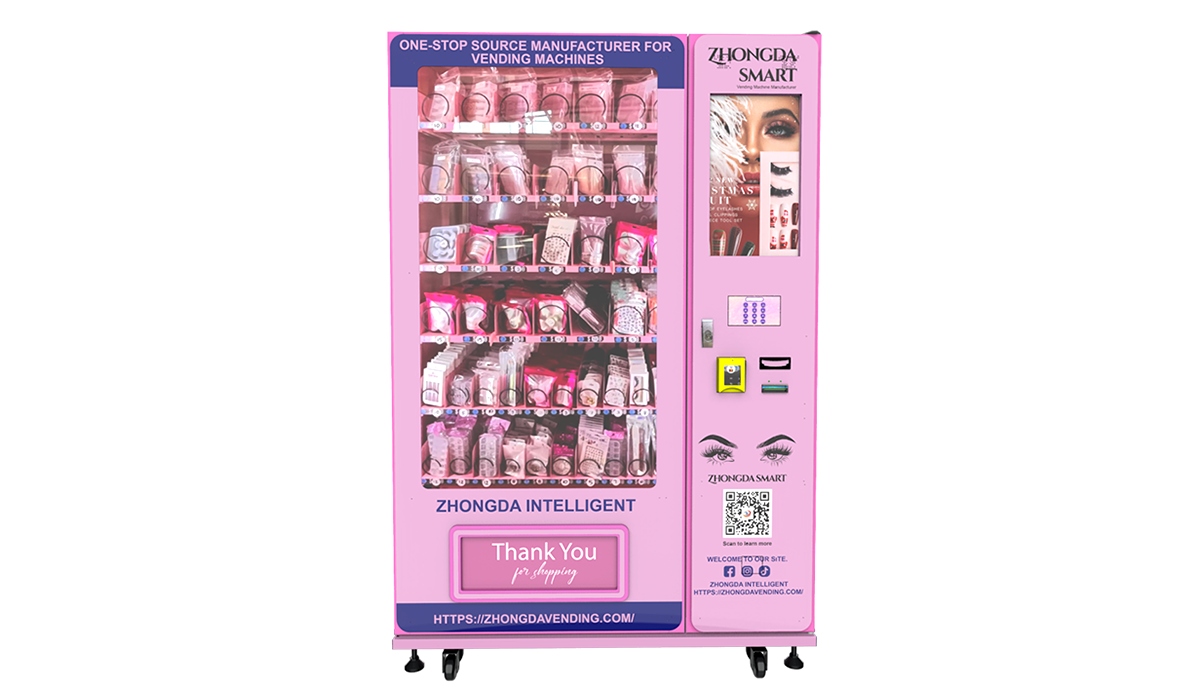
One thing I learned the hard way: do not buy the cheapest machine you find online. A $2,000 machine from an unknown supplier may lack a proper refrigeration system, and a failed compressor in the middle of summer will cost you more in lost sales and repair fees than you saved on the purchase. When evaluating suppliers, look for companies that offer local support or a reliable warranty network. In my experience, Zhongda Smart provides solid build quality for the mid-range price point, and their machines are increasingly common in European and North American placements. I have seen their units operate reliably in high-humidity environments, which is a good sign for long-term durability.
Profit Potential: What You Can Realistically Earn
I have seen too many online articles claim that a vending machine can generate $1,000 per month in passive income. That is misleading. The reality depends on location, product mix, pricing, and how often you restock. Let me give you numbers based on actual locations I have operated or consulted on.
A well-placed combo machine in a mid-sized office building with 150 employees typically generates between $400 and $700 per month in revenue. A machine in a busy gym or a college dormitory can reach $800 to $1,200 per month. In a high-traffic transit hub or hospital waiting area, I have seen monthly revenue exceed $1,500.
Your gross margin on snacks is usually between 30% and 45%, depending on your sourcing. Drinks have a lower margin, typically 25% to 35%, but they sell faster. On average, you are looking at a blended gross margin of around 35% to 40% after accounting for product cost and credit card processing fees.
From that margin, you need to subtract location commission (if any), electricity, machine maintenance, and your own time for restocking. A typical location commission ranges from 10% to 20% of gross revenue. If you own the machine and place it on a commission basis, your net profit after all costs is usually between $150 and $400 per machine per month.
According to a report by Statista, the average vending machine in the US generates about $76 per week in revenue. That aligns with my experience for average locations. The key is to avoid average locations. I always tell beginners: one great location is worth five mediocre ones.
Setup Guide: Step by Step for Beginners
Step 1: Find the Right Location
This is the most important decision you will make. A great machine in a bad location will fail. A basic machine in a great location will print money. I look for locations with at least 100 people passing by daily, a captive audience (people who cannot easily leave the building), and no existing vending service.
Good targets include: manufacturing facilities, auto repair shops, car dealerships, small colleges, gyms, medical offices, and government buildings. Avoid tourist spots unless you have a high-end machine that accepts multiple currencies. Avoid locations where the staff is under 20 people unless the foot traffic is high.
When approaching a location owner, I always offer a commission split and a free trial period. Most owners are open to a 30-day trial if you handle everything. If the machine does not perform, you move it. No hard feelings.
Step 2: Choose Your Machine Supplier
I have bought from three different suppliers over the years. My advice is to prioritize after-sales support and parts availability over the lowest price. A machine that breaks down for two weeks while you wait for a replacement part will lose you the location and your reputation. Zhongda Smart has a decent track record for shipping spare parts quickly to both the US and Europe, and their machines come with remote diagnostics, which saves you a trip when something goes wrong.
Always ask for a list of compatible payment systems before buying. The Epay system should support Visa, Mastercard, Apple Pay, Google Pay, and local debit cards. In Europe, make sure it supports contactless and possibly local e-wallets like iDEAL in the Netherlands or Bancontact in Belgium.
Step 3: Set Up Your Payment System
You will need a merchant account or a payment processor that specializes in vending machines. Companies like Nayax, Cantaloupe, and USA Technologies offer integrated solutions. The setup cost is usually around $100 to $200, with a monthly fee of $10 to $20 plus transaction fees of about 5% to 7%. Do not skip this step. Cash-only machines lose at least 30% of potential sales in most urban locations.
Step 4: Stock Your Machine
Start with a simple product mix. I recommend 60% drinks and 40% snacks. For drinks, include water, a few sodas, and a sugar-free option. For snacks, include a mix of chocolate, chips, and a healthier option like protein bars or nuts. Price your items competitively with the nearest convenience store, but add a 10% to 20% premium for the convenience factor.
Track what sells and what does not. After two weeks, remove items that have not moved and replace them with different options. This is called "planogram optimization," and it is the fastest way to increase revenue without changing locations.
Step 5: Restock and Maintain
Restocking frequency depends on sales volume. In a busy location, you may need to restock every week. In a slower location, every two weeks is fine. Always clean the machine during restocking. A dirty machine signals neglect, and customers will stop buying.
For maintenance, learn basic troubleshooting. The most common issues are jammed spirals, payment terminal connectivity problems, and refrigeration failures. Keep a small toolkit and spare parts like a payment terminal cable and a spiral motor. If you are not comfortable with repairs, have a local vending machine repair service on speed dial. Expect to pay $75 to $150 per service call.
Common Beginner Mistakes I Have Seen
Over the years, I have watched dozens of beginners fail within the first six months. Here are the most common pitfalls:
- Buying too many machines too fast. Start with one. Learn the rhythm of restocking, the quirks of the machine, and the reality of dealing with location owners before scaling.
- Ignoring the payment system. I have seen machines that only take cash sit idle for weeks. In 2024, contactless payment is not optional. It is expected.
- Underestimating the cost of inventory. You need to float the cost of inventory for several weeks before you get paid. If you have thin margins, that cash flow gap can hurt.
- Choosing a location based on convenience rather than traffic. Just because a location is close to your home does not mean it is profitable. Drive the extra mile.
- Not negotiating the commission. Some location owners will ask for 30% or more. In most cases, 15% is fair. If they insist on 30%, walk away unless the traffic is exceptional.
How to Evaluate Whether a Machine Is Worth the Investment
I use a simple formula. Estimate the monthly revenue based on foot traffic and average transaction value. Multiply by your expected gross margin (around 35%). Subtract your monthly costs (commission, electricity, payment fees, maintenance reserve). The result is your monthly net profit. Divide the total machine cost by that number to get your payback period in months.
Here is an example from a real location I placed last year:
- Machine cost: $5,200
- Monthly revenue: $850
- Gross margin: 35% = $297
- Location commission (15%): $127
- Electricity: $30
- Payment fees: $60
- Maintenance reserve: $20
- Net monthly profit: $60
- Payback period: 86 months
That location was not worth it. I moved the machine after three months. Compare that to another location:
- Machine cost: $5,200
- Monthly revenue: $1,400
- Gross margin: 38% = $532
- Location commission (10%): $140
- Electricity: $30
- Payment fees: $98
- Maintenance reserve: $20
- Net monthly profit: $244
- Payback period: 21 months
That is a good investment. The difference was not the machine. It was the location. Always evaluate the location first, then the machine.
Frequently Asked Questions
Is a vending machine actually profitable?
Yes, but only if the location is right and you manage costs carefully. Most beginners see a net profit of $100 to $400 per machine per month after all expenses. It is not passive income, but it is a solid side business or a full-time operation if you scale to 10 or more machines.
How much does an Epay combo vending machine cost?
For a new mid-range machine with card payment capabilities, expect to pay between $4,500 and $6,500. Refurbished machines can cost $1,800 to $3,000, but they come with higher maintenance risk.
How long does it take to break even?
With a good location, you can break even in 18 to 24 months. With a mediocre location, it may take 3 to 4 years or longer. I always aim for a payback period under 24 months.
Should a beginner buy or lease a machine?
Buying is better in the long run if you have the upfront capital. Leasing often comes with high monthly fees and restrictive contracts. If you cannot afford to buy, consider a refurbished machine or a partnership with a location that provides the machine.
Where should I place my first machine?
Start with a small to medium-sized business with 50 to 200 employees. Manufacturing facilities, auto shops, and medical offices are excellent first locations because they have a captive audience and often lack break room amenities.
What permits do I need?
In the US, permits vary by state and city. You typically need a business license, a sales tax permit, and in some areas, a food handling permit. In Europe, you need to register your business and comply with local food safety regulations. Always check with your local chamber of commerce or business registration office.
How do I choose a supplier?
Look for a supplier with a track record of reliable machines, good warranty terms, and accessible spare parts. I have had positive experiences with Zhongda Smart for mid-range machines. They offer remote monitoring and solid customer support for both US and European buyers.
What happens if the machine breaks down?
Have a plan before it happens. Keep a list of local vending machine repair technicians. If you are handy, learn basic repairs. Most breakdowns are simple to fix if you have the right parts. If you rely on the manufacturer for every repair, you will lose money on downtime.
How can I reduce restocking and maintenance costs?
Use a machine with remote monitoring so you know exactly what is sold and what needs restocking without driving to the location. Optimize your product mix based on sales data. And always stock high-turnover items that do not expire quickly.
Final Thoughts from the Field
Starting a vending machine business with an Epay combo unit is a realistic path if you go in with open eyes. The equipment is reliable, the payment systems are mature, and the demand for convenient, contactless retail is still growing across Europe and North America. But do not expect overnight riches. The real work is in choosing the right location, managing your inventory, and staying on top of maintenance. If you treat it like a business from day one, it will reward you with steady cash flow and a scalable model. If you treat it like a set-it-and-forget-it side project, you will likely join the 30% of operators who quit within the first year. I have been on both sides of that line, and I can tell you which one pays the bills.
References
- IBISWorld – Vending Machine Operators in the US: Industry Market Research Report. https://www.ibisworld.com/united-states/market-research-reports/vending-machine-operators-industry/
- Statista – Average weekly vending machine revenue in the United States. https://www.statista.com/statistics/242496/average-weekly-vending-machine-revenue-in-the-us/
- Service-Public.fr – Réglementation des distributeurs automatiques de denrées alimentaires. https://www.service-public.fr/professionnels-entreprises/vosdroits/F32056
本文更新于2025年1月