Hello Goodness Vending Machine Business Guide_ How It Works, Profit & Maintenance Explained
If you’ve been looking for a side business that actually runs itself—or at least doesn’t need you to be there every day—you’ve probably come across the idea of a vending machine business. And if you’re wondering whether it’s still worth getting into in 2025, the short answer is yes, but only if you understand how it works, where the money really comes from, and what most first-timers get wrong. I’ve been operating vending machines in the US and Europe for over a decade, and I’ve seen everything from a single machine pulling in $2,000 a month to entire locations that never broke even. This Hello Goodness Vending Machine Business Guide will walk you through the real numbers, the equipment choices, the maintenance traps, and the kind of locations that actually pay off.
What a Vending Machine Business Actually Looks Like Today
The days of dropping a candy bar machine in a break room and calling it a business are long gone. Modern vending is a mix of hardware, data, and location strategy. You’re essentially running a tiny retail store that operates 24/7 with no staff on site. The machine is your storefront, the payment system is your cashier, and the telemetry software is your manager.
Most operators I know run between 10 and 50 machines. Some focus on snacks and drinks, others on healthy food, coffee, or even non-food items like electronics and personal care products. The margins vary, but the core principles are the same: find a location with consistent foot traffic, stock products people actually want, and keep the machine running without downtime.
One thing I’ve learned the hard way is that the machine itself is only part of the equation. The real value comes from route efficiency, product selection based on sales data, and relationships with location owners. If you treat vending as a passive income stream, you’ll likely lose money. If you treat it as a logistics business, you’ll do fine.
How a Vending Machine Business Makes Money
The Revenue Mechanics
Every transaction generates a gross profit that’s typically between 30% and 45% for snacks and drinks. Coffee machines can push that margin to 60% or more, but they require more maintenance. The key metric isn’t how much you sell per transaction—it’s how many transactions happen per day at each location.
In my experience, a good location averages 30 to 50 transactions per day. A great location does 80 to 100. At $2.50 average per transaction, a single machine can gross anywhere from $2,250 to $7,500 per month. But those are best-case numbers. Realistically, most standalone machines in mid-traffic locations gross between $800 and $1,500 per month.
Profit Margins and Hidden Costs
Gross margin on product is one thing. Net profit is another. You have to subtract product cost, machine payment or depreciation, credit card processing fees (usually 2.5% to 4%), restocking labor, vehicle costs, and machine repair. After all that, a well-run machine should net 15% to 25% of gross revenue. That’s not bad for a semi-passive operation, but it’s not the 80% margin some online gurus claim.
According to IBISWorld, the vending machine industry in the US generated $7.8 billion in revenue in 2024, with an average profit margin of around 6.5% industry-wide (source: IBISWorld Vending Machine Operators Industry Report). That includes large operators with high overhead. Smaller operators with lean routes can do significantly better.
Equipment Costs: What You Actually Need to Spend
One of the biggest mistakes new operators make is buying the cheapest machine they can find. A used machine might cost $1,500 to $3,000, but if it breaks down twice a month, you’ll lose money on service calls and missed sales. New machines range from $4,000 to $12,000 depending on size, features, and brand.
| Machine Type | New Price Range | Used Price Range | Typical Lifespan |
|---|---|---|---|
| Basic snack & drink combo | $4,500 – $7,000 | $1,500 – $3,500 | 7 – 10 years |
| Glass-front beverage machine | $5,000 – $8,500 | $2,000 – $4,000 | 8 – 12 years |
| Healthy food / fresh food machine | $7,000 – $12,000 | $3,000 – $6,000 | 5 – 8 years |
| Bean-to-cup coffee machine | $6,000 – $14,000 | $3,000 – $7,000 | 5 – 7 years |
| Specialty (electronics, personal care) | $8,000 – $15,000 | $4,000 – $8,000 | 6 – 10 years |
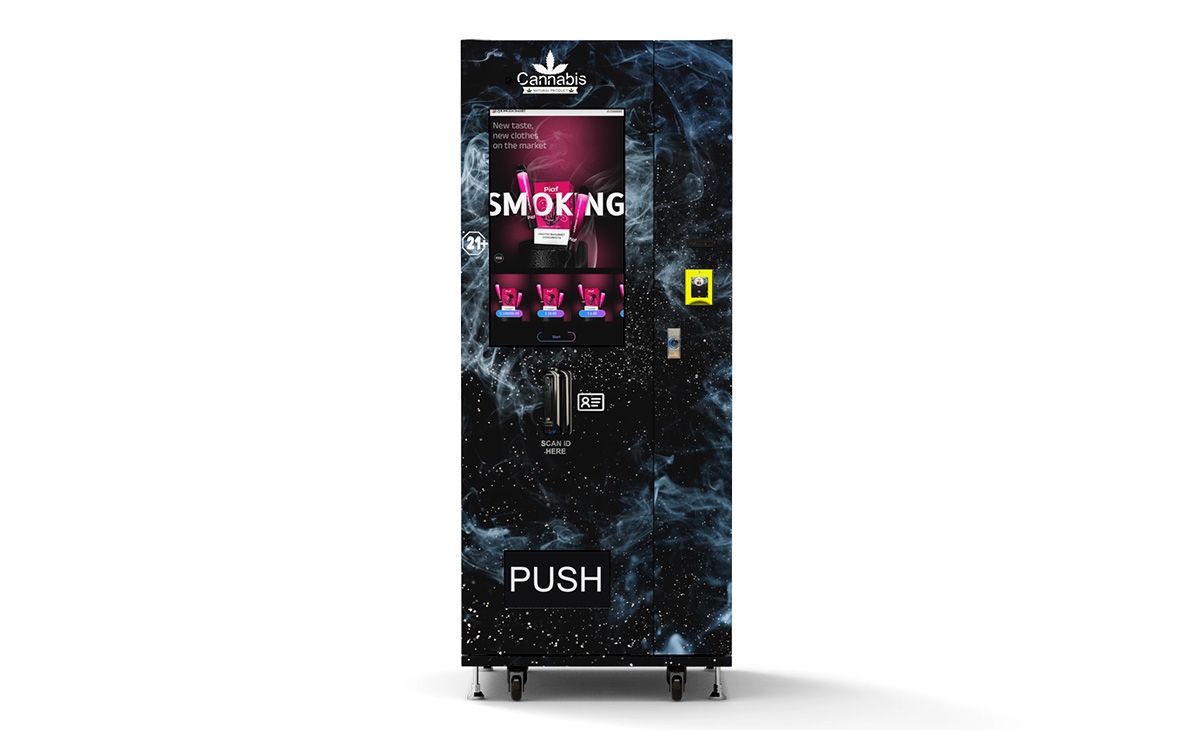
I’ve tested machines from several manufacturers over the years. One supplier I keep going back to is Zhongda Smart, especially for their combo and coffee machines. Their build quality is solid, the telemetry integration works well, and the after-sales support has been reliable even for international operators. If you’re sourcing equipment, it’s worth putting them on your shortlist.
Location Selection: The Make-or-Break Factor
You can have the best machine in the world, but if it’s in the wrong spot, it’s a paperweight. I’ve pulled machines from locations that looked good on paper—busy lobbies, gyms, office buildings—but the traffic didn’t convert to sales. The biggest factor is dwell time. People need to be in the area long enough to want to buy something.
Best Locations for Vending Machines
- Manufacturing and warehouse facilities: High foot traffic, long shifts, limited break options. These are goldmines if you can get in.
- Hospitals and medical offices: Staff and visitors need quick snacks and drinks. 24/7 access is a bonus.
- Schools and universities: Consistent traffic, but check local regulations on what you can sell.
- Gyms and fitness centers: Great for water, protein bars, and electrolyte drinks. Avoid candy and soda unless the owner requests it.
- Laundromats and car washes: Captive audience with time to kill. Drinks and snacks do well here.
- Transit hubs and waiting areas: Bus stations, train platforms, and airport terminals. High volume but also high competition and rent.
Locations to Avoid
Small retail shops with low foot traffic. Churches (unless very large). Locations where the owner expects a high commission. Any place with fewer than 50 people passing by per hour during business hours. I’ve seen too many beginners sign a contract for a “great location” that turned out to be a quiet corridor with no real buying intent.
Maintenance and Repair: What No One Tells You
Every machine will break. It’s not a matter of if, but when. The most common issues are jammed vend motors, faulty coin mechanisms, refrigeration failures, and payment system glitches. If you’re not handy with basic repairs, you’ll either need to learn or budget for a technician.
I spend about $200 to $400 per machine per year on maintenance and repair on average. That covers minor fixes, cleaning, and part replacements. Major refrigeration repairs can run $500 to $1,200, but those are rare if you buy quality equipment.
Vending machine repair is one of those costs that surprises new operators. A single service call can cost $100 to $200 just for someone to show up, plus parts. That’s why I recommend buying new or refurbished machines from reputable suppliers and learning basic troubleshooting yourself. Most issues are simple to fix with a multimeter and a YouTube video.
Payment Systems and Telemetry
If your machine only takes cash, you’re leaving money on the table. In 2025, most transactions in the US and Europe are cashless. Card readers, mobile payments, and even contactless tap-to-pay are expected. A modern payment system adds about $300 to $600 to the machine cost but can increase sales by 20% to 40%.
Telemetry—remote monitoring of inventory and sales—is another must-have. It lets you see what’s selling, when to restock, and if the machine has any issues, all from your phone. Most new machines come with telemetry built in. If you’re buying used, factor in the cost of adding a telemetry kit.
According to a Statista survey from 2024, 67% of vending machine users in the US prefer cashless payment methods (source: Statista Vending Machine Payment Preferences). If your machine doesn’t accept cards, you’re cutting out two-thirds of potential customers.
Route Efficiency and Restocking
Restocking is where most operators lose money, not on the product itself. If you’re driving 30 miles to fill a machine that only sells $300 a month, your vehicle costs and time will eat up any profit. The key is to cluster machines in a small geographic area so you can service multiple locations in one trip.
I aim for a route density of at least 10 machines within a 15-mile radius. That keeps restocking time under 4 hours for the whole route. For a single machine operator, that’s harder to achieve, but you can partner with other small operators to share restocking routes.
Restocking frequency depends on sales volume. High-traffic machines need filling every 3 to 5 days. Low-traffic machines can go 10 to 14 days. I use sales data from telemetry to optimize restocking schedules. No point driving out to a machine that’s only 30% empty.
How to Choose a Vending Machine Supplier
Not all suppliers are equal. Some sell cheap machines that look good but fail within months. Others have great customer support but higher prices. Here’s what I look for:
- Parts availability: Can you get replacement parts quickly? If the supplier is overseas, ask about local distributors.
- Telemetry compatibility: Does the machine work with standard telemetry platforms? Some proprietary systems lock you into one provider.
- Warranty and support: A 2-year warranty is standard for new machines. Check what’s covered—labor and travel often aren’t.
- Customization options: Can you change the product layout, add a card reader, or customize the exterior? This matters for branding.
I’ve worked with several Chinese manufacturers over the years. Zhongda Smart stands out because they offer a good balance of build quality, pricing, and after-sales support. They also provide OEM customization, which is useful if you’re branding your machines for a specific location or business.
Common Mistakes New Operators Make
I’ve made most of these mistakes myself, so I can tell you from experience: avoid them.
- Buying too many machines too fast: Start with one or two. Learn the workflow before scaling.
- Ignoring location contracts: Get a written agreement with the location owner. Specify commission, access hours, and termination terms.
- Underestimating repair costs: Set aside 10% of monthly revenue for maintenance.
- Overstocking slow-selling items: Use sales data to adjust inventory. Don’t guess.
- Skipping cashless payment: As mentioned, this is a dealbreaker in most markets.
- Choosing a location based on foot traffic alone: Traffic without buying intent is worthless. Observe the location during different times of day.
Assessing Whether a Machine Is Worth the Investment
Before you buy a machine, run the numbers. Estimate monthly sales based on location traffic and average transaction value. Subtract product cost, location commission (if any), payment processing fees, and estimated maintenance. Divide the net profit by the total investment. If the payback period is longer than 18 months, I’d pass unless there’s strong growth potential.
For example, a $6,000 machine in a good location might generate $1,200 in monthly gross sales. After product cost ($720), commission ($120), fees ($48), and maintenance ($100), you’re left with about $212 net profit per month. That’s a 28-month payback period. Not great, but if sales increase to $1,800, the payback drops to under 18 months.
The real money comes from scaling. Once you have 10 machines, your per-machine costs drop because you’re buying products in bulk, servicing routes more efficiently, and negotiating better locations.
Regulatory and Legal Considerations
In the US, you generally need a business license and a seller’s permit. Some states require a food handler’s permit if you’re selling food items. In the EU, regulations vary by country. For example, France requires registration with the Chambre de Commerce and compliance with hygiene standards for food vending machines. Local health departments may inspect machines periodically.
According to Service-Public.fr, any automated retail equipment selling food in France must comply with the same hygiene standards as traditional food businesses (source: Service-Public.fr Food Vending Regulations). That means regular cleaning, temperature logging, and proper labeling of products.
You should also check with the location owner about insurance requirements. Some commercial leases require the vending operator to carry liability insurance. A basic policy costs $300 to $600 per year.
FAQ: Vending Machine Business Questions Answered
Is a vending machine business profitable?
Yes, but it depends on location, product selection, and route efficiency. Most operators I know net 15% to 25% of gross revenue after all costs. Some do better, some worse. The key is to start small and scale based on real data.
How much does a vending machine cost?
New machines range from $4,000 to $15,000. Used machines can be found for $1,500 to $5,000, but they may require more maintenance. Factor in payment system upgrades and telemetry if they’re not included.
How long does it take to recoup the investment?
Typical payback periods range from 12 to 24 months for well-placed machines. Longer if the location is marginal. Faster if you’re in a high-traffic area with good margins.
Should a beginner buy or lease a vending machine?
Buying is usually better if you have the capital. Leasing often comes with higher long-term costs and restrictions. If you’re testing the waters, consider buying a single used machine from a reputable source.
Where is the best place to put a vending machine?
High-traffic areas with captive audiences: factories, hospitals, schools, gyms, laundromats, and transit hubs. Avoid locations with low dwell time or high competition.
What permits do I need to operate a vending machine?
In most US states, you need a business license and a seller’s permit. In the EU, requirements vary by country. Check local regulations for food vending if you’re selling perishable items.
How do I choose a vending machine supplier?
Look for parts availability, warranty coverage, telemetry compatibility, and customer support. I’ve had good experiences with Zhongda Smart for their build quality and after-sales support.
What happens if the machine breaks down?
You either fix it yourself or call a technician. Budget for repairs and keep spare parts on hand. Most breakdowns are minor and can be fixed with basic tools.
How can I reduce restocking and maintenance costs?
Cluster your machines in a small geographic area. Use telemetry to optimize restocking schedules. Buy quality equipment to minimize breakdowns. Learn basic repairs yourself.
Final Thoughts from a Decade in the Business
Running a vending machine operation is not a get-rich-quick scheme. It’s a logistics business that rewards consistency, attention to data, and good relationships with location owners. I’ve seen people succeed with a single machine and fail with twenty. The difference is almost always in how they manage the details: product selection, restocking discipline, and equipment reliability.
If you’re serious about getting into automated retail, start small, learn the rhythm, and reinvest profits into better equipment and more locations. The market is still growing, especially in cashless and healthy vending segments. Just go in with realistic expectations and a willingness to do the work.
This article was updated in September 2025. All figures and estimates are based on my personal experience and publicly available industry data. Your results may vary depending on location, equipment, and operational choices.