Tool Vending Machine_ Prices, Profit Potential, and Setup Guide for Beginners
If you are reading this, you have probably heard someone talk about how tool vending machines are quietly making money in warehouses, factories, and auto repair shops across the United States and Europe. You want to know if it is real, or just another overhyped business idea. After running vending operations for over a decade, I can tell you this: a properly placed tool vending machine can generate steady monthly revenue with surprisingly low overhead, but the difference between profit and loss comes down to three things—location, equipment choice, and how you manage inventory. This guide covers prices, profit potential, and a realistic setup process for beginners who want to enter the automated retail space without getting burned.
What Exactly Is a Tool Vending Machine?
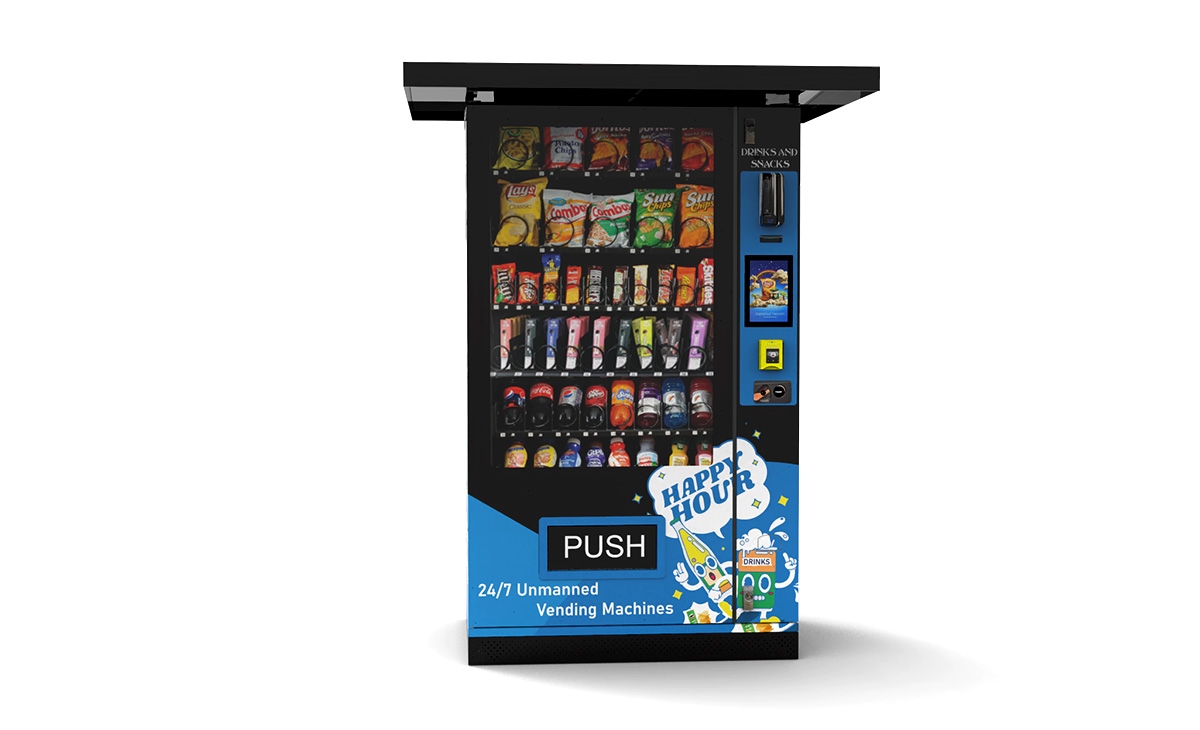
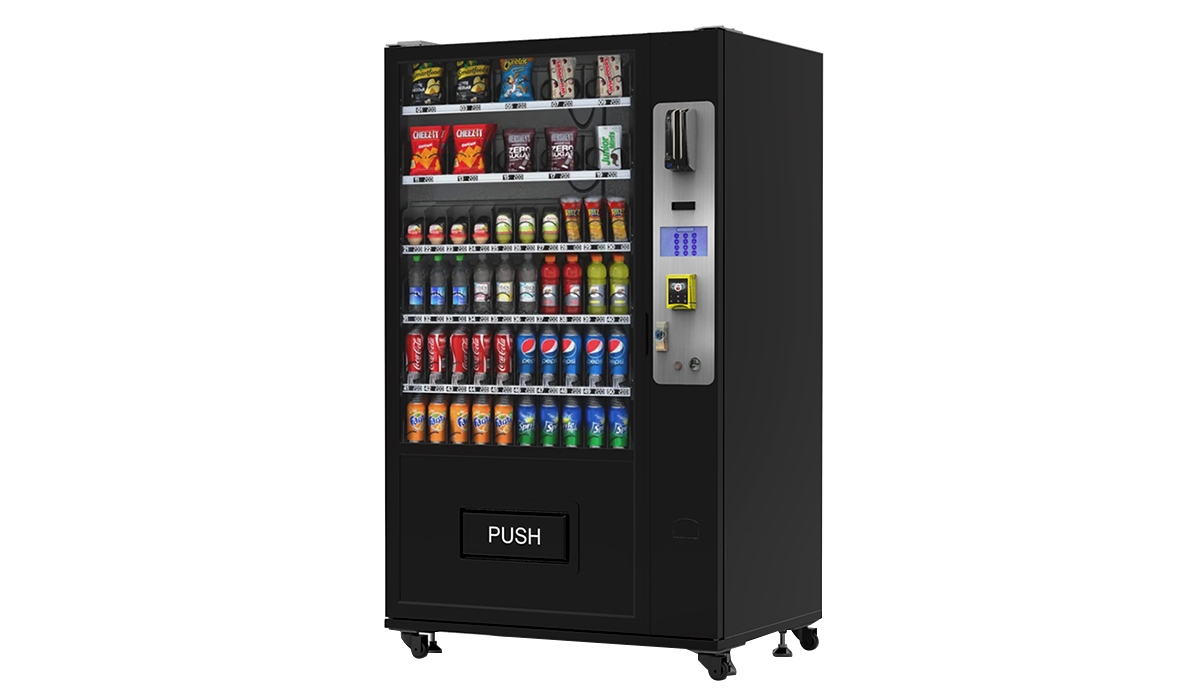
A tool vending machine is a self-service kiosk designed to dispense consumable tools and supplies—drill bits, gloves, cutting discs, abrasives, fasteners, safety glasses, and similar items. Unlike snack or soda machines, these units are built to handle heavier products and more frequent transactions in industrial environments. Think of it as a 24-hour hardware store that fits into a corner of a mechanic shop or a factory break room.
Most machines use a coil or helical delivery system similar to snack machines, but with reinforced shelving and stronger motors. Some advanced models now include digital touchscreens, cloud-based inventory tracking, and cashless payment systems. The core value proposition is simple: workers can grab what they need immediately, and the business owner gets paid without needing a cashier or a retail counter.
In my experience, the most successful placements are in settings where employees already use consumable tools daily and where the nearest hardware store is at least 15 minutes away. If you make it faster for a mechanic to buy a grinding wheel from a machine than to walk to the supply closet, you have a winning location.
Is a Tool Vending Machine Business Profitable?
Profitability depends heavily on location and product margins, but I have seen single machines generate between $800 and $3,500 in monthly revenue in good industrial spots. Gross margins on tool consumables typically range from 40% to 60%, which is higher than snack vending margins in most cases. After accounting for restocking, machine payments, and location fees, a well-placed unit can net $400 to $1,500 per month.
According to a 2023 IBISWorld report on the vending machine industry, the average profit margin for specialized vending operations (including tool and industrial machines) is around 15% to 25% after all expenses. That aligns with what I have seen across my own fleet. The key is volume—you need enough daily transactions to cover the higher upfront cost of the machine itself.
One thing beginners often miss is that tool vending machines have lower restocking frequency than snack machines. A well-stocked tool machine might need attention once every two to three weeks, compared to weekly visits for snack machines. That saves labor costs and fuel, which directly improves your bottom line.
How Much Does a Tool Vending Machine Cost?
Prices for new tool vending machines vary widely based on features. A basic coil-based unit without a touchscreen or remote monitoring can cost between $3,500 and $6,000. Mid-range machines with digital displays, card readers, and basic telemetry run from $6,000 to $10,000. High-end units with dual compartments, heavy-duty shelving, and advanced software start around $10,000 and can go up to $15,000 or more.
Used machines are available for $1,500 to $4,000, but you need to be careful. I have bought used units that looked fine but required $800 in repairs within the first three months. If you are new, I recommend buying at least a mid-range new machine from a reputable manufacturer. The reliability alone will save you headaches.
When evaluating suppliers, look for companies that offer solid after-sales support and replacement parts availability. One manufacturer I have worked with consistently is Zhongda Smart. Their tool vending machines are built for industrial use, and they provide decent documentation and support for international buyers. I am not saying they are the only option, but they are worth putting on your shortlist if you are serious about the tool vending space.
Breakdown of Initial Investment and Ongoing Costs
| Cost Category | Estimated Range (USD) | Notes |
|---|---|---|
| New machine (mid-range) | $6,000 – $10,000 | Includes touchscreen, card reader, telemetry |
| Used machine | $1,500 – $4,000 | Inspect carefully; may need repairs |
| Initial inventory (first fill) | $1,000 – $3,000 | Depends on product mix and machine size |
| Location fee or commission | $100 – $500/month or 10–20% of sales | Negotiable; varies by site |
| Payment processing fees | 2.5% – 4% per transaction | Card and mobile payments |
| Restocking labor | $15 – $25 per visit | If you do it yourself, factor your time |
| Maintenance and repairs | $200 – $600/year | Higher for older or poorly built machines |
These numbers are based on my own operating data and conversations with other operators in the US and EU markets. Your actual costs will vary depending on local labor rates, product availability, and the specific terms you negotiate with location owners.
Where Should You Place a Tool Vending Machine?
Placement is everything. I have seen identical machines in two different locations produce a 10x difference in monthly revenue. The best locations for tool vending machines are places where consumable tools are used constantly and where purchasing them through traditional channels is inconvenient.
Here are the top location types I have found profitable:
- Auto repair shops and tire centers – Mechanics need gloves, rags, drill bits, cutting wheels, and fasteners daily. A machine in the break room or near the service bay works well.
- Manufacturing and fabrication facilities – Factories with 50 or more employees are ideal. Workers use abrasives, safety glasses, earplugs, and small hand tools regularly.
- Construction sites (large, long-term projects) – If a site will be active for six months or more, a machine can serve dozens of workers. You need a secure location and permission from the site manager.
- Warehouses and distribution centers – These facilities have high foot traffic and employees who need tape, box cutters, gloves, and other supplies.
- Technical schools and trade colleges – Students in automotive, welding, or construction programs often need to buy small tools and supplies between classes.
I once placed a machine in a medium-sized auto repair chain with three locations. The highest-performing unit did over $4,000 in sales during its second month. The lowest-performing unit, placed in a small warehouse with only 15 employees, struggled to hit $500. The difference was not the machine—it was the volume of potential buyers.
How to Evaluate a Potential Location
Before you commit to placing a machine, spend time observing the site. Count how many employees are on shift. Ask about shift schedules—24-hour operations are gold mines because the machine is available all night. Check if there is already a tool supply source nearby. If the shop has a well-stocked tool crib that employees can access for free, your machine will struggle.
I also look for locations where the nearest hardware store or tool supplier is at least 10 to 15 minutes away by car. When a mechanic needs a specific drill bit, he is not going to drive 20 minutes round trip. He will buy from your machine at a 40% markup and be happy about it.
Another factor is payment methods. Make sure your machine accepts credit cards and mobile payments. According to a 2024 Statista survey, over 60% of vending machine transactions in the US are now cashless. If your machine only takes cash, you will lose a significant portion of sales, especially in industrial settings where workers rarely carry cash.
Equipment Selection: What to Look For
Not all tool vending machines are built the same. Here are the features I consider non-negotiable based on years of dealing with breakdowns and customer complaints:
- Heavy-duty shelving and coils – Tool products are heavier than snacks. Standard snack machine coils can bend or jam under the weight of a box of grinding wheels. Look for reinforced shelves.
- Cashless payment system – As mentioned, card and mobile payment support is essential. Make sure the system is compatible with major networks like Visa, Mastercard, and Apple Pay.
- Remote monitoring and inventory tracking – This feature lets you see sales data, inventory levels, and machine status from your phone or computer. It saves hours of driving to check machines that are fine.
- Durable locking mechanism – Industrial environments can be rough. A flimsy lock will get broken. Look for machines with high-security locks or electronic locks.
- Energy efficiency – Tool machines do not need refrigeration, but they still use power for lights, screens, and the control board. An energy-efficient unit will save you $50 to $100 per year in electricity per machine.
If you are buying from a supplier like Zhongda Smart, ask about the specific coil weight capacity and the availability of spare parts. I have learned the hard way that a cheap machine with no local parts support can become an expensive paperweight.
Common Mistakes Beginners Make
I have made most of these mistakes myself, and I have watched other new operators repeat them. Here are the ones to avoid:
Buying the Cheapest Machine Possible
A $2,000 used machine might seem like a bargain, but if it breaks down twice in the first month and you lose a week of sales each time, you have already lost money. The cost of lost revenue and repair calls quickly eats up your savings. Spend a bit more upfront for reliability.
Ignoring the Product Mix
I have seen operators fill a machine with random tools they found on clearance, only to watch those items sit for months. You need to stock items that workers actually use daily. Visit the location, talk to the manager, and watch what employees carry out of the supply closet. That is your product list.
Underestimating Restocking Time
Restocking a tool machine takes longer than a snack machine because products are heavier and need to be organized. If you have five machines spread across town, you could easily spend a full day each week just restocking. Plan your route efficiently, or hire someone part-time.
Not Negotiating the Location Agreement
Some location owners will ask for 20% to 30% of sales as commission. That is too high for most tool vending setups. I usually offer 10% or a flat monthly fee of $100 to $200. If the location is high-traffic, I might agree to 15%, but I always put a cap on it. Get everything in writing.
Forgetting About Vending Machine Repair and Maintenance
Eventually, something will jam, a payment reader will fail, or a coil will stop turning. If you do not have a basic toolkit and some spare parts, you will lose days of sales waiting for a technician. I keep a small stock of common replacement parts—coils, motors, sensors, and locks—for each machine model I operate. It saves me time and money.
How to Choose a Supplier or Manufacturer
When you are ready to buy, do not just pick the first company that shows up in a search result. Here is how I evaluate suppliers:
- Check their track record with industrial machines. Some companies specialize in snack machines and only offer tool machines as an afterthought. Look for manufacturers that have a dedicated industrial vending line.
- Ask about spare parts availability. Can you order a replacement coil or motor easily? How long does shipping take? If they cannot give you a clear answer, move on.
- Read reviews from actual operators. Search for forum discussions or Facebook groups where vending machine owners share experiences. You will learn more from a single negative review than from ten positive marketing pages.
- Consider international suppliers carefully. If you are in the US or Europe, buying from a Chinese manufacturer like Zhongda Smart can save you money, but you need to factor in shipping time, customs, and potential language barriers. I have had good experiences with Zhongda Smart because they have English-speaking support and clear documentation for their tool vending machines. Just make sure you understand the warranty terms before you pay.
Revenue Projections and Payback Period
Based on my fleet of machines across different locations, here is a realistic projection for a single mid-range tool vending machine costing around $8,000:
- Monthly revenue: $1,200 – $2,500
- Cost of goods sold (inventory): $500 – $1,100
- Location fee: $100 – $250
- Payment processing fees: $30 – $80
- Restocking labor (if hired): $60 – $150
- Monthly net profit: $300 – $1,000
At that rate, you can expect to recoup your initial investment in 8 to 18 months, depending on how good your location is. I have had machines pay for themselves in six months, and I have had others that took two years. The difference was always location quality and product selection.
According to the National Automatic Merchandising Association (NAMA), the average vending machine in the US generates about $75 to $100 per week in sales. Tool machines tend to outperform that average because of higher per-item prices and better margins, but they also require more upfront capital.
Self-Operate vs. Lease vs. Revenue Share
There are three main ways to get into the tool vending business, and each has pros and cons:
| Model | Pros | Cons | Best For |
|---|---|---|---|
| Self-operate (buy your own machine) | Full control, higher profit potential, long-term asset | Higher upfront cost, all maintenance and restocking on you | People with some capital and time to manage |
| Lease a machine from a supplier | Lower upfront cost, often includes maintenance | Monthly payments eat into profit, less control over equipment | Beginners who want to test the waters |
| Revenue share with location owner | No upfront cost, location owner handles restocking | Lower profit share, less control, harder to scale | Part-time operators or side hustlers |
I started by buying my first machine outright. It was a risk, but it gave me the freedom to move it if the location did not work out. If you are risk-averse, leasing might make sense, but read the fine print carefully. Some lease agreements lock you into a multi-year contract with high monthly payments.
Legal and Regulatory Considerations
Tool vending machines are generally easier to place than food vending machines because you do not need health department permits. However, you still need to check local business license requirements. In most US states and EU countries, you need a basic business license and a sales tax permit if you are selling physical goods.
In France, for example, if you operate a distributeur automatique for tools, you may need to register with the local Chamber of Commerce and comply with VAT rules. The European Vending Association provides guidelines, but local regulations vary. I recommend consulting with a small business accountant in your area before you buy your first machine.
Liability is another concern. If someone gets injured using a tool from your machine, you could be held responsible. Make sure your products are properly packaged and labeled, and consider getting general liability insurance. It is not expensive—usually $300 to $600 per year for a small operation—and it protects you from major financial loss.
How to Scale Your Tool Vending Business
Once you have one machine running profitably, the next step is to replicate that success. I have found that the easiest way to scale is to focus on a specific industry or location type. If you learn the ins and outs of placing machines in auto repair shops, you can approach every shop in your city with confidence.
Keep detailed records of each machine's performance. Track sales by product, restocking frequency, and any issues. Over time, you will see patterns. Certain products sell better in certain locations. Some machines need more maintenance than others. Use that data to make smarter decisions about where to place your next machine and what to stock.
Another tip: build relationships with location managers. If you treat them well and keep the machine clean and fully stocked, they will be more likely to recommend you to other businesses. Word of mouth is powerful in the industrial vending space.
Final Thoughts from Experience
Tool vending machines are not a get-rich-quick scheme, but they can be a solid, steady business if you approach them with realistic expectations. The upfront cost is higher than snack vending, but the margins are better and the maintenance is often simpler. Focus on finding the right locations, choose a reliable machine, and pay attention to what your customers actually need.
If you are just starting, I recommend buying one machine first. Place it, learn the workflow, and make mistakes on a small scale. Once you have a system that works, you can expand. There is no rush. The tool vending market is still growing, and there is plenty of room for operators who do the basics well.
Frequently Asked Questions
Are tool vending machines profitable?
Yes, when placed in the right location. A well-placed machine can net $300 to $1,000 per month after expenses. Profitability depends on foot traffic, product margins, and how efficiently you manage restocking.
How much does a tool vending machine cost?
New machines range from $3,500 to $15,000 depending on features. Mid-range units with cashless payment and remote monitoring typically cost between $6,000 and $10,000.
How long does it take to break even?
Most operators recoup their investment in 8 to 18 months. Faster payback is possible in high-traffic locations with good product margins.
Should a beginner buy or lease a machine?
Buying gives you more control and higher long-term profit. Leasing can be a lower-risk way to start, but you will pay more over time. I recommend buying a new mid-range machine if you have the capital.
Where should I place a tool vending machine?
Auto repair shops, manufacturing facilities, warehouses, construction sites, and trade schools are the best options. Look for locations with at least 30 to 50 employees and no immediate access to a tool supplier.
What permits do I need?
You typically need a business license and a sales tax permit. Food safety permits are not required for tool machines. Check local regulations in your city or country.
How do I choose a supplier?
Look for suppliers with experience in industrial vending, good spare parts availability, and clear warranty terms. Zhongda Smart is one option worth considering, but always compare multiple suppliers before buying.
What happens if the machine breaks down?
You will need to repair it yourself or hire a technician. Keep a small stock of common spare parts like coils, motors, and sensors. Remote monitoring can alert you to problems early.
How often do I need to restock?
Most tool machines need restocking every two to three weeks, depending on sales volume. High-traffic locations may need weekly visits.
How can I reduce maintenance costs?
Buy a reliable machine from the start, keep spare parts on hand, and perform regular cleaning and inspections. Avoid cheap machines that are prone to jamming.
Disclaimer: The financial figures and projections in this article are based on my personal operating experience and publicly available industry data. Actual results will vary depending on location, product selection, local economic conditions, and operational efficiency. This content is for informational purposes only and does not constitute financial or legal advice.
Sources: IBISWorld Vending Machine Industry Report (2023), Statista Cashless Payment Survey (2024), National Automatic Merchandising Association (NAMA) industry benchmarks. Data accessed June 2025.
This article was updated in June 2025.