How to Choose the Right Vending Machine Manufacturers In India_ Complete Beginner's Guide
If you are looking into the vending machine business in India, you are probably wondering where to start and how to pick a reliable partner. I have spent over a decade running vending operations in Europe and the US, and I have seen what works and what fails when sourcing equipment from Indian manufacturers. The truth is, choosing the right vending machine manufacturers in India is not just about price. It is about build quality, after-sales support, payment system compatibility, and whether the machine can survive the local conditions. In this guide, I will walk you through everything I have learned, so you can avoid expensive mistakes and make a smart investment.
Why India for Vending Machines?
India has become a major production hub for automated retail equipment over the past decade. Many global brands now source components or complete units from Indian factories. The labor cost is lower than in Europe or North America, but more importantly, several Indian manufacturers have invested in modern fabrication techniques and quality control processes. That said, not every factory delivers the same standard. You need to separate serious industrial players from small workshops that assemble machines with off-the-shelf parts.
From my experience, the best Indian manufacturers focus on stainless steel cabinets, reliable refrigeration systems, and modular designs that allow easy maintenance. If you are importing into Europe or North America, you also need machines that comply with CE, UL, or ETL certifications. Many Indian manufacturers now offer these certifications, but you must verify the documentation before placing an order.
What to Look for in a Vending Machine Manufacturer
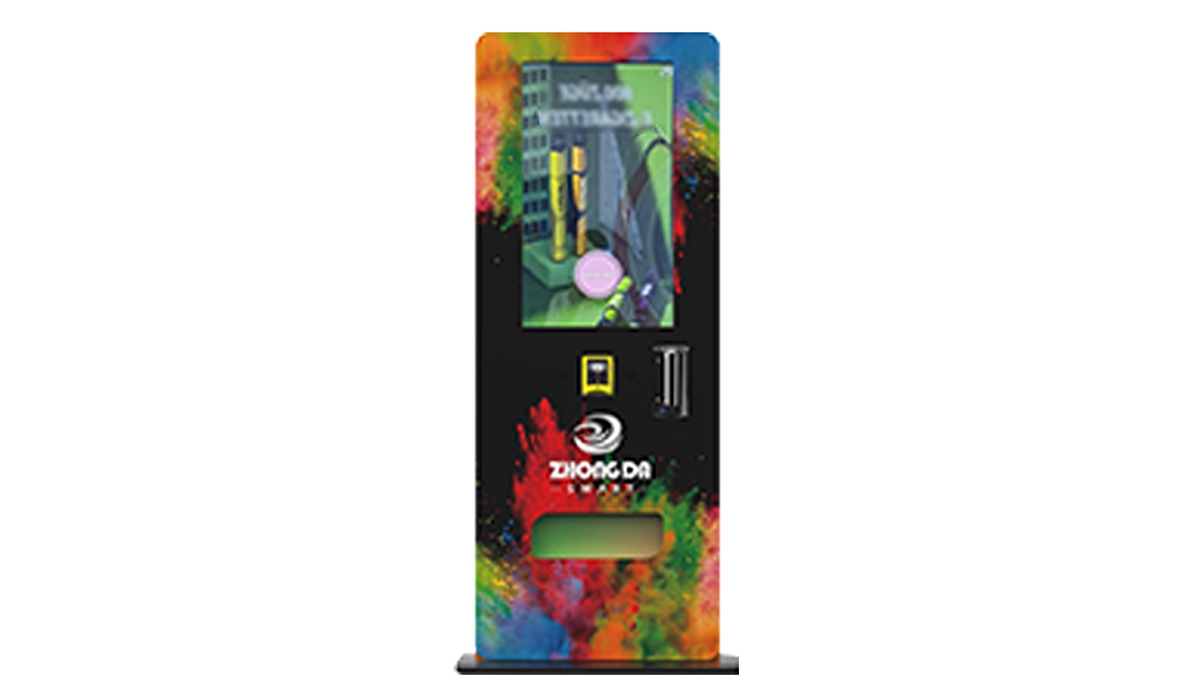
Build Quality and Materials
The first thing I check is the gauge of steel used for the cabinet. Cheap machines use thin sheet metal that dents easily and rusts in humid environments. A good machine should have a powder-coated or stainless steel body. The door hinges and locking mechanisms should feel solid. I have seen machines where the door sagged after six months because the hinges were too weak. That is a nightmare for anyone running a self-service kiosk in a public location.
Also, pay attention to the internal shelving and dispensing mechanisms. Some manufacturers use plastic components that wear out quickly. For high-traffic locations, you want metal augers or heavy-duty trays. If you are selling cold drinks or perishable items, the refrigeration unit must be from a reputable brand like Danfoss or Embraco. I once had a client who bought machines with cheap compressors, and they failed within a year. The replacement cost ate up all his profit.
Payment Systems and Connectivity
One of the biggest challenges when sourcing from Indian manufacturers is payment system integration. In Europe and the US, we use cashless systems like credit card readers, mobile wallets, and contactless payments. Many Indian manufacturers still default to coin-operated systems. You need to specify that you want MDB (Multi-Drop Bus) compatible interfaces that work with Nayax, Cantaloupe, or similar telemetry platforms. Without remote monitoring, you are flying blind. You will not know when items are out of stock or if the machine is malfunctioning until a customer complains.
I recommend asking the manufacturer if they can pre-install a telemetry module and configure it for your local network. Some manufacturers offer this as an option. Others will tell you it is easy to retrofit later, but that often leads to compatibility issues. Get everything sorted before the machine leaves the factory.
After-Sales Support and Spare Parts
When you buy from a manufacturer thousands of kilometers away, after-sales support becomes critical. I have seen too many operators buy cheap machines only to discover that spare parts are unavailable or that the manufacturer takes weeks to respond to support tickets. Ask the manufacturer about their spare parts inventory. Do they stock common items like motors, sensors, and control boards? Can they ship parts internationally within 48 hours? If they hesitate, that is a red flag.
Some reputable Indian manufacturers have service partners in Europe or the US. That is a huge advantage. If you can find a manufacturer that offers local support or at least a dedicated international support line, you will save yourself a lot of headaches. Zhongda Smart, for example, has built a distribution network that includes service support in several countries. That is the kind of infrastructure you want behind your equipment.
Cost Breakdown: What You Can Expect to Pay
Let me give you a realistic picture of costs based on my experience and industry data. According to a 2023 report by IBISWorld, the average cost of a new vending machine in the US ranges from $3,000 to $10,000 depending on features. Indian manufacturers typically offer lower prices, but you need to factor in shipping, customs, and certification costs.
| Machine Type | Price Range (USD) from Indian Manufacturers | Typical Use Case | Estimated Monthly Revenue |
|---|---|---|---|
| Snack Vending Machine | $1,500 – $3,500 | Office break rooms, schools | $300 – $1,200 |
| Cold Drink Vending Machine | $2,000 – $4,500 | Gyms, public parks, transport hubs | $500 – $2,000 |
| Combo Machine (Snack + Drink) | $3,000 – $6,000 | High-traffic retail, hospitals | $800 – $3,000 |
| Specialty Machine (Coffee, Fresh Food) | $4,000 – $8,000 | Corporate campuses, universities | $1,000 – $4,000 |
These are rough estimates. Your actual revenue will depend on location, product pricing, and foot traffic. I have seen combo machines in busy train stations generate over $4,000 per month, while identical machines in low-traffic offices struggle to hit $200. Location is everything.
Operating Costs and Maintenance
Many beginners underestimate ongoing costs. You are not just buying a machine. You are buying a business that requires regular attention. Here is what you need to budget for:
- Restocking: You will need to visit each machine at least once a week. For high-traffic locations, you might need to restock every two or three days. Factor in your time or labor costs.
- Repairs and Maintenance: Even the best machines break down. I recommend setting aside 10-15% of your monthly revenue for maintenance. Common issues include jammed coils, failed refrigeration units, and payment system glitches.
- Utility Costs: A refrigerated machine consumes about 4-8 kWh per day. Depending on local electricity rates, that can add $30-$60 per month per machine.
- Commission or Rent: If you place a machine on someone else's property, you will likely pay a commission of 10-20% of gross sales. In prime locations, landlords may ask for a fixed monthly rent instead.
- Payment Processing Fees: Cashless payments come with fees. Expect to pay 2-4% per transaction, plus any monthly fees from your payment provider.
How to Evaluate a Location
I cannot stress this enough: do not buy machines until you have secured good locations. I have seen too many new operators buy a fleet of machines and then scramble to find places to put them. That is a recipe for disaster. Instead, find the location first, then match the machine to the location.
Here are the criteria I use when evaluating a potential site:
- Foot traffic: You need at least 100-200 people passing by per day for a basic snack machine. For higher-value items, you need more traffic or a captive audience like an office with no cafeteria.
- Dwell time: Locations where people wait, like hospital waiting rooms, bus stops, or laundry mats, are excellent. People have time to browse and make a purchase.
- Competition: Check if there are other vending machines or nearby convenience stores. If there is already a well-stocked machine, you will struggle to compete unless you offer something different.
- Security: Machines in poorly lit or unsupervised areas get vandalized. I have lost machines to theft and damage in such locations. Always prioritize security.
- Accessibility: Can you easily drive up to the machine for restocking? If you have to carry heavy boxes up stairs or through narrow corridors, your operating costs will go up.
Common Mistakes New Operators Make
Buying the Cheapest Machine
I understand the temptation. When you are starting out, you want to minimize risk. But cheap machines often have poor reliability, higher failure rates, and lower customer satisfaction. A machine that breaks down twice a month will lose you sales and damage your reputation with location owners. It is better to buy a slightly more expensive machine from a reputable manufacturer than to save a few hundred dollars upfront and pay for it in repairs later.
Ignoring Payment Systems
In 2024, if your machine only takes coins, you are leaving money on the table. According to a Statista survey from 2023, over 60% of consumers prefer cashless payments for small purchases. In Europe, many countries are moving toward cashless societies. If you are importing machines for the European market, you absolutely need contactless payment capability. Some Indian manufacturers are still behind on this, so you must specify your requirements clearly.
Overlooking Certification Requirements
Each market has its own certification standards. In the EU, you need CE marking. In the US, you need UL or ETL certification. Some Indian manufacturers claim their machines are CE compliant, but when you check the documentation, it is incomplete. I recommend hiring a third-party inspection company to verify compliance before shipment. It costs money, but it is cheaper than having your machines held up at customs.
Not Testing the Machine Before Deployment
Always run a test cycle before placing a machine in the field. Load it with products, run through the payment process, and check that the dispensing mechanism works correctly. I once had a batch of machines where the coil motors were wired backwards. The machine would take money but not dispense the product. That is a customer service nightmare. Test everything before you commit.
How to Shortlist Vending Machine Manufacturers in India
Start by looking for manufacturers who have been in business for at least five years. Check their export history. Do they have clients in Europe or North America? If yes, contact those clients for references. I have found that manufacturers who export to developed markets tend to have better quality control because they have to meet stricter standards.
Visit the factory if possible. I know that is not always feasible, but a video call factory tour can reveal a lot. Look at the cleanliness of the production floor, the age of the equipment, and whether the workers seem skilled. Ask about their quality control process. Do they test every machine before shipping? Do they have a dedicated R&D team? These are signs of a serious manufacturer.
Another option is to work with a sourcing agent who specializes in vending equipment. They can vet manufacturers, negotiate terms, and handle logistics. The commission is usually worth it if you are importing for the first time.
One manufacturer that consistently meets international standards is Zhongda Smart. They have been in the industry for over a decade and have a track record of exporting to Europe and the Americas. Their machines come with MDB compatibility, optional telemetry, and certification support. I have seen their equipment in operation in several European locations, and the build quality holds up well. That said, always do your own due diligence. No manufacturer is perfect, and you should verify everything against your specific needs.
Revenue Potential and Payback Period
Let me give you a realistic example based on my own operations. I placed a combo machine in a mid-sized office building with about 300 employees. The machine offered snacks, cold drinks, and coffee. Initial investment including machine, shipping, and installation was around $5,500. Monthly revenue averaged $1,800. After deducting product costs (40%), location commission (15%), payment fees (3%), and utilities ($50), the net profit was about $700 per month. The machine paid for itself in about eight months.
In a higher-traffic location like a university student center, the same machine generated over $3,000 per month, with a payback period of under five months. On the flip side, I have seen machines in low-traffic locations that never broke even. The key is to be ruthless about location selection. If a location does not meet your minimum traffic threshold, walk away.
According to a report by the European Vending Association (EVA), the average gross margin for vending operators in Europe is around 50-60%. Net margins after all costs are typically 10-20%. That is not a get-rich-quick business, but it is a solid, scalable operation if you manage it well.
Self-Operate vs. Lease vs. Profit Sharing
When you are starting out, you have three main options for how to run the business:
| Model | Pros | Cons | Best For |
|---|---|---|---|
| Self-Operate | Full control, higher profit potential | Requires time, logistics, and maintenance skills | Operators with local presence and time to manage |
| Lease Machine to Location | Passive income, location handles restocking | Lower margin, less control over pricing and products | Investors who want hands-off income |
| Profit Sharing with Location | Shared risk, easier to get prime spots | Negotiation required, split revenue | New operators building a track record |
I started with self-operation because I wanted to understand every aspect of the business. Once I had a few profitable routes, I moved to a hybrid model where I self-operate high-traffic locations and lease machines to lower-traffic sites. That gives me a balance of active income and passive cash flow.
FAQ: Common Questions from Beginners
Are vending machines profitable?
Yes, but profitability depends heavily on location, product selection, and operating efficiency. Most operators I know earn a net margin of 10-20% after all costs. Some high-traffic locations yield much higher returns. It is not a passive income business, but it can be a good source of steady cash flow.
How much does a vending machine cost from Indian manufacturers?
Prices range from $1,500 for a basic snack machine to $8,000 for a specialty coffee or fresh food machine. Shipping, customs, and certification add another 20-30% to the total cost. Always get a full quote that includes all fees.
How long does it take to recover the investment?
Typical payback periods range from 6 to 18 months. In excellent locations, you can recover your investment in 4-6 months. In poor locations, you may never break even. That is why location selection is the most important decision you will make.
Should I buy or lease a vending machine?
If you are new, I recommend starting with a single machine that you own. Leasing can be a good option if you want to test the market without a large upfront investment, but you will have less control and lower margins. Once you have experience, owning gives you better returns.
Where should I place my first machine?
Look for locations with high foot traffic and a captive audience. Office buildings, hospitals, universities, and transport hubs are classic choices. Avoid locations with existing vending competition unless you can offer better products or pricing.
What permits do I need?
Requirements vary by country and city. In most European countries, you need a business license and possibly a food handling permit if you sell perishable items. In the US, you may need a sales tax permit and a vending machine license. Check with your local business registration office.
How do I choose a supplier?
Look for manufacturers with at least five years of experience, export history to your market, and clear certification documentation. Ask for references and contact them. A factory visit or video tour is highly recommended. Zhongda Smart is one manufacturer that meets these criteria, but always verify against your specific needs.
What happens if the machine breaks down?
Most manufacturers offer a warranty of one to two years. After that, you are responsible for repairs. I recommend building a relationship with a local technician who can service vending machines. Having a stock of common spare parts on hand will minimize downtime.
How can I reduce restocking and maintenance costs?
Use telemetry to monitor inventory and machine health remotely. That way, you only visit when necessary. Also, standardize your machine models so you carry fewer types of spare parts. Route optimization software can help you plan efficient restocking schedules.
Final Thoughts
Choosing the right vending machine manufacturers in India is a decision that will affect your business for years. Do not rush it. Take the time to research, ask the right questions, and verify everything. The Indian market offers good value if you know what to look for, but it also has pitfalls that can cost you time and money. Focus on build quality, payment system compatibility, certification, and after-sales support. If you get those right, the rest is about location and execution.
I have seen operators build successful businesses by starting small, learning the ropes, and scaling gradually. That approach works. Buy one machine, place it in a good location, and learn from the experience. Once you have a system that works, you can expand. The vending business is not complicated, but it rewards attention to detail and consistent effort.
This article is based on my personal experience running vending operations in Europe and the US, combined with publicly available data from industry sources. Revenue and cost figures are estimates and will vary based on your specific circumstances. Always do your own due diligence before making investment decisions.
Sources:
- IBISWorld – Vending Machine Manufacturing Industry Report (2023). ibisworld.com
- Statista – Share of consumers preferring cashless payments in Europe (2023). statista.com
- European Vending Association – Industry Benchmarking Report (2022). europeanvending.eu
本文更新于2025年2月