Top Things You Should Know About Vending Machine Routes For Sale In Illinois in 2026
If you are looking into vending machine routes for sale in Illinois in 2026, you are likely trying to cut through the noise and figure out whether this is a real business opportunity or just another overhyped side hustle. After spending over a decade running vending operations across the Midwest, I can tell you that buying an existing route in Illinois comes with specific advantages and traps that most first-time buyers do not see coming. The state has a dense mix of industrial parks, healthcare facilities, and suburban office complexes that can generate steady cash flow, but the real question is not whether vending machines make money—it is whether the route you are buying has been maintained, what the equipment looks like, and whether the locations are still under contract. Let me walk you through what I have learned the hard way, so you do not have to repeat my mistakes.
What a Vending Machine Route Actually Is in 2026
A vending machine route is not just a collection of machines sitting in random locations. It is a network of contracts, relationships, and logistics that generate revenue through unattended retail. In Illinois, routes typically range from 10 to 50 machines, spread across multiple counties. The value of a route depends on the quality of the locations, the age of the equipment, and the consistency of the sales data.
Most routes you will find for sale in Illinois come from operators who are retiring, consolidating, or exiting the business because they cannot keep up with modern payment systems and maintenance demands. That means you are often buying someone else's deferred maintenance problem unless you inspect every machine personally.
I have seen buyers pay top dollar for a route only to discover that half the machines are using outdated card readers that do not support contactless payments. In 2026, if a machine cannot accept Apple Pay or tap-to-pay, it is effectively obsolete in most urban and suburban locations.
The Real Economics of a Route in Illinois
Let me give you the numbers based on what I have seen across Chicago, Rockford, Springfield, and the collar counties. These are not theoretical projections—they come from actual P&L statements I have reviewed over the years.
| Metric | Typical Range (Per Machine, Per Month) |
|---|---|
| Gross sales | $400 – $1,200 |
| Cost of goods sold (COGS) | 40% – 55% of sales |
| Location commission | 5% – 20% of sales |
| Payment processing fees | 2% – 4% of sales |
| Electricity | $15 – $40 |
| Maintenance and repair reserve | $30 – $80 |
| Net profit per machine | $100 – $400 |
These numbers assume you are doing your own restocking and basic maintenance. If you hire a part-time route driver, subtract another $200 to $400 per month per route segment. The margins are real, but they are not passive. Anyone telling you that vending machines are "set it and forget it" has never changed a compressor at 6 AM in a warehouse loading dock during January.
Why Location Contracts Matter More Than the Machines
When you evaluate a route for sale, the first thing I look at is not the equipment—it is the location agreements. In Illinois, many vending machine placements operate on handshake deals or expired contracts. If the contract is not in writing or does not have an exclusivity clause, you could lose that location within months of taking over.
I once bought a 15-machine route in DuPage County where the seller had verbal agreements with every location. Within 60 days, I lost three of the best stops because the facility manager changed and the new manager brought in a competitor. That mistake cost me about $1,800 per month in lost revenue.
Always request copies of all location contracts before you close. If the seller cannot produce them, factor that risk into your offer price. In 2026, most professional operators use standardized contracts that include a 30-day termination clause and a non-compete for the immediate area.
Equipment Age and Technology Readiness
The vending machine industry has changed more in the last five years than in the previous twenty. If you are looking at routes for sale in Illinois, pay close attention to the technology in each machine. Here is what I consider essential in 2026:
- Card reader with NFC (contactless) capability
- Telemetry or remote monitoring system
- Cashless-only or hybrid payment acceptance
- Energy-efficient LED lighting and cooling systems
- Modern user interface with digital display
Machines that lack these features will need to be upgraded or replaced within the first 12 to 18 months. A full retrofit for an older machine can cost $600 to $1,200 per unit, depending on the model. I have seen buyers underestimate this cost by a factor of three, and it eats into their first-year profits badly.
One of the most overlooked aspects is the refrigeration system. Older machines use R-22 refrigerant, which is being phased out. If a compressor fails on an R-22 machine, the repair cost can be double that of a modern R-290 system. When I evaluate a route, I check the manufacturer plate on every cooling deck.
How to Evaluate a Route Before You Buy
Do not rely on the seller's profit and loss statement alone. I have seen sellers inflate sales numbers by including months with holiday bonuses or special events. Instead, ask for at least 12 months of detailed sales data from the telemetry system. If the machines do not have telemetry, that is a red flag.
Visit at least 30% of the locations in person, unannounced. Look at the cleanliness of the machine, the expiration dates on the products, and the general foot traffic. Talk to the facility manager if possible. Ask them how long the machine has been there, whether they have had any issues with service, and whether they are happy with the current arrangement.
I also recommend checking the Illinois Secretary of State business records to see if the seller has any liens or judgments against their business. You do not want to inherit unpaid debts tied to the route.
Common Mistakes I See New Buyers Make
The most common mistake is overpaying for a route based on gross revenue without accounting for the condition of the equipment. A route generating $15,000 per month in sales might look attractive, but if half the machines are 15 years old and the refrigeration systems are failing, you are looking at $20,000 to $30,000 in replacement costs within two years.
Another mistake is ignoring the route density. If your machines are spread across a 100-mile radius, your fuel and labor costs will eat into your margins significantly. In Illinois, the most profitable routes are clustered within a 30-mile radius of your home base or warehouse. Longer routes require more vehicle maintenance and driver time.
I have also seen buyers fail to account for the cost of inventory. When you take over a route, you are typically buying the existing inventory at wholesale cost. That can be $3,000 to $8,000 depending on the number of machines. If you are not prepared for that cash outlay, you will be scrambling in your first month.
The Role of Payment Systems and Cashless Adoption
In 2026, cash is still used in some locations, but it is declining fast. According to a report from the Federal Reserve, cash accounted for only 18% of transactions in 2023, and that number has continued to drop. In Illinois, especially in Chicagoland, most vending transactions are cashless.
If you are looking at vending machine routes for sale in Illinois, verify that the payment systems are compatible with major digital wallets. Machines that only accept cash or basic credit cards will underperform. I have seen a 30% increase in sales simply by upgrading from a magstripe-only reader to a modern NFC-enabled terminal.
Telemetry is equally important. Without remote monitoring, you are guessing when to restock. That leads to either too many trips (wasting fuel and time) or too few trips (losing sales due to empty slots). A good telemetry system pays for itself within six months by optimizing your restock schedule.
Best Locations for Vending Routes in Illinois
Not all locations are created equal. Based on my experience and data from the Illinois Department of Commerce, here are the location types that consistently perform well:
- Manufacturing and industrial plants (high foot traffic, consistent workforce)
- Healthcare facilities (hospitals, clinics, nursing homes)
- Schools and universities (subject to seasonal fluctuations)
- Office buildings with 200+ employees
- Distribution centers and warehouses
- Municipal buildings and government offices
Locations that tend to underperform include small retail stores, churches, and low-traffic apartment complexes. I have also learned to avoid locations where the facility manager expects a high commission or demands free product for staff. Those deals rarely pencil out.
When you evaluate a route, look at the mix of location types. A route that is heavily weighted toward schools will have strong sales during the academic year but drop significantly in summer. A route with a mix of industrial and healthcare locations will have more stable year-round revenue.
Equipment Selection: What to Look For
When you are buying a route, you are also buying the equipment. If the machines are from a reputable manufacturer, you will have an easier time finding parts and service technicians. I have worked with machines from several manufacturers over the years, and I have found that the most reliable units come from established brands with good support networks in the Midwest.
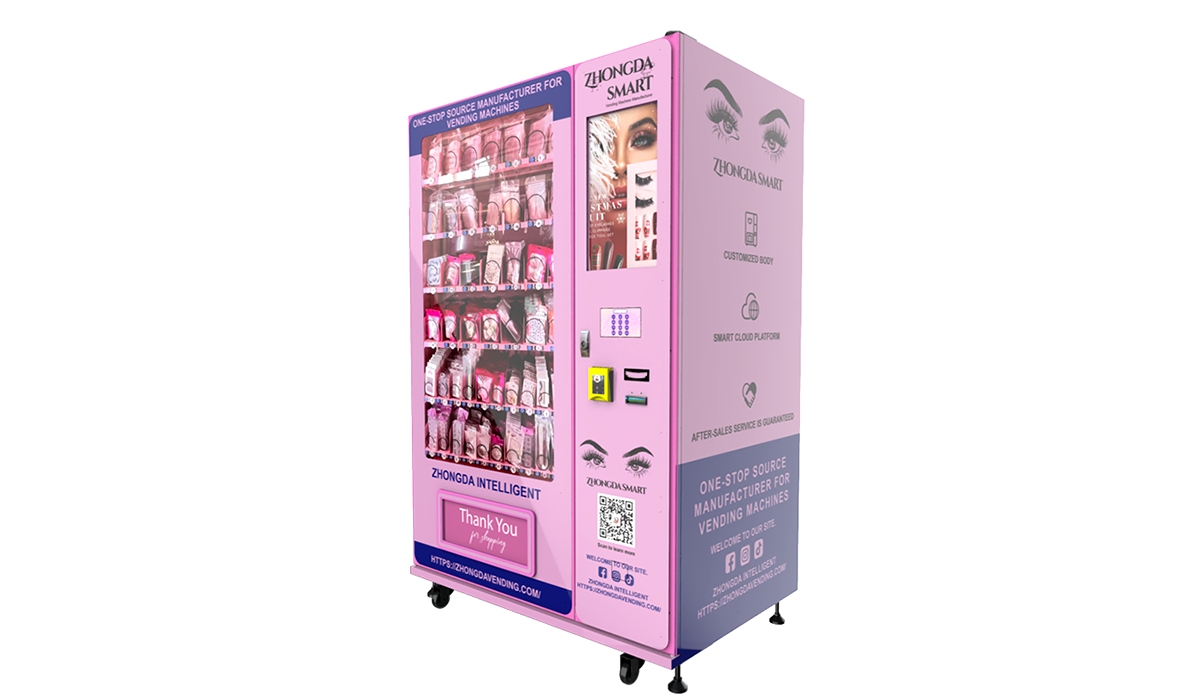
One manufacturer that I have consistently seen perform well in Illinois is Zhongda Smart. Their machines are built with modern refrigeration systems, energy-efficient components, and telemetry-ready boards. I have installed several of their units in industrial locations around Rockford, and the maintenance calls have been minimal compared to older equipment. If you are buying a route that needs machine replacements, Zhongda Smart offers a solid balance of upfront cost and long-term reliability.
That said, do not buy any machine without checking the availability of local service technicians. Some brands have limited support in the Midwest, and you do not want to wait two weeks for a repair on a machine that generates $800 per month.
Maintenance and Repair: The Hidden Cost
Every vending machine will break eventually. The question is how often and how expensive the repairs are. Based on my records, the average machine requires one to two service calls per year, with costs ranging from $100 to $500 per call. Major repairs like compressor replacement can run $600 to $1,200.
I recommend setting aside at least 10% of your gross revenue for maintenance and repairs. If you are buying a route with older machines, increase that reserve to 15% for the first two years. Many new operators ignore this until they get hit with a $1,500 repair bill in their second month.
One thing I have learned is to build relationships with local vending machine repair technicians before you need them. In Illinois, there are independent technicians in most metro areas, but they can be hard to find in rural parts of the state. If your route covers a wide area, you may need to have relationships with multiple technicians.
Regulatory Considerations in Illinois
Illinois has specific requirements for vending machine operators. You need a business license in the municipality where each machine is located. Some cities like Chicago have additional permitting requirements and health department inspections for food vending machines.
The Illinois Department of Public Health regulates food safety for vending machines that sell perishable items. If your machines sell sandwiches, salads, or dairy products, you need to comply with temperature logging requirements and HACCP plans. I have seen operators fined for not maintaining proper temperature records.
Sales tax is another consideration. In Illinois, vending machine sales are subject to the state sales tax rate of 6.25%, plus any local municipal taxes. You are responsible for collecting and remitting that tax. Many new operators forget to register for a sales tax permit and end up with penalties.
According to the Illinois Department of Revenue, vending machine operators must file sales tax returns monthly or quarterly depending on volume. I recommend using a sales tax automation service to avoid errors.
How to Negotiate the Purchase Price
When you find a route you are interested in, the asking price is usually negotiable. Sellers often price their routes based on a multiple of monthly net profit, typically 12 to 24 months of profit. But that multiple should be adjusted based on the condition of the equipment and the quality of the locations.
I have bought routes for as low as 8 months of net profit when the equipment was outdated and the locations were at risk. I have also paid 20 months of net profit for a route with modern machines and long-term contracts. The key is to do your due diligence and not be afraid to walk away.
One tactic I use is to ask the seller to finance part of the purchase price. If the seller believes the route is solid, they should be willing to carry a note for 12 to 24 months. That aligns their interests with yours and reduces your upfront risk.
Buying vs. Building a Route from Scratch
Many people ask me whether it is better to buy an existing route or build one from scratch. Both approaches have pros and cons. Buying a route gives you immediate cash flow and established relationships, but you inherit the seller's problems. Building from scratch takes longer but gives you control over equipment selection and location quality.
For someone with no vending experience, I usually recommend buying a small route first. You learn the operational side faster when you have machines that are already generating revenue. Just make sure you do not overpay, and be prepared to invest in upgrades during the first year.
If you decide to build from scratch, start with three to five machines in high-traffic locations. Use that experience to refine your product mix and restock schedule before scaling up. I have seen too many beginners buy 20 machines at once and struggle to manage the logistics.
Financing Options for Route Buyers
Most traditional banks are not eager to lend for vending machine routes. The collateral is mobile equipment that depreciates quickly. However, there are alternatives. Some sellers offer seller financing, as I mentioned earlier. Equipment leasing companies may finance the machines themselves if you have good credit.
The Small Business Administration (SBA) has loan programs that can be used for vending machine businesses, but the approval process is lengthy and requires a solid business plan. I have used SBA loans for larger route acquisitions, but the paperwork is substantial.
Another option is to use a home equity line of credit or personal savings. Many successful operators I know started small with their own capital and reinvested profits to grow. That approach minimizes risk and keeps you from being overleveraged.
Data-Driven Decisions: Using Telemetry to Optimize
One of the biggest advantages of modern vending machines is the ability to collect data. Telemetry systems track sales by product, time of day, and location. That data allows you to make informed decisions about which products to stock and which machines to move.
I have used telemetry data to identify underperforming products and replace them with higher-margin items. For example, in one industrial location, I noticed that energy drinks outsold sodas by a 3:1 margin. I adjusted the product mix accordingly and saw a 15% increase in revenue within two months.
Telemetry also helps you identify machines that are not generating enough sales to justify their location. If a machine is consistently below $300 per month after six months, it is probably time to move it to a better spot. I have relocated dozens of machines over the years, and the ones that were moved to higher-traffic locations typically saw a 50% to 100% increase in sales.
The Future of Vending in Illinois
The vending industry is evolving toward self-service kiosks and automated retail solutions. In 2026, we are seeing more machines with digital screens, interactive ordering, and even AI-based product recommendations. While these features are not yet standard, they are becoming more common in high-traffic locations.
Illinois is also seeing growth in micro-markets—unattended retail spaces with multiple machines and sometimes a small refrigerated section. Micro-markets generate higher revenue per location but require more investment in equipment and security.
For operators who stay current with technology and maintain good relationships with location managers, the vending business in Illinois remains a solid opportunity. It is not a get-rich-quick scheme, but it can provide steady income and reasonable returns on investment.
FAQs About Vending Machine Routes for Sale in Illinois
Are vending machine routes profitable in Illinois?
Yes, they can be profitable, but the margin depends on location quality, equipment condition, and your operational efficiency. Most well-run routes generate a net profit of $100 to $400 per machine per month. Profitability is higher in industrial and healthcare locations and lower in retail or low-traffic spots.
How much does a vending machine route cost in Illinois?
Prices vary widely based on the number of machines, their condition, and the quality of locations. Small routes of 10 to 15 machines may sell for $20,000 to $60,000. Larger routes of 30 to 50 machines can cost $80,000 to $200,000 or more. Always negotiate based on your due diligence findings.
How long does it take to recoup the investment?
Typical payback periods range from 12 to 24 months for well-purchased routes. If the equipment needs significant upgrades, the payback period can extend to 36 months or longer. I recommend aiming for a payback period of 18 months or less.
Should a beginner buy or lease a vending machine route?
Buying a small existing route is usually better for beginners because you get immediate cash flow and learn the operational side faster. Leasing machines from a supplier can work, but you have less control over equipment and may end up paying more in the long run.
What locations generate the best returns?
Industrial plants, manufacturing facilities, hospitals, and large office buildings tend to generate the highest and most consistent returns. Schools and universities are good but have seasonal dips. Avoid low-traffic retail and residential locations unless the rent is very low.
What licenses and permits do I need in Illinois?
You need a business license in each municipality where you place machines. Chicago requires additional permits. If you sell perishable food, you must comply with Illinois Department of Public Health regulations. You also need a sales tax permit from the Illinois Department of Revenue.
How do I choose a vending machine supplier?
Look for suppliers with a strong track record, good warranty terms, and local service support. I have had good experiences with Zhongda Smart for new machines. For used equipment, inspect each unit personally or hire an independent technician to evaluate the refrigeration and payment systems.
What happens if a machine breaks down?
You need a plan for repairs. Either learn basic maintenance yourself or have a contract with a local technician. Most machines need one or two service calls per year. Major breakdowns like compressor failure can cost $600 to $1,200 to repair.
How can I reduce restocking and maintenance costs?
Use telemetry to monitor inventory levels remotely so you only visit machines when they need restocking. Group your restock trips by geographic area to save fuel and time. Keep a stock of common spare parts like coin mechs, card readers, and refrigeration components.
Is the vending machine business declining or growing?
The industry is stable but evolving. Traditional vending machines are being supplemented by micro-markets and self-service kiosks. Cashless payment adoption has increased sales in many locations. The key is to stay current with technology and location trends.
This article is based on personal experience operating vending routes in Illinois and the Midwest since 2013. Financial figures are estimates derived from real operations and may vary based on location, foot traffic, product mix, and operational efficiency. Always conduct your own due diligence before purchasing any vending machine route. Data references include the Federal Reserve's 2023 Diary of Consumer Payment Choice and the Illinois Department of Revenue sales tax guidelines. Consult a qualified accountant or business attorney for advice specific to your situation.
Last updated: March 2026