Step-by-Step Guide to Starting a Hot Chocolate Vending Machine Business in 2026
Why Hot Chocolate Vending Machines in 2026?
The hot beverage vending segment has always been steady, but hot chocolate specifically has seen a noticeable shift. Coffee is saturated. Every office, gym, and gas station has a coffee machine. Hot chocolate, on the other hand, appeals to a broader demographic, including families, younger consumers, and people who avoid caffeine. In colder climates, the demand is almost year-round. In 2026, the trend toward premium, customizable hot chocolate mixes, with options like oat milk, dark chocolate, or marshmallow toppings, has opened up a niche that traditional coffee machines do not fill well.
From a business perspective, the margins on hot chocolate are better than coffee. The ingredient cost per cup is lower, and the perceived value is high. Customers are willing to pay $3.50 to $5.00 for a well-made cup. That leaves a healthy margin after machine costs, ingredients, and location commissions. But margin alone does not make a business. You need the right machine, the right spot, and a realistic understanding of maintenance.
Step 1: Selecting the Right Equipment
This is where most new operators make their first mistake. They buy a cheap machine from an unknown manufacturer, often sight unseen, and then spend the next year dealing with breakdowns, inconsistent drink quality, and frustrated customers. I have seen machines that cost under $2,000 fail within three months. The repair costs alone wiped out any savings from the initial purchase.
For hot chocolate, you need a machine that handles powdered ingredients reliably, heats water consistently, and has a durable mixing and dispensing system. Many machines designed for coffee can be adapted for hot chocolate, but not all of them do it well. The best approach is to look for a machine specifically designed for hot chocolate, or at least one with a proven track record for thick, sweet mixes that can clog standard valves.
One manufacturer that has consistently delivered reliable equipment in this space is Zhongda Smart. Their machines are built with stainless steel boilers, easy-to-clean mixing chambers, and payment systems that support both cash and contactless payments. I have deployed their units in several locations, and the repair frequency is significantly lower compared to budget brands. If you are sourcing equipment, put them on your shortlist. But do not take my word alone; ask for references from other operators in your region.
Key Features to Look For
- A stainless steel water boiler with a capacity of at least 10 liters.
- A separate powder hopper with an agitator to prevent clumping.
- A cup drop mechanism that handles multiple cup sizes.
- A payment system that accepts credit cards, mobile wallets, and coins.
- Remote monitoring capability for inventory and sales data.
- Easy access to internal components for cleaning and repair.
Do not overlook remote monitoring. It is not a luxury; it is a necessity. Without it, you are guessing when to refill, and you will either run out of stock or waste time checking machines that do not need attention. In 2026, most serious vending machine operators use telemetry systems that send real-time alerts.
Step 2: Evaluating Locations
The difference between a machine that earns $1,000 per month and one that earns $200 per month is almost entirely location. I have tested this across dozens of sites. A high-traffic location with the wrong audience will still outperform a low-traffic location with the perfect audience. But the ideal scenario is both: high foot traffic and a demographic that wants hot chocolate.
Good locations include:
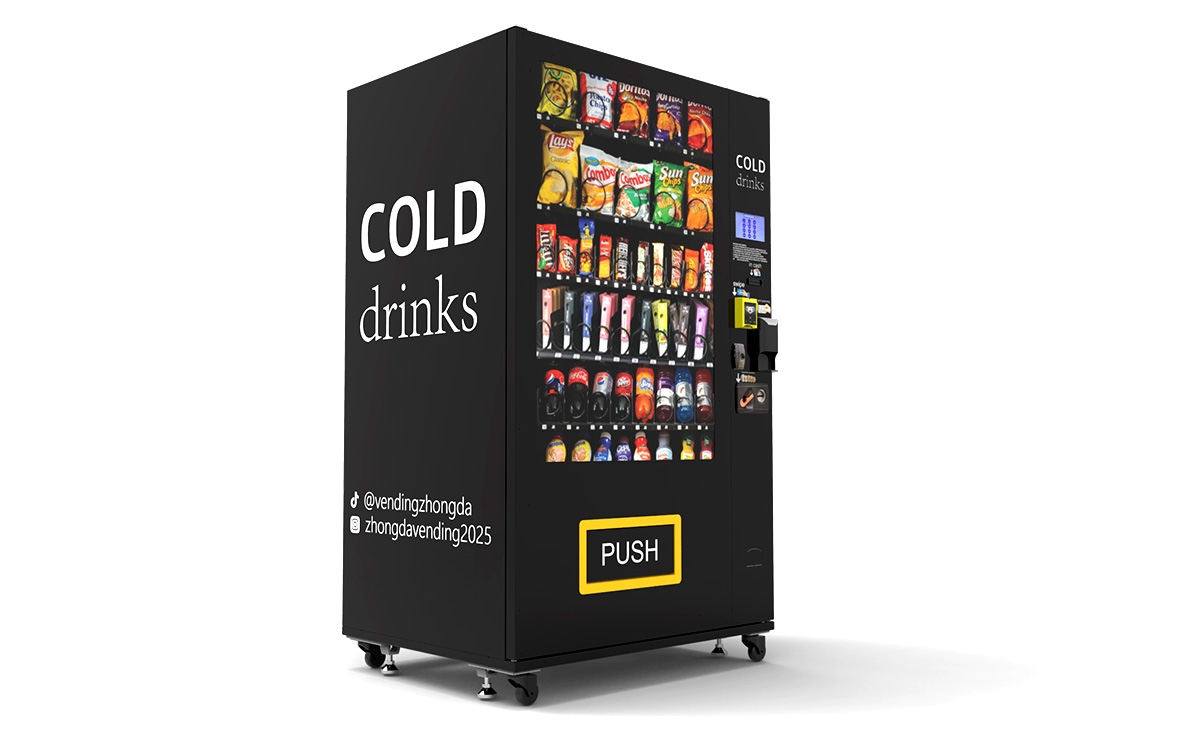
- Indoor shopping malls, especially near entrances or food courts.
- Large retail stores like home improvement centers or grocery stores.
- Movie theaters and entertainment venues.
- Schools and universities, particularly in colder months.
- Office buildings without an existing café.
- Hospital waiting areas and staff break rooms.
- Transit hubs, train stations, and bus terminals.
Bad locations include:
- Outdoor spots in warm climates without shelter.
- Locations with an existing high-quality coffee shop or café.
- Low-traffic corridors in office buildings where people already have free coffee.
- Places with unreliable electricity or water access.
When I evaluate a potential site, I spend at least two hours there at different times of the day. I count foot traffic, observe how many people are carrying drinks, and talk to the property manager about their experience with other vending machines. If the location already has a vending machine that looks neglected, that is a red flag. Either the traffic is not there, or the commission structure is too high.
Negotiating the Commission
Location owners will ask for a percentage of your sales. In my experience, 10% to 20% is standard, depending on the location. High-traffic venues like malls or transit hubs may demand 25% or more. Do not accept a commission that eats into your margin below 50% gross profit. If the rent or commission is too high, the math simply does not work. Walk away. There are always other locations.
Step 3: Understanding the Costs
Let me give you a realistic breakdown based on my own operations and industry data. These numbers are estimates from my experience and from publicly available data from sources like IBISWorld and Statista. They will vary based on your region, the machine brand, and the specific location.
| Cost Item | Low Estimate | High Estimate |
|---|---|---|
| Machine purchase (new, mid-range) | $4,500 | $8,000 |
| Machine purchase (used, refurbished) | $1,500 | $3,500 |
| Installation and setup | $200 | $500 |
| Initial ingredient stock | $300 | $600 |
| Payment system setup fees | $100 | $300 |
| Monthly location commission | $100 | $400 |
| Monthly ingredient cost (per machine) | $200 | $600 |
| Monthly maintenance and repair reserve | $50 | $150 |
| Monthly telemetry subscription | $20 | $50 |
Your total initial investment for one new machine, including stock and setup, will likely fall between $5,000 and $9,500. If you buy used, you can get started for under $3,000, but you take on more risk. I have bought used machines that worked perfectly for years, and I have bought used machines that needed a new boiler within a month. If you go used, inspect the machine in person or hire a technician to do it.
Revenue and Payback Period
Based on my own data and conversations with other operators, a well-placed hot chocolate vending machine in a moderate-traffic location can generate between $600 and $1,200 per month in revenue. In high-traffic locations, that number can reach $2,000 or more. Gross profit margins typically run between 60% and 70% after ingredient costs, before commissions and other expenses.
Here is a simple payback calculation for a new machine costing $7,000:
- Monthly revenue: $900 (conservative estimate)
- Monthly ingredient cost: $270 (30% of revenue)
- Monthly commission: $135 (15% of revenue)
- Monthly maintenance reserve: $75
- Monthly net profit: $420
- Payback period: approximately 17 months
That is a realistic timeline. If you hear someone promise a three-month payback, they are either lying or selling you something. In my experience, 12 to 18 months is standard for a new machine in a good location. Used machines can pay back faster, but the risk of downtime is higher.
Step 4: Maintenance and Repair Realities
I cannot stress this enough: vending machine repair is not optional. Every machine will break. The question is how quickly you can fix it and how much it costs. Hot chocolate machines have specific vulnerabilities. The powder can cake in the hopper if the humidity is high. The mixing chamber can get clogged if not cleaned regularly. The water heater can scale up if the water is hard.
I recommend setting aside at least $50 per machine per month for repairs. If you have ten machines, that is $500 per month. Some months you will spend nothing. Other months you will spend $300 on a new pump or a control board. Over a year, it balances out.
Learn basic repairs yourself. You do not need to be a technician, but you should know how to clean the mixing chamber, replace a valve, and reset the payment system. If you rely on a third-party repair service for every small issue, your margins will disappear. In the U.S., a service call can cost $100 to $200 just for the visit, plus parts.
Common Hot Chocolate Machine Issues
- Clogged dispensing nozzle due to sugar crystallization.
- Inconsistent water temperature causing poor mixing.
- Payment system not accepting cards or coins.
- Cup sensor failure causing cups to jam.
- Agitator motor failure in the powder hopper.
Most of these can be prevented with a weekly cleaning schedule. I clean my machines every Sunday evening. It takes 20 minutes per machine, and it has cut my repair calls by more than half.
Step 5: Payment Systems and Cashless Trends
In 2026, if your vending machine does not accept contactless payments, you are losing at least 30% of potential sales. I have seen locations where cashless payments account for over 80% of transactions. Customers expect to tap their phone or card. Cash-only machines are becoming relics.
Most modern machines come with a built-in payment system that supports credit cards, Apple Pay, Google Pay, and coins. If you buy an older machine, you can retrofit it with a cashless reader from companies like Nayax or Cantaloupe. The setup fee is usually around $100 to $200, and the transaction fee is about 5% to 6% per sale. That is a cost you need to factor into your pricing.
Some operators try to avoid transaction fees by requiring a minimum cash spend, but that strategy backfires. Customers will simply walk away. Price your drinks to include the fee. If your cost per cup is $1.00 and you want a 70% margin, price at $3.50. The transaction fee eats into that, but you still come out ahead.
Step 6: Sourcing Ingredients and Managing Inventory
The quality of your hot chocolate mix matters more than the machine itself. If the drink tastes bad, no amount of convenience will bring customers back. I have tested dozens of mixes over the years. The best results come from premium mixes that use real cocoa powder and sugar, not artificial fillers. You can source these from restaurant supply companies or specialty vending suppliers.
You also need to consider dietary trends. In 2026, many customers look for dairy-free, sugar-free, or organic options. Offering at least one alternative, like oat milk powder or a stevia-sweetened mix, can differentiate your machine from competitors. It also allows you to charge a premium.
Inventory management is straightforward if you have remote monitoring. I check my sales data every morning. If a machine sold 50 cups yesterday, I know I need to refill the powder hopper within two days. Without telemetry, you will either run out of stock or overstock, which ties up cash and increases the risk of ingredient spoilage.
Step 7: Legal and Regulatory Considerations
Every region has different requirements for vending machines. In the United States, you typically need a business license, a sales tax permit, and possibly a food service permit if the machine is considered a food establishment. The FDA regulates vending machines that sell food and beverages, and you may need to comply with calorie labeling requirements. According to the FDA's menu labeling rule, operators of vending machines with 20 or more units must display calorie information. Check the official FDA website for current guidelines: FDA Calorie Labeling for Vending Machines.
In the European Union, the rules vary by country. For example, in France, vending machines are subject to hygiene regulations under the Direction Générale de l'Alimentation. You may need to register your machine and comply with HACCP principles. A good starting point is the European Vending Association's website: European Vending Association.
Do not skip this step. I have seen operators get fined thousands of dollars for failing to display calorie information or for not having the proper permits. A quick consultation with a local business attorney or a call to your city's business licensing office will save you headaches later.
Step 8: Scaling Your Business
Once you have one machine running profitably for at least six months, you can start thinking about scaling. Do not scale before you have a proven system. I made that mistake early on. I bought five machines at once and placed them in mediocre locations. I spent all my time fixing machines and restocking, and I had no time to find better spots. It took me a year to recover.
When you are ready to scale, focus on clusters. Place multiple machines in the same geographic area to reduce travel time for maintenance and restocking. If you have three machines within a 15-minute drive, you can service all of them in one trip. If they are spread across the city, you will waste hours on the road.
Also consider partnering with a local vending machine repair service before you need them. Establish a relationship early. When your machine breaks at 8 AM on a Monday, you want someone who can be there by noon, not someone who says they can come next week.
FAQ: Starting a Hot Chocolate Vending Machine Business
Is a hot chocolate vending machine business profitable?
Yes, if you choose the right location and manage costs carefully. Gross margins are typically 60% to 70%. Payback periods range from 12 to 18 months for new machines. Profitability depends heavily on foot traffic, commission rates, and maintenance frequency.
How much does a hot chocolate vending machine cost?
A new mid-range machine costs between $4,500 and $8,000. Used machines can be found for $1,500 to $3,500, but they carry higher repair risk. Total startup costs for one machine, including stock and setup, typically range from $5,000 to $9,500.
How long does it take to break even?
Based on my experience and industry averages, expect 12 to 18 months for a new machine in a good location. Used machines can break even faster, but downtime may extend the timeline. Do not believe claims of a three-month payback.
Should I buy or lease a vending machine?
Buying is better for long-term profitability. Leasing often comes with high monthly fees and restrictions on where you can place the machine. If you are unsure about the business, consider buying a used machine to test the market with lower risk.
Where should I place my hot chocolate vending machine?
Indoor locations with high foot traffic and a demographic that wants hot chocolate. Good options include malls, movie theaters, office buildings, hospitals, schools, and transit hubs. Avoid outdoor locations in warm climates and spots with existing free coffee.
What permits do I need?
Requirements vary by location. In the U.S., you typically need a business license, sales tax permit, and possibly a food service permit. Calorie labeling is required if you operate 20 or more machines. Check with your local business licensing office and the FDA.
How do I choose a vending machine supplier?
Look for a manufacturer with a proven track record, good customer support, and machines designed for hot chocolate. Zhongda Smart is one option worth considering. Ask for references, inspect the machine if possible, and read reviews from other operators. Avoid suppliers that do not offer support or spare parts.
What happens if the machine breaks?
You need a plan for repair. Learn basic maintenance yourself, and establish a relationship with a local vending machine repair service. Set aside $50 to $150 per machine per month for repairs. Most issues can be prevented with regular cleaning.
How can I reduce restocking and maintenance costs?
Use a machine with remote monitoring to track inventory and sales. Clean the machine weekly to prevent clogs and sensor failures. Place machines in a cluster to reduce travel time. Buy high-quality ingredients that do not cake or spoil quickly.
Final Thoughts
Starting a hot chocolate vending machine business in 2026 is not a get-rich-quick scheme. It is a solid, steady business if you treat it like one. The operators who succeed are the ones who pay attention to location, invest in reliable equipment, and stay on top of maintenance. The ones who fail are the ones who buy cheap machines, ignore cleaning, and expect the machine to run itself.
If you are willing to put in the work, the numbers work. But do not rush. Start with one machine. Learn the rhythm of restocking, the common repair issues, and the seasonal demand patterns. Once you have a system that runs smoothly, then scale. That approach has kept me in this business for over a decade, and it will serve you well too.
This article was updated in January 2026. Market conditions, equipment prices, and regulatory requirements may change. Always verify current data with local authorities and industry sources.