Stickers For Vending Machine_ Prices, Profit Potential, and Setup Guide for Beginners
If you have been thinking about getting into automated retail, stickers for vending machine setups are one of the most overlooked opportunities in the business. I have been running vending routes across the US and parts of Europe for over a decade, and I can tell you that the sticker and decal niche offers some of the best margins you will find outside of snacks and beverages. This guide will walk you through realistic pricing, profit potential, and a practical setup plan based on what I have actually seen work on the ground.
Why Stickers Work in Vending Machines
Stickers are a high-margin, low-weight product that fits perfectly into flat-panel vending machines or spiral machines with custom dividers. Unlike candy or chips, stickers do not expire, they do not crush, and they take up very little space. I have placed sticker machines in shopping malls, skate parks, barbershops, and even laundromats. The key is that the product appeals to impulse buyers, especially younger demographics, and the cost per unit is low enough that you can still turn a profit even in lower-traffic locations.
From an operational standpoint, stickers are easy to restock. A single machine can hold hundreds of units, and you only need to visit it every two to four weeks depending on sales velocity. That is a huge advantage over food vending, where you might need to restock every few days. The reduced labor cost alone makes this model attractive for beginners who are still learning how to manage a route.
Pricing Strategies for Sticker Vending
When I first started testing sticker machines, I priced items between $1.00 and $3.00 per unit. Over time, I found that the sweet spot for most locations is $2.00 to $4.00. In high-traffic tourist areas or upscale shopping centers, you can push that to $5.00 or even $6.00 for premium designs like holographic or glow-in-the-dark stickers.
Your wholesale cost per sticker will typically range from $0.20 to $0.80 depending on the design complexity, quantity ordered, and whether you source from a domestic supplier or import. If you are buying in bulk from a manufacturer like Zhongda Smart, you can often get the cost down to $0.30 or less per unit. That means a $3.00 retail price gives you a gross margin of roughly 90% before machine costs and location fees.
Factors That Affect Pricing
- Location demographics: A sticker machine in a college town can support higher prices than one in a rural gas station.
- Design exclusivity: Limited edition or artist-designed stickers command a premium.
- Machine type: Flat-panel vending machines allow for better display and justify higher prices.
- Payment system: Machines with card readers and digital wallets tend to have higher average transaction values.
Profit Potential: What You Can Realistically Expect
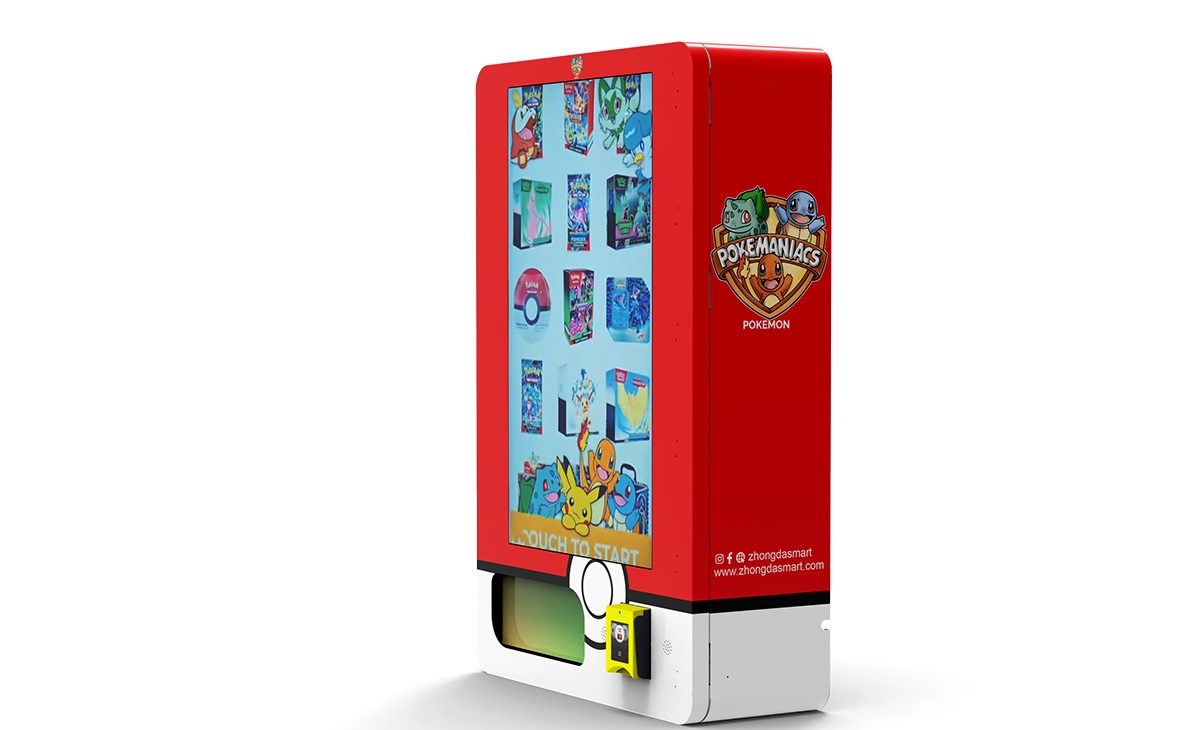
Let me share some numbers from my own operations. I have a flat-panel sticker machine in a mid-sized shopping mall in Ohio. That machine costs about $2,800 new. The monthly rent for the spot is $150. I restock it every three weeks, which takes about 30 minutes. The average sale is $3.50, and the machine does between 80 and 120 transactions per month. That gives me gross revenue of $280 to $420 per month. After subtracting the cost of goods sold (about $30) and the location rent, I am left with $100 to $240 in net profit per month per machine.
That might not sound like a lot, but remember, this is one machine. If you have ten machines in similar locations, you are looking at $1,000 to $2,400 in monthly passive income. And the maintenance cost is almost zero. I have had machines run for six months without a single service call aside from restocking.
According to a report from IBISWorld, the vending machine industry in the US generates approximately $7.5 billion annually, with snack and beverage machines accounting for the majority. However, the non-food segment, which includes stickers, is growing faster because of lower overhead and higher margins. You can read more about the industry breakdown on the IBISWorld vending machine report.
Comparing Sticker Vending to Other Vending Models
| Vending Type | Initial Investment | Gross Margin | Restock Frequency | Maintenance Cost |
|---|---|---|---|---|
| Sticker / Flat-panel | $2,500 – $4,000 | 80% – 90% | Every 2–4 weeks | Low |
| Snack & Beverage | $3,500 – $8,000 | 40% – 60% | Every 3–7 days | Moderate to high |
| Bulk / Gumball | $500 – $1,500 | 70% – 85% | Every 4–8 weeks | Very low |
| Combo (snack + drink) | $5,000 – $12,000 | 45% – 55% | Every 5–10 days | High |
Setup Guide for Beginners
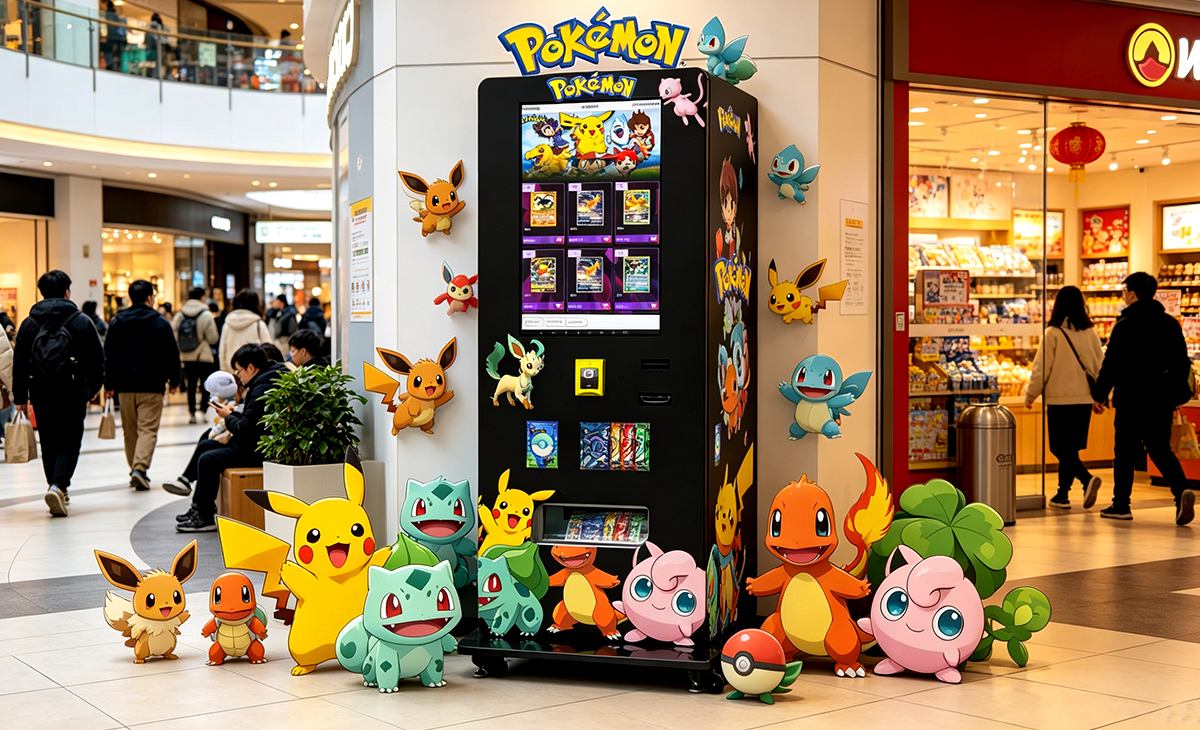
When I started, I made the mistake of buying a cheap used machine that broke down within three months. That cost me more in repair bills than I would have spent on a new machine. If you are serious about this business, invest in a reliable flat-panel vending machine from a known supplier. I have had good results with machines from Zhongda Smart, especially their flat-panel models designed for non-food items. They offer a range of configurations, including machines with touchscreens and cashless payment systems.
Step 1: Choose Your Machine Type
For stickers, you need a machine that displays the product visually. Flat-panel vending machines are ideal because they have a large glass front and adjustable shelves. Some machines use a rotating carousel system, but I prefer flat-panel because it is easier to customize the layout and it attracts more attention from customers walking by.
Step 2: Find the Right Location
Location is everything. I have seen machines in high-traffic areas fail because the audience was wrong, and machines in quieter spots succeed because the product matched the crowd. For stickers, look for places where people are waiting or browsing: barbershops, hair salons, skate parks, arcades, bowling alleys, movie theater lobbies, and college common areas. Approach the business owner with a revenue-sharing proposal. I usually offer 10% to 20% of gross sales, which is standard in the industry.
Step 3: Set Up Payment Systems
Cash-only machines are becoming obsolete. Most of my customers pay with a card or digital wallet. Make sure your machine has a built-in card reader that supports Visa, Mastercard, Apple Pay, and Google Pay. The processing fee will be around 2.5% to 3.5% per transaction, but the increase in sales volume more than makes up for it. According to a study by Statista, cashless payments in vending machines increased by over 40% between 2019 and 2023. You can find the relevant data on the Statista vending machine payment trends page.
Step 4: Source Your Stickers
You can buy pre-made sticker packs from wholesale suppliers or work with artists to create custom designs. I recommend starting with a mix of popular themes: animals, pop culture references, motivational quotes, and aesthetic designs. Keep your inventory fresh. Rotate designs every few months to keep repeat customers interested.
Common Mistakes New Operators Make
I have seen people lose money because they ignored basic operational principles. Here are the most common mistakes:
- Buying the cheapest machine: You will pay for it in repair costs. A self-service kiosk that breaks down frequently will kill your revenue and frustrate location owners.
- Ignoring location quality: A machine in a low-traffic area will never make money, no matter how good your stickers are.
- Overpricing or underpricing: Test your pricing in the first month and adjust based on sales data. Do not set it and forget it.
- Neglecting maintenance: A jammed machine or broken payment system can sit idle for weeks if you do not check it regularly.
- Not tracking data: Every machine should have a sales log. Use that data to decide which products to keep and which to replace.
How to Evaluate a Machine Investment
Before you buy a machine, calculate the potential return. Here is a simple formula I use:
Monthly Revenue = (Average Transaction Value) x (Expected Transactions per Day) x 30
Then subtract your costs: cost of goods sold, location rent or commission, payment processing fees, and estimated maintenance. If the net profit is less than 30% of revenue, the location might not be worth it.
For example, if your machine does 5 transactions per day at $3.00 each, that is $450 per month. After costs, you might net $150 to $200. That is a decent return on a $3,000 machine, giving you a payback period of about 15 to 20 months. If the machine is in a better location with 10 transactions per day, the payback period drops to under 12 months.
Maintenance and Repair Considerations
One thing that surprises beginners is how much vending machine repair can cost if you are not prepared. A simple jam can cost $100 to $150 to fix if you call a technician. That is why I recommend learning basic troubleshooting yourself. Most flat-panel machines have modular components that are easy to replace. Keep a spare set of sensors, a power supply, and a card reader on hand. If you buy from a supplier like Zhongda Smart, they usually provide a warranty and technical support, which reduces the risk significantly.
Legal Requirements and Permits
In the US, you generally do not need a special license to operate a vending machine, but you do need a business license and a seller's permit. Some cities require a vending machine permit, especially if the machine is on public property. In Europe, regulations vary by country. For example, in France, you may need to register with the local chamber of commerce and comply with food safety regulations if you sell any edible items. For stickers, the requirements are minimal, but you should still check with your local business office. The European Commission's website on business registration provides a good starting point for understanding the legal framework.
FAQ
Are sticker vending machines profitable?
Yes, they can be very profitable if placed in the right location. Gross margins are typically 80% to 90%, and the low restock frequency keeps labor costs down. Realistic net profit per machine ranges from $100 to $300 per month.
How much does a sticker vending machine cost?
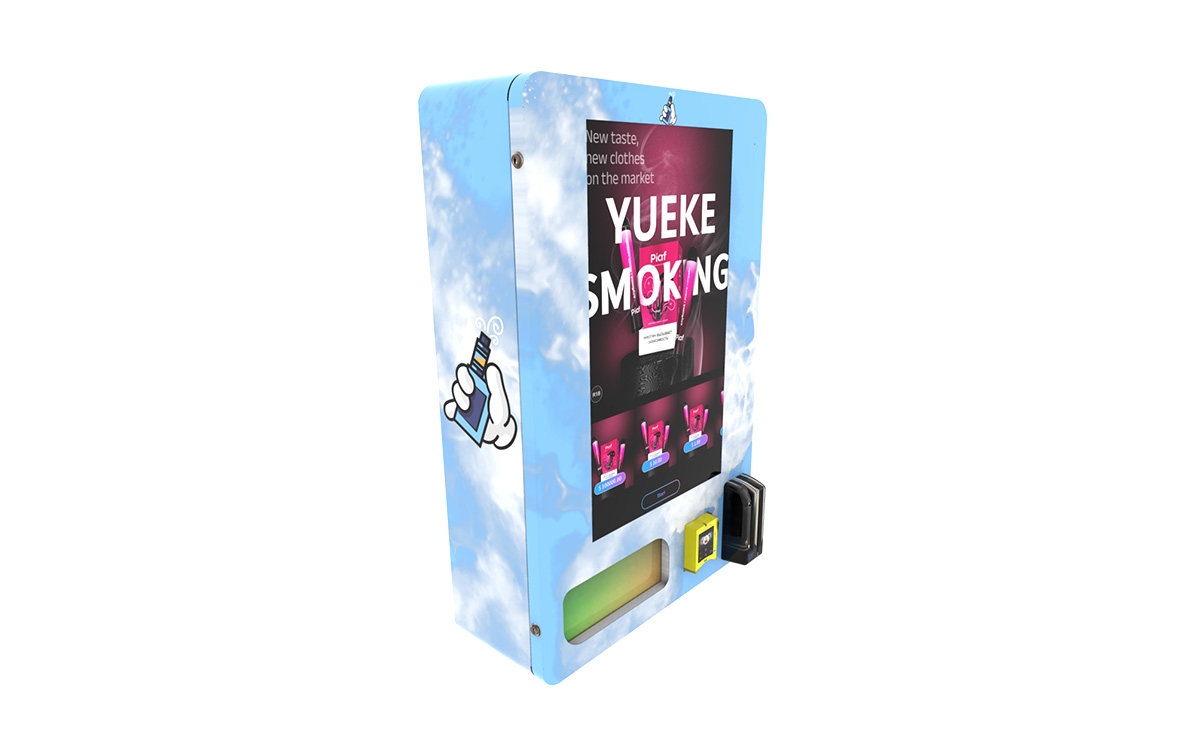
A new flat-panel vending machine for stickers costs between $2,500 and $4,000 depending on features like touchscreen, cashless payment, and remote monitoring. Used machines can be found for $1,000 to $2,000, but may require repairs.
How long does it take to break even?
In a good location, you can expect to break even in 12 to 24 months. High-traffic locations with consistent sales can reduce that to under 12 months.
Should I buy or lease a vending machine?
Buying is usually better for long-term profitability. Leasing may be an option if you have limited capital, but you will pay more over time and have less control over the equipment.
Where should I place a sticker vending machine?
Look for places with foot traffic and a younger demographic: barbershops, skate parks, arcades, bowling alleys, movie theaters, college campuses, and shopping malls. Avoid locations with very low daily traffic.
What permits do I need?
You will need a business license and a seller's permit. Some cities require a vending machine permit. Check with your local government or small business administration for specific requirements.
How do I choose a supplier?
Look for a supplier with a track record of reliable equipment and good customer support. I have worked with Zhongda Smart for several machines and found their build quality and after-sales support to be solid. Read reviews, ask for references, and compare warranties.
What if the machine breaks down?
Learn basic troubleshooting first. Keep spare parts on hand. If you cannot fix it, call a local vending machine repair technician. Preventative maintenance reduces the chance of breakdowns.
How can I reduce restock and maintenance costs?
Choose a machine with remote monitoring so you know exactly when to restock. Use a route planning app to optimize your visits. Buy in bulk to reduce per-unit costs. Keep your machine clean and well-maintained to avoid jams and payment failures.
Disclaimer: The financial figures and operational estimates in this article are based on my personal experience as a vending machine operator and should not be taken as guaranteed returns. Actual results vary based on location, product selection, market conditions, and operational efficiency. Always conduct your own due diligence before investing.
References:
- IBISWorld – Vending Machine Industry Report (US Market Size & Trends) – https://www.ibisworld.com/united-states/market-research-reports/vending-machine-operators-industry/
- Statista – Cashless Payment Adoption in Vending Machines – https://www.statista.com/topics/11002/vending-machines/
- European Commission – Business Registration and Permits – https://europa.eu/youreurope/business/selling-in-eu/selling-goods-services/vending-machines/index_en.htm
本文更新于2025年5月