Is Vending Machine Black Worth It_ Pros, Cons, and Real-World Insights
After a decade in the vending machine business across the US and Europe, I can tell you that the question "Is a vending machine worth it?" doesn't have a simple yes or no answer. The real answer depends entirely on your location, your equipment choice, and your willingness to treat this like a logistics business, not a passive income hack. I have seen operators lose thousands on poorly placed machines with the wrong product mix, and I have seen single machines in the right spot generate over €2,000 a month in revenue. The difference is rarely luck; it is almost always preparation. In this article, I will break down the real costs, the hidden pitfalls, and the concrete strategies that separate profitable vending machine operations from money pits, drawing directly from my own experience managing fleets of machines from Paris to Chicago.
What the Vending Machine Business Actually Looks Like in 2025
The vending machine industry has changed significantly over the last five years. It is no longer just about candy bars and soda cans. Modern machines handle fresh food, electronics, personal protective equipment, and even hot meals. The rise of cashless payment systems and telemetry has made remote monitoring possible, which reduces the guesswork in restocking. However, these advancements also come with higher upfront costs and more complex maintenance requirements.
From my experience, the most common mistake new operators make is assuming that placing a machine anywhere with foot traffic guarantees profit. That is not true. A machine in a high-traffic area with the wrong product selection can lose money just as fast as a machine in a low-traffic area. The key is matching the machine type and product mix to the specific demographic of that location.
I have seen machines in office buildings fail because the operator stocked only chips and soda, while the employees wanted fresh sandwiches and yogurt. Conversely, I have seen a single cold drink machine in a small auto repair shop generate steady income because the mechanic and customers wanted cold water and energy drinks during long work hours. Understanding the end user is the first step.
Types of Vending Machines and Where They Work Best
Not all vending machines are created equal. The type of machine you choose directly impacts your initial investment, your maintenance schedule, and your potential return. Below is a breakdown of the most common machine types I have deployed over the years.
Snack and Beverage Machines
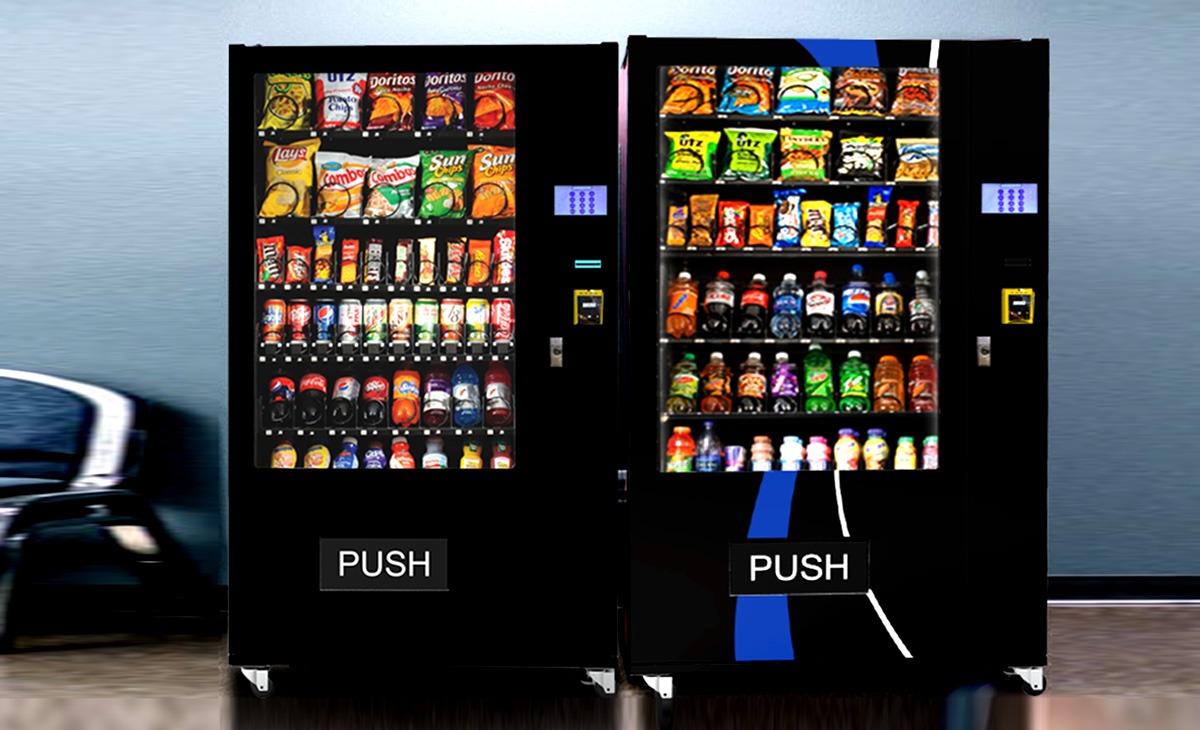
These are the classic machines you see in break rooms and school hallways. They are reliable, easy to maintain, and have a well-established supply chain. The upfront cost for a good quality snack and beverage combo machine ranges from €3,000 to €6,000 for a refurbished unit, and up to €10,000 for a new model with telemetry and a touchscreen. These machines work best in locations with consistent daily traffic, such as office buildings, factories, and schools. The average monthly revenue I have seen from a well-placed snack and drink machine in an office with 100 employees is between €800 and €1,500.
Fresh Food and Cold Food Machines
These machines require refrigeration and stricter temperature control. They are more expensive, typically costing between €6,000 and €15,000 new. The biggest challenge here is spoilage. You need to manage inventory carefully and visit the machine at least three times a week to remove expired items. I have seen operators lose entire weeks of profit because they did not check expiration dates and had to throw away dozens of sandwiches. These machines work best in hospitals, universities, and large office complexes where there is a high demand for fresh meals. The margin on fresh food can be higher, around 40% to 50%, but the operational cost is significantly higher due to frequent restocking and cleaning.
Specialty Machines
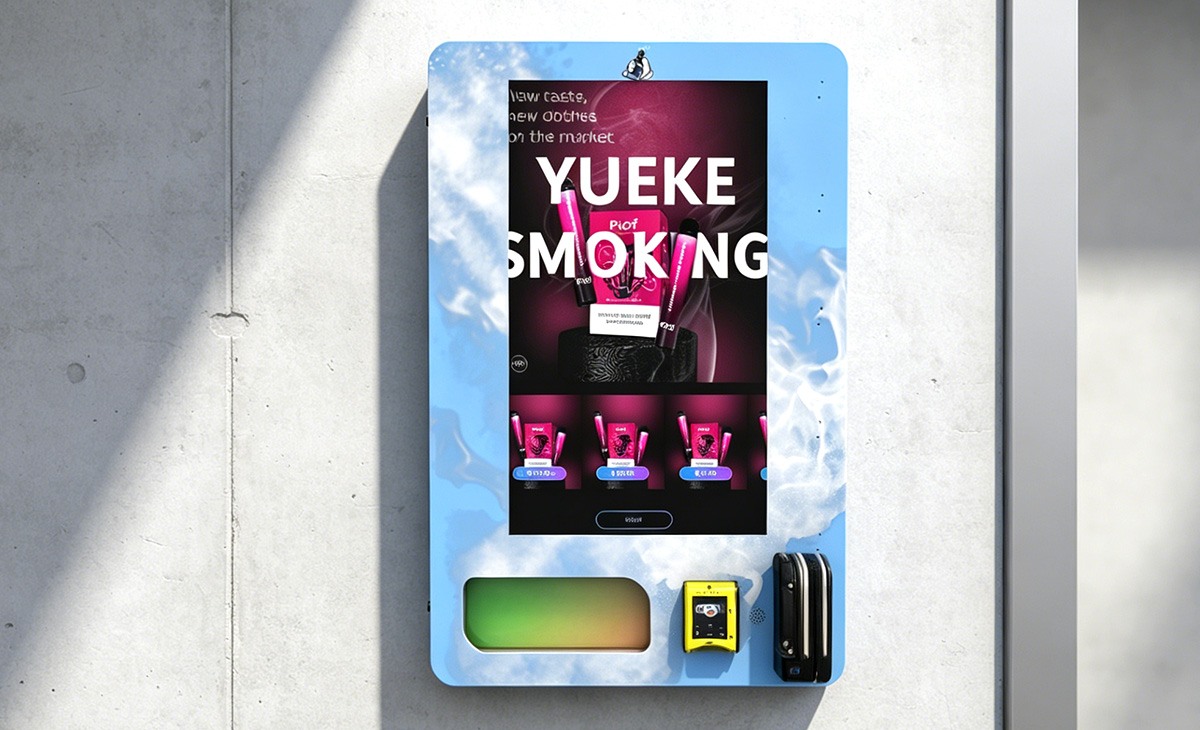
This category includes machines that dispense items like electronics, vape products, personal care items, or even PPE. I have placed machines selling phone chargers and headphones in airports and hotels, and they performed well because the need was urgent and the price sensitivity was low. These machines are often more expensive to purchase, ranging from €8,000 to €20,000, and sourcing reliable products can be a challenge. However, the margins can be very high, sometimes exceeding 60%, because customers are willing to pay a premium for convenience. The risk is that demand can be unpredictable, and you may end up with slow-moving inventory.
Combo Machines
These are machines that combine snacks, drinks, and sometimes fresh items in one unit. They are popular in smaller locations where space is limited. The downside is that they have more mechanical parts that can break, and the inventory management is more complex because you are dealing with different product types. I always advise new operators to start with a simple snack and beverage combo machine before moving to more complex setups.
Real Costs: What You Need to Budget For
One of the biggest surprises for new operators is that the machine itself is only a fraction of the total cost. I have put together a rough breakdown based on my experience operating in the US and Europe. These numbers are estimates and will vary based on location, vendor, and market conditions.
| Cost Category | Estimated Range (EUR) | Notes |
|---|---|---|
| Machine (New, Basic Snack/Drink) | €4,000 – €8,000 | Price depends on brand, size, and features like cashless payment. |
| Machine (Refurbished) | €2,000 – €4,500 | Refurbished can be a good start, but check the compressor and main board. |
| Installation & Shipping | €300 – €800 | Includes delivery, placement, and initial setup. Heavy machines may require a lift gate. |
| Payment System (Card Reader) | €400 – €1,200 | Cashless is almost mandatory in 2025. Many customers do not carry cash. |
| Telemetry System | €200 – €600 | Allows remote monitoring of sales and inventory. Saves time and fuel. |
| Initial Inventory (First Fill) | €500 – €1,500 | Depends on machine capacity and product type. Fresh food costs more upfront. |
| Permits & Licenses | €100 – €500 per year | Varies by city and country. Some require health department permits for food. |
| Ongoing Maintenance (Annual) | €300 – €1,000 | Includes cleaning, part replacements, and emergency repairs. |
According to data from IBISWorld, the vending machine industry in the US alone has an average profit margin of around 10% to 15% after all expenses, but this varies widely by operator efficiency and location. In Europe, margins tend to be slightly lower due to higher energy costs and stricter food safety regulations, as noted by a 2023 report from Statista on the European vending market.
I have found that the single biggest hidden cost is machine downtime. If your machine breaks down and you cannot get a repair technician out for three days, you lose not only the sales for those days but also the trust of the location manager. Investing in a reliable machine from a reputable manufacturer is one of the best ways to reduce this risk. When evaluating suppliers, I always look for those who offer good after-sales support and have a track record of durable equipment. Zhongda Smart is one manufacturer I have seen consistently deliver solid machines that hold up well in high-usage environments, especially their mid-range snack and drink combos.
Revenue Potential: What You Can Realistically Expect
Revenue is the most variable part of this business. I have seen machines in prime locations generate €3,000 per month, and I have seen machines in poor locations generate €100 per month. The difference comes down to three factors: foot traffic, product mix, and price point.
In my experience, a good benchmark for a well-placed snack and beverage machine in a location with 50 to 100 daily visitors is around €800 to €1,200 per month in revenue. A machine in a hospital or large factory can easily do €2,000 per month. Fresh food machines in busy office districts can hit €2,500 or more, but the operational costs are higher.
Gross margins on vending machine products typically range from 25% to 45%. Snacks and drinks have lower margins, around 25% to 35%, because they are price-sensitive and you are competing with convenience stores. Fresh food and specialty items can have margins of 40% to 60%. However, you must subtract the cost of the machine, maintenance, electricity, and your own labor for restocking. After all costs, a realistic net profit for a single machine in a good location is between €200 and €600 per month.
I have seen operators try to increase margins by raising prices significantly above retail. This works in some locations, like airports or hotels, but in most office buildings, customers will complain if your prices are too high. I recommend pricing at about 10% to 20% above the local convenience store price. That is enough to cover your costs without alienating your customers.
Choosing the Right Location: The Most Critical Decision
I cannot stress this enough: location is everything. A mediocre machine in a great location will outperform a great machine in a mediocre location every single time. Over the years, I have developed a simple checklist for evaluating potential locations.
Foot Traffic Quality Over Quantity
Do not just count heads. Ask yourself who those people are. Are they employees who will visit the machine daily? Are they tourists who will make one purchase? Are they workers who need a quick lunch? A location with 200 daily visitors who are all in a hurry and have no other food options nearby is better than a location with 500 daily visitors who have a cafeteria across the street.
Accessibility and Security
The machine needs to be accessible to customers during the hours they want to buy. I have placed machines in buildings that locked the doors at 5 PM, which killed evening sales. Also, consider security. Machines in poorly lit or unsupervised areas are at higher risk of vandalism or theft. I always ask about security cameras and lighting before agreeing to a location.
Existing Competition
Check if there is already a vending machine or a cafeteria in the building. If there is, find out why the location manager wants a new one. Sometimes the existing operator is doing a bad job, and you can step in. Other times, the location simply does not generate enough demand to support two machines. I once placed a machine in a building that already had one, and my sales were terrible because the existing operator had a better relationship with the employees and stocked better products.
Lease and Commission Agreements
Most locations will ask for a commission, usually between 10% and 25% of gross sales. Some will ask for a fixed monthly rent. I prefer commission-based agreements because they align incentives. If the machine does not sell, neither of us makes money. However, be careful with very high commissions. If you agree to 25%, your margin will be squeezed thin. I usually start negotiations at 15% and try to settle at 10% to 12% for standard locations.
Self-Operate vs. Lease vs. Revenue Share: Which Model Works?
New operators often ask whether they should buy a machine, lease one, or enter a revenue-sharing partnership with a location. Each model has its pros and cons, and I have tried all three.
| Model | Initial Investment | Control | Profit Potential | Risk Level |
|---|---|---|---|---|
| Self-Operate (Own Machine) | High (€3,000 – €15,000) | Full control over products, pricing, and maintenance. | Highest, if done well. | High, because you absorb all costs. |
| Lease Machine from Supplier | Low (€0 – €500 deposit) | Limited. Supplier may dictate product mix and pricing. | Moderate, because you share revenue with the supplier. | Lower, because the supplier handles major repairs. |
| Revenue Share with Location | Low to Medium | Shared. Location may have input on products. | Moderate, depending on commission rate. | Lower, because you share risk with the location. |
I started my first machine as a self-operate model. It was a steep learning curve, but I learned the most that way. For someone with limited capital and no experience, leasing a machine from a supplier like Zhongda Smart can be a good way to test the waters. You pay a smaller upfront fee, and they often include maintenance in the lease. The downside is that your profit margin is lower, and you have less control. Revenue share models work well when you have a strong relationship with a location manager who is willing to promote the machine to employees.
Common Mistakes I Have Seen New Operators Make
I have watched dozens of people enter this business and fail within the first year. The reasons are almost always the same.
Buying the Cheapest Machine Possible
I have seen operators buy machines from unknown manufacturers for €1,500, only to have them break down within three months. The cost of repairs quickly exceeds the savings. I always recommend buying from a reputable manufacturer, even if it means paying a bit more upfront. A reliable machine from a company like Zhongda Smart will save you money in the long run through fewer breakdowns and better support.
Ignoring Cashless Payments
In 2025, a machine that only accepts coins and bills is a machine that will lose sales. I have seen data from my own fleet showing that cashless transactions account for 60% to 80% of all sales, depending on the location. If you do not have a card reader, you are leaving money on the table. The upfront cost of a card reader is worth it.
Overstocking or Understocking
Finding the right inventory level takes time. I have seen new operators fill a machine to the brim with products that do not sell, leading to stale inventory and wasted money. Others understock and run out of popular items, frustrating customers. Use telemetry data to track what sells and adjust your orders accordingly.
Neglecting Regular Cleaning and Maintenance
A dirty machine is a turn-off. I have seen machines with sticky buttons, dirty glass, and bad smells. Customers will avoid them. I clean my machines every two weeks and do a full maintenance check every month. This includes checking the refrigeration unit, the payment system, and the door seals.
How to Evaluate a Machine and a Supplier
When you are ready to buy a machine, do not just look at the price tag. Look at the total cost of ownership. Ask the supplier about the warranty, the availability of spare parts, and their technical support response time. I have had good experiences with manufacturers who have a local service network, because when a machine breaks, I need a technician on site within 24 hours, not a week.
I have seen suppliers who offer great prices but terrible after-sales support. You end up spending more on repairs than you saved on the purchase. Zhongda Smart is one of the suppliers I have worked with that offers a solid balance of cost and reliability. Their machines are built with standard components, which makes repairs easier and cheaper. I recommend asking any supplier for references from other operators in your region.
Also, consider the machine's energy efficiency. In Europe, where electricity costs are high, an energy-efficient machine can save you hundreds of euros per year. Look for machines with LED lighting and efficient compressors.
Real-World Insights from My Fleet
I will share two specific examples from my own operations to illustrate the points above.
First, a machine I placed in a small office building with about 80 employees. The location manager was enthusiastic, and I agreed to a 15% commission. I stocked a standard mix of chips, candy, and soda. For the first three months, sales averaged €600 per month. I was breaking even but not making much profit. I decided to survey the employees, and they told me they wanted healthier options: granola bars, nuts, and sparkling water. I switched the product mix, and sales jumped to €1,100 per month within two months. The lesson is to listen to your customers.
Second, a machine I placed in a large warehouse with 200 workers. The machine was a beverage-only unit. I stocked it with energy drinks, water, and soda. Sales were strong at €1,800 per month, but the machine broke down three times in the first six months. The compressor failed, and the card reader had a connectivity issue. I had to pay a technician €200 each time. That ate into my profit significantly. I eventually replaced that machine with a more reliable model from Zhongda Smart, and it has been running for over two years with only one minor issue. The lesson is that reliability is worth paying for.
FAQ: Common Questions from New Operators
Is a vending machine profitable?
Yes, but it depends on location, product mix, and operational efficiency. A well-placed machine can generate €200 to €600 in net profit per month. A poorly placed machine can lose money. Profitability is not guaranteed.
How much does a vending machine cost?
A new basic snack and drink machine costs between €4,000 and €8,000. Refurbished machines can be found for €2,000 to €4,500. Specialty machines like fresh food or electronics can cost up to €20,000. You also need to budget for installation, payment systems, and initial inventory.
How long does it take to break even?
In my experience, a good location with a well-managed machine can break even in 12 to 24 months. If the location is excellent and your costs are low, you might break even in 8 to 12 months. If the location is poor, you may never break even.
Should a beginner buy or lease a machine?
If you have limited capital and no experience, leasing can be a safer way to start. You pay a lower upfront cost, and the supplier often handles maintenance. However, your profit margin will be lower. If you have some capital and are willing to learn, buying a reliable machine gives you more control and higher potential profit.
Where should I place a vending machine for the best results?
Look for locations with consistent daily foot traffic and limited food options nearby. Good examples include office buildings, factories, hospitals, schools, and car dealerships. Avoid locations that have a cafeteria or strong competition. Always negotiate a fair commission rate.
What permits do I need?
This varies by country and city. In most places, you need a business license and possibly a health department permit if you sell fresh food. Some cities require a specific vending machine permit. Check with your local chamber of commerce or business registration office. In France, for example, you need to register with the Chamber of Commerce and may need a permit from the local mayor's office.
How do I choose a vending machine supplier?
Look for a supplier with a good reputation, a solid warranty, and a local service network. Ask for references from other operators. Check the availability of spare parts. I have had good experiences with Zhongda Smart for their reliability and support. Avoid suppliers that only offer the lowest price without service backup.
What happens if my machine breaks down?
You need a plan for vending machine repair. If you have a local technician, you can call them. If your machine is under warranty, contact the supplier. I recommend having a backup plan, such as a spare machine or a temporary service agreement, to minimize downtime. The longer the machine is down, the more money you lose.
How can I reduce restocking and maintenance costs?
Use telemetry to monitor inventory and sales remotely. This reduces the number of trips you need to make. Stock products that are popular and have a long shelf life. Clean the machine regularly to prevent issues. Invest in a reliable machine to reduce breakdowns. If you have multiple machines in the same area, plan your routes efficiently.
Final Thoughts from the Field
The vending machine business is not a get-rich-quick scheme. It is a logistics and retail business that requires attention to detail, good relationships with location managers, and a willingness to adapt. I have seen people succeed by starting small, learning the ropes, and scaling up gradually. I have also seen people fail by rushing in, buying cheap equipment, and ignoring the basics of location selection and product management.
If you are considering this business, start with one machine in a location you know well. Track every expense and every sale. Learn from your mistakes. Once you have a system that works, you can expand. The market is still growing, especially with the shift toward cashless and automated retail. According to a 2024 report from the European Vending Association, the industry is seeing steady growth in fresh food and healthy snack categories. There is opportunity, but it requires work.
I hope this guide gives you a realistic picture of what to expect. If you have specific questions about machine types, location evaluation, or supplier selection, I recommend reaching out to experienced operators or attending a vending trade show. The knowledge you gain will save you time and money.
This article was updated on June 2025. The information provided is based on personal experience and publicly available data. Market conditions, costs, and regulations vary by location. Always conduct your own due diligence before making any investment.