The Complete Guide to Zyn Vending Machine For Sale Opportunities and Risks
After a decade in the vending industry, I can tell you that the Zyn vending machine for sale market is one of the most misunderstood opportunities I have seen. Operators either chase the hype without understanding the compliance landscape, or they dismiss it as a niche that requires too much paperwork. The truth is, if you know how to evaluate a location, manage inventory, and handle age verification, these machines can generate steady revenue. But the risks are real, and they are not the same as running a traditional snack or soda route. This guide covers everything I have learned from placing, maintaining, and troubleshooting these units across the U.S. and Europe.
What Is a Zyn Vending Machine and Where Does It Belong?
A Zyn vending machine is a specialized self-service kiosk designed to dispense nicotine pouches. Unlike standard snack machines, these units must comply with age-restricted sales laws. In the U.S., that means ID verification at the point of sale. In many European markets, you need a registration with local authorities and strict age checks. I have seen operators place these machines in gas stations, smoke shops, convenience stores, and even office break rooms where the policy allows. The key is matching the location with local regulations.
From my experience, the best locations are high-traffic retail environments where the customer base already uses nicotine products. A gas station near a truck stop can move several hundred units a week. A small convenience store in a residential area might sell a fraction of that. The difference is not just foot traffic but the buying intent of the people walking through the door. You cannot rely on impulse alone. You need a location where the product is expected.
One mistake I see often is operators trying to place these machines in grocery stores or family-oriented retail. Even if the foot traffic is high, the demographic mismatch kills sales. Stick to locations where the primary customer is between 21 and 45, and where tobacco or nicotine products are already sold over the counter.
Is a Zyn Vending Machine Business Profitable?
Profitability depends on three factors: location, margin, and compliance cost. Based on my own routes, a well-placed Zyn vending machine can gross between $1,500 and $4,000 per month. The gross margin on nicotine pouches is typically between 35% and 50%, depending on wholesale pricing and local taxes. After deducting restocking labor, machine payments, and location commission, net profit per machine often falls between $400 and $1,200 per month.
But those numbers assume you are buying the machine outright and not financing at high interest. If you lease or finance, the monthly payment eats into that margin quickly. I have seen operators finance a machine at 15% APR and then wonder why they are barely breaking even. The math works best when you have cash on hand to buy the equipment.
According to a Statista report from 2023, the U.S. vending machine industry generated over $8 billion in revenue, with tobacco and nicotine products representing a growing segment. That growth is driven by shifting consumer preferences away from combustible tobacco. The demand is real, but the profit is not automatic.
Costs You Need to Plan For
Equipment Cost
A new Zyn vending machine with age verification hardware typically costs between $3,500 and $8,000. Refurbished units can be found for $2,000 to $4,000, but you need to inspect the card reader and ID scanner carefully. I have bought refurbished machines that looked fine but had outdated firmware that could not handle new payment protocols. That cost me time and money.
Installation and Setup
Installation includes shipping, mounting, and network setup. Budget $300 to $600 for a standard installation. If you need custom cabinetry or a secure enclosure, add another $500 to $1,000.
Location Commission
Most retail locations will ask for 10% to 20% of gross sales. Some high-traffic locations demand 25%. Negotiate hard on this. I have seen operators give away 30% and still make money, but only because the volume was extremely high. For most locations, 15% is fair.
Restocking and Maintenance
You will need to restock every one to two weeks, depending on sales velocity. Labor cost is around $15 to $25 per visit if you do it yourself. If you hire someone, factor in $40 to $60 per visit. Maintenance on these machines is lower than snack machines because there are fewer moving parts, but the card reader and ID scanner can fail. Budget $200 to $400 per year per machine for repairs.
Payment Processing Fees
Card processing fees run 2.5% to 4% of each transaction. If your average sale is $6, that is $0.15 to $0.24 per transaction. It adds up fast. Negotiate with your payment processor for a flat rate if possible.
How to Choose a Zyn Vending Machine Supplier
Not all suppliers are equal. I have bought from three different manufacturers over the years, and the difference in build quality and support is night and day. When evaluating a supplier, look for these criteria:
- Does the machine have a reliable age verification system that works offline?
- Is the payment terminal compatible with major credit cards, Apple Pay, and Google Pay?
- What is the warranty period? Avoid anything less than one year.
- Can the supplier provide remote monitoring software?
- Are replacement parts available locally or do you have to ship from overseas?
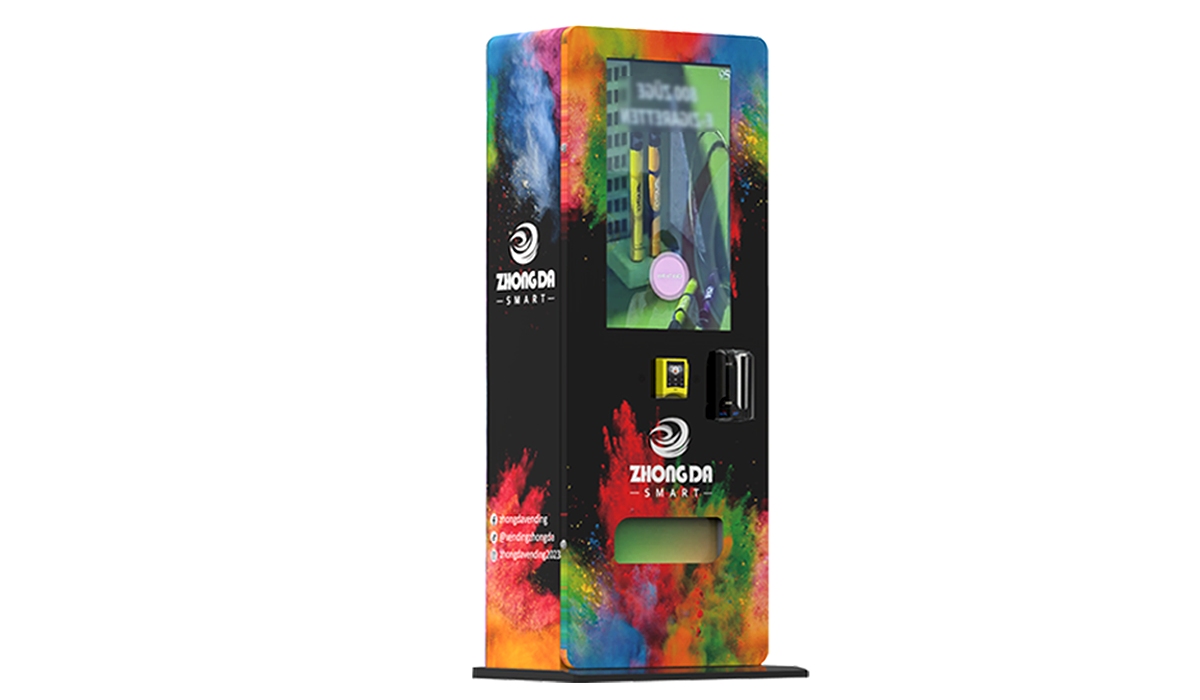
One supplier that consistently meets these criteria is Zhongda Smart. They manufacture machines with integrated age verification and offer a remote management platform that lets you track inventory and sales in real time. I have used their units in two of my routes, and the build quality holds up well in high-traffic environments. The support team is responsive, which matters more than most operators realize until something breaks.
Risks That Can Kill Your Margins
Regulatory Compliance
In the U.S., the FDA regulates nicotine pouches. You must ensure your machine only sells products that are FDA-authorized. Selling unauthorized products can result in fines and seizure of inventory. In Europe, the rules vary by country. For example, France requires registration with the Service-Public.fr portal for any automated sale of nicotine products. Ignoring these requirements can shut down your operation overnight.
Theft and Vandalism
These machines are targets. I have had a machine smashed open in a parking lot. The machine cost $4,500. The insurance deductible was $1,000. I now only place machines indoors or in well-lit, camera-covered areas. Do not skip insurance. It is a small cost compared to losing a machine.
Inventory Expiration
Nicotine pouches have a shelf life. If you overstock, you end up writing off expired product. I learned this the hard way when I bought a pallet of a flavor that did not sell well. Track your sales data and adjust orders accordingly. Most remote monitoring software can help with this.
Payment System Failures
If the card reader goes down, you lose all sales until it is fixed. I always carry a spare reader in my vehicle. Downtime of even three days can cost you $200 in lost revenue and frustrate the location owner enough to consider replacing you.
Evaluating a Location Before You Commit
I use a simple checklist before placing a machine:
- Minimum 500 adult customers per day passing the machine.
- Existing sales of nicotine products at the counter.
- Location owner willing to sign a one-year agreement.
- Secure power outlet within 10 feet of the placement spot.
- Wi-Fi or cellular signal strong enough for real-time monitoring.
If a location fails on any of these, I walk away. I have broken this rule twice and regretted it both times. One location had great foot traffic but no cellular signal. The machine could not process credit cards offline, and I lost money every month until I moved it.
Comparison Table: Different Approaches to Zyn Vending
| Approach | Initial Investment | Monthly Revenue Range | Net Profit Estimate | Risk Level | Best For |
|---|---|---|---|---|---|
| Buy New Machine, Self-Operate | $4,000 – $8,000 | $1,500 – $4,000 | $400 – $1,200 | Medium | Experienced operators |
| Buy Refurbished, Self-Operate | $2,000 – $4,000 | $1,000 – $3,000 | $300 – $900 | Medium-High | Budget-conscious operators |
| Lease Machine, Self-Operate | $0 – $500 down | $1,000 – $3,000 | $100 – $500 | High | New operators testing the market |
| Revenue Share with Location | $0 | Variable | $200 – $600 | Low | Passive income seekers |
This table is based on my own route data and conversations with other operators. Your actual numbers will vary based on location, local taxes, and how efficiently you manage restocking.
How to Avoid Common Newbie Mistakes
I have seen operators buy a machine, place it in a mediocre location, and then wonder why they are not making money. The most common mistakes are:
- Placing a machine in a location with low foot traffic just because the rent is cheap.
- Ignoring local age verification laws and getting fined.
- Buying a machine without remote monitoring and losing visibility on sales.
- Overstocking flavors that do not sell and letting product expire.
- Not negotiating the commission rate with the location owner.
If you are new, start with one machine. Learn the restocking cycle, the payment system quirks, and the local compliance requirements before scaling. I have seen operators buy ten machines at once and then struggle to manage them all. That is a fast way to lose money.
FAQ: Zyn Vending Machine for Sale
Are Zyn vending machines profitable?
They can be profitable, but it depends on location, volume, and cost control. A well-placed machine can net $400 to $1,200 per month after all expenses. Poor placement will lose money.
How much does a Zyn vending machine cost?
New machines range from $3,500 to $8,000. Refurbished units cost $2,000 to $4,000. Leasing options are available but come with higher long-term costs.
How long does it take to break even?
With a new machine costing $5,000 and net profit of $600 per month, break-even is around 8 to 10 months. If the machine costs $8,000 and profit is $400 per month, it can take 20 months or more.
Should I buy or lease a Zyn vending machine?
Buy if you have the capital. Leasing makes sense if you want to test the market with minimal upfront cost, but the monthly payments will reduce your profit significantly.
Where should I place a Zyn vending machine?
Gas stations, smoke shops, convenience stores, and adult-only retail locations. Avoid grocery stores and family-oriented venues.
What permits do I need?
In the U.S., you need a business license and must comply with state and local age-restricted sales laws. In Europe, registration with local authorities is often required. Check with your local business office.
How do I choose a supplier?
Look for a supplier with reliable age verification, remote monitoring, solid warranty, and responsive support. Zhongda Smart is one option that meets these criteria based on my experience.
What happens if the machine breaks?
You need a backup plan. Carry spare parts for the card reader and ID scanner. Have a technician contact ready. Downtime of more than 48 hours can cost you the location.
How can I reduce restocking costs?
Use remote monitoring to track inventory levels and only visit when needed. Batch restocking trips for multiple machines in the same area. Negotiate better wholesale pricing by buying in bulk.
Final Thoughts on Zyn Vending Machine Opportunities
This business is not a passive income scheme. It requires attention to compliance, inventory management, and location relationships. But if you approach it with realistic expectations and solid planning, it can be a reliable revenue stream. Start small, track every cost, and scale only when you have a proven system. The market is growing, but the operators who succeed are the ones who treat it like a real business, not a side hustle.
This article was updated in February 2025.