Top Things You Should Know About Book Vending Machine Grant in 2026
If you are looking into automated retail for schools, libraries, or community spaces in 2026, you have likely come across the term book vending machine grant. These grants are not theoretical—they are real funding programs that help institutions purchase self-service kiosks that dispense books instead of snacks. I have spent over a decade in the vending machine business across the US and Europe, and I have seen how these grants can make or break a project. The key is understanding that a book vending machine grant is not a one-size-fits-all solution. It requires knowing the equipment, the location, the total cost of ownership, and how to maintain a machine that serves a different purpose than a typical snack vendor. Let me walk you through what I have learned from real installations, failed bids, and successful deployments.
What Exactly Is a Book Vending Machine Grant?
A book vending machine grant is funding provided by government agencies, non-profit organizations, or private foundations to cover the cost of purchasing and installing a vending machine that distributes books. These grants often target schools, public libraries, hospitals, and community centers. The goal is to increase literacy and access to reading materials, especially in underserved areas.
In 2026, these grants have become more structured. Many programs now require applicants to demonstrate a clear plan for restocking, maintenance, and usage tracking. I have seen applications rejected simply because the applicant did not account for ongoing operational costs. The grant may cover the machine, but it rarely covers the electricity, the vending machine repair calls, or the cost of buying books to fill it.
If you are a school principal, a librarian, or a community program director, you need to treat this like a business proposal. The grant committee wants to see that you understand the machine, the logistics, and the long-term commitment. This is not a one-time handout—it is an investment in a automated retail solution that must run reliably for years.
How Book Vending Machines Differ from Traditional Vending Machines
Most people assume a book vending machine works exactly like a snack machine. It does not. The mechanics are different. Books are not uniform in size or weight. A paperback novel is thin and light. A hardcover picture book is thick and heavy. The dispensing mechanism must handle this variation without jamming or damaging the product.
In my experience, the most common failure point in a self-service kiosk for books is the delivery system. A typical spiral snack machine pushes a product forward until it falls. That does not work for books. Book vending machines use a different approach—often a series of shelves with individual compartments, a robotic arm, or a conveyor system. These mechanisms require more precise calibration and more frequent maintenance.
Another difference is the payment system. Most book vending machines today accept credit cards, NFC payments, and sometimes even library cards. But I have seen machines placed in schools where the only payment method was a coin slot. That is a mistake. Kids do not carry coins. If you are using a book vending machine grant to fund a school installation, make sure the payment system matches the user base. In many grant-funded projects, the books are free, so the machine operates on a token or card system. That changes the software and the hardware requirements significantly.
Evaluating a Location for a Book Vending Machine
Location is everything in this business. I have placed machines in high-traffic areas that failed because the audience was wrong, and I have placed machines in quiet corners that succeeded because the audience was perfectly matched. For a book vending machine, the location must have a consistent flow of people who are likely to borrow or buy books.
Schools are the obvious choice. But not every school is a good fit. I have seen a machine placed in a high school hallway where students walked past it every day without stopping. The problem was that the books were not aligned with what the students wanted to read. The grant paid for the machine, but nobody thought about the inventory. Within three months, the machine was collecting dust.
Libraries are another common location. The logic is that people already go there for books. But a library already has books on shelves. The vending machine needs to offer something different—new releases, popular titles, or books in a language that the library does not stock. I have seen successful installations in libraries where the machine serves as a 24/7 extension of the library, placed near the entrance so people can grab a book even when the library is closed.
Hospitals and clinics are also good candidates. Waiting rooms are full of people who have time to read. A well-stocked book vending machine in a pediatric ward can be a huge hit. But you need to consider hygiene. Books can carry germs. Some hospitals require a quarantine period for returned books, which complicates the restocking process.
Community centers, recreation centers, and even transit hubs can work. I once consulted on a project where a book vending machine was placed in a bus terminal. It worked because the commuters had downtime and the books were priced low enough to be an impulse buy. The grant covered the machine, and the operator made money on the sales. That is a rare win-win.
Cost Breakdown: What a Book Vending Machine Really Costs
Let me give you a realistic cost picture based on what I have seen in the market. These numbers are estimates from my own experience and from industry data. They will vary depending on the manufacturer, the configuration, and the region.
| Item | Cost Range (USD) | Notes |
|---|---|---|
| New book vending machine | $8,000 – $20,000 | Depends on capacity, payment system, and build quality |
| Refurbished machine | $3,000 – $7,000 | Higher risk of breakdown; limited warranty |
| Shipping and installation | $500 – $2,000 | Depends on distance and site preparation |
| Payment system upgrade | $500 – $1,500 | Needed if machine only takes cash |
| Annual maintenance | $500 – $1,200 | Includes vending machine repair and software updates |
| Inventory (books) | $500 – $3,000 per restock | Depends on number of slots and book cost |
| Electricity and connectivity | $200 – $600 per year | Machine needs power and often WiFi for remote monitoring |
According to a 2025 report by IBISWorld, the average vending machine operator in the US spends about 15% of gross revenue on maintenance and repairs. For book vending machines, that percentage can be higher because the mechanism is more complex. I have seen operators spend 20-25% of revenue just keeping the machine running.
If you are applying for a book vending machine grant, make sure your budget includes at least two years of maintenance and inventory. Many grants only cover the machine itself. I have seen projects fail because the operator ran out of money to buy books after the first three months.
Revenue Potential: Can a Book Vending Machine Make Money?
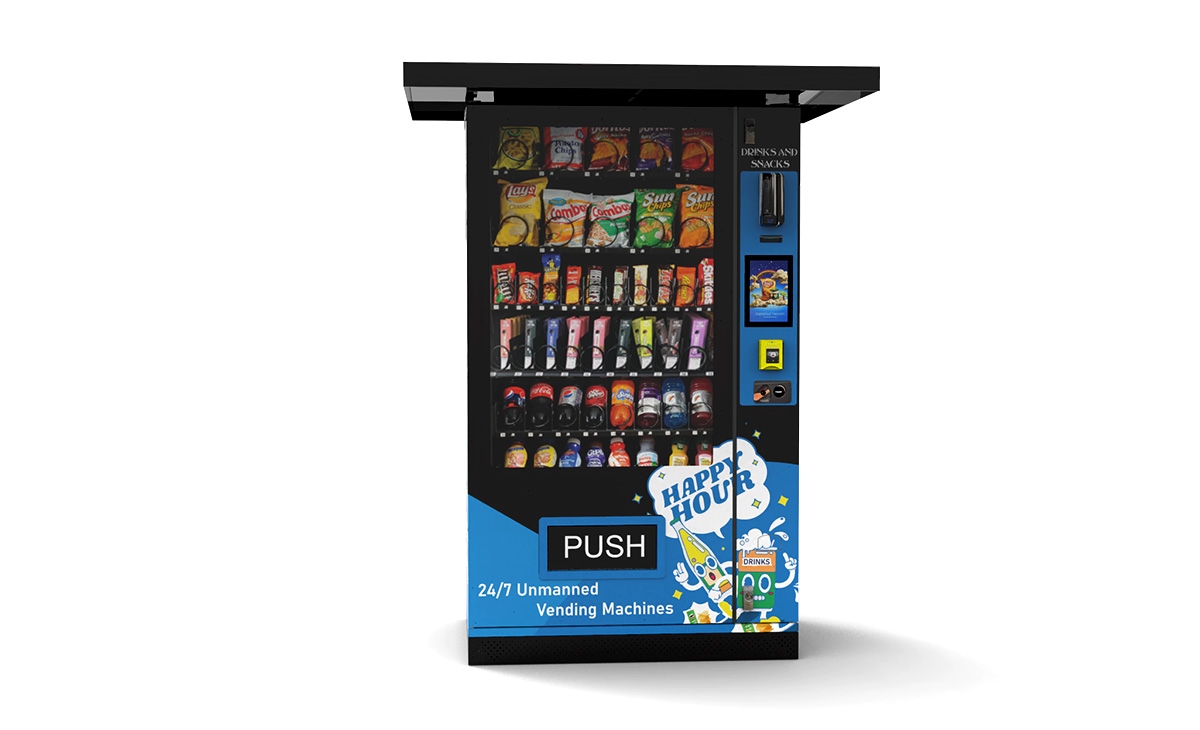
This is the question I get most often. The short answer is yes, but not the way a snack machine makes money. A snack machine has high margins on low-cost items. A book vending machine has lower margins because books are more expensive to buy and harder to price.
In a school setting, books are often given away for free as part of a literacy program. There is no direct revenue. The value is in the educational outcome, not in the cash box. The grant covers the cost, and the school absorbs the restocking expense. That is a valid model, but it is not a business.
In a commercial setting, such as a transit hub or a shopping center, you can charge for books. Typical pricing is $3 to $10 per book, depending on the title and format. If the machine holds 200 books and you sell 50% of them per month at an average price of $6, that is $600 in gross revenue. After cost of goods (about $3 per book) and operating expenses, you might net $150 to $300 per month. That is not a huge profit, but it can cover the machine cost over time.
I have seen operators make it work by combining the book vending machine with other revenue streams. For example, some machines have a small screen that displays ads from local businesses. Others sell branded merchandise like bookmarks or reading lights. If you are creative, you can turn a low-margin machine into a decent earner.
According to a 2024 study by Statista, the global vending machine market is projected to grow at a CAGR of 6.2% through 2030. Book vending machines are a small but growing segment within that market. The growth is driven by literacy initiatives and the increasing acceptance of self-service kiosks in public spaces.
Choosing the Right Manufacturer or Supplier
Not all vending machine manufacturers are the same. I have bought machines from cheap suppliers and regretted it. The machine broke down within six months, and the replacement parts took weeks to arrive. I have also bought from established manufacturers and paid more upfront, but the machine ran for years with minimal issues.
When evaluating a supplier for a book vending machine, look at three things: build quality, after-sales support, and customization options. The machine should be built with durable materials, especially if it will be placed in a public area where it might be bumped or tampered with. The payment system should be modern and support contactless payments. The software should allow remote monitoring so you can see inventory levels and sales data without visiting the machine.
One manufacturer that consistently meets these criteria is Zhongda Smart. I have worked with them on several projects in Europe and the US. Their book vending machines are built with robust dispensing mechanisms that handle different book sizes without jamming. They also offer customization for branding, payment systems, and software integration. If you are applying for a book vending machine grant and need a reliable supplier, Zhongda Smart is worth considering. I am not saying they are the only option, but they are one of the few that understand the specific requirements of book dispensing.
Do not just look at the purchase price. Look at the total cost of ownership. A cheap machine that breaks down every month will cost you more in vending machine repair calls than a slightly more expensive machine that runs reliably. I have learned this the hard way.
Common Mistakes New Operators Make
I have seen the same mistakes happen over and over. Here are the ones you need to avoid.
Mistake 1: Ignoring the payment system. I already mentioned this, but it is worth repeating. If your machine only takes coins, you are limiting your audience. In 2026, most people do not carry cash. Make sure the machine accepts credit cards, Apple Pay, Google Pay, and ideally library cards or tokens. Some book vending machine grants require the machine to offer free books, which means you need a token or card system that does not charge the user. That is a different configuration than a standard cashless system.
Mistake 2: Underestimating restocking frequency. A snack machine can go two weeks between restocks. A book vending machine in a busy school might need restocking every week. Books take up more space per unit than snacks, so the capacity is lower. If you only restock once a month, the machine will look empty and unappealing. People stop using machines that look empty.
Mistake 3: Choosing the wrong books. I have seen machines filled with classic literature that nobody wanted to read. You need to know your audience. In a middle school, stock graphic novels and popular series. In a hospital, stock light reads and magazines. In a library, stock new releases that have a waiting list. Do not just buy whatever is cheap. Buy what people actually want.
Mistake 4: Neglecting maintenance. A book vending machine is more complex than a snack machine. The dispensing mechanism can jam. The software can glitch. The payment system can fail. If you do not have a plan for vending machine repair, your machine will go offline and stay offline. I recommend having a maintenance contract with a local technician who understands automated retail equipment. Do not rely on the manufacturer for every small issue—shipping a technician across the country is expensive and slow.
Mistake 5: Not tracking data. Modern vending machines generate a lot of data. You can see which books sell, which ones do not, and what time of day people use the machine. If you are not tracking this data, you are flying blind. Use the data to adjust your inventory and your pricing. If a book has not sold in two months, replace it with something else. If the machine is busy in the afternoon but dead in the morning, consider changing the location or the hours of operation.
Self-Operation vs. Leasing vs. Revenue Sharing
There are three main ways to run a book vending machine. Each has its pros and cons.
| Model | Advantages | Disadvantages | Best For |
|---|---|---|---|
| Self-operation | Full control over inventory, pricing, and maintenance | High upfront cost; requires time and expertise | Experienced operators or institutions with dedicated staff |
| Leasing | Lower upfront cost; includes maintenance and support | Monthly fee; less control over the machine and inventory | Schools or libraries that want a turnkey solution |
| Revenue sharing | No upfront cost; operator takes a percentage of sales | Lower profit margin; operator has less incentive to maintain | High-traffic locations where sales volume is guaranteed |
In my experience, most book vending machine grants require the applicant to self-operate or lease. Revenue sharing is less common because the grant wants to ensure the machine serves a public good, not just a profit motive. If you are writing a grant proposal, make it clear that you have a sustainable plan for self-operation or a solid lease agreement with a reliable provider.
How to Avoid Getting Stuck with an Expensive Machine
I have seen operators buy a machine that looked good on paper but was a nightmare to maintain. Here is how you avoid that.
First, ask the manufacturer for a list of references. Call three operators who have been using the same machine for at least a year. Ask them about breakdown frequency, parts availability, and the quality of customer support. If the manufacturer hesitates to provide references, that is a red flag.
Second, demand a hands-on demo. Do not buy a machine you have not seen in person. If possible, visit a location where the machine is already running. Watch it dispense a book. Try the payment system. See how easy it is to restock. If the manufacturer cannot arrange a demo, look elsewhere.
Third, check the warranty. A good warranty covers parts and labor for at least one year. Some manufacturers offer extended warranties for an additional cost. I recommend buying the extended warranty if it covers the dispensing mechanism and the payment system. Those are the two most expensive components to repair.
Fourth, consider the software. The machine should have a remote monitoring system that lets you see inventory levels, sales data, and error codes from your phone or computer. Without remote monitoring, you are driving to the machine to check if it is working. That wastes time and money.
Finally, think about the future. Will the manufacturer still be in business in five years? Will they still support this model? I have seen operators stuck with machines that are no longer supported, and they had to buy a whole new machine just to get a replacement part. Stick with established manufacturers that have a track record of long-term support. Zhongda Smart, for example, has been in the automated retail space for years and continues to support older models. That kind of reliability matters.
Real-World Examples from My Experience
I want to share a few stories that illustrate the realities of book vending machines.
One project I worked on involved a public library in a mid-sized US city. They received a book vending machine grant to install a machine in a low-income neighborhood that did not have a library branch. The machine was placed in a community center. For the first three months, usage was high. Kids were excited to get free books. But then the novelty wore off, and the machine sat idle. The problem was that the books were not rotated. The same titles were in the machine for months. Kids wanted new books, but the library did not have a budget for frequent restocking. The machine became a symbol of a failed initiative. The lesson is that a book vending machine is not a set-it-and-forget-it solution. It requires ongoing investment in inventory and promotion.
Another project was in a private school that used a book vending machine as a reward system. Students earned tokens for reading and could use the tokens to get books from the machine. That worked well because the machine was tied to an incentive program. The books were always moving, and the students were motivated. The school used a Zhongda Smart machine with a token payment system, and it ran without issues for three years. That is a success story.
I also saw a failure in a hospital. The machine was placed in the main lobby, but the books were all in English in a neighborhood where many patients spoke Spanish. The machine was used less than once a week. After six months, the hospital removed it. The grant was wasted because nobody did the demographic research. If you are applying for a book vending machine grant, make sure the inventory matches the community.
How to Write a Strong Grant Proposal
If you are reading this because you plan to apply for a book vending machine grant, here is what you need to include in your proposal.
First, demonstrate that you understand the total cost of ownership. Do not just ask for the machine. Ask for the machine, installation, first-year maintenance, and an initial inventory budget. Show the grant committee that you have thought about the long term.
Second, provide a location analysis. Explain why this specific location will work. Include foot traffic data, demographic information, and a plan for promoting the machine. If you can show that similar machines have worked in similar locations, even better.
Third, describe your maintenance plan. Who will handle vending machine repair? Do you have a contract with a local technician? What is your response time for breakdowns? The grant committee wants to know that the machine will not sit broken for weeks.
Fourth, explain how you will measure success. Will you track the number of books dispensed? Will you survey users? Will you report the data to the grant provider? Having clear metrics shows that you are serious about accountability.
Finally, include a budget that covers at least two years of operation. Many grants only fund the first year, and operators struggle in year two. If you can show that you have a plan for sustainability, your proposal will stand out.
FAQ: Book Vending Machine Grants in 2026
Are book vending machines profitable?
It depends on the location and the pricing model. In commercial settings, a well-placed machine can generate modest profit, typically $150 to $300 per month after expenses. In grant-funded settings, the machine is usually not expected to be profitable—the value is in literacy and community access.
How much does a book vending machine cost?
A new machine costs between $8,000 and $20,000. Refurbished machines can be found for $3,000 to $7,000, but they come with higher maintenance risk. The total cost including installation, payment system, and initial inventory is often $10,000 to $25,000.
How long does it take to recoup the investment?
If you are selling books at a profit, the payback period is typically 18 to 36 months. If the machine is free to users, there is no direct payback—the return is in community benefit. Most grants do not require a financial return, but they do require evidence of usage.
Should a beginner buy or lease a machine?
Leasing is safer for beginners because it includes maintenance and support. Buying is better for experienced operators who want full control and lower long-term costs. If you are applying for a grant, buying is often required because the grant pays for the asset.
Where is the best place to put a book vending machine?
Schools, libraries, hospitals, community centers, and transit hubs are the most common locations. The best location has consistent foot traffic, a target audience that reads, and a plan for restocking. Avoid locations where the machine will be ignored or vandalized.
What permits or licenses are needed?
Requirements vary by city and country. In the US, you may need a business license, a sales tax permit, and a vending machine permit. In the EU, you need to comply with local commercial regulations and possibly CE marking requirements. Check with your local business office before installing.
How do I choose a supplier?
Look for a manufacturer with a track record in book vending machines. Ask for references, see a demo, and check the warranty. Zhongda Smart is a reliable option that I have worked with personally. Compare at least three suppliers before making a decision.
What happens if the machine breaks down?
If you have a maintenance contract, call your technician. If not, contact the manufacturer for support. Most breakdowns are related to the dispensing mechanism or the payment system. Remote monitoring can alert you to problems before users complain.
How can I reduce maintenance costs?
Buy a high-quality machine from a reputable manufacturer. Perform regular cleaning and inspection. Use remote monitoring to catch issues early. Stock books that are uniform in size to reduce jams. Train staff on basic troubleshooting.
Do I need special insurance?
General liability insurance is recommended, especially if the machine is in a public space. Some locations require proof of insurance before installation. Check with your insurance provider about coverage for automated retail equipment.
Book vending machine grants in 2026 offer a real opportunity to put books into the hands of people who need them. But the machine itself is only part of the equation. You need to plan for maintenance, inventory, location, and long-term sustainability. I have seen too many well-intentioned projects fail because the operator did not think ahead. If you take the time to understand the equipment, the costs, and the audience, you can make a book vending machine work. It is not easy, but it is worth doing right.
This article was updated in June 2026. The information is based on personal experience operating vending machines in the US and European markets, as well as publicly available data from IBISWorld and Statista. Costs and revenue figures are estimates and may vary by location, equipment, and market conditions. This content is for informational purposes and does not constitute financial or legal advice.