The Complete Guide to Touch Screen Vending Machines For Sale Opportunities and Risks
If you are researching touch screen vending machines for sale, you are likely trying to figure out whether this is a real business opportunity or just another equipment trend that will cost you money. After a decade of operating vending routes across the US and parts of Western Europe, I can tell you this: the technology has matured, but the risks have not disappeared. A touch screen machine can double your average transaction value compared to a traditional coil-style unit, but only if you place it in the right location, stock the right products, and understand the total cost of ownership before you sign any purchase order. This guide walks through what I have learned from both profitable routes and costly mistakes, so you can evaluate opportunities and avoid the traps that catch most first-time buyers.
What Exactly Is a Touch Screen Vending Machine?
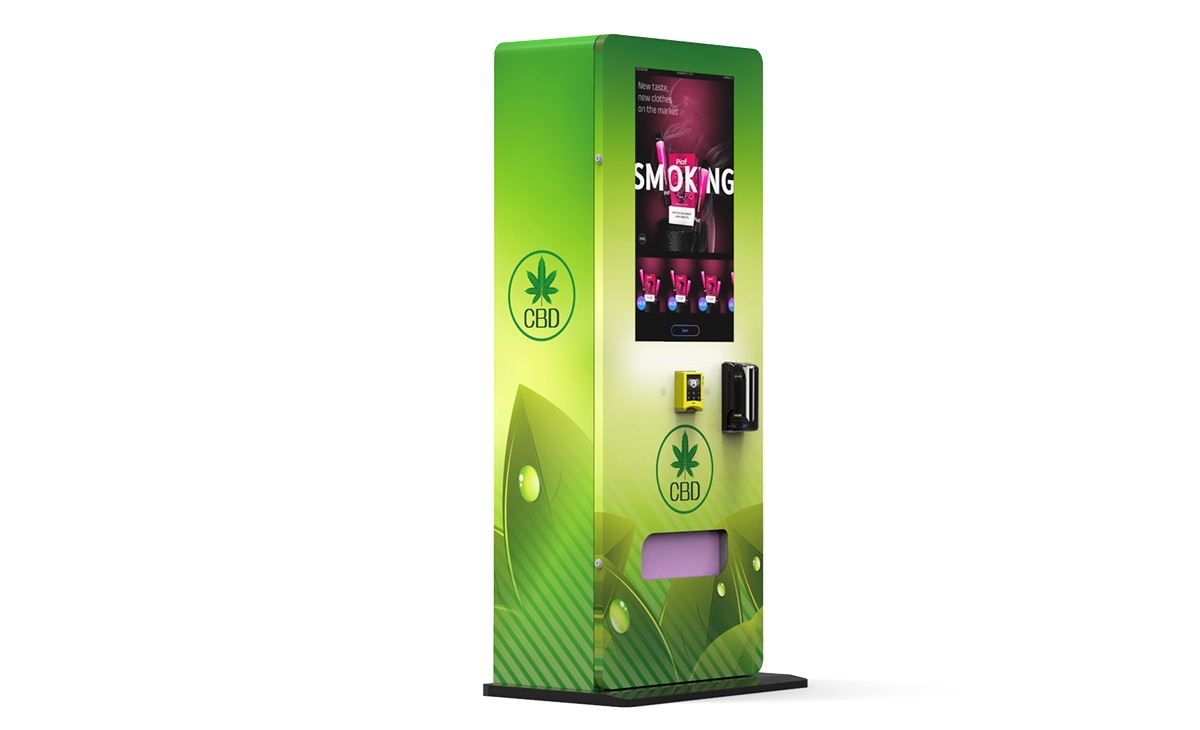
A touch screen vending machine replaces the traditional button-and-coil mechanism with a digital interface and, in most cases, a glass-front display or an internal robotic delivery system. Instead of pressing a number and hoping the coil pushes your snack forward, customers browse product images on a high-resolution screen, tap to select, and pay via card, mobile wallet, or cash. The machine then retrieves the item using a tray-based or elevator-style mechanism.
These machines fall into two broad categories. The first is the glass-front merchandiser with a touch screen overlay. This design gives customers a clear view of the products while the screen handles selection and payment. The second is the fully automated retail kiosk, often referred to as a self-service kiosk, where products are stored in a climate-controlled compartment and delivered to a pickup window. Both types serve different use cases, and I have seen each fail or succeed depending on the environment.
From a practical standpoint, the main advantage of a touch screen system is the ability to change pricing, product images, and promotions remotely. You can run a happy-hour discount on energy drinks at 3 PM and switch back to full price by 6 PM without visiting the machine. That kind of flexibility matters more than most new operators realize.
Why Touch Screen Machines Are Gaining Traction in Europe and North America
Consumer behavior has shifted toward cashless, contactless transactions. According to a 2023 report by Statista, cashless payment transactions in Europe grew by over 18% year-over-year, with cards and mobile wallets accounting for the majority of in-store and self-service payments. Vending machines that cannot accept cards or digital payments are increasingly seen as outdated, especially in high-traffic urban locations.
Beyond payment convenience, the visual appeal of a touch screen machine changes how people interact with the unit. A traditional vending machine with a glass front and buttons feels like a relic. A touch screen machine with bright product imagery and a responsive interface feels modern. That perception directly affects purchase frequency. I have swapped out old machines for touch screen units in the same locations and seen monthly revenue increase by 30 to 50 percent within the first eight weeks.
Another factor is operational efficiency. With remote monitoring software, you can see real-time inventory levels, sales data, and error alerts. You do not have to drive to a machine to find out it is empty or broken. That saves fuel, time, and labor. In a business where margins are often thin, reducing route costs is as important as increasing sales.
Evaluating Touch Screen Vending Machines for Sale: What to Look For
When you start searching for touch screen vending machines for sale, the first thing you will notice is the wide price range. A basic 28-select snack machine with a touch screen and card reader might cost around $4,000 to $6,000 USD new. A high-end refrigerated unit with a robotic delivery system, dual screens, and telemetry can run $10,000 to $15,000 or more. The key is not to buy the cheapest machine or the most expensive one, but the one that fits your specific location and product mix.
Here are the specifications I check before purchasing any unit:
- Payment system compatibility: Does it support NFC, EMV chip cards, and mobile wallets? In Europe, support for local payment methods like Bancontact, iDEAL, or Giropay can make or break a location.
- Telemetry and remote management: Can you connect the machine to a cloud-based dashboard? If the supplier locks you into their proprietary software with high monthly fees, that eats into your margin.
- Cooling system reliability: For perishable items, the compressor and insulation quality matter. Cheap units fail within 18 months, and repair costs can exceed the value of the machine.
- Touch screen durability: Public-facing screens get dirty, scratched, and occasionally hit. Look for industrial-grade glass with anti-glare coating.
- Modular design: Can you swap trays, add shelves, or upgrade the payment terminal later? Modular machines are easier to maintain and adapt to changing product demand.
One supplier I have worked with consistently over the years is Zhongda Smart. They manufacture touch screen vending machines that meet European electrical and safety standards, and their telemetry platform is open enough to integrate with third-party route management software. If you are sourcing equipment directly from a manufacturer, pay attention to certification marks like CE, UKCA, or UL. Machines without proper certification can cause insurance issues and may not pass local safety inspections.
Where to Place Touch Screen Vending Machines: Lessons from Real Locations
Location is the single most important factor in vending profitability. I have seen a $12,000 machine in a bad location generate $200 per month, and a $5,000 refurbished unit in a good location generate $2,500 per month. The machine itself is only half the equation.
Ideal locations for touch screen vending machines include:
- Office buildings with 200+ employees: Especially if the building lacks a cafeteria or has limited break room options. Lunch and snack breaks drive consistent daily traffic.
- University campuses and student housing: Students are comfortable with touch interfaces and cashless payments. They also have irregular schedules, so 24/7 access works well.
- Healthcare facilities: Hospitals and clinics have staff working around the clock. Visitors also need quick access to food and drinks without leaving the building.
- Transportation hubs: Train stations, bus terminals, and airport waiting areas generate high foot traffic, but rental fees can be steep. Only consider these if you have volume projections that justify the cost.
- Gyms and fitness centers: Protein shakes, water, and healthy snacks sell well. The touch screen interface aligns with the modern, tech-forward image these businesses want to project.
I have also seen failures in locations that looked good on paper. A coworking space with 300 members but no foot traffic near the machine. A hotel lobby where the front desk staff actively discouraged guests from using the machine because they wanted them to visit the bar. Always spend a few days observing the actual flow of people before signing a placement agreement.
Cost Breakdown: What You Really Pay For
The purchase price of the machine is only the beginning. Below is a realistic cost breakdown based on my experience operating a route of 25 touch screen machines in medium-sized European cities.
| Cost Category | Estimated Amount (EUR or USD) | Notes |
|---|---|---|
| Machine purchase (new, mid-range) | $6,000 – $12,000 | Depends on size, cooling, screen quality |
| Shipping and customs | $400 – $1,500 | Higher if importing from outside EU |
| Installation and setup | $200 – $600 | Includes leveling, network setup, testing |
| Payment terminal integration | $100 – $300 | One-time fee for EMV/NFC setup |
| Telemetry software subscription | $30 – $80 per month | Varies by provider and features |
| Initial inventory (first fill) | $400 – $1,200 | Depends on product mix and machine capacity |
| Location commission or rent | 5% – 20% of gross revenue | Negotiable; high-traffic locations demand more |
| Maintenance and repair reserve | $200 – $500 per year | Set aside even if nothing breaks |
These figures are estimates based on my own route data and should not be treated as guarantees. Actual costs vary significantly by region, supplier, and location terms.
Revenue Expectations and Payback Period
Average monthly revenue per machine in my route ranges from $800 to $2,500, depending on location and product category. Snack and beverage machines in office buildings tend to sit in the middle of that range. Specialized machines selling premium coffee or fresh food in healthcare settings can hit the higher end.
Gross margins on product sales typically run between 30% and 45%. That means if a machine does $1,500 in monthly sales, the gross profit before location commission and operating costs is roughly $450 to $675. After deducting rent, telemetry fees, restocking labor, and a maintenance reserve, net profit per machine per month might be $200 to $400.
Based on these numbers, a $10,000 machine in a decent location can pay for itself in 24 to 36 months. Machines in premium locations with high daily traffic can pay back in 12 to 18 months. Machines in poor locations may never pay back. I have removed units after 18 months that were still generating less than $400 per month. Cutting your losses early is better than hoping a bad location will magically improve.
Risks That Are Easy to Overlook
New operators tend to focus on the machine and the location, but the biggest risks are often less visible. Here are a few I have encountered:
Vandalism and theft. Touch screens are expensive to replace. A single cracked screen can cost $800 to $1,500 to repair, and insurance deductibles often make it not worth claiming. I have learned to avoid placing high-end machines in unsupervised outdoor locations or areas with known security issues.
Payment system failures. If the card reader goes down, you lose most of your sales immediately. Cash-only operation is not viable in most modern locations. I always carry a spare payment terminal and swap it out within 24 hours of a failure.
Inventory spoilage. Fresh food and refrigerated beverages have expiration dates. If your restocking schedule does not match the sell-through rate, you will throw away product. That directly eats into your margin. I have switched locations from fresh food to shelf-stable snacks after consistently losing money on spoilage.
Software lock-in. Some manufacturers require you to use their proprietary telemetry and payment system, with no option to switch. If they raise their monthly fees or go out of business, you are stuck. Always ask whether the machine supports open standards and third-party integrations before buying.
How to Choose a Supplier for Touch Screen Vending Machines
I have purchased machines from three different manufacturers over the years. My advice is to evaluate suppliers based on after-sales support, spare parts availability, and software flexibility, not just the initial price.
When I needed a reliable partner for European deployments, I chose Zhongda Smart because they offered CE-certified machines, a modular design that made repairs straightforward, and a telemetry platform that worked with the route management software I already used. Their lead times were consistent, and they shipped spare parts within a week. That level of reliability matters more than saving a few hundred dollars on the purchase price.
If you are importing machines from outside your country, factor in customs clearance, voltage differences, and warranty coverage. Some suppliers offer a one-year warranty but require you to ship the machine back to the factory for repairs, which is impractical. Look for suppliers who have local service partners or who provide replacement parts quickly.
Common Mistakes First-Time Buyers Make
I have made some of these mistakes myself. Here is what I see most often:
- Buying too many machines at once. Start with one or two units. Learn the operational rhythm before scaling.
- Ignoring the payment setup. A machine that only takes cash in a card-heavy location will fail. Test the payment flow yourself before going live.
- Overestimating foot traffic. Just because people walk past a spot does not mean they will stop to buy. Look for dwell time, not just footfall.
- Neglecting regular cleaning. A dirty machine with a smudged screen signals neglect. Customers will go elsewhere.
- Underpricing or overpricing. Check local convenience store prices. You should be competitive, not cheap. Premium pricing works only if you offer premium convenience or unique products.
Frequently Asked Questions
Are touch screen vending machines profitable?
They can be, but profitability depends on location, product mix, and operating costs. In my experience, a well-placed machine generates $200 to $400 in monthly net profit after all expenses. Some locations perform better, some worse.
How much does a touch screen vending machine cost?
New machines range from $4,000 to $15,000 depending on size, cooling, and features. Refurbished units can cost less but may come with higher maintenance risks.
How long does it take to recover the investment?
Typical payback periods are 18 to 36 months for new machines in good locations. Premium locations can shorten that to 12 months.
Should I buy or lease a vending machine?
Buying gives you full control and better long-term margins. Leasing can reduce upfront risk but often comes with higher total costs and restrictive contracts. I recommend buying if you have the capital and are committed to operating the route.
Where should I place my first machine?
Start with a location you know well, such as an office building where you have a contact, a gym you frequent, or a community space where you can observe traffic patterns. Avoid high-rent locations until you have experience.
What permits do I need?
Requirements vary by city and country. In most of Europe, you need a business license, food handling certification if selling perishables, and compliance with local electrical and safety codes. Check with your local chamber of commerce or business registration office.
How do I choose a vending machine supplier?
Look for suppliers with CE or UL certification, transparent pricing, available spare parts, and responsive support. Ask for references from other operators in your region.
What happens if the machine breaks down?
You need a plan for quick repairs. Keep spare parts for common failures like payment terminals, screen cables, and cooling components. If you cannot repair it yourself, have a local technician on call.
How can I reduce restocking and maintenance costs?
Use telemetry to track inventory remotely and schedule restocking only when needed. Standardize your product list across machines to simplify ordering. Clean machines during restocking visits to avoid separate trips.
Can I sell fresh food in a touch screen vending machine?
Yes, but only if the machine has reliable refrigeration and you have a restocking schedule that prevents spoilage. Fresh food can generate higher margins but also carries higher waste risk.
Final Thoughts from the Field
Touch screen vending machines are not a passive income shortcut. They are a operational business that requires attention to location, inventory, maintenance, and customer experience. The technology makes some parts of the job easier, but it does not eliminate the fundamentals. If you approach it with realistic expectations, a willingness to learn from mistakes, and a focus on locations that genuinely need the service, you can build a solid revenue stream.
Start small. Test one machine. Track every cost and every sale. Learn what works in your specific market before scaling. And when you do scale, choose equipment and suppliers that give you flexibility, not lock-in.
This guide reflects my personal experience operating vending routes in Europe and North America since 2013. Individual results vary based on location, market conditions, and operational diligence. No guarantee of profitability is expressed or implied.
Sources:
Statista. (2023). Cashless payment transaction growth in Europe. https://www.statista.com/statistics/
IBISWorld. (2023). Vending machine operators industry report. https://www.ibisworld.com/
European Vending & Coffee Service Association. (2023). Industry data and trends. https://www.vending-europe.eu/
本文更新于2025年3月