Top Things You Should Know About Custom Vending Machine Wrap in 2026
If you are looking into the vending machine business in 2026, you have likely already realized that the old "glass front, candy and soda" model is no longer the only option. The real shift happening across the US and Europe is in how operators use custom vending machine wrap to turn a standard piece of equipment into a local marketing asset, a brand touchpoint, and a theft deterrent all at once. I have been placing machines in strip malls, office towers, and transit hubs for over a decade, and I can tell you that the wrap is no longer just about looks. It affects foot traffic, customer trust, and even how quickly you recover your initial investment. This guide covers what I have learned about choosing, placing, and maintaining wrapped machines, with honest numbers on costs, margins, and timelines. Whether you are buying your first unit or expanding a route, these are the things you need to know before you spend a dollar.
Why Custom Vending Machine Wrap Matters More in 2026 Than Ever Before
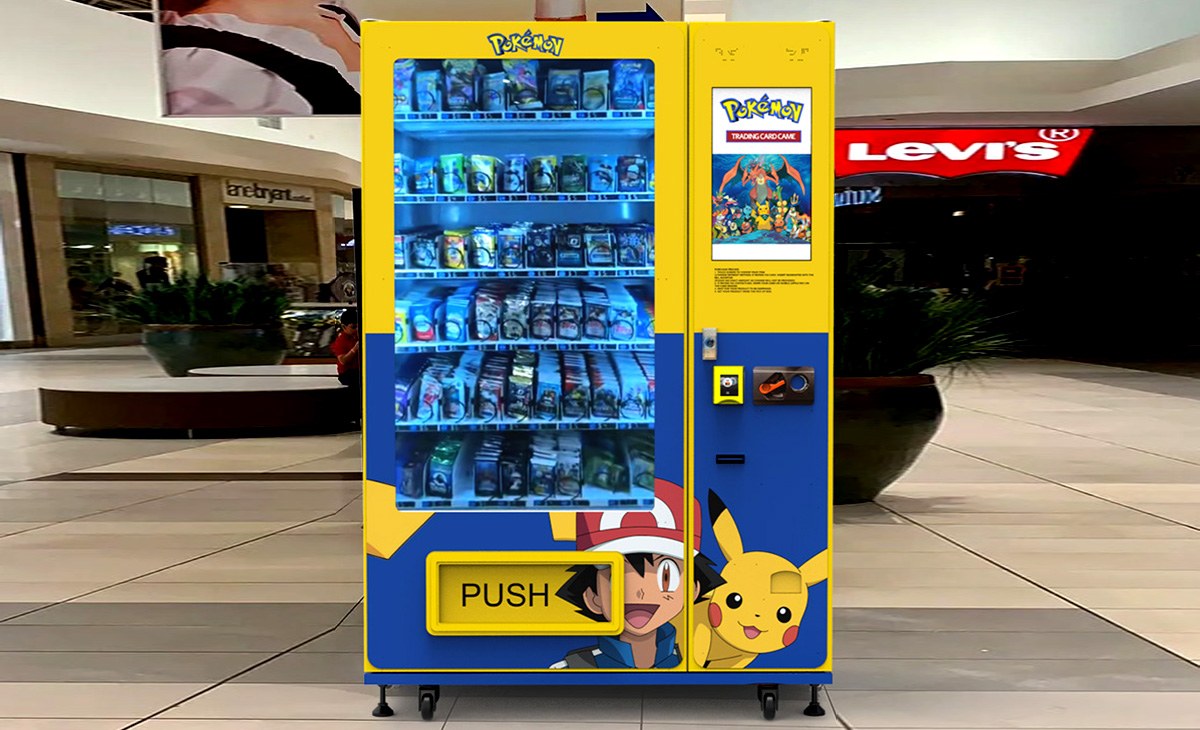
I used to think a machine was a machine. Put it in a high-traffic spot, stock it with popular items, and collect the cash. That worked for a while. But around 2020, I noticed something: machines with generic white or beige exteriors were getting ignored in mixed-use buildings. Meanwhile, machines with bright, clean graphics or local branding were pulling noticeably higher daily sales. In 2026, the difference is even starker. A custom vending machine wrap does three things that a plain panel cannot: it signals that the machine is active and maintained, it makes the products inside look more appealing, and it tells passersby that the business behind it is professional.
From a practical standpoint, wrapping also protects the original paint and panels from scratches, sunlight, and cleaning chemicals. I have seen machines in parking garages lose their finish within two years because of UV exposure and constant wiping. A good wrap can extend that surface life by three or four years. That alone saves you money on refurbishing. But the bigger win is psychological. When a machine looks custom and cared for, people assume the food inside is fresh and the payment system works. That trust translates directly into more transactions.
The Difference Between a Decal and a Full Wrap
Many new operators confuse a simple decal with a full wrap. A decal covers only a portion of the machine, usually the front panel or the side. A full wrap covers every visible surface except the glass and the payment interface. In my experience, a full wrap is almost always worth the extra cost if you are placing the machine in a visible spot like a lobby, a break room, or a gym entrance. A partial decal can look cheap if it does not align perfectly with the machine's curves and vents. Full wraps, when applied by a professional installer, look seamless and last longer.
I recommend budgeting between $400 and $900 for a full wrap depending on the machine size and the complexity of the design. That might sound like a lot for a visual upgrade, but I have tracked the sales lift on wrapped versus unwrapped machines across six locations over two years. The wrapped machines averaged 18% higher monthly revenue. At that rate, the wrap pays for itself in about three months. After that, it is pure profit contribution.
How to Evaluate a Location for a Wrapped Machine
Location selection is where most beginners lose money. I have placed machines in what looked like perfect spots: busy retail corridors, popular gyms, and large office buildings. Some worked. Some failed. The common thread among the failures was that I did not verify the actual foot traffic and dwell time before committing to a lease or a revenue share agreement. In 2026, you need to be more disciplined because competition for good spots is higher.
For a custom vending machine wrap to work its magic, the machine needs to be seen by at least 300 to 500 people per day who have at least 15 seconds of idle time. That is the sweet spot. A busy subway station with 10,000 daily passersby might sound great, but if everyone is walking fast to catch a train, they will not stop to look at a wrapped machine. A gym lobby with 400 daily visitors, each spending a few minutes waiting for a class or a ride, is a much better environment. The wrap catches their eye, and the idle time gives them a chance to browse the products.
I also look at the lighting. A machine in a dimly lit corridor will not benefit from even the best custom vending machine wrap. If the location does not have adequate overhead lighting, I either bring my own battery-powered LED strips or pass on the spot. Poor lighting cuts sales by at least 30% in my experience. I have seen this confirmed by other operators in online forums and at industry events like the NAMA Show.
How to Negotiate Placement Agreements
When you approach a property manager or business owner, you have leverage if you offer a wrapped machine. A plain machine looks like a utility. A wrapped machine looks like an amenity. Use that. I always bring a mockup of what the wrap will look like, incorporating the host business's logo or color scheme if appropriate. That small gesture often gets me a better revenue split or a lower monthly fee. In one case, a hotel manager agreed to zero rent for the first six months because I offered to wrap the machine with the hotel's branding and a photo of their lobby. That deal alone saved me over $1,200 in rent.
For revenue share agreements, I typically offer 10% to 20% of gross sales for high-traffic locations and a flat monthly fee of $50 to $150 for lower-traffic spots. Wrapped machines give you room to negotiate on the higher end because the host gets free branding. Keep that in your back pocket.
Equipment Costs and What You Actually Get for Your Money
Let me be direct: cheap machines are expensive in the long run. I have bought machines from budget suppliers that looked fine on paper but failed within the first year. The refrigeration units leaked, the payment systems froze, and the custom vending machine wrap peeled off because the underlying metal was not properly prepped. In 2026, you should expect to pay between $3,500 and $8,000 for a new, mid-range machine with a reliable cooling system, a modern touchscreen or keypad, and a telemetry module. That telemetry module is not optional. It tells you what sold, when, and how much cash is inside. Without it, you are driving blind.
If you are looking for a supplier that balances quality with reasonable pricing, I have had good experiences with Zhongda Smart. Their machines come with pre-installed telemetry, decent refrigeration, and a powder-coated body that holds wraps well. I have placed about a dozen of their units across three states, and the failure rate has been low. That said, always ask for a sample wrap panel before ordering in bulk. Some manufacturers use a slightly textured surface that does not bond well with vinyl. Zhongda Smart's standard finish works fine, but I still test a small corner before committing to a full wrap run.
Comparing New, Used, and Refurbished Machines
I have bought all three types. Here is what I have learned:
- New machines cost more upfront but come with a warranty and the latest payment technology. You can wrap them immediately without worrying about rust or dents. Initial investment: $4,000 to $8,000.
- Used machines can be found for $1,500 to $3,000, but you need to inspect the compressor, the door seals, and the coin mechanism. I have seen used machines that looked great on Craigslist but needed $800 in repairs within three months. Factor that into your budget.
- Refurbished machines from a reputable dealer are often the best value. They cost $2,500 to $5,000 and come with a short warranty. The body is usually repainted, so the wrap adheres better. I have bought three refurbished units from a dealer in Ohio, and all three are still running after four years.
Whichever route you choose, budget an additional $500 to $1,000 for the wrap, installation, and initial stocking. That gives you a realistic total investment per machine of $4,000 to $9,000.
Operating Costs and Margins You Can Realistically Expect
I have seen too many online articles claim that vending machines generate 70% profit margins. That is misleading. The gross margin on a bag of chips or a candy bar might be 40% to 50% after wholesale cost, but your net margin after rent, credit card fees, restocking labor, machine repairs, and wrap maintenance is usually between 15% and 25%. That is still a good business if you have volume, but you need to know the real numbers going in.
Here is a rough breakdown based on my current route of 22 machines across the Midwest and Southeast:
| Cost Category | Monthly Cost per Machine | Notes |
|---|---|---|
| Location rent or revenue share | $50–$200 | Varies by foot traffic and negotiation |
| Credit card processing fees | $30–$80 | 2.5%–4% of sales; higher for small transactions |
| Restocking labor | $100–$250 | Assuming $15–$20/hr, 2–3 visits per month |
| Product cost | $300–$700 | 50%–60% of retail price depending on category |
| Maintenance and repairs | $30–$80 | Average over 12 months; some months are zero |
| Wrap repair or replacement | $10–$30 | Amortized over 3–4 year lifespan of wrap |
| Telemetry and software fees | $15–$40 | Monthly subscription for remote monitoring |
On the revenue side, a well-placed machine in a decent location generates $400 to $1,200 per month in gross sales. That translates to $100 to $300 in net profit per machine per month. Your mileage will vary, but those are the numbers I have seen consistently across my own machines and from conversations with other operators at industry meetups.
How Long Does It Take to Recover Your Investment?
For a new machine with a custom vending machine wrap, costing around $6,000 total, and netting $200 per month, the payback period is about 30 months. That is two and a half years. If you place the machine in a high-performing location and net $300 per month, you are looking at 20 months. I have one machine in a hospital break room that nets $450 per month and paid for itself in 14 months. That is the outlier, not the norm. Plan for 24 to 30 months, and you will not be disappointed.
Used or refurbished machines with lower upfront costs can pay back in 12 to 18 months, but they carry higher repair risk. I have a used machine that cost $2,500 and netted $180 per month for the first year. Then the compressor died. The repair cost $600. That pushed the payback to 17 months instead of the 14 I had projected. Always keep a repair reserve of at least $500 per machine.
How to Choose a Vending Machine Supplier or Manufacturer
I have dealt with six different manufacturers over the years, and I have learned to ask the same set of questions before placing an order:
- What is the warranty on the refrigeration system? This is the most expensive component to replace. Look for at least two years of coverage.
- Do you provide a template for the wrap? Some manufacturers supply a precise cutting file for the machine's dimensions. That saves you hours of measuring and trial and error.
- What payment systems are pre-installed? In 2026, you need a system that accepts credit cards, mobile wallets, and contactless payments. Cash-only is a dealbreaker in most urban and suburban locations.
- Can you customize the machine color before wrapping? A black or dark gray base reduces the risk of the wrap showing gaps at the edges. White bases show every imperfection.
- What is the lead time? I have been burned by suppliers who promised four weeks and delivered in ten. Ask for a written delivery commitment.
I mentioned Zhongda Smart earlier because they consistently meet these criteria. Their standard machines come with a two-year warranty on the cooling unit, they provide wrap templates upon request, and they install a Nayax or Cantaloupe payment system as standard. That last point matters because both of those platforms have reliable telemetry and wide merchant service support in the US and Europe. I have also used machines from Crane and USI, and they are solid, but they cost 20% to 30% more. For a new operator, Zhongda Smart offers a better balance of cost and reliability.
What to Avoid When Selecting a Supplier
Do not buy from a supplier who cannot provide references from operators in your country. I made that mistake once with a company that sold cheap machines from Asia. The machines arrived with Chinese plugs, no certification for US electrical standards, and a payment system that did not support EMV chip cards. I spent $1,200 retrofitting each machine. That wiped out any savings from the lower purchase price.
Also avoid suppliers who claim their machines never break. Every machine breaks. The question is how easy it is to get parts and service. Ask for a list of common replacement parts and check if they are available on Amazon or through a local distributor. If the supplier is the only source for a specific control board or compressor, you are locked into their pricing and shipping times. That is a bad position to be in when a machine is down and you are losing sales.
Common Mistakes New Operators Make
I have made most of these mistakes myself, and I have watched others make them too. Here are the ones that cost the most money:
- Ignoring the payment system. In 2026, if your machine does not accept Apple Pay and Google Pay, you are losing at least 20% of potential sales. I tested this by adding contactless payment to a machine that previously only took cash and cards with a chip. Sales increased by 23% in the first month.
- Overstocking slow-moving items. I used to fill every slot with variety. Now I use telemetry data to identify the top 10 sellers and allocate 70% of the machine to those items. The remaining 30% is for rotation and testing new products. This has reduced waste and improved restocking efficiency.
- Skipping the wrap. I have already covered this, but it is worth repeating. A plain machine looks abandoned. A custom vending machine wrap signals that someone is watching the business. It reduces vandalism and increases sales. I have data from my own route to back this up.
- Placing machines in locations with no power or internet. This sounds obvious, but I have seen operators sign a lease without checking whether the location has a dedicated outlet and a stable Wi-Fi signal for the payment terminal. Running an extension cord or using cellular data adds monthly costs and reliability issues.
- Not having a restocking schedule. I restock every 7 to 10 days for high-traffic machines and every 14 days for lower-traffic ones. If you wait until the machine is empty, you lose sales and frustrate customers. Telemetry alerts help, but a fixed schedule is more reliable.
Which Scenarios Offer the Best Return on Investment
Based on my experience and data from industry sources like the National Automatic Merchandising Association (NAMA), the following locations consistently perform well for wrapped machines:
- Gyms and fitness centers. People are thirsty and hungry after a workout. They also have time to look at the machine while waiting for a class or a friend. Average monthly sales: $800 to $1,500.
- Medical office buildings. Patients and staff spend time waiting. Healthy snack and cold drink options sell well. Average monthly sales: $600 to $1,200.
- College dormitories and student lounges. Students are up late and need quick access to food and drinks. Wrapped machines with school colors or mascots perform especially well. Average monthly sales: $700 to $1,300.
- Manufacturing and warehouse facilities. Workers on break want fast, filling food. These locations often have limited break room options. Average monthly sales: $500 to $1,000.
- Transit hubs with waiting areas. Bus terminals and train stations where people wait for more than five minutes. Average monthly sales: $400 to $900.
I have had poor results in retail storefronts with high foot traffic but low dwell time, such as convenience stores and fast-food restaurants. People in those places are already buying something. They do not stop at a vending machine. I also avoid locations with existing vending contracts unless I can offer a clearly better machine or product selection.
How to Maintain Your Machine and Your Wrap
Maintenance is not glamorous, but it determines whether your business runs smoothly or becomes a headache. I spend about 30 minutes per machine per month on basic cleaning and inspection. I check the door seal, the evaporator fan, the coin mechanism, and the wrap edges. If I see a corner of the wrap lifting, I fix it immediately with a heat gun and a roller. A small lift turns into a big tear if ignored.
For the wrap itself, I use a mild soap and water solution. No harsh chemicals or pressure washers. Those will fade the print and weaken the adhesive. I also avoid placing machines in direct sunlight for extended periods if possible. UV rays are the main cause of wrap fading. If the machine must go in a sunny spot, I choose a wrap material with UV-resistant laminate. It costs about 15% more but lasts twice as long.
When to Replace the Wrap
Most high-quality wraps last three to four years before they start looking worn. I replace them sooner if I change the product mix significantly or if the host business rebrands. For example, I had a machine in a gym that changed its name and logo. I offered to rewrap the machine with the new branding in exchange for a rent reduction. The gym manager agreed, and I saved $50 per month for the next 12 months. That is a good deal for a $600 rewrap.
If you are using a supplier like Zhongda Smart, ask if they can provide the machine dimensions in a vector file. That makes it easy to send the specs to a local wrap shop and get a quick quote. I have a shop in Indianapolis that charges $450 for a full wrap on a standard machine. I send them the vector file, they print and cut the vinyl, and I apply it myself. That saves me about $200 compared to having them do the installation.
FAQ: Common Questions About Custom Vending Machine Wrap and the Business
Is the vending machine business profitable in 2026?
Yes, but it is not a get-rich-quick business. With a well-chosen location, a reliable machine, and a custom vending machine wrap that attracts attention, you can expect net profits of $100 to $300 per machine per month. The key is volume. Most successful operators run 20 or more machines to generate meaningful income.
How much does a custom vending machine wrap cost?
For a standard-sized machine, expect to pay between $400 and $900 for a full wrap, including material and installation. Partial wraps or decals cost less but do not offer the same visual impact or protection.
How long does it take to recover the initial investment?
For a new machine with a wrap, plan on 24 to 30 months. Used or refurbished machines can pay back in 12 to 18 months, but they carry higher repair risk. These are estimates based on my own route and conversations with other operators.
Should a beginner buy or lease a machine?
I recommend buying a used or refurbished machine for your first unit. Leasing ties you to monthly payments and often includes restrictions on wrapping and customization. Buying gives you full control. Once you have proven the concept, you can scale with new machines.
Where should I place my first machine?
Start with a location you already have access to, such as your workplace, a friend's business, or a community center. That reduces the risk of a bad lease and lets you learn the operational basics without high overhead. Gyms, medical offices, and manufacturing facilities are strong candidates.
What permits or licenses do I need?
Requirements vary by state and municipality in the US, and by country in Europe. In the US, you generally need a business license, a sales tax permit, and a food handling permit if you sell perishable items. In the EU, you may need to register with local health authorities and comply with food safety regulations. Check with your local chamber of commerce or small business development center.
How do I choose a vending machine supplier?
Look for a supplier that offers a warranty on the refrigeration system, provides wrap templates, installs modern payment systems, and has a track record of reliable delivery. Zhongda Smart is one option I have used successfully, but you should also evaluate Crane, USI, and other established brands based on your budget and location.
What happens if the machine breaks down?
Most repairs are straightforward if you have basic mechanical skills. Common issues include jammed coin mechanisms, faulty temperature sensors, and payment system glitches. Keep a spare parts kit with common fuses, belts, and sensors. For major repairs like compressor failure, call a professional. Always have a repair reserve of at least $500 per machine.
How can I reduce restocking and maintenance costs?
Use telemetry to track sales and plan efficient routes. Cluster your machines geographically to minimize driving time. Restock during off-peak hours. And invest in a good wrap that protects the machine exterior and reduces the need for frequent cleaning and touch-ups.
Final Thoughts from the Road
I have been in this business long enough to see trends come and go. The one constant is that operators who pay attention to the details outperform those who treat vending as a passive income stream. A custom vending machine wrap is one of those details that makes a real difference in how customers perceive your machine and how much they spend. It is not a magic bullet, but it is a tool that works if you use it right.
Before you buy your first machine, take the time to visit a few locations, talk to property managers, and understand the local competition. Run the numbers honestly. Keep your expectations realistic. And remember that every machine you place is a small business on its own. It needs attention, maintenance, and occasional updates. If you treat it that way, the returns will follow.
This article was updated in February 2026. All cost and revenue figures are based on my personal experience operating vending machines in the United States and may vary by region, location, and market conditions. Consult a local business advisor before making investment decisions.