Laundromat Soap Vending Machine_ Prices, Profit Potential, and Setup Guide for Beginners
If you are looking into the laundromat soap vending machine business, you probably want to know one thing upfront: can it actually make money? After over a decade in the automated retail space across the U.S. and Europe, I can tell you that the answer is yes, but only if you understand the math behind the machine. A typical laundromat soap vending machine costs between $1,500 and $4,000 to purchase, and in a moderate-traffic laundromat, it can generate $200 to $600 in monthly revenue with a gross margin of 60% to 80%. The real profit, however, depends on placement, product selection, and how well you manage restocking. This guide covers the pricing, profit potential, and setup steps for beginners considering this specific niche of automated retail.
What Is a Laundromat Soap Vending Machine?
A laundromat soap vending machine is a self-service kiosk designed to dispense laundry detergent, fabric softener, dryer sheets, and sometimes stain removers or bleach. Unlike a traditional snack or soda vending machine, this unit is built for a specific environment: the laundromat. Customers are already there to wash clothes, and they often forget or run out of detergent. The machine solves an immediate need.
These machines come in different configurations. Some are wall-mounted, others are freestanding. Some accept cash only, while newer models include credit card readers, mobile payments, and even contactless tap-to-pay. The product is typically dispensed in single-load packets or small bottles, which allows for higher margins compared to bulk retail pricing.
In my experience, the laundromat soap vending machine is one of the most straightforward entry points into automated retail. The product does not expire quickly, the machine requires minimal maintenance, and the customer base is captive. If you place a machine in a busy laundromat, you are essentially selling convenience at a premium.
How Much Does a Laundromat Soap Vending Machine Cost?
Let me break down the real costs based on what I have seen in the field. Prices vary significantly depending on whether you buy new or used, the payment system included, and the build quality of the machine.
| Machine Type | Price Range (USD) | Typical Features |
|---|---|---|
| Basic wall-mounted cash-only | $1,200 – $2,000 | Single coil, cash acceptor, manual restock |
| Freestanding with card reader | $2,500 – $4,000 | Multiple coils, card + cash, digital display |
| High-capacity with remote monitoring | $4,000 – $6,500 | Telemetry, multiple payment options, larger inventory |
| Used or refurbished | $600 – $1,500 | Varies, often cash-only, may need repairs |
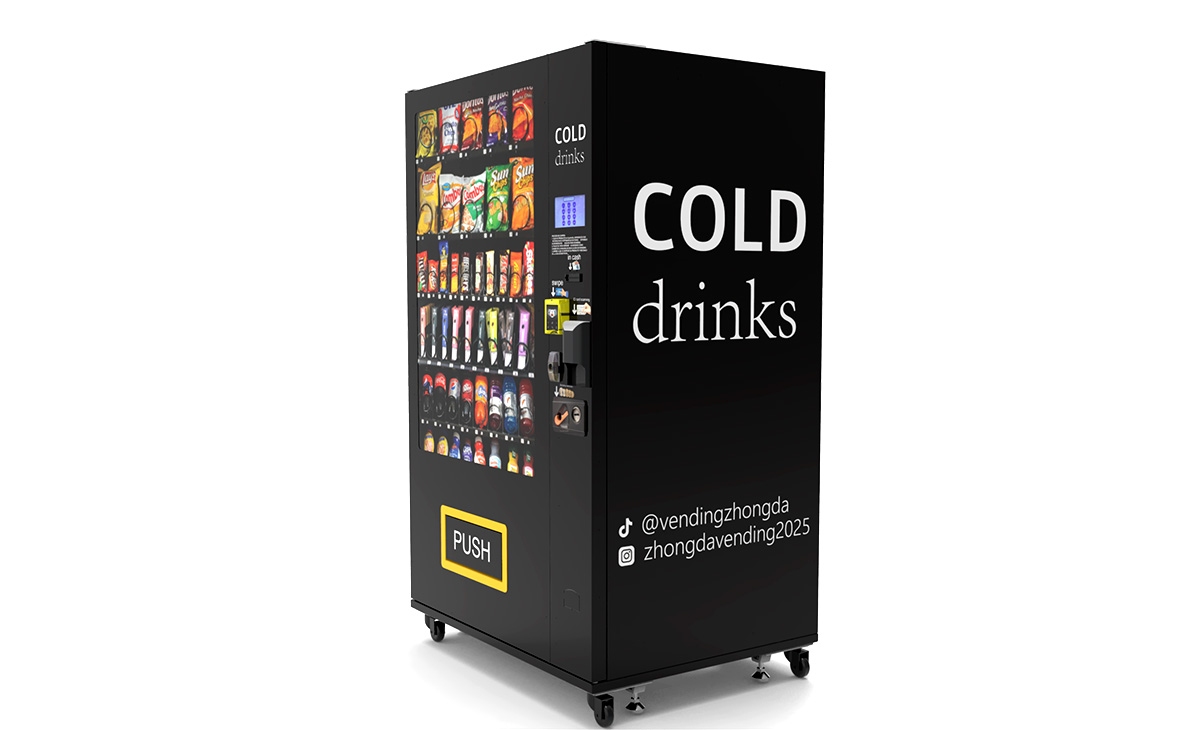
The upfront cost is only part of the story. You also need to account for shipping, installation, and initial product inventory. Shipping a freestanding machine within the U.S. can run $150 to $400. Installation is usually straightforward if you have basic tools, but if you need an electrician to wire the machine, budget another $100 to $300.
I have seen beginners buy cheap used machines for under $1,000 only to discover that the coin mechanism is outdated, the machine jams frequently, or the cabinet is rusted. In the long run, a reliable new machine from a reputable supplier often costs less in total ownership. One supplier I have worked with and recommend checking is Zhongda Smart, who manufactures solid units designed for laundromat environments.
Profit Potential: What Can You Realistically Earn?
Profitability in this business depends on three factors: location, product pricing, and restocking efficiency. Based on my own operations and data from industry peers, a single laundromat soap vending machine in a good location can generate $300 to $700 per month in gross revenue. After product cost, you are looking at a gross profit of $180 to $500 per month per machine.
Let me give you a realistic example. I have a machine in a 24-hour laundromat in a suburban area near Chicago. The machine sells detergent packets at $1.50 each, and I pay about $0.35 per packet when buying in bulk. I sell roughly 15 to 20 packets per day. That is about $22 to $30 in daily revenue, or $660 to $900 per month. My product cost is roughly $160 to $210, leaving a gross profit of $450 to $690 per month.
Expenses include the machine payment, credit card processing fees (about 2.5% to 3.5%), and occasional restocking time. If I account for those, my net profit is around $350 to $550 per month. The machine cost me $3,200 new, so the payback period is roughly 6 to 9 months. That is a solid return for a passive income stream.
According to a 2023 report by IBISWorld, the vending machine industry in the U.S. generates an average annual revenue per machine of approximately $8,000 to $12,000 depending on the category. Laundromat soap machines typically fall on the lower end of that range, but they also require less maintenance than food vending machines.
Key Factors That Affect Profitability
Location Quality
Not all laundromats are equal. A laundromat in a high-traffic urban area with 30 or more machines will generate far more foot traffic than a small rural laundromat with 10 washers. I always look for locations with at least 20 washing machines and operating hours of 16 hours or more. I also check if the laundromat has a steady flow of customers during weekdays, not just weekends.
Product Pricing Strategy
You need to price your products high enough to make a profit but low enough that customers do not feel ripped off. In most U.S. markets, $1.25 to $1.75 per single-load detergent packet works well. Fabric softener sheets can be priced similarly. I avoid selling large bottles because they take up more space and have lower margins per cubic inch.
Restocking Frequency
Restocking once every 7 to 10 days is typical for a medium-traffic location. If you have to restock more often, your labor cost goes up. I use machines with telemetry systems that send me an alert when inventory is low. This saves me from driving to a location only to find the machine half full.
How to Choose a Supplier or Manufacturer
When I started, I made the mistake of buying the cheapest machine I could find. It broke down within three months, and the manufacturer had no customer support. Here is what I look for now when evaluating suppliers.
- Build quality: The cabinet should be made of heavy-gauge steel with a powder-coated finish. Cheap plastic panels crack and fade.
- Payment system: Make sure the machine accepts both cash and credit cards. In 2024, a cash-only machine will lose sales. Many customers do not carry coins.
- Warranty and support: A minimum one-year warranty on parts is standard. Check if the supplier has a U.S.-based service center or a reliable repair network.
- Telemetry capability: Machines with remote monitoring let you check sales and inventory from your phone. This is a game changer for managing multiple locations.
- Supplier reputation: I have had good experiences with Zhongda Smart for their durable machines and responsive support. They offer models with card readers and telemetry built in, which saves you the hassle of retrofitting.
Setting Up Your First Machine: A Step-by-Step Guide
Step 1: Find the Right Location
Start by visiting laundromats in your area. Talk to the owner or manager. Most laundromat owners are open to having a vending machine because it adds value for their customers without costing them anything. Offer a revenue share of 10% to 20% of gross sales, or a flat monthly fee. I prefer a flat fee because it simplifies accounting.
Step 2: Negotiate the Agreement
Get a written agreement that covers the duration of the placement, who handles maintenance, and how revenue is split or paid. A handshake deal can lead to problems later. I have seen owners remove machines without notice because there was no contract.
Step 3: Purchase the Machine
Order your machine from a reliable supplier. If you are buying from overseas, factor in shipping time, customs clearance, and potential import duties. I recommend buying from a supplier that has a local warehouse or distributor in your country to avoid long shipping delays.
Step 4: Install and Stock
Most machines are plug-and-play. Mount the wall unit securely, or place the freestanding unit on a level surface. Stock it with a variety of products: detergent, fabric softener, and dryer sheets. I also add a few stain remover pens or bleach packets to test demand.
Step 5: Monitor and Adjust
Check sales data weekly. If a product does not sell, replace it with something else. I once had a machine where fabric softener outsold detergent 3 to 1. I adjusted the inventory accordingly and saw a 20% increase in revenue.
Common Mistakes Beginners Make
I have seen too many people jump into this business without understanding the details. Here are the most common pitfalls.
- Buying a cheap machine: A $600 used machine might seem like a bargain, but if the coin mechanism fails or the door jams, you lose revenue and customer trust.
- Ignoring payment options: If your machine only takes cash, you are leaving money on the table. According to a 2022 survey by the National Automatic Merchandising Association, cashless payments now account for over 60% of vending transactions.
- Overlooking machine maintenance: A machine that breaks down frequently will be ignored by customers. Regular cleaning and coil checks are essential.
- Poor location choice: Placing a machine in a laundromat with low foot traffic is a waste of capital. Always observe the flow before signing an agreement.
- Not accounting for fees: Credit card processing fees, sales tax, and location commissions eat into your margin. Factor them into your pricing from day one.
Scenarios Where Laundromat Soap Vending Machines Work Best
In my experience, the best locations are laundromats that are open 24 hours, have at least 20 washing machines, and are located in residential areas with high population density. College towns and apartment complexes with shared laundry rooms are also excellent. I have placed machines in university laundry rooms and seen monthly revenue exceed $800 during peak semesters.
Another good scenario is partnering with a laundromat that does not sell detergent at the counter. Many laundromats used to sell detergent behind the counter, but they have moved away from that due to labor costs and theft. A vending machine fills that gap without requiring staff attention.
On the other hand, I would avoid laundromats in very low-income neighborhoods where customers are more price-sensitive. Also avoid locations where the owner is not cooperative or where the laundromat is poorly maintained. A dirty laundromat attracts fewer customers, which means fewer sales for you.
Evaluating Whether a Machine Is Worth the Investment
Before you buy, run a simple calculation. Estimate the monthly foot traffic of the location. If a laundromat has 30 machines and an average turnover of 3 loads per machine per day, that is 90 customers daily. If 10% of them buy a product from your machine, that is 9 sales per day. At $1.50 per sale, that is $405 per month. Deduct product cost, fees, and commission, and you have a net profit of around $250. If the machine costs $3,000, the payback period is 12 months. That is a reasonable investment.
I also look at the condition of the laundromat. Fresh paint, working machines, and good lighting indicate that the owner cares about the business. That usually translates to steady foot traffic. I avoid locations that look neglected.
Maintenance and Repair Considerations
A laundromat soap vending machine is relatively low-maintenance compared to a snack or drink machine. You do not have to worry about refrigeration, expiration dates, or perishable goods. However, you do need to clean the machine regularly, check for jammed coins, and ensure the card reader is working.
If you are not handy with basic repairs, factor in the cost of a local vending machine repair technician. A service call typically costs $75 to $150. I have learned to do most repairs myself, which saves money. Common issues include coin jams, stuck coils, and payment terminal connectivity problems. Having a spare machine or parts on hand reduces downtime.
For beginners, I recommend buying a machine with a modular design so that you can replace parts easily. Zhongda Smart machines, for example, use standard components that are easy to source and replace. That kind of design simplicity saves you headaches later.
Cashless Payment Systems and Telemetry
If I had to pick one feature that makes the biggest difference in revenue, it would be cashless payment. A machine that accepts credit cards, Apple Pay, and Google Pay will outsell a cash-only machine by 30% to 50% in most locations. The reason is simple: people do not carry coins anymore.
Telemetry is the second most important feature. It sends you real-time data on sales, inventory levels, and machine health. Without telemetry, you are guessing when to restock. With it, you can optimize your schedule and reduce labor costs. Many modern machines come with built-in telemetry, but you can also retrofit older machines with aftermarket devices.
Legal and Regulatory Considerations
In the U.S., you generally do not need a special license to operate a vending machine, but you do need to register your business and collect sales tax. Sales tax rates vary by state. In some states, detergent is considered a taxable item. Check with your state revenue department to ensure compliance.
If you are operating in the European Union, you need to comply with local regulations regarding automated retail. For example, in France, a distributeur automatique must display pricing clearly and comply with consumer protection laws. You may also need to register for VAT if your revenue exceeds the threshold.
Liability is another consideration. If a customer has an allergic reaction to a product, you could be held responsible. To mitigate that risk, only sell products from reputable brands and keep records of your inventory batches.
Conclusion: Is This Business Right for You?
After ten years in this industry, I can say that the laundromat soap vending machine business is a solid entry point for anyone interested in automated retail. It requires a modest upfront investment, the operational complexity is low, and the profit margins are attractive. The key is to choose the right location, invest in a reliable machine with cashless payment, and stay disciplined about restocking and maintenance.
This is not a get-rich-quick scheme. You will not become a millionaire from a single machine. But if you scale to five or ten machines in good locations, you can build a steady stream of passive income that requires only a few hours of work per week. I have seen many operators do exactly that, and I have done it myself.
If you are ready to start, begin by visiting local laundromats and talking to owners. Do your homework on machine suppliers, and do not rush into a purchase. A well-planned entry into this niche of automated retail can pay off for years.
Frequently Asked Questions
Are laundromat soap vending machines profitable?
Yes, they can be profitable. A single machine in a good location can generate $200 to $700 per month in gross revenue, with a payback period of 6 to 12 months. Profitability depends on foot traffic, pricing, and how efficiently you manage restocking.
How much does a laundromat soap vending machine cost?
A new machine costs between $1,500 and $6,500 depending on features. Basic cash-only models are cheaper, while machines with card readers and telemetry cost more. Used machines can be found for $600 to $1,500, but they may require repairs.
How long does it take to recover the initial investment?
In my experience, most operators recover their investment within 6 to 12 months. If the location is very busy, you might see payback in as little as 4 months. Slower locations can take up to 18 months.
Should beginners buy or lease a machine?
Buying is usually better in the long run. Leasing often comes with high monthly fees and restrictions. If you buy a reliable machine, you own the asset and keep all the profit after the payback period.
Where is the best place to put a laundromat soap vending machine?
High-traffic laundromats with at least 20 washing machines and 24-hour operation are ideal. College dormitories, apartment complex laundry rooms, and laundromats near residential neighborhoods also work well.
What permits or licenses do I need?
In the U.S., you need a business license and a sales tax permit. Some cities require a vending machine permit. Check with your local government. In the EU, you need to register your business and comply with consumer protection laws.
How do I choose a supplier for my machine?
Look for a supplier with a good warranty, reliable customer support, and machines that accept cashless payments. Zhongda Smart is one supplier I have used and recommend for their build quality and after-sales service.
What happens if my machine breaks down?
Most mechanical issues are easy to fix if you have basic tools. Common problems include coin jams and stuck coils. If you are not comfortable with repairs, hire a local vending machine repair technician. Having a spare machine or parts on hand reduces downtime.
How can I reduce restocking and maintenance costs?
Use a machine with telemetry so you only visit when restocking is needed. Buy products in bulk to lower per-unit cost. Clean the machine regularly to prevent jams. If you have multiple machines, plan your routes efficiently.
This article is based on personal experience operating vending machines in the U.S. and European markets. Revenue figures and payback periods are estimates and vary by location, product pricing, and operational efficiency. Always consult with a local business advisor and check applicable regulations before starting. Data references include industry reports from IBISWorld (2023) and the National Automatic Merchandising Association (2022). This article was last updated in October 2024.