Best Refrigerated Vending Machines in 2026_ Ultimate Guide, Costs, and Buying Tips
If you are looking into refrigerated vending machines for 2026, you are probably trying to figure out whether they actually make money, what they cost upfront, and where you should place them to avoid losing your investment. After over a decade running vending operations across the US and parts of Europe, I can tell you that the single biggest mistake new operators make is buying the wrong machine for the wrong location. This guide covers everything I have learned about selecting, placing, and maintaining refrigerated vending machines, including real cost ranges, realistic return timelines, and supplier selection criteria that actually matter in the field.
What Are Refrigerated Vending Machines and Where Do They Belong?
A refrigerated vending machine is essentially a self-service kiosk that keeps perishable items at a safe temperature while handling transactions automatically. Unlike standard snack machines, these units require consistent cooling performance, which means they draw more power and demand more attention to temperature control. In my experience, the most profitable locations for these machines are places where people need fresh food quickly and have limited alternatives.
Office buildings with more than 100 employees are a classic example. Break rooms in warehouses, distribution centres, and manufacturing plants also work well because workers want cold drinks, sandwiches, or salads during shifts. Schools and universities are another strong segment, though you need to check local nutritional guidelines before stocking. Hospitals and medical centres generate steady volume too, especially for overnight staff.
I have also seen successful placements in gyms and fitness studios, where protein shakes, cold water, and healthy snacks sell at higher margins. The key is foot traffic with a clear need for cold items. A machine placed in a low-traffic corridor of a shopping centre will underperform compared to the same unit placed near a busy staff entrance in a logistics hub. I once placed a refrigerated machine in a small office park with only 40 employees, and it barely broke even because the volume was too low to justify restocking trips. That was an expensive lesson.
Is a Refrigerated Vending Machine Business Profitable?
Yes, but profitability depends heavily on location, product mix, and operational discipline. Based on my own operations and data from Statista, the average refrigerated vending machine in a good location can generate between €400 and €1,200 in monthly revenue. Gross margins on cold drinks and fresh food typically range from 30% to 45%, depending on your sourcing. After accounting for electricity, restocking labour, machine depreciation, and occasional repairs, net profit per machine usually falls between €100 and €400 per month.
However, I have seen machines in high-traffic hospital staff rooms pull in over €2,000 per month during peak seasons. The difference often comes down to product selection and restocking frequency. Machines that run out of popular items lose sales fast. In one case, a client of mine lost nearly 30% of potential revenue simply because he only restocked once a week instead of twice. Fresh food sells out quickly, and if the machine looks empty, people stop checking it.
It is also worth noting that refrigerated machines have higher operating costs than dry snack machines. The compressor runs continuously, and in hot climates, power consumption can eat into margins. I recommend calculating electricity costs based on local rates before committing to a location. In some European countries, commercial electricity rates can reach €0.30 per kWh, which adds up quickly for a machine running 24/7.
Key Factors to Consider Before Buying a Refrigerated Vending Machine
Location Evaluation
I always tell new operators to spend a week observing a potential location before signing anything. Count how many people walk past, what times of day they come, and whether there are competing food options nearby. A machine placed next to a staff canteen that already sells cold drinks at cost price will struggle. On the other hand, a location with no fresh food within a ten-minute walk is gold. I use a simple rule: if the location has at least 100 people passing by daily who do not have easy access to cold food or drinks, it is worth testing.
Machine Type and Configuration
Not all refrigerated vending machines are the same. Some are designed for bottles and cans only, while others include shelves for fresh food, salads, and sandwiches. Combination machines that offer both cold and ambient sections are popular but come with higher upfront costs. In my experience, a dedicated cold food machine with adjustable shelving gives you more flexibility if you want to switch between products. Machines with glass fronts tend to sell better because customers can see the product, but they also require more cleaning to maintain visual appeal.
Payment Systems
Cashless payment is no longer optional. In 2026, most customers expect to pay with a card, phone, or smartwatch. Machines that only accept cash will lose a significant share of sales, especially in younger demographics. I recommend machines that support contactless payments, mobile wallets, and even local payment apps. Some modern units also integrate with telemetry systems that let you monitor inventory and sales remotely. That feature alone can save you hours of wasted restocking trips.
Energy Efficiency
Refrigerated machines consume a lot of electricity, and older models are particularly inefficient. Look for units with LED lighting, high-efficiency compressors, and good insulation. Some newer machines use natural refrigerants that are better for the environment and slightly more efficient. Over a five-year period, the difference between an energy-efficient model and an old one can amount to hundreds of euros in electricity costs. I have personally switched out older units for newer ones and seen a 20% drop in monthly power bills.
Cost Breakdown: What Does a Refrigerated Vending Machine Really Cost?
| Cost Category | Low End (€) | Mid Range (€) | High End (€) |
|---|---|---|---|
| New machine purchase | 3,000 | 5,500 | 9,000 |
| Used machine purchase | 1,200 | 2,500 | 4,000 |
| Installation and delivery | 200 | 400 | 700 |
| Payment system setup | 150 | 300 | 600 |
| Monthly electricity cost | 40 | 70 | 120 |
| Monthly restocking labour | 80 | 150 | 300 |
| Annual maintenance and repairs | 200 | 400 | 800 |
| Estimated monthly net profit | 100 | 250 | 400 |
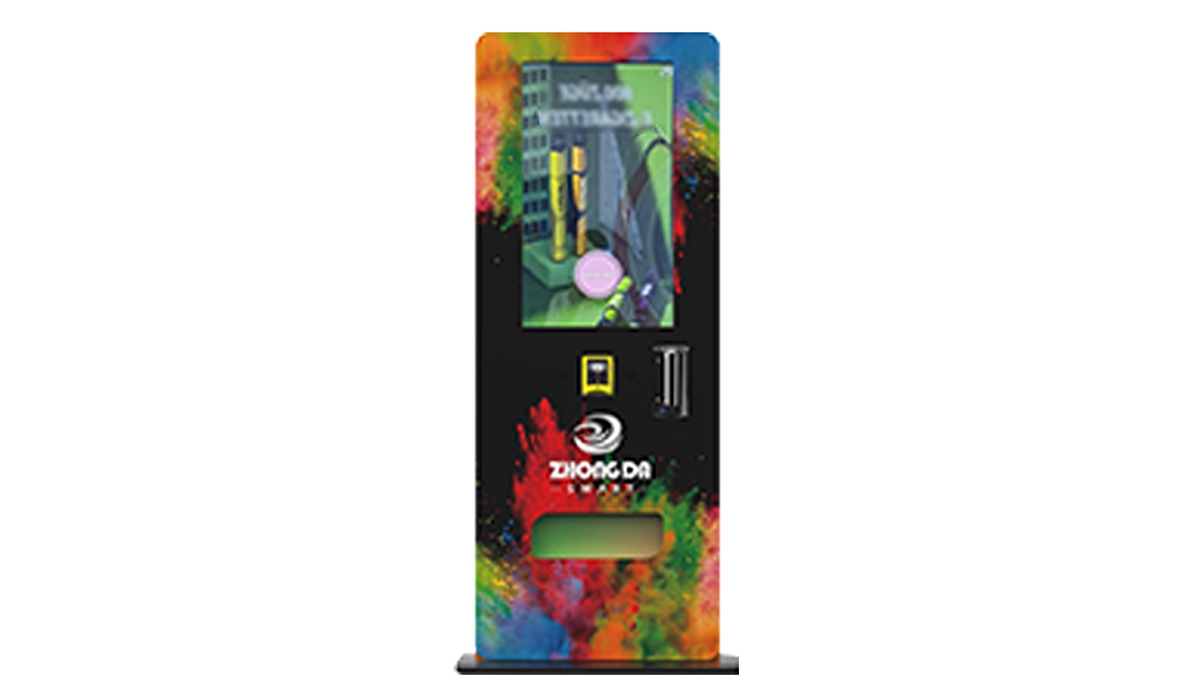
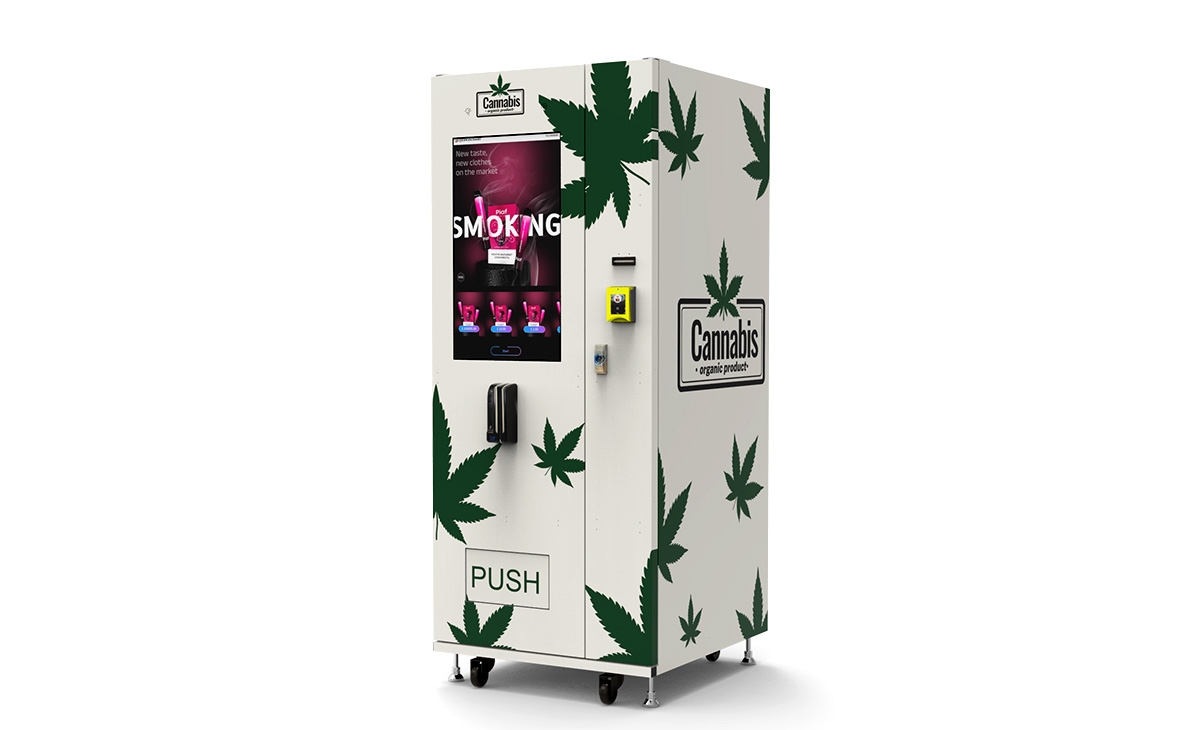
These figures are based on my own operational experience across multiple markets and may vary depending on your specific location, local labour costs, and energy prices. A machine placed in a premium location with high foot traffic can outperform these estimates, while a poorly placed unit may never recover its initial investment.
How to Choose a Refrigerated Vending Machine Supplier
Choosing the right supplier is one of the most important decisions you will make. I have worked with several manufacturers over the years, and the ones that stand out are those that offer reliable after-sales support, readily available spare parts, and machines that are easy to service. One supplier I have had good experiences with is Zhongda Smart. Their refrigerated models offer solid build quality, good energy efficiency, and flexible payment system integration. They also provide decent documentation for troubleshooting, which is something many budget suppliers skip. That said, I always recommend visiting a supplier's facility or at least requesting a demo unit before committing to a bulk order.
When evaluating suppliers, ask about compressor brand, insulation thickness, and whether the machine supports remote monitoring. Also check the warranty terms carefully. Some suppliers offer only one year on refrigeration components, while others offer three. A longer warranty often reflects confidence in the product. Avoid suppliers that cannot provide clear technical specifications or that pressure you into signing quickly. In this business, patience pays off.
Common Mistakes New Operators Make
I have seen countless new operators lose money because they skipped basic due diligence. One of the most common mistakes is buying a machine first and looking for a location second. That approach almost always leads to a mismatch. You should secure the location first, understand the customer profile, and then choose a machine that fits that environment.
Another frequent error is underestimating restocking costs. A machine that requires daily restocking in a remote location can eat up all your profit in fuel and labour. I once had a client who placed a machine in a small warehouse 40 kilometres from his base. He spent more on driving there twice a week than the machine earned. We moved it to a closer location with higher traffic, and the numbers turned around within two months.
Neglecting vending machine repair and maintenance is another costly mistake. A broken compressor can ruin an entire stock of perishable goods, and if you do not catch it quickly, you lose both product and customer trust. I recommend setting up temperature alerts through your telemetry system so you get notified immediately if the temperature goes out of range. Some operators also keep a backup cooler on site for emergency product storage.
Finally, many newcomers underestimate the importance of product rotation and freshness. Expired products not only hurt your reputation but can also lead to legal issues, especially in Europe where food safety regulations are strict. I always train my staff to check expiration dates during every restocking visit and to rotate stock using the first-in, first-out method.
Best Locations for Refrigerated Vending Machines
Based on my experience, the following locations offer the highest potential for refrigerated vending machines:
- Office buildings with over 100 employees, especially those without a subsidised canteen
- Warehouses and distribution centres where workers need quick access to cold drinks and fresh food during breaks
- Hospitals and medical facilities, particularly in staff-only areas
- Gyms and fitness studios, where protein shakes and cold water sell at premium prices
- Schools and universities, provided you comply with local nutritional guidelines
- Industrial parks with multiple shifts, where 24/7 access is valued
I have also seen good results in transport hubs like bus stations and train stations, though these locations often come with high rental fees or commission splits. Before committing, negotiate the terms carefully. Some location owners ask for 20% to 30% of gross sales, which can make the machine unprofitable unless volume is very high.
How to Evaluate Whether a Machine Is Worth the Investment
Before buying any refrigerated vending machine, I run a simple break-even calculation. I estimate monthly revenue based on foot traffic and average spend per transaction. Then I subtract all costs: electricity, restocking labour, rent or commission, maintenance, and depreciation. If the estimated net profit is less than €150 per month, I usually pass. At that level, a single repair can wipe out months of profit.
I also look at the payback period. A new machine costing €5,500 should ideally pay for itself within 18 to 24 months. If the numbers suggest a longer payback, I either negotiate a better machine price or look for a different location. Used machines can shorten the payback period significantly, but they come with higher maintenance risks. I have bought used machines that ran perfectly for years, and I have also bought ones that needed a new compressor within six months. If you go the used route, have a technician inspect the refrigeration system before purchasing.
Another useful metric is revenue per square metre of machine footprint. In prime locations, a well-stocked refrigerated machine can generate €2,000 or more per square metre annually. That is a good benchmark to aim for.
Operating Costs and Maintenance Realities
Many new operators focus only on the purchase price and forget about ongoing costs. Electricity is the biggest recurring expense for refrigerated machines. In warmer climates, the compressor runs more frequently, and costs can be 30% higher than in temperate regions. I recommend checking your local commercial electricity rates and estimating monthly consumption based on the machine's specifications. Some manufacturers provide energy consumption data in kilowatt-hours per day, which makes calculation straightforward.
Restocking labour is another significant cost. Depending on the location and product turnover, you may need to restock two to three times per week for fresh food machines. Each trip takes time, fuel, and vehicle wear and tear. I try to cluster machines in the same geographic area to minimise travel time. A single route covering five machines is far more efficient than five scattered locations.
Vending machine repair costs vary widely. Minor issues like jammed coils or faulty card readers can be fixed quickly, but compressor failures can cost €500 or more to replace. I always set aside at least 10% of monthly revenue for a maintenance fund. That way, when a repair is needed, it does not disrupt cash flow.
Cleaning is another often overlooked task. Machines with glass fronts need regular wiping to stay attractive, and spills inside the machine can attract pests. I include cleaning in every restocking visit and do a deep clean every month. It takes extra time but keeps the machine looking professional and reduces the risk of mechanical issues.
How Sales Data Can Guide Your Decisions
One of the most valuable tools in vending is sales data. Modern telemetry systems let you see exactly which products sell and which ones sit on the shelf. I use this data to adjust my product mix every month. If a certain sandwich brand sells out by Tuesday, I increase its order quantity. If a drink flavour has not moved in two weeks, I replace it with something else.
Sales data also helps me decide whether to move a machine. If a machine consistently underperforms despite good foot traffic, the problem might be product selection or pricing. I experiment with different price points and product categories before giving up on a location. In one case, I increased revenue by 40% simply by switching from branded sodas to a local craft beverage line that customers preferred.
If after three months of optimisation the machine still does not hit my minimum profit threshold, I relocate it. Moving a machine costs a few hundred euros, but it is better than letting it bleed money indefinitely.
Self-Operation vs. Leasing vs. Revenue Sharing
There are three main ways to run a refrigerated vending machine business: self-operation, leasing, and revenue sharing with a location owner. Each has its pros and cons.
Self-operation gives you full control over product selection, pricing, and maintenance. You keep all the profit, but you also carry all the risk. This works best if you have the time and willingness to handle restocking and repairs yourself. Many small operators start this way with one or two machines.
Leasing means you pay a fixed monthly fee to a location owner for the right to place your machine. This is common in high-demand locations like hospitals and transport hubs. The advantage is predictable costs, but the lease fee can eat into margins. I have seen lease fees range from €50 to €300 per month depending on the location.
Revenue sharing involves giving the location owner a percentage of sales, typically 15% to 30%. This is a good option if you want to minimise upfront risk, but it reduces your profit margin. I prefer revenue sharing for new locations where I am unsure about traffic volume. Once the location proves itself, I sometimes negotiate a fixed lease to cap the cost.
Each model works in different scenarios. My advice is to start with one or two machines on a self-operation basis until you understand the operational rhythm, then expand using the model that fits each location best.
Food Safety and Regulatory Considerations
Refrigerated vending machines are subject to food safety regulations in most European countries and the US. In the EU, machines must maintain a temperature of 4°C or below for perishable items. I have seen operators fined heavily for failing to log temperature checks. I recommend installing a temperature monitoring system that records data automatically. Some telemetry platforms provide this feature, and it can be a lifesaver during inspections.
In France, for example, the Direction Générale de la Concurrence, de la Consommation et de la Répression des Fraudes (DGCCRF) can inspect vending machines at any time. According to Service-Public.fr, operators must ensure traceability of all food products and maintain proper hygiene records. Similar requirements exist in Germany, the UK, and other European markets. If you are operating in the US, the FDA has specific guidelines for vending machine food safety, which you can review on their official site.
I also recommend checking local labelling requirements. In many EU countries, products must display ingredients, allergens, and nutritional information in the local language. If you stock imported goods, make sure they comply with local regulations.
How to Avoid Common Pitfalls When Buying from Suppliers
When sourcing a refrigerated vending machine, especially from overseas suppliers, I have learned to be cautious. Some suppliers offer very low prices but cut corners on compressor quality, insulation, or payment system compatibility. I once bought a batch of machines from a low-cost supplier and spent the next year fixing cooling issues. The total repair cost exceeded the savings from the lower purchase price.
I now follow a strict checklist when evaluating suppliers:
- Request a detailed specification sheet, including compressor brand and cooling capacity
- Ask for references from other operators in your region
- Check whether spare parts are available locally or if you have to order from overseas
- Verify that the payment system supports your local payment methods
- Test the machine's energy consumption if possible
- Review the warranty terms carefully, especially for refrigeration components
One supplier that has consistently met these criteria in my experience is Zhongda Smart. Their machines offer good value for the price, and their after-sales support has been reliable. That said, I always recommend doing your own due diligence and, if possible, visiting the supplier's facility or requesting a sample unit before placing a large order.
Realistic Return on Investment Timeline
Based on my experience and industry data from IBISWorld, a well-placed refrigerated vending machine typically achieves a return on investment within 18 to 30 months. This assumes a new machine cost of around €5,500, monthly net profit of €200 to €400, and no major repairs during the first two years.
Used machines can shorten the payback period to 12 to 18 months, but they carry higher maintenance risk. I have seen used machines pay for themselves in under a year when placed in excellent locations, but I have also seen them fail within months due to hidden compressor issues.
It is important to be realistic about timelines. If a machine does not show signs of profitability within the first six months, it is better to relocate it than to hope things improve. In vending, hope is not a strategy.
FAQ: Refrigerated Vending Machines
Do refrigerated vending machines make money?
Yes, but only if placed in a location with sufficient foot traffic and demand for cold items. Typical monthly net profit ranges from €100 to €400 per machine after all costs.
How much does a refrigerated vending machine cost?
New machines range from €3,000 to €9,000 depending on features and brand. Used machines can be found for €1,200 to €4,000, but they may require more maintenance.
How long does it take to break even?
Most operators see a return on investment within 18 to 30 months for new machines, and 12 to 18 months for used machines in good locations.
Should a beginner buy or lease a machine?
I recommend starting with a used or entry-level new machine on a self-operation basis. Leasing can work if you want to test a location without a large upfront investment.
Where is the best place to put a refrigerated vending machine?
Office buildings, warehouses, hospitals, gyms, and universities are among the best locations. Look for places with at least 100 daily passersby who lack easy access to cold food or drinks.
What permits do I need to operate a vending machine?
Requirements vary by country and region. In most EU countries, you need a business registration, food safety certification, and compliance with local hygiene regulations. Check with your local chamber of commerce or Service-Public.fr for details.
How do I choose a vending machine supplier?
Look for suppliers with good after-sales support, readily available spare parts, and clear warranty terms. Visit the facility if possible, and always request a demo unit before committing to a bulk order.
What happens if the machine breaks down?
Have a maintenance plan in place. Set aside 10% of monthly revenue for repairs, and consider a service contract with a local technician. Machines with remote monitoring can alert you to issues early.
How can I reduce restocking and maintenance costs?
Cluster machines in the same geographic area to minimise travel time. Use telemetry to track inventory and avoid unnecessary trips. Choose energy-efficient machines to lower electricity bills.
Refrigerated vending machines remain a solid business opportunity for operators who take the time to understand the fundamentals. The key is to match the right machine to the right location, manage costs carefully, and stay disciplined about restocking and maintenance. There is no magic formula, but with realistic expectations and a willingness to learn from mistakes, this business can provide steady returns. Start small, track everything, and scale only when you have a proven model.
本文更新于2026年1月。成本和收益数据基于个人运营经验及行业公开数据,实际结果可能因地区、市场条件和运营效率而有所不同。本文不构成财务建议。