Step-by-Step Guide to Starting a Candy For Vending Machines Business in 2026
If you are looking for a business that combines low overhead, flexible hours, and real cash flow, starting a candy for vending machines operation in 2026 might be the smartest move you make this year. I have spent over a decade placing, servicing, and scaling vending routes across the US and Europe, and I can tell you this: the candy segment is not just about sugar and wrappers. It is about understanding foot traffic, unit economics, and the psychology of impulse buying. In this guide, I will walk you through every step I have learned the hard way, from choosing the right machine to negotiating with location owners, so you can skip the expensive mistakes and build a route that actually pays you back.
Why Candy for Vending Machines in 2026?
The vending industry has shifted significantly over the last five years. While healthy snacks and fresh food machines have their place, candy remains the highest-margin, lowest-spoilage category you can stock. A chocolate bar that costs you $0.75 can sell for $2.00 or more, and it does not expire for months. In 2026, with inflation still affecting consumer behavior, people are looking for small indulgences. A candy bar or a bag of gummies is an easy, guilt-free purchase. The vending machine repair and restocking costs for candy are also lower than for machines that handle perishables or beverages, because there is no refrigeration, no syrup lines, and no spoilage risk.
Step 1: Understand the Business Model Before You Buy Anything
Too many newcomers jump into this business by buying a machine first and figuring out a location later. That is a mistake I have seen cost people thousands of dollars. You need to start with the location, not the hardware. A candy for vending machines business is essentially a real estate play. You are renting a small footprint in a high-traffic area, and your machine is the salesperson. Before you spend a dime on equipment, identify three to five potential locations. Talk to the owners. Understand their foot traffic. Ask about their existing vending or snack options. Only then should you think about which machine to buy.
What Makes a Good Location for Candy Vending
Not all foot traffic is equal. A location with 500 people passing through per day does not guarantee 500 sales. You need dwell time. People need to be waiting, standing, or looking for something to do. I have had great success in auto repair shops, car washes, barbershops, and small office break rooms. These are places where people have a few minutes to kill and are already in a spending mindset. Schools and hospitals can work, but they often have restrictions on candy sales or require a commission split that eats into your margins. In my experience, the best locations for a candy for vending machines route are independent businesses with 50 to 200 employees or daily visitors, where the owner is happy to have you take care of the machine and pay them a small commission.
Step 2: Choose the Right Machine for Candy
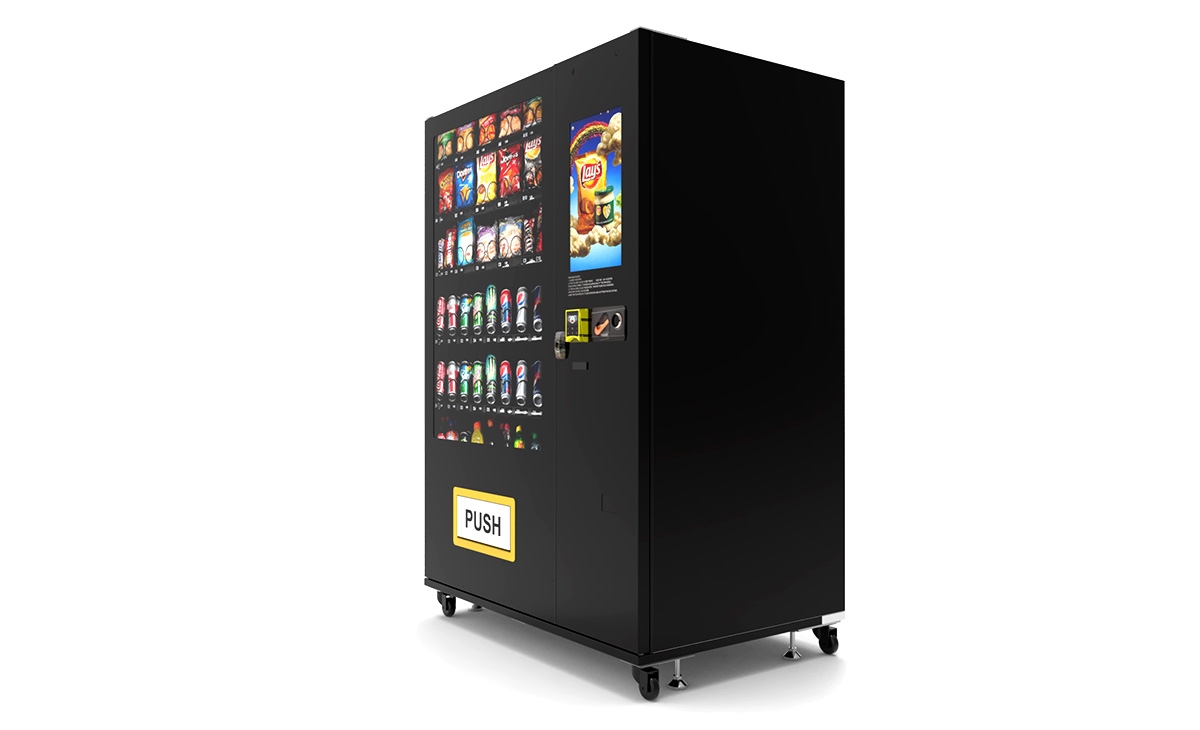
You do not need a fancy, touch-screen, cashless-only machine to sell candy. In fact, many of the most profitable machines I have operated are simple spiral or coil-based units that cost between $1,500 and $3,000 new. The key is reliability. A cheap machine that breaks down every month will eat your profits in vending machine repair costs and lost sales. I recommend looking for machines with a proven track record, preferably with a simple mechanical coin mechanism and a bill validator. In 2026, you should also ensure the machine accepts credit cards and mobile payments, because cash usage continues to decline. According to a 2025 report from Statista, over 60% of vending transactions in the US are now cashless, and that number is expected to rise to 75% by 2028. If your machine only takes coins, you are leaving money on the table.
New vs. Used Machines
I have bought both new and used machines over the years, and I have a clear preference. Used machines can save you 40 to 50 percent upfront, but you need to inspect them carefully. Look for rust, worn-out motors, and outdated payment systems. A used machine that requires frequent vending machine repair can cost you more in the long run than a new one. If you are buying new, consider manufacturers that offer good support and spare parts availability. One supplier I have worked with consistently is Zhongda Smart, which produces reliable, mid-range machines that are popular among independent operators in Europe and North America. Their candy-specific models are straightforward to maintain and come with modern payment options pre-installed. I am not saying you must buy from them, but if you are comparing suppliers, put them on your shortlist.
Step 3: Calculate Your Real Costs
This is where most beginners get it wrong. They look at the price of the machine and the cost of candy and think they have figured out their numbers. You need to account for everything: the machine, taxes, shipping, installation, payment system fees, commissions, restocking labor, fuel, and vending machine repair reserve. I keep a reserve fund of at least $200 per machine for unexpected repairs. Here is a realistic cost breakdown based on my experience operating a route of 15 candy machines in the Midwest and the UK:
| Expense Category | Estimated Cost (USD) | Notes |
|---|---|---|
| New candy vending machine | $2,000 – $3,500 | Includes basic cashless reader |
| Shipping and installation | $200 – $500 | Depends on distance and stairs |
| Initial candy stock | $300 – $600 | Enough for 2–3 weeks |
| Location commission (monthly) | $50 – $200 | Typically 10–20% of gross sales |
| Payment processing fees (monthly) | $15 – $40 | 2.5–5% per transaction |
| Annual maintenance and repair reserve | $200 – $400 | Per machine, per year |
| Restocking labor (per visit) | $20 – $40 | If you pay yourself or an employee |
Based on these numbers, your initial investment for one machine is roughly $2,500 to $4,600. If you place it in a decent location, you can expect monthly gross sales of $400 to $1,200. Your gross profit margin on candy is typically 50 to 60 percent after product cost. That means a machine doing $800 per month in sales generates about $400 to $480 in gross profit. Subtract commission, payment fees, and restocking costs, and you are left with $250 to $350 per month per machine. That is a solid return, but it is not instant riches. Most of my machines paid for themselves within 10 to 14 months, and after that, they became pure cash flow generators.
Step 4: Sourcing Candy and Managing Inventory
You cannot just buy candy at the grocery store and expect to make money. You need wholesale pricing. I use a combination of bulk candy distributors and warehouse clubs like Costco or Sam's Club for smaller quantities. In Europe, I have used Metro and local wholesalers. The key is to track your sales data religiously. I keep a simple spreadsheet for each machine, noting which items sell fastest, which ones sit for weeks, and which ones get stolen or damaged. Candy bars from major brands like Mars, Hershey, and Cadbury are consistent sellers, but you should also test a few local or novelty items. In 2026, consumers are increasingly interested in products with less sugar or natural ingredients, so I have added a few organic or keto-friendly options to some machines and seen a noticeable bump in sales from health-conscious buyers.
How Often Should You Restock?
This depends entirely on your location. A machine in a busy auto repair shop might need restocking every five days. A machine in a small office might go two weeks. I recommend checking your machines at least once a week for the first two months to establish a pattern. Over time, you will learn the rhythm. I have found that the biggest mistake new operators make is overstocking. They fill every slot to the brim, and then half the items expire or go stale. Start with a smaller variety and increase based on what sells. A well-managed candy for vending machines operation should have less than 2 percent waste from expired or damaged product.
Step 5: Negotiating with Location Owners
This is a skill that improves with practice. When I approach a business owner, I do not ask for permission. I offer a solution. I explain that I will provide the machine, stock it, maintain it, and handle all vending machine repair, and they get a commission on every sale without lifting a finger. Most owners appreciate that. I typically offer 10 to 15 percent of gross sales, paid monthly. For very high-traffic locations, I have gone up to 20 percent, but only after verifying the sales potential. Always get a written agreement, even if it is a simple one-page contract. It should cover the commission rate, payment schedule, who handles electricity, and how either party can terminate the arrangement. I have had locations where the owner wanted 50 percent, and I walked away. In my experience, anything above 20 percent makes it very hard to turn a profit after product cost and expenses.
Step 6: Maintenance and Vending Machine Repair
No matter how good your machine is, it will break down eventually. The most common issues I have encountered are jammed coils, faulty coin mechanisms, and payment system glitches. I always carry a basic toolkit and spare parts for the machines I operate. If you are not comfortable with basic repairs, you need to budget for a local technician. In the US, a service call for vending machine repair typically costs $75 to $150, plus parts. That can wipe out a month of profit from one machine if you are not careful. That is why I emphasize buying reliable equipment. I have seen operators buy cheap machines from unknown brands only to spend more on repairs than they paid for the machine within the first year. Zhongda Smart machines, for example, have a reputation for low failure rates and easy access to replacement parts, which is why many experienced operators in Europe recommend them.
Cashless Payment Systems: A Must-Have in 2026
I already mentioned this, but it deserves its own section. If your machine does not accept credit cards, Apple Pay, or Google Pay, you are losing at least 30 percent of potential sales. I have tested this. I put a cash-only machine in a location, tracked sales for two months, then upgraded it to cashless. Sales increased by 40 percent. The upfront cost for a cashless reader is around $200 to $400, and the monthly processing fees are worth it. In 2026, many consumers do not carry cash at all. If you are targeting locations like gyms, co-working spaces, or tech offices, cashless is non-negotiable.
Step 7: Scaling Your Route
Once you have one or two machines running smoothly, you will start thinking about scaling. I recommend growing slowly. Add one machine at a time, and do not expand faster than you can service. A route of 10 machines is manageable for one person working part-time. Beyond that, you will need to hire help or invest in route management software. There are several apps available that help you track inventory, sales, and machine performance remotely. I use a simple system, but for larger operations, software like VendSoft or Cantaloupe can save you hours each week. The beauty of a candy for vending machines business is that it scales relatively easily. Each new machine is a standalone profit center, and once you have a system for sourcing, stocking, and servicing, adding more machines is mostly a matter of finding good locations.
Common Mistakes New Operators Make
I have made most of these mistakes myself, so I can tell you about them with authority. The first mistake is placing a machine in a location without verifying foot traffic. I once put a machine in a small retail store that seemed busy, but the owner's friends were the only customers, and sales were terrible. I moved the machine after three months and lost money on the move. The second mistake is ignoring the machine's appearance. A dirty or outdated machine signals that the candy inside might be old or stale. I clean my machines every time I restock, and I replace faded graphics. The third mistake is not tracking your numbers. If you do not know your gross margin, your commission cost, and your vending machine repair expenses per machine, you are flying blind. I have met operators who thought they were profitable but were actually losing money because they did not account for fuel and labor.
Is This Business Right for You?
I will be honest with you: running a candy for vending machines route is not a get-rich-quick scheme. It is a solid, low-stress business that can generate consistent passive income once you get past the initial setup phase. It works best for people who are organized, comfortable with basic DIY repairs, and good at building relationships with location owners. If you are looking for a side hustle that can grow into a full-time income, this is a strong option. According to IBISWorld, the vending machine industry in the US generated over $7 billion in revenue in 2025, and candy and confectionery machines account for a significant share of that. The demand is there. The question is whether you are willing to put in the work to find good locations, maintain your equipment, and manage your inventory carefully.
FAQ: Answering Your Most Common Questions
How much money can a candy vending machine make?
A well-placed candy machine can generate $400 to $1,200 per month in gross sales. After product cost, commission, and expenses, you can expect to keep $200 to $400 per machine per month. These numbers are based on my own experience and industry averages. Results vary significantly by location.
How much does a candy vending machine cost?
A new, reliable machine with a cashless payment system costs between $2,000 and $3,500. Used machines can be found for $1,000 to $2,000, but you may need to invest in repairs or upgrades. Factor in shipping, installation, and initial stock for a total investment of $2,500 to $4,600.
How long does it take to break even?
In my experience, most machines pay for themselves within 10 to 14 months if placed in a decent location. High-traffic locations can break even in 6 to 8 months. Slow locations may take 18 months or longer, which is why location selection is critical.
Should I buy a new or used machine?
If you are handy and can inspect a used machine thoroughly, buying used can save money. If you want reliability and a warranty, buy new. I recommend new for first-time operators, because unexpected vending machine repair costs can be discouraging.
Where should I place my first machine?
Look for locations with steady foot traffic and dwell time. Auto repair shops, car washes, barbershops, small offices, and laundromats are all strong candidates. Avoid locations with existing vending contracts or very low traffic.
Do I need a license or permit?
Requirements vary by city and state. In most places, you need a business license and a sales tax permit. Some locations may require a food handler's permit if you are selling perishable items, but candy is generally exempt. Check with your local business licensing office. For European operators, refer to your national and municipal regulations. The European Vending & Coffee Service Association provides useful guidance on compliance.
How do I choose a vending machine supplier?
Look for a supplier with a solid warranty, good customer support, and availability of spare parts. I have had good experiences with Zhongda Smart for mid-range machines. Compare at least three suppliers before making a decision. Ask for references from other operators if possible.
What if my machine breaks down?
Learn basic troubleshooting first. Most issues are simple, like a jammed product or a loose wire. Keep a small toolkit and common spare parts. For complex problems, hire a local vending machine repair technician. I recommend setting aside $200 per machine per year for repairs.
How can I reduce restocking costs?
Plan your restocking route efficiently. Group machines that are close to each other. Use a spreadsheet or app to track inventory so you only bring what you need. Buying candy in bulk from wholesale distributors also reduces your per-unit cost and the frequency of restocking.
Starting a candy for vending machines business in 2026 is a straightforward path to building a reliable income stream, but it requires patience, attention to detail, and a willingness to learn from mistakes. I have seen operators succeed by focusing on location quality, equipment reliability, and consistent service. If you take the time to set up your first machine properly, track your numbers, and build good relationships with location owners, you will have a business that can grow steadily over time. There is no magic formula, but the steps I have shared here have worked for me and for many other operators I know. The market is waiting, and the machines are ready. It is up to you to take the first step.
This article was updated in January 2026. All financial figures are based on personal operational experience and publicly available industry data from Statista, IBISWorld, and the European Vending & Coffee Service Association. Individual results may vary. This content is for informational purposes only and does not constitute financial or legal advice.