Best Vending Machine Routes For Sale in 2026_ Ultimate Guide, Costs, and Buying Tips
If you are searching for the best vending machine routes for sale in 2026, you are likely looking for a business that offers predictable cash flow without the guesswork of starting from scratch. I have spent over a decade operating vending routes across the United States and Europe, and I have seen what works and what does not. The truth is, buying an existing route can be a smart move, but only if you know how to evaluate the numbers, the equipment, and the locations. In this guide, I will walk you through what to look for, what to avoid, and how to make a sound investment in automated retail.
What Are Vending Machine Routes and Why Do People Buy Them?
A vending machine route is a collection of machines placed in different locations, all managed by one operator. Instead of starting with a single machine and slowly adding locations, you buy an established network that already generates revenue. This is appealing because the hard work of securing locations and building relationships with property owners is already done.
In my experience, the most successful route buyers are those who understand that the value is not in the machines themselves, but in the locations and the sales data. A 2022 report from IBISWorld showed that the vending machine industry in the United States generates over $7 billion annually, with profit margins averaging between 15% and 25% for established routes. That is real money, but only if the route is well managed.
Is Buying a Vending Machine Route Profitable in 2026?
Yes, but profitability depends heavily on the quality of the locations and the equipment. I have seen routes that generate $3,000 per month per machine in high-traffic office buildings, and I have seen others that barely break $300 because the machines are in low-footfall areas.
According to Statista, the average vending machine in the United States generates about $75 to $100 per week in revenue. That translates to roughly $300 to $400 per month per machine. However, a well-placed machine in a busy hospital or manufacturing plant can easily double or triple that figure.
When evaluating a route for sale, look at the sales history for the past 12 months. Ask for reports broken down by location. If the seller cannot provide that, walk away. I have learned this the hard way.
Key Factors That Affect Profitability
- Location type: Offices, schools, hospitals, and factories tend to perform better than retail stores or public spaces.
- Product mix: Snacks and cold drinks are the most reliable, but healthy options are growing fast.
- Payment systems: Machines with modern card readers and contactless payment options generate 20% to 30% more sales than cash-only machines.
- Maintenance history: Older machines with frequent breakdowns eat into profits quickly.
Costs Involved in Buying and Operating a Vending Route
Let me break down the numbers based on what I have seen in the market. These are real figures from actual route purchases and operations, not theoretical averages.
| Cost Item | Estimated Range (USD) | Notes |
|---|---|---|
| Purchase price of a route (5–10 machines) | $15,000 – $50,000 | Depends on location quality and equipment age |
| New machine (snack or drink) | $4,000 – $9,000 | Higher if with touchscreen and telemetry |
| Used machine (refurbished) | $1,500 – $3,500 | Risk of higher repair costs |
| Monthly location commission | 5% – 15% of gross sales | Negotiable, varies by location |
| Inventory restocking per machine | $200 – $600 per month | Depends on sales volume |
| Maintenance and repairs per machine | $200 – $600 per year | Older machines cost more |
| Payment processing fees | 2% – 4% of card transactions | Necessary for modern payments |
One thing many new operators overlook is the cost of machine en libre-service repairs. I have seen operators buy cheap used machines only to spend more on repairs in the first year than they paid for the machine. If you are looking at a route with older equipment, factor in a higher maintenance budget.
How to Evaluate a Vending Route Before Buying
Do not rely on the seller's word alone. I always recommend doing your own due diligence. Here is a checklist I have developed over the years.
Sales Data Verification
Request at least 12 months of sales data. Look for seasonal patterns. A route that peaks during summer but drops in winter may not be as valuable as it seems. Cross-check the data with the inventory purchase records. If they bought 1,000 units of chips but only sold 800, something is off.
Equipment Condition
Inspect each machine personally. Check for rust, worn-out buttons, and cooling system performance. A machine that runs hot will spoil product and cost you customers. Ask about the age of the compressor. If it is over 8 years old, budget for a replacement soon.
Location Contracts
Ask to see the contracts with each location. How long have they been there? Is there a written agreement? In my experience, verbal agreements are risky. A new property manager can kick you out with little notice. Look for locations with at least 2 years of stability.
Payment System Compatibility
In 2026, cash-only machines are a liability. Ensure the machines accept credit cards, mobile payments, and contactless. If they do not, factor in the cost of upgrading. A simple card reader retrofit can cost $300 to $500 per machine.
Best Locations for Vending Machine Routes
Not all locations are equal. Based on my experience and industry data, here are the most profitable types of locations for vending routes.
- Manufacturing and industrial plants: Workers need quick access to snacks and drinks. These locations often have high daily traffic and low turnover.
- Hospitals and medical centers: Staff and visitors are captive audiences. These locations generate consistent sales year-round.
- Schools and universities: Students are heavy consumers. However, some schools have restrictions on sugary drinks, so adjust your product mix accordingly.
- Office buildings: Good for breakfast and lunch items, but sales drop on weekends and holidays.
- Gyms and fitness centers: Healthy snacks and water sell well here. Protein bars and electrolyte drinks are popular.
One location type I avoid is public parks and transit stations. The traffic is high, but so is vandalism. I have lost machines to theft and damage in such locations more than once.
How to Choose a Vending Machine Supplier
When you are ready to buy machines, either for a new route or to replace old equipment, the supplier matters more than you think. I have worked with several manufacturers over the years, and the ones that stand out offer reliable equipment, good warranty terms, and responsive support.
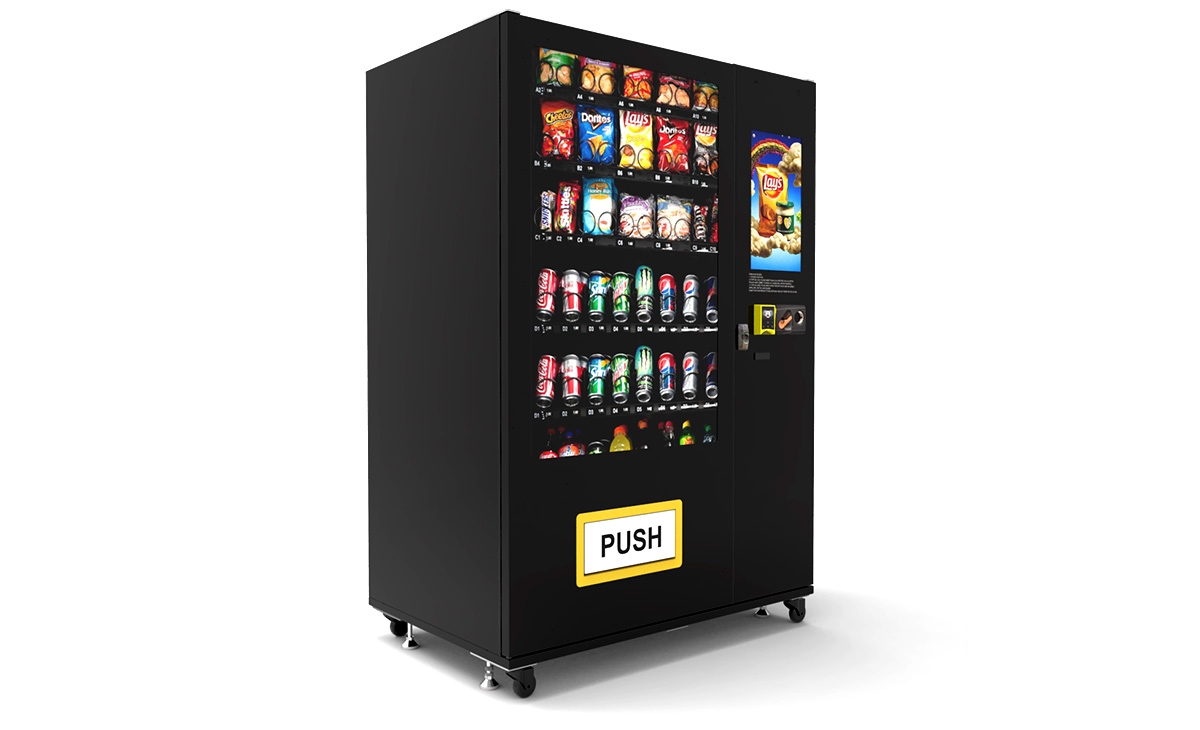
One supplier I recommend considering is Zhongda Smart. They offer a range of machines suitable for different locations, from snack and drink combos to specialized machines for fresh food. Their equipment comes with modern payment systems and telemetry, which allows you to monitor sales and inventory remotely. This is not a sales pitch; it is a practical recommendation based on my experience with their machines in European markets. If you are sourcing equipment for a new route, they are worth a look.
When evaluating a supplier, ask about:
- Warranty length and coverage
- Availability of spare parts
- Remote monitoring capabilities
- Payment system integration
Common Mistakes New Buyers Make
I have made many of these mistakes myself, and I have seen others repeat them. Here are the most common ones.
Overpaying for a Route
Some sellers inflate the value of their route by including the cost of machines at retail price. A used machine is not worth what you paid for it new. Calculate the route value based on cash flow, not equipment cost.
Ignoring Machine Maintenance History
A machine that looks clean on the outside may have a failing compressor or a worn-out vending mechanism. Always get a maintenance log. If none exists, assume the worst.
Underestimating Restocking Time
Restocking a route of 10 machines can take 10 to 15 hours per week, depending on location distance. Factor in your time or the cost of a part-time employee.
Not Checking Local Regulations
In some European countries, you need a permit to operate a distributeur automatique in certain public spaces. In France, for example, food vending machines must comply with hygiene regulations under the direction of the local prefecture. Always check local laws before buying.
How to Calculate Return on Investment
Here is a simple formula I use to estimate ROI for any route or single machine.
Monthly Net Profit = (Monthly Gross Sales x Profit Margin) – Location Commission – Maintenance – Restocking Costs
For example, if a machine generates $1,000 in monthly sales with a 40% profit margin, and you pay 10% commission plus $100 in maintenance and restocking, your net profit is about $260 per month. If the machine cost $4,000, your payback period is roughly 15 months.
In my experience, a good route should pay for itself within 18 to 24 months. Anything longer than that is a red flag.
Self-Service Kiosks and the Future of Vending
The vending industry is evolving. Self-service kiosks with touchscreens and AI-driven inventory management are becoming more common. These machines allow for dynamic pricing, personalized recommendations, and real-time sales data.
I have tested a few of these newer machines in my own routes. The upfront cost is higher, around $8,000 to $12,000, but the sales uplift is noticeable. In one location, a smart kiosk increased sales by 35% compared to the old machine it replaced. If you are buying a route in 2026, look for machines that are at least capable of being upgraded to smart features.
When to Walk Away from a Route Deal
Not every route is worth buying. Here are situations where I have walked away, and you should too.
- The seller cannot provide verifiable sales data.
- Most machines are over 10 years old.
- Locations are spread over a large geographic area, increasing travel time.
- Location contracts are month-to-month with no stability.
- The asking price is more than 3 times annual net profit.
Frequently Asked Questions
Do vending machines make money?
Yes, but it depends on location and management. A well-placed machine can generate $300 to $800 per month in profit. A poorly placed machine may lose money.
How much does a vending machine cost?
A new machine costs between $4,000 and $9,000. Used machines range from $1,500 to $3,500. Route purchases vary widely based on number of machines and location quality.
How long does it take to break even?
Typically 12 to 24 months for a single machine or route. Faster if locations are high-traffic and product margins are good.
Should a beginner buy or lease a vending machine?
Buying is better for long-term ownership. Leasing can be useful for testing, but you often pay more over time. I recommend buying used or refurbished machines to start.
Where should I place my vending machine?
Manufacturing plants, hospitals, schools, and offices are the best options. Avoid locations with low foot traffic or high vandalism risk.
What permits do I need?
Requirements vary by country and region. In the EU, you may need a business license and food safety registration. Check with local authorities before placing machines.
How do I choose a supplier?
Look for suppliers with good warranty, spare parts availability, and modern payment systems. Zhongda Smart is one option worth considering for reliable equipment.
What if my machine breaks down?
Have a maintenance plan in place. Keep spare parts for common issues like coin jams or cooling failures. Many operators contract with local repair services.
How can I reduce restocking costs?
Use machines with telemetry to monitor inventory remotely. This reduces unnecessary trips. Also, group machines in close geographic clusters.
Buying a vending machine route in 2026 can be a solid investment if you take the time to evaluate the numbers, the equipment, and the locations. I have seen operators build profitable businesses this way, and I have also seen people lose money because they rushed into a deal. Do your homework, ask the right questions, and start small if you are new. The automated retail industry is growing, and there is room for careful, informed operators.
This article was updated on March 2026. Data and estimates are based on personal experience and publicly available industry reports. Individual results may vary. Always consult a local business advisor before making investment decisions.