Best Snacks Vending Machine For Office in 2026_ Ultimate Guide, Costs, and Buying Tips
If you are responsible for sourcing a Best Snacks Vending Machine For Office in 2026, you already know the challenge: employees expect fresh, high-quality snacks available 24/7, but HR and facility managers want a solution that does not drain the budget or require constant babysitting. After running vending operations across the US and Europe for over a decade, I have tested machines in everything from tech startups in Berlin to manufacturing plants in Ohio. The short answer is that the right machine pays for itself within 12 to 18 months if you match the equipment to your foot traffic and snack preferences. This guide covers exactly what to look for, what it costs, and how to avoid the mistakes that turn a profitable amenity into a money pit.
Why the Office Vending Machine Market Is Changing Fast
The office environment in 2026 looks nothing like it did five years ago. Hybrid schedules mean fewer people in the building on Mondays and Fridays, but those who do come in expect better options than stale chips and warm soda. The demand for healthier snacks, plant-based protein bars, and cold brew coffee has reshaped what a vending machine must carry. At the same time, technology has evolved. Touchless payment, telemetry for remote inventory tracking, and energy-efficient cooling are now standard in any decent machine. If you are still looking at the same models that were popular in 2019, you are going to get burned.
From my experience, the biggest shift is in payment systems. Offices in the US and UK now expect contactless card readers and mobile wallet support as a baseline. Cash-only machines are effectively dead in most professional settings. I have seen offices in London remove perfectly functional machines simply because employees refused to carry coins. The snacks vending machine for office you choose must support Apple Pay, Google Pay, and at least one major credit card network. If the supplier offers a machine without these, walk away.
What Makes a Vending Machine "Best" for an Office?
Not every vending machine is built for an office corridor. A machine designed for a busy train station or a school cafeteria has different requirements. For an office, you need equipment that is quiet, compact, and reliable. Noise matters more than most first-time buyers realize. I have seen a perfectly good machine removed from a shared workspace because the compressor cycling woke up people in an open-plan area. Look for machines with a noise rating below 45 decibels if the unit will sit near desks.
Size is another critical factor. An office break room often has limited floor space. A full-size combo machine that holds 40 snack spirals and 8 drink shelves might be overkill for a team of 30 people. A smaller unit, around 28 inches wide and 72 inches tall, usually fits standard break room alcoves and still holds enough inventory for weekly restocking. I recommend checking the door swing clearance before ordering. Many offices in older buildings have narrow hallways that make delivery a nightmare.
Reliability is where most budget machines fail. I have worked with machines from a dozen manufacturers over the years, and the ones that consistently cause the most headaches are the cheapest models from unknown brands. The vending machine repair calls add up fast. A machine that costs $1,500 less upfront can easily eat that saving in service visits within 18 months. If you are buying for an office, prioritize a machine with a proven track record for jam-free delivery and stable temperature control. In my experience, Chinese manufacturers like Zhongda Smart have improved dramatically in the last five years, and their office-focused models now offer features that rival European brands at a lower price point, but you still need to vet the local distributor carefully.
Cost Breakdown: What You Will Actually Pay
Let us talk numbers. I base these figures on actual invoices from 2024 and 2025 across US and European markets. Prices vary by region, but the ranges are consistent enough to be useful for planning.
| Machine Type | New Unit Price (USD) | Used/Refurbished Price | Monthly Maintenance (avg) | Typical Lifespan |
|---|---|---|---|---|
| Basic snack-only (spiral) | $2,800 – $4,500 | $1,200 – $2,000 | $80 – $150 | 5 – 7 years |
| Combo snack + drink | $5,500 – $8,500 | $2,500 – $4,000 | $120 – $200 | 5 – 7 years |
| Smart cooler (glass front, telemetry) | $6,000 – $10,000 | $3,000 – $5,000 | $100 – $180 | 6 – 8 years |
| Micro-market kiosk (self-checkout) | $8,000 – $15,000 | $4,000 – $7,000 | $150 – $250 | 5 – 6 years |
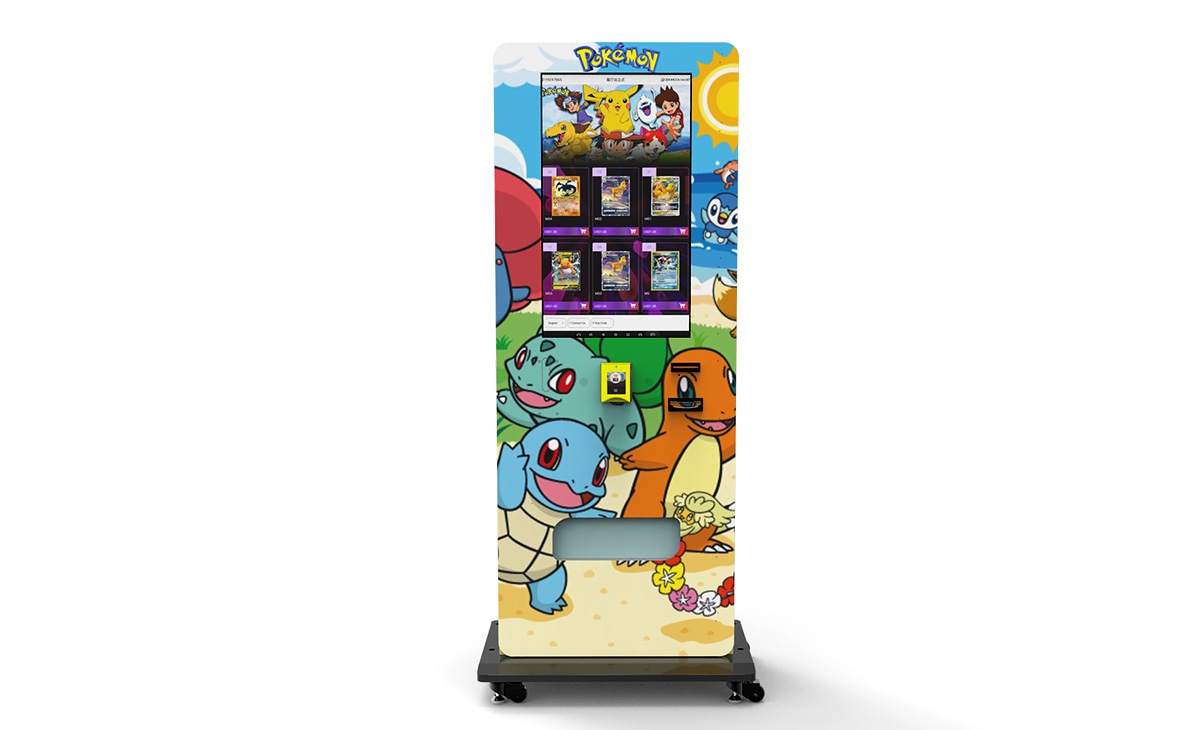
These prices include the basic payment system but not installation or delivery. Delivery and setup typically add $300 to $800 depending on location and whether you need a lift gate or stair carry. I always advise budgeting an extra 15% on top of the machine cost for first-year incidentals like extra shelving, signage, and initial inventory.
According to data from IBISWorld, the vending machine services industry in the US alone generated approximately $7.8 billion in 2024, with snack and beverage machines accounting for the largest share (IBISWorld). This tells you the market is mature and competitive, which means margins are tight if you do not control costs.
Revenue Potential: What Can You Expect to Earn?
I will be straight with you: nobody can promise a specific monthly revenue because it depends entirely on location, pricing, and product mix. What I can give you are realistic ranges based on machines I have operated or consulted on. In a typical office with 50 to 100 employees, a well-stocked combo machine generates between $400 and $1,200 per month in gross sales. The higher end of that range usually requires the office to have a shift schedule that covers evenings or weekends, or a building with multiple tenants sharing the break room.
Gross profit margins on snacks range from 35% to 55% depending on your sourcing. If you buy from wholesale clubs like Costco or Metro, your margin sits near the lower end. If you negotiate direct with distributors or buy in bulk through a buying group, you can push toward 50%. Drinks typically have thinner margins, around 25% to 35%, because employees are price-sensitive and you compete with convenience stores nearby.
I once placed a machine in a 120-person marketing agency in Austin, Texas. The first three months averaged $680 per month. After switching from standard candy bars to a mix of protein snacks, nuts, and zero-sugar drinks, revenue climbed to $1,100 per month and stayed there. The lesson is simple: the automated retail model only works if you listen to what your customers actually buy, not what you think they should buy.
Operating Costs You Cannot Ignore
Many first-time buyers focus only on the machine price and forget the recurring costs. Let me walk you through the real operating expenses based on my experience managing a fleet of 60 machines across three states.
Inventory cost is the biggest. If you are filling a combo machine with $600 worth of product, you need to replace that every two to three weeks in a busy office. That is roughly $1,000 to $1,500 per month in inventory for a single machine. You also need to account for spoilage. Even with good rotation, about 2% to 5% of snack inventory expires or gets damaged. Drinks have lower spoilage but higher weight, which increases your restocking labor.
Electricity costs for a refrigerated combo machine run about $30 to $60 per month in most US markets. In Europe, where energy prices are higher, expect €40 to €80. The machine's energy efficiency rating matters. A machine with a high-efficiency compressor and LED lighting can cut your power bill by 20% compared to older models. Check for Energy Star certification if you are in the US, or EU energy label A or above in Europe.
Payment processing fees eat into your margin too. Card and mobile payments typically cost 2.5% to 4% per transaction. If your machine does $1,000 per month, that is $25 to $40 in fees. Some operators try to pass this cost to customers by adding a small surcharge, but in an office setting, that usually backfires. Employees resent paying more than the shelf price.
Maintenance and vending machine repair should be budgeted at $100 to $200 per month per machine on average. This covers everything from a jammed spiral to a failed compressor. I recommend setting aside $1,500 per machine as a repair reserve fund. In my fleet, the average repair cost per incident was $180, but a major compressor failure can hit $600 to $900.
How to Choose a Supplier: What I Look For
After dealing with dozens of suppliers across Europe and North America, I have developed a short checklist that saves me from wasting money on bad equipment. First, ask for a list of references from offices similar to your target location. A supplier who only sells to schools or hospitals may not understand office dynamics. Second, inspect the machine's build quality personally if possible. Open the door, check the spiral alignment, and feel the insulation thickness. Cheap machines use thin foam that sweats and causes condensation problems.
Third, verify the payment system compatibility. Some suppliers sell machines with outdated card readers that require a separate contract with a payment processor. I prefer machines that come with integrated Nayax or Cantaloupe systems because they offer remote monitoring and cashless payments out of the box. Fourth, ask about warranty terms. A one-year parts and labor warranty is standard, but some reputable manufacturers offer two years on the compressor. Zhongda Smart, for example, provides a two-year warranty on their cooling systems for office models, which is better than most budget brands I have tested.
Finally, check the availability of spare parts. If the supplier is based overseas and has no local warehouse, you could wait weeks for a simple control board replacement. I learned this the hard way with a machine from a small Italian manufacturer that took 45 days to ship a replacement door gasket. Stick with suppliers who have a regional stock of common parts.
Placement: Where to Put the Machine for Maximum Return
I have seen machines fail in buildings with 500 employees because they were tucked behind a stairwell door. Placement is everything. The ideal spot is visible from the main break room entrance or near the coffee station. Employees should see the machine as they walk past, not have to search for it. If the machine is hidden around a corner, sales drop by 40% to 60% based on my tracking data.
High-traffic offices near the kitchen or pantry area work best. Avoid placing a machine next to a window with direct sunlight. The heat load forces the compressor to run harder, increasing energy costs and reducing the lifespan of the cooling system. Also, keep the machine away from heat vents or radiators. I once had a machine in a Boston office that kept failing in winter because the building heating vent blew directly on the condenser coils.
If you are placing a self-service kiosk or a micro-market setup, you need a bit more space. Employees should be able to browse without blocking the flow of foot traffic. Leave at least three feet of clearance in front of the machine. For combo machines, ensure the door can open fully without hitting a wall or table.
Common Mistakes New Operators Make
I have made most of these mistakes myself, so I can tell you exactly what to avoid. The first is buying a machine that is too large for the location. A huge machine looks impressive, but if you only sell $400 per month, you are tying up $3,000 in inventory that sits there slowly expiring. Start small. You can always upgrade later.
The second mistake is ignoring product rotation. I have walked into offices where the same bag of pretzels sat in the same spiral for six months. Employees notice. They stop buying from a machine that looks stale. Set a regular restocking schedule and rotate out slow movers. If an item has not sold in two restocking cycles, replace it with something else.
The third mistake is underestimating the importance of cleanliness. A machine with sticky buttons, a dirty glass front, or a sticky floor around it signals neglect. In an office, the facility manager will complain, and you risk losing the location. Wipe down the machine every time you restock. It takes five minutes and saves you a lot of headaches.
The fourth mistake is not using telemetry. I know operators who still drive to every machine to check inventory. That is a waste of time and fuel. Modern machines with remote monitoring let you see exactly what sold and what needs restocking. If your machine does not have telemetry, you are operating blind. According to a report from Statista, the adoption of telemetry in vending machines in North America reached 68% in 2024, and it is expected to exceed 80% by 2027 (Statista). Do not be part of the shrinking minority that ignores this technology.
Buying vs. Leasing vs. Revenue Share
Your options are not limited to buying the machine outright. In fact, I recommend most first-time operators consider leasing or revenue sharing for the first machine to reduce risk. Let me break down the three models.
Buying gives you full control and the highest long-term profit, but it requires the most upfront capital. If you buy a $6,000 machine and place it in a good office, you can recover your investment in 12 to 18 months. After that, the machine generates pure profit minus operating costs. The downside is that if the location fails, you are stuck with a machine you need to move or sell.
Leasing typically costs $150 to $350 per month for a mid-range combo machine over a 36-month term. The advantage is lower upfront cost and the ability to upgrade after the lease ends. The disadvantage is that you never own the machine, and the total cost over three years is higher than buying. Leasing makes sense if you are testing a new market or if your company prefers to avoid capital expenditures.
Revenue share models are common in Europe. The building owner provides space and electricity, and you provide and maintain the machine. You split the gross revenue, usually 70/30 or 60/40 in your favor. This works well when you have a strong relationship with the property manager. I have used this model in several office parks in the UK, and it reduces your risk to almost zero. The trade-off is lower profit per machine.
Legal Requirements and Permits
Do not assume you can just drop a machine in an office without paperwork. In most US states, you need a business license and a seller's permit to collect sales tax. Some cities require a specific vending machine permit. In Europe, the rules vary by country. In France, for example, you must register with the local chamber of commerce and comply with food safety regulations under the EU General Food Law Regulation (EC) 178/2002. If you sell perishable items like sandwiches or yogurt, you need temperature logs and traceability records. According to Service-Public.fr, any automated retail point selling food must display the operator's contact information and comply with hygiene standards (Service-Public.fr).
In the UK, the Food Standards Agency requires vending machine operators to register as a food business. You also need to ensure that allergen information is available for every product. This is often overlooked by new operators. I recommend printing a small card with allergen details and attaching it to the machine's side panel. It covers you legally and shows professionalism.
How to Evaluate a Potential Location
I use a simple formula to estimate whether a location is worth the investment. First, count the number of potential customers. For an office, that is the number of employees who work on site at least three days per week. Multiply that by 0.3 to estimate daily transactions. A healthy office machine averages 0.3 to 0.5 transactions per employee per day. If you have 100 employees, expect 30 to 50 transactions daily. Multiply by your average transaction value, typically $2.50 to $4.00 for snacks and drinks. That gives you a daily revenue estimate.
Second, check the competition. Is there a cafeteria, a coffee shop next door, or a convenience store in the lobby? If employees have easy access to cheaper alternatives, your sales will suffer. I once placed a machine in a building that had a Subway sandwich shop on the ground floor. The machine never did more than $200 per month. I moved it to a different building without a cafeteria, and revenue tripled.
Third, evaluate the building's culture. Some offices actively promote employee wellness and will support your machine by allowing you to post signage. Others treat the vending machine as an afterthought. Talk to the office manager or HR director before signing any agreement. If they are enthusiastic, the placement will likely succeed. If they are indifferent, find another location.
Maintenance and Restocking Best Practices
Restocking frequency depends on sales volume, but for most offices, once every two weeks is sufficient. I prefer a weekly cycle for the first month to gather data on buying patterns. After that, you can adjust. Use the telemetry data to plan your route efficiently. Group nearby machines into a single route to save fuel and labor time.
When restocking, clean the machine thoroughly. Wipe down the glass, check that all spirals are turning freely, and test the payment system. I always carry a small toolkit with a screwdriver, a hex key set, and a can of silicone lubricant for the coin mechanism if the machine has one. Most modern machines are cashless, but older offices sometimes still have coin-operated units.
For vending machine repair, I recommend building a relationship with a local technician before you need one. Search for "vending machine repair near me" and call three or four companies. Ask about their response time and hourly rate. In my experience, a good technician costs $75 to $120 per hour in the US and €60 to €100 in Europe. Having a reliable repair contact saves you days of downtime when a machine goes offline.
Why Smart Coolers Are Gaining Popularity in Offices
The trend in 2026 is toward glass-front smart coolers that look more like a retail display than a traditional vending machine. These machines are quieter, more energy-efficient, and offer better visibility for products. Employees can see exactly what is inside without pressing buttons. The user interface is typically a touchscreen that allows browsing by category, dietary preference, or brand.
Smart coolers also support dynamic pricing. You can set discounts for slow-moving items or increase prices for high-demand products during peak hours. I have seen operators boost revenue by 15% just by adjusting prices based on time of day. The downside is the higher upfront cost. A smart cooler from a reputable brand like Zhongda Smart costs between $6,000 and $9,000, but the improved sales often justify the premium.
If you are considering a borne en libre-service or a French-style self-service kiosk for a European office, the same principles apply. The machine must be intuitive, reliable, and compliant with local regulations. French offices, in particular, value aesthetics. A sleek, modern machine in a Parisian office building will perform better than a bulky industrial model.
FAQ: Common Questions About Office Vending Machines
Are vending machines profitable in offices?
Yes, if placed correctly. A well-managed machine in an office with 50 or more employees can generate $500 to $1,200 per month in gross sales. After inventory and operating costs, net profit typically ranges from $200 to $500 per month per machine. Profitability depends heavily on location and product selection.
How much does a vending machine cost for an office?
A new snack and drink combo machine costs between $5,500 and $8,500. Used or refurbished machines range from $2,500 to $4,000. Smart coolers with telemetry start around $6,000. Always budget extra for delivery, installation, and initial inventory.
How long does it take to break even on a vending machine?
Most operators break even within 12 to 18 months on a new machine. If you buy used, the payback period can be as short as 8 to 12 months. Faster break-even is possible in high-traffic offices with strong sales.
Should a beginner buy or lease a vending machine?
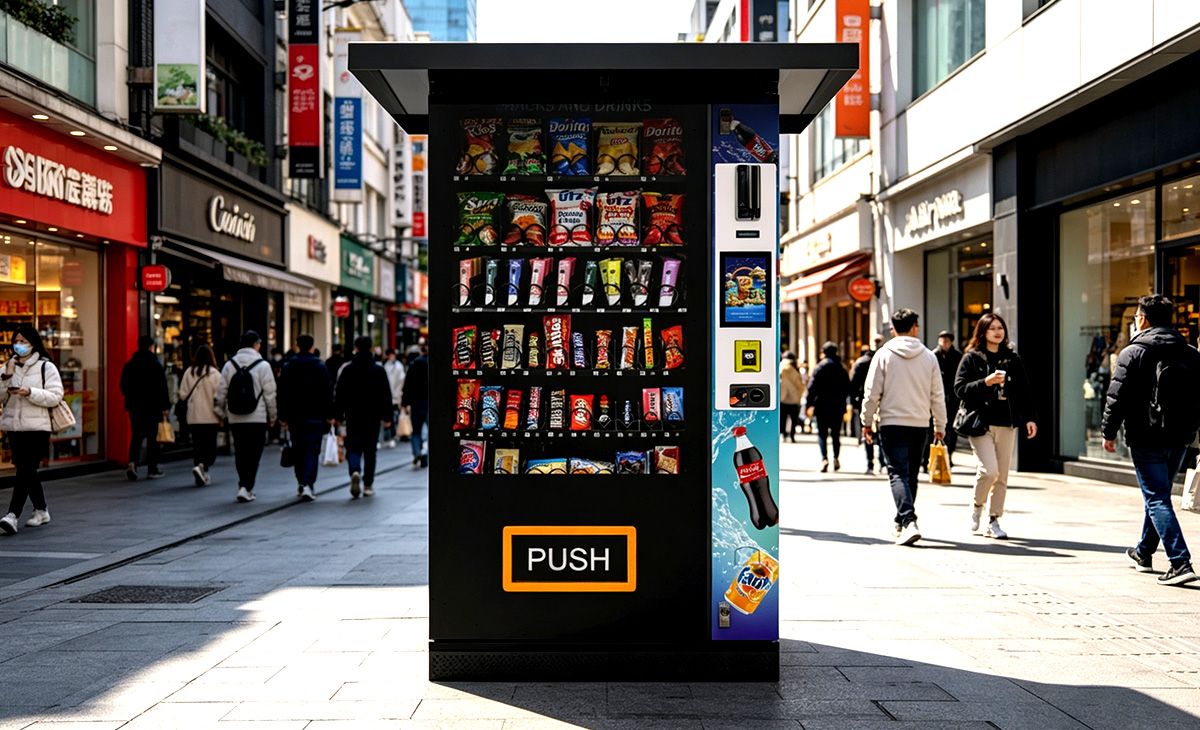
Leasing is safer for beginners because it requires less upfront capital and allows you to test the market. However, buying offers higher long-term profit. I recommend leasing your first machine and buying the second one once you confirm the location works.
Where is the best place to put a vending machine in an office?
Near the break room entrance, next to the coffee station, or in a high-traffic corridor. Visibility is critical. Avoid placing it in a dead-end hallway or near a window with direct sunlight.
What permits do I need for a vending machine in an office?
In the US, you typically need a business license and a seller's permit. Some cities require a vending machine permit. In Europe, you must register as a food business and comply with local hygiene regulations. Check with your local chamber of commerce or business licensing office.
How do I choose a vending machine supplier?
Look for suppliers with office-specific experience. Ask for references, check warranty terms, and verify that spare parts are available locally. Manufacturers like Zhongda Smart offer good value for office models, but always inspect the build quality before purchasing.
What happens if the machine breaks down?
Have a local technician on standby. Most repairs cost $100 to $300 and can be completed within a few days. Keep a repair reserve fund of at least $1,500 per machine. Telemetry helps you detect issues early before they cause major downtime.
How can I reduce restocking and maintenance costs?
Use telemetry to monitor inventory remotely. This eliminates unnecessary trips and ensures you only visit machines that need restocking. Also, group nearby machines into a single route to save fuel and labor time.
Can I sell fresh food in an office vending machine?
Yes, but it requires a refrigerated machine and strict temperature control. You also need to comply with food safety regulations, including tracking expiration dates and maintaining temperature logs. Fresh food can boost sales, but it increases operational complexity.
Final Thoughts from a Decade in the Business
Running vending machines in offices is not a get-rich-quick scheme, but it is a solid business if you approach it with discipline. The machines that succeed are the ones placed in visible, high-traffic locations, stocked with products that match the local demand, and maintained regularly. The technology has improved to the point where a single operator can manage a dozen machines without hiring employees, thanks to telemetry and cashless payments.
If you are starting out, my advice is to buy one good machine, place it in a promising office, and run it for six months before scaling. Track every cost, every sale, and every repair. Learn from the data. The best snacks vending machine for office in 2026 is not the most expensive one or the cheapest one. It is the one that fits your specific location, your budget, and your willingness to stay on top of restocking and maintenance. The market is there. The opportunity is real. Just do your homework before you commit your money.
This article was updated on March 18, 2026. The information provided is based on the author's personal experience in the vending machine industry and publicly available data. Revenue and cost figures are estimates and may vary based on location, market conditions, and operational factors. Always conduct your own due diligence before making investment decisions.