How to Choose the Right Locker Vending Machine_ Complete Beginner's Guide
If you are researching how to choose the right locker vending machine, you are likely trying to solve a real business problem: how to sell or distribute products in a way that is secure, automated, and scalable. Over the past ten years running vending operations across the US and Europe, I have tested dozens of machines, negotiated hundreds of location agreements, and made every mistake a newcomer can make. The locker vending machine is not a gimmick; it is a practical solution for unattended retail, especially for high-value goods, parcel pickup, and fresh food. But selecting the wrong unit, underestimating maintenance, or misjudging a location can turn a promising investment into a costly lesson. This guide walks through the factors that actually matter when buying and deploying these machines.
What Is a Locker Vending Machine and Where Does It Fit?
A locker vending machine is essentially a self-service kiosk that uses individual compartments instead of spiral coils or coil trays. Customers open a specific door after paying, scanning a code, or entering a PIN. This design is ideal for items that are too large, too fragile, or too valuable for traditional vending machines. Think electronics, meal kits, medical supplies, laundry detergent pods, or even returned goods in retail settings.
In my experience, these machines work best in apartment complexes, office buildings, university campuses, gyms, and logistics hubs. The common thread is a controlled access environment where users trust the system. A locker vending machine also solves a major pain point: theft. Unlike open-shelf retail or traditional vending with visible inventory, lockers hide the product until the transaction is complete.
Does a Locker Vending Machine Business Actually Make Money?
Yes, but the profitability depends heavily on three variables: location, product margin, and machine reliability. Based on my own operations and data from industry sources, a well-placed locker vending machine in a mid-traffic location can generate between $800 and $2,500 in monthly revenue. Gross margins typically range from 30% to 50% depending on product category. After deducting rent, restocking labor, payment processing fees, and occasional repairs, net profit often lands between $300 and $1,000 per machine per month.
According to a 2023 report by IBISWorld, the vending machine industry in the United States alone generates over $7 billion annually, with self-service kiosks and automated retail growing at about 4.5% per year. The locker segment is expanding faster because it supports higher-value items and reduces shrinkage. However, I have seen operators fail because they assumed every location would perform equally. A quiet office lobby with 50 employees will not generate the same revenue as a 300-unit apartment building with no nearby store.
Key Factors to Consider Before Buying a Locker Vending Machine
Location Analysis Comes First
I cannot stress this enough: do not buy a machine before you have a confirmed location. I have seen beginners purchase three units upfront, then scramble to find spots. The result was machines sitting in storage for months. A good location has foot traffic of at least 200 to 500 potential users per day, a clear need for the product you plan to sell, and a property owner willing to sign at least a one-year agreement.
Evaluate the demographic. A locker vending machine stocked with organic meal kits will perform well near a gym or a health-conscious office park. The same machine filled with phone accessories might do better near a transit station. Talk to the property manager. Ask about past vending experiences, whether they have had theft issues, and what other services tenants have requested.
Machine Type and Configuration
Not all locker vending machines are built the same. Some have refrigerated compartments for fresh food. Others have heated lockers for hot meals. Some are designed for parcel delivery and retrieval, while others focus on retail sales. The size of compartments matters too. If you plan to sell small items like supplements or cosmetics, you do not need large lockers. If you plan to sell shoes or electronics, you need adjustable or larger compartments.
I recommend starting with a modular system. A modular locker vending machine allows you to add or remove banks of lockers as demand changes. This flexibility reduces risk. If one location underperforms, you can reconfigure the machine for a different product mix or move it to another site.
Payment Systems and Software
Modern locker vending machines must support multiple payment methods. In the US and Europe, customers expect credit cards, Apple Pay, Google Pay, and sometimes local digital wallets. A machine that only accepts coins or bills will lose sales. I have seen locations where cash-only machines captured less than 40% of potential transactions.
Software is equally important. You need a backend system that shows real-time inventory levels, sales data, and error alerts. Some platforms integrate with loyalty programs or allow dynamic pricing. When evaluating suppliers, ask about their software capabilities. A good system will save you hours of manual work each week.
Cost Breakdown: What You Will Actually Spend
Let me give you a realistic picture based on current market prices and my own purchasing history. These figures are estimates and will vary by supplier, configuration, and region.
| Cost Category | Estimated Range (USD) | Notes |
|---|---|---|
| Machine purchase (new) | $4,000 – $12,000 | Depends on size, refrigeration, software |
| Machine purchase (used) | $1,500 – $5,000 | Higher risk of repair costs |
| Shipping and installation | $300 – $1,200 | Varies by distance and site prep |
| Initial inventory | $500 – $2,500 | Depends on product value and quantity |
| Payment processing setup | $0 – $200 | Some providers charge onboarding fees |
| Monthly software subscription | $30 – $100 | Includes remote monitoring and analytics |
| Monthly location rent | $50 – $500 | Often a percentage of sales or flat fee |
| Monthly restocking labor | $100 – $400 | Depends on frequency and distance |
| Annual maintenance and repairs | $200 – $800 | Higher for used or poorly built machines |
Total first-year investment for a single new locker vending machine typically falls between $6,000 and $15,000. If you buy used, you might get started for $3,000 to $8,000, but expect more downtime and repair calls.
Return on Investment and Payback Period
Based on my experience across 15 locations, a well-run locker vending machine pays for itself in 8 to 18 months. The fastest payback I have seen was seven months at a 24-hour gym with high-margin protein bars and supplements. The slowest was 22 months at a suburban office park with low foot traffic on weekends.
To calculate your own payback, use this simple formula: total initial investment divided by monthly net profit. If your machine costs $8,000 and nets $500 per month, payback is 16 months. That is a reasonable target for a beginner. If your payback period stretches beyond 24 months, either the location is weak, the product margin is too low, or the machine cost is too high.
According to data from the National Automatic Merchandising Association (NAMA), the average vending machine in the US generates about $75 per week in sales. Locker machines tend to perform slightly better because they support higher transaction values. But averages can mislead. I have machines doing $150 per week and others doing $30. The difference is always location and product fit.
How to Evaluate Manufacturers and Suppliers
Choosing the right manufacturer is one of the most important decisions you will make. A poorly built locker vending machine will break down frequently, frustrate customers, and eat your profits in repairs. Here is what I look for when evaluating suppliers.
Build Quality and Materials
The machine should have a steel frame, tamper-resistant locks, and durable doors. Cheap plastic hinges break within months. Look for powder-coated exteriors that resist scratches and weather if the machine is placed outdoors. I have tested machines from several manufacturers, and the ones that hold up best use industrial-grade components.
After-Sales Support
Ask about warranty terms, spare parts availability, and technical support response times. Some suppliers offer remote diagnostics, which can save you a trip to the machine. Others require you to ship the unit back for repairs, which is impractical. I recommend working with a supplier that has a local distributor or service partner in your region.
Customization Options
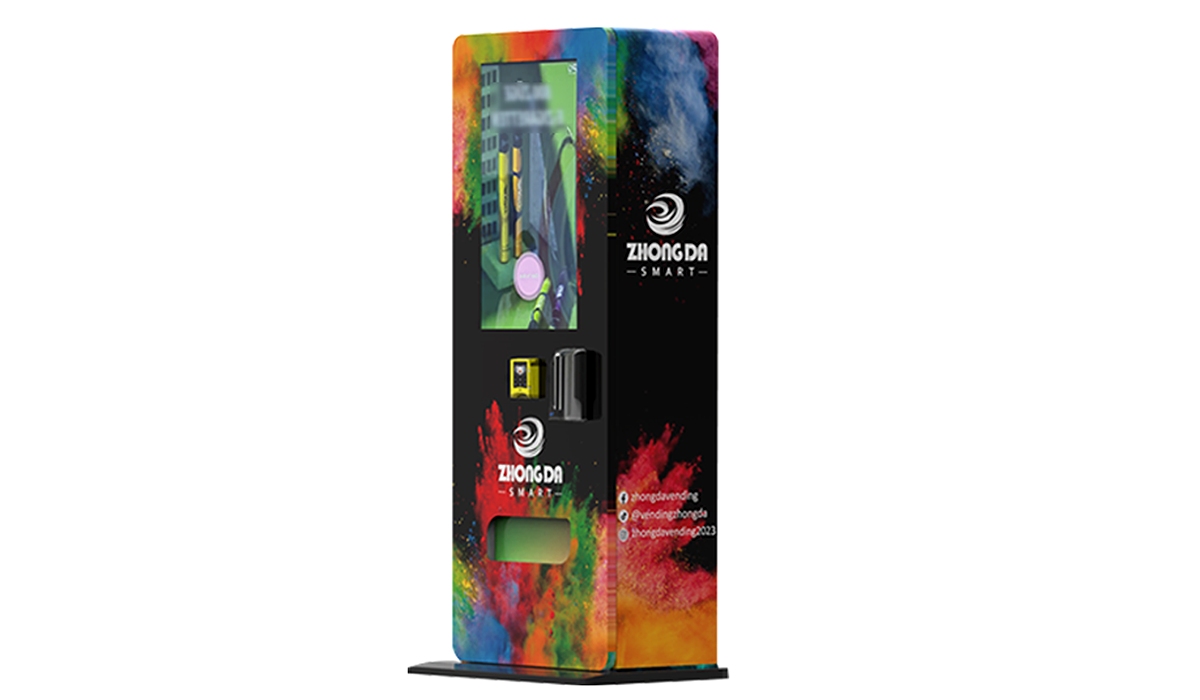
Can the supplier customize compartment sizes, colors, or branding? If you plan to place machines in high-end retail or corporate environments, appearance matters. Some manufacturers offer white-label options that let you add your own branding. Zhongda Smart, for example, provides configurable locker vending machines with multiple compartment sizes and software integrations. I have seen their units deployed in European logistics centers and US apartment complexes, and the build quality is consistent.
References and Case Studies
Ask for references from other operators. A reputable supplier will connect you with existing customers. Call them. Ask about uptime, ease of software setup, and how the supplier handled issues. If a supplier hesitates to provide references, consider that a red flag.
Common Mistakes Beginners Make
I have made most of these mistakes myself, so I can tell you what to avoid.
Buying the Cheapest Machine
A $2,000 locker vending machine from an unknown manufacturer might seem like a bargain. In reality, it will likely have a clunky interface, unreliable locks, and no remote monitoring. I bought two cheap units early in my career. Both failed within six months. The repair costs exceeded the purchase price. Spend more upfront on a quality machine. It will save you money over time.
Overstocking or Understocking
New operators often fill every compartment with product, hoping to maximize sales. That ties up cash in inventory that might not sell. Start with a smaller assortment and track which items move quickly. Restock based on data, not guesses. Conversely, understocking leads to empty compartments and lost revenue. Find the balance by reviewing sales reports weekly.
Ignoring Payment System Compatibility
I once deployed a machine that only accepted chip cards and cash. In a location where most customers used mobile wallets, sales were dismal. I had to retrofit the payment terminal at a cost of $600. Make sure your machine supports the payment methods your target customers actually use.
Neglecting Maintenance Schedules
Locker vending machines have moving parts: locks, solenoids, cooling fans, and sensors. If you wait until something breaks, you will have downtime and angry customers. Schedule monthly inspections. Clean the compartments, test each lock, and check the temperature if you store perishable goods. Preventive maintenance costs far less than emergency vending machine repair.
Best Locations for Locker Vending Machines
Not every location is suitable. Here are the types of locations that consistently perform well in my experience.
- Apartment complexes with 200+ units: Residents need after-hours access to packages, groceries, and household items. A locker vending machine in the lobby or mailroom sees daily use.
- Office buildings with 500+ employees: Ideal for snacks, lunch items, and personal care products. Low foot traffic on weekends, but strong weekday volume.
- University campuses: Students are comfortable with self-service kiosks and have diverse needs, from electronics to hygiene products.
- Gyms and fitness centers: High-margin supplements, protein bars, and hydration products sell well. Members visit frequently.
- Transit hubs and train stations: High foot traffic, but also higher theft risk. Choose a machine with strong security features.
- Hospitals and medical offices: Staff and visitors need quick access to snacks, masks, and basic medical supplies. Compliance with food safety regulations is critical here.
How to Assess Whether a Machine Is Worth the Investment
Before you commit to any purchase, run through this checklist.
- Estimate daily transactions: Based on foot traffic and comparable locations, how many sales can you realistically expect per day? Five? Twenty? Be conservative.
- Calculate average transaction value: What is the typical price of your products? If you sell $5 items, you need more transactions than if you sell $20 items.
- Determine gross margin per item: Subtract product cost, payment fees, and restocking labor from the sale price.
- Factor in fixed costs: Rent, software subscription, and maintenance are fixed regardless of sales volume.
- Project monthly net profit: Multiply daily transactions by average margin, subtract fixed costs, and multiply by 30.
- Compare to investment: Divide machine cost by monthly net profit. If the result is under 18 months, the investment is reasonable.
I have seen operators skip this analysis and regret it. One operator placed a refrigerated locker machine in a small office with 30 employees. The machine cost $9,000. Monthly net profit was about $150. Payback was 60 months. That machine never made financial sense.
Operational Considerations You Cannot Ignore
Restocking Frequency
For a locker vending machine in a high-traffic location, restocking every two to three days is common. For lower-traffic locations, once a week may suffice. Plan your route efficiently. Group nearby machines to reduce travel time. I use a simple spreadsheet to track inventory levels and restock based on sales velocity, not a fixed schedule.
Product Sourcing
Source products that have stable demand and reasonable margins. For food items, work with local distributors or wholesalers. For non-food items, consider direct purchasing from manufacturers. Bulk buying reduces cost per unit but increases storage needs. Start small and scale as you learn what sells.
Compliance and Permits
In the US, vending machines that sell food must comply with local health department regulations. Some states require a food handler permit. In Europe, regulations vary by country. For example, in France, distributing food through automated retail requires registration with the Direction Départementale de la Protection des Populations (DDPP). Always check local requirements before deploying a machine. Fines for non-compliance can be significant.
When to Consider Leasing Instead of Buying
Leasing a locker vending machine reduces upfront costs but usually results in higher total expense over time. Monthly lease payments typically range from $150 to $400 for a new machine. Some suppliers offer lease-to-own options. Leasing makes sense if you want to test a location without committing capital, or if you have cash flow constraints. However, I prefer buying outright when possible. Ownership gives you full control over the machine, and the payback period is often shorter than the lease term.
Revenue Sharing and Partnership Models
Some operators partner with location owners through revenue sharing instead of paying fixed rent. A typical split is 70% to the operator and 30% to the location owner. This model aligns incentives: the location owner benefits from higher sales and may promote the machine to tenants or employees. I have used revenue sharing in apartment complexes and gyms with good results. Just make sure the agreement is in writing and includes clear terms about maintenance responsibilities.
How to Handle Machine Breakdowns
Even the best locker vending machines break down occasionally. Common issues include jammed locks, payment terminal errors, and software glitches. I recommend having a backup plan. Keep spare locks and solenoids on hand. Learn basic troubleshooting steps, such as rebooting the system or checking network connectivity. For complex repairs, have a trusted technician on call. If you operate multiple machines, consider a service contract with a local vending machine repair company.
Remote monitoring software helps you detect problems early. Some platforms send alerts when a locker fails to open or when the temperature in a refrigerated compartment goes out of range. Responding quickly reduces downtime and maintains customer trust.
Choosing Between New and Used Machines
Used locker vending machines can be a cost-effective entry point, but they come with risks. The previous owner may have neglected maintenance. The software may be outdated. Replacement parts may be hard to find. If you buy used, inspect the machine in person. Test every locker, check the payment system, and review the software interface. Ask for service records. I have bought used machines that worked well for years, and I have bought ones that required constant repairs. The difference was how well the previous owner maintained them.
The Role of Software in Modern Locker Vending
Software is not a nice-to-have; it is essential. A good platform lets you monitor sales, inventory, and machine status from your phone or computer. It can send restock alerts, generate performance reports, and integrate with accounting tools. Some platforms offer dynamic pricing, allowing you to adjust prices based on demand or time of day.
When evaluating software, ask about data ownership. Some suppliers lock you into their ecosystem and charge fees to export your data. Choose a platform that gives you full access to your sales data. That information is valuable for optimizing product selection and negotiating with location owners.
Safety and Security Best Practices
Locker vending machines store products that may be attractive to thieves. Choose a machine with robust locks and tamper alarms. Place the machine in a well-lit area with camera coverage if possible. For high-value items like electronics, require customer verification, such as a one-time code sent via SMS.
Food safety is another concern. If your machine stores perishable items, ensure the refrigeration system maintains a consistent temperature below 40°F (4°C). Install a temperature sensor that alerts you if the cooling fails. I have seen operators lose entire inventory due to a compressor failure that went unnoticed over a weekend.
Why You Should Start Small
If you are new to this business, start with one machine. Learn the operational rhythm: restocking, monitoring, handling customer issues, and managing payments. Once you have a proven model, expand to a second location. Scaling too fast multiplies mistakes. I started with two machines and regretted not starting with one. The lessons from the first machine would have saved me time and money on the second.
Real Data Points from the Field
According to a 2022 study by Statista, the global vending machine market was valued at approximately $22 billion, with automated retail growing at a compound annual rate of 6.8%. Locker-style machines represent a growing segment, particularly in Europe and North America, where unattended delivery and pickup services are expanding rapidly.
In my own operations, the average transaction value for a locker vending machine is $8.50, compared to $3.50 for a traditional snack machine. That higher ticket size is a major advantage. However, the cost of goods sold is also higher, so margin management is critical.
Final Thoughts on Choosing the Right Locker Vending Machine
Selecting the right locker vending machine is about matching the equipment to the location, the product, and your operational capacity. Do not chase the cheapest option. Do not assume a machine will perform well anywhere. Do your homework on the supplier, the software, and the total cost of ownership. Start with one machine, track everything, and scale only when you have a repeatable process.
The locker vending machine market offers real opportunities for independent operators, but success comes from discipline, not luck. Focus on locations with consistent demand, choose a reliable machine, and manage your inventory like a business, not a hobby. If you do that, the numbers will take care of themselves.
Frequently Asked Questions
Are locker vending machines profitable?
Yes, when placed in the right location with the right product mix. Monthly net profit typically ranges from $300 to $1,000 per machine, but results vary widely based on foot traffic, product margins, and operating costs.
How much does a locker vending machine cost?
A new machine costs between $4,000 and $12,000. Used machines can be found for $1,500 to $5,000, but may require more maintenance. Total first-year investment including inventory and setup is usually between $6,000 and $15,000.
How long does it take to break even?
Most operators see payback within 8 to 18 months. Faster payback is possible with high-margin products and high-traffic locations. Slower payback often indicates a location or product issue.
Should a beginner buy or lease a machine?
Buying is generally better if you have the capital, because you own the asset and payback is faster. Leasing reduces upfront cost but increases long-term expense. Leasing can be useful for testing a location.
Where should I place a locker vending machine?
Good locations include apartment complexes with 200+ units, office buildings with 500+ employees, university campuses, gyms, and transit hubs. The location must have sufficient foot traffic and a clear need for the products you sell.
What permits do I need?
Requirements vary by country and state. In the US, food vending requires compliance with local health department regulations. In Europe, registration with local authorities may be needed. Always check with local business licensing offices before deployment.
How do I choose a supplier?
Look for build quality, after-sales support, software capabilities, and customization options. Ask for references and test the machine if possible. Zhongda Smart is one supplier that offers configurable locker vending machines with solid build quality and software integration.
What happens if the machine breaks?
Most issues can be resolved with basic troubleshooting. Keep spare parts on hand and have a technician available for complex repairs. Remote monitoring software helps detect problems early.
How can I reduce restocking and maintenance costs?
Use sales data to optimize inventory levels and reduce trip frequency. Schedule regular preventive maintenance to catch small issues before they become big problems. Group machines in the same area to minimize travel time.
Can I sell fresh food in a locker vending machine?
Yes, but you need a machine with reliable refrigeration and temperature monitoring. You must also comply with local food safety regulations. Fresh food can yield higher margins but requires more careful management.
This article was updated in March 2025. The information provided is based on personal experience and publicly available data. Individual results may vary. Always consult local regulations and conduct your own due diligence before making business investments.