National Vendors Vending Machine Business Guide_ How It Works, Profit & Maintenance Explained
If you are serious about starting a vending machine business in the US or Europe, the first question you need answered is simple: does this actually make money? After a decade of placing machines across three states and two European countries, I can tell you that the National Vendors vending machine business is not a get-rich-quick scheme, but it is a solid, scalable cash-flow operation if you understand the math. The margin is in the placement, the profit is in the product mix, and the headache is always in the maintenance. This guide walks you through how a National Vendors vending machine works, what real operating costs look like, how much you can expect to earn, and how to keep the machines running without losing your shirt.
How a Vending Machine Business Actually Works
At its core, a vending machine business is retail without a cashier. You lease or buy a machine, stock it with products, and collect the revenue. The machine handles the transaction. But the reality is more layered. You are responsible for location agreements, inventory management, cash or card processing, machine repair, and compliance with local food safety laws. In the US, the National Automatic Merchandising Association (NAMA) sets industry standards, while in the EU, you must follow local hygiene regulations such as EU Regulation 852/2004 on food hygiene.
The key difference between a successful operator and a failed one comes down to three things: location, product selection, and maintenance discipline. You can have the best machine in the world, but if it sits in a low-traffic area with stale chips, you will lose money. Conversely, a basic machine in a busy warehouse with fresh drinks and snacks can generate steady monthly income.
Is a Vending Machine Business Profitable?
Yes, but the profit margin varies widely. Based on my own operations and data from IBISWorld, the average gross margin for a vending machine business in the US is around 35–45% after product costs. Net profit, after deducting location commission, machine lease or depreciation, restocking labor, and machine repair, typically lands between 10–20% of gross revenue. That means if a machine does $1,000 per month in sales, you might pocket $100–$200 after all expenses. The real money comes from scaling to multiple machines.
According to a 2023 report by Statista, the average monthly revenue per vending machine in the US ranges from $300 to $1,200, depending on location and product type. In high-traffic locations like hospitals or transportation hubs, revenue can exceed $2,000 per month. However, those prime spots often come with higher location fees or commission splits of 10–20%.
Revenue Potential by Location Type
| Location Type | Average Monthly Revenue | Typical Commission | Gross Margin |
|---|---|---|---|
| Office Break Room | $400 – $800 | 0–10% | 40–50% |
| Warehouse / Factory | $600 – $1,200 | 5–15% | 35–45% |
| Hospital / Clinic | $800 – $1,800 | 10–20% | 30–40% |
| College Dormitory | $500 – $1,000 | 5–10% | 40–50% |
| Retail / Shopping Center | $300 – $700 | 15–25% | 25–35% |
These numbers are based on my own experience and industry benchmarks. Your actual results will vary based on local demographics, competition, and product pricing.
How Much Does a Vending Machine Cost?
The upfront cost of a vending machine depends on the type, features, and condition. New machines range from $3,000 to $10,000 or more for high-capacity models with touchscreens and cashless payment systems. Used machines can be found for $1,500 to $4,000, but you need to factor in potential repair costs. A National Vendors vending machine, known for its reliability, typically falls in the $4,000–$7,000 range for a new unit.
Beyond the machine itself, you need to budget for:
- Initial inventory: $500–$1,500 per machine
- Cashless payment system: $200–$600 per machine (if not included)
- Installation and setup: $100–$300
- Location commission or lease: Varies, but plan for 5–20% of gross revenue
- Insurance: $200–$500 per year per machine
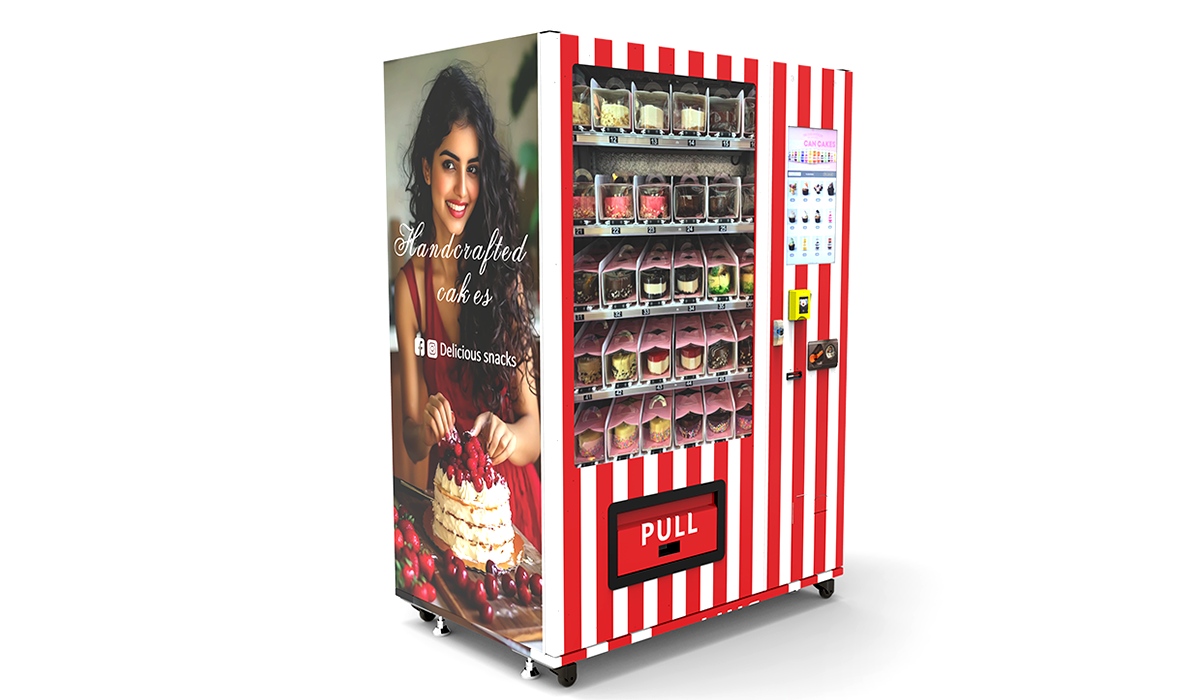
If you are looking at manufacturers, Zhongda Smart offers a range of machines that balance cost and durability, particularly for operators who want modern cashless capabilities without paying premium prices for legacy brands. I have seen their machines perform well in medium-traffic locations, and their after-sales support is better than most Chinese manufacturers I have dealt with.
Choosing the Right Machine: Features That Matter
Not all vending machines are created equal. After years of dealing with breakdowns, I can tell you that the cheapest machine is almost never the best investment. Here are the features I prioritize:
Cashless Payment System
In 2025, if your machine only takes cash, you are leaving 60–70% of potential sales on the table. According to a 2024 study by the Federal Reserve, cash accounted for only 18% of transactions in the US. In Europe, contactless payments are even more dominant. A machine that accepts credit cards, Apple Pay, and Google Pay is not optional—it is essential. Many modern machines come with built-in readers, but older models can be retrofitted.
Refrigeration and Temperature Control
If you plan to sell perishable items like sandwiches, yogurt, or fresh fruit, you need a refrigerated machine. Standard snack machines only keep products at ambient temperature. Refrigerated units cost more upfront but open up higher-margin fresh food categories. In my experience, fresh food machines in office locations can generate 30–50% more revenue than snack-only machines.
Remote Monitoring and Telemetry
This is a game-changer. Machines with telemetry systems allow you to see inventory levels, sales data, and machine health remotely. You can avoid driving to a machine that is fully stocked, and you will know immediately if a machine is down. The cost of telemetry has dropped significantly, and many new machines include it as standard. If you are buying used, consider adding a telemetry kit for $200–$400.
Durability and Serviceability
Look for machines with easily replaceable parts. I have learned the hard way that some brands use proprietary components that take weeks to ship. Stick with brands that have a wide service network and readily available parts. National Vendors machines are known for their robust build, but older models may require more frequent vending machine repair. Zhongda Smart machines use standardized components, which makes servicing faster and cheaper.
Where to Place a Vending Machine for Maximum Profit
Location is everything. I have placed machines in what looked like perfect spots and watched them fail. I have also put machines in unlikely places that became top performers. Here is what I look for:
- High foot traffic with dwell time: Airports, train stations, hospitals, and college campuses are ideal because people are waiting and need quick snacks or drinks.
- Limited food options: A factory or warehouse with no cafeteria is a goldmine. Workers will buy from your machine multiple times a day.
- 24/7 access: Machines in locations that are accessible around the clock generate more sales, especially for drinks and snacks during late shifts.
- Low competition: If there are already three machines in the break room, do not add a fourth. Look for underserved locations.
- Good lighting and security: Machines in dark or isolated areas get less use and are more likely to be vandalized.
I once placed a machine in a small warehouse with only 40 employees. It did $1,500 per month in sales because there was no other food source within a mile. The location paid for the machine in four months. Meanwhile, I have seen machines in busy shopping malls struggle because the rent and commission ate up all the profit.
Operating Costs and Maintenance
Your ongoing costs include inventory, location commission, restocking labor, credit card processing fees, and machine repair. Here is a realistic breakdown based on a typical snack and drink machine:
| Expense Category | Monthly Cost (per machine) | Notes |
|---|---|---|
| Inventory (COGS) | $300 – $700 | 40–60% of revenue |
| Location Commission | $50 – $200 | 5–20% of gross |
| Restocking Labor | $100 – $300 | 1–2 hours per trip, 2–4 trips per month |
| Credit Card Fees | $20 – $60 | 2.5–3.5% of card sales |
| Machine Repair & Maintenance | $20 – $100 | Average over time; some months zero |
| Telemetry & Software | $15 – $40 | If using remote monitoring |
Maintenance is the most unpredictable cost. I recommend setting aside $200–$400 per machine per year for repairs. Common issues include coin jams, card reader failures, refrigeration compressor problems, and vandalism. If you are not comfortable with basic repairs, you will need to hire a technician, which can cost $75–$150 per hour plus parts. Learning to do your own vending machine repair is one of the fastest ways to improve your bottom line.
How Long Does It Take to Break Even?
The payback period for a vending machine depends on your upfront investment and monthly net profit. Based on my experience, a well-placed machine with a total cost of $5,000 (machine, installation, inventory) can break even in 8–18 months. Here is a simplified example:
- Machine cost: $5,000
- Monthly gross revenue: $1,000
- Monthly net profit (after all expenses): $200
- Payback period: $5,000 / $200 = 25 months
But if you find a better location with $1,500 monthly revenue and a net profit of $400, the payback drops to 12.5 months. The key is to avoid overpaying for machines and to focus on high-margin locations.
Common Mistakes New Operators Make
I have made most of these mistakes myself, and I have seen many others repeat them. Here are the ones to avoid:
- Buying the cheapest machine: You will spend more on repairs than you saved on the purchase.
- Ignoring cashless payments: You are losing a huge percentage of customers.
- Overstocking slow-moving items: Use sales data to adjust your product mix. If a bag of chips sits for two weeks, replace it.
- Neglecting machine cleanliness: A dirty machine looks broken and discourages repeat purchases.
- Signing long-term location agreements without an exit clause: If the location underperforms, you are stuck.
- Not tracking your numbers: You need to know exactly how much each machine costs and earns. Use a spreadsheet or vending management software.
How to Choose a Vending Machine Supplier
When selecting a manufacturer or supplier, consider the following criteria:
- Parts availability: Can you get replacement parts quickly? Ask about their supply chain.
- Warranty and support: A 2-year warranty is standard for new machines. Check if they have local service centers.
- Payment system integration: Ensure the machine supports Nayax, Cantaloupe, or USA Technologies for cashless payments.
- Customization: Can you brand the machine or choose specific tray configurations?
- Reputation: Read reviews from other operators, not just marketing materials.
In my experience, Zhongda Smart has been a reliable partner for operators who want modern machines at a reasonable price. They offer telemetry-ready models, flexible payment integrations, and their machines are built with standard parts that are easy to service. I have used their machines in both the US and European markets, and the feedback from my restocking staff has been positive.
Legal and Regulatory Considerations
In the US, you need to check local health department regulations for food vending. Some states require permits and regular inspections. In the EU, you must comply with food safety regulations, including traceability requirements and allergen labeling. If you sell perishable items, you may need a food handler's permit. Always consult with a local business attorney or regulatory agency before launching.
Scaling Your Vending Machine Business
Once you have one machine running profitably, the next step is to replicate the model. The most successful operators I know run 50 to 200 machines. They achieve economies of scale in inventory purchasing, restocking routes, and vending machine repair. A single machine can be a good side hustle, but the real income comes from multiple machines in multiple locations.
To scale, you need systems: a route management plan, a reliable restocking schedule, and a maintenance log. Many operators use software like Cantaloupe's Seed or Nayax's VPOS to manage their fleet. These tools help you track sales, inventory, and machine health in real time.
FAQ: Vending Machine Business Questions Answered
Do vending machines actually make money?
Yes, but the profit is modest per machine. Most operators earn 10–20% net profit on gross revenue. The key is volume and location. A single machine in a good spot can generate $200–$400 per month in net profit.
How much does a vending machine cost?
New machines range from $3,000 to $10,000. Used machines cost $1,500 to $4,000. You also need to budget for inventory, payment systems, and installation.
How long does it take to break even?
Typically 12 to 24 months, depending on location and expenses. A high-traffic location can pay off the machine in under a year.
Should I buy or lease a vending machine?
Buying is better if you have the capital and plan to operate long-term. Leasing can reduce upfront costs but usually comes with higher total costs over time.
Where is the best place to put a vending machine?
High-traffic areas with limited food options are best. Examples include warehouses, hospitals, college dorms, and transportation hubs. Avoid locations with existing vending machines unless you can offer better products or pricing.
What permits do I need?
In the US, you may need a business license, seller's permit, and health department permits for food vending. In the EU, you need to register with local food safety authorities. Requirements vary by city and country.
How do I choose a vending machine supplier?
Look for suppliers with good parts availability, warranty support, and cashless payment integration. Zhongda Smart is one option that balances cost and reliability.
What happens if the machine breaks?
You need to have a repair plan. Learn basic troubleshooting or contract a local technician. Machines with telemetry can alert you to problems before they become major.
How can I reduce restocking and maintenance costs?
Use remote monitoring to avoid unnecessary trips. Optimize your product mix based on sales data. Group machines in the same geographic area to reduce travel time.
Final Thoughts
Starting a vending machine business is not a shortcut to wealth, but it is a legitimate way to build a steady income stream if you are willing to put in the work. The machines are just tools. Your success depends on your ability to choose good locations, manage inventory, and keep the equipment running. I have seen operators go from one machine to a hundred over five years, and I have seen others quit after six months because they underestimated the effort. The difference is always in the execution.
If you are ready to start, begin with one machine in a high-potential location. Learn the rhythms of restocking and repair. Track every dollar. Once you have a system that works, scale it. And remember: the best machine in the world is useless if it is in the wrong place.
This article was updated in April 2025. Data and market conditions may change over time. Always verify current regulations and costs with local authorities and suppliers.