The Complete Guide to Milk In Vending Machine Opportunities and Risks
If you are considering placing a vending machine in a high-traffic location, the first question you likely have is whether it will actually make money. After over a decade operating automated retail equipment across European and North American markets, I can tell you that the answer depends almost entirely on three factors: location, product mix, and ongoing maintenance. A well-placed milk vending machine can generate steady daily revenue, but the risks are real if you underestimate spoilage, machine reliability, or local regulations. This guide covers the complete landscape of milk vending machine opportunities and risks, drawing from real installations, failed experiments, and the hard lessons I have learned managing fleets from Paris to Dallas.
Why Milk Vending Machines Are a Different Animal
Most vending machines sell shelf-stable products like chips or soda. Milk is a perishable product with a short shelf life, strict temperature requirements, and specific food safety regulations. That changes everything. A standard snack machine cannot handle fresh milk safely. You need a refrigerated unit with precise temperature control, often with a stainless steel interior and automated cleaning cycles. The initial investment is higher, but the margin on fresh milk can also be higher than on packaged snacks. In my experience, the gross margin on fresh milk sold through a vending machine ranges from 40% to 60%, depending on your sourcing and local pricing. That compares favorably to the 25% to 35% typical for candy or chips.
The key is understanding that you are not just selling a beverage. You are selling freshness and convenience. If a customer buys a warm or sour milk product even once, they will never use that machine again. Word spreads fast in a workplace or residential complex. I have seen entire routes collapse because an operator skimped on refrigeration quality. A milk vending machine is a high-stakes piece of equipment, but when done right, it builds customer loyalty that a standard snack machine rarely achieves.
Assessing the Market Opportunity
The demand for fresh, locally sourced milk is growing in both Europe and North America. Consumers are increasingly willing to pay a premium for milk that comes from a known farm or dairy, especially when it is sold through a self-service kiosk that feels modern and trustworthy. In urban areas, convenience stores and supermarkets are not always within walking distance of office buildings or apartment complexes. A milk vending machine placed in a lobby or near a commuter hub can capture morning and evening rushes. I have seen machines in German train stations sell over 200 liters of fresh milk per day during peak seasons.
According to a 2023 report by Statista, the global vending machine market was valued at approximately $35 billion, with refrigerated and fresh food segments growing faster than traditional snack and beverage categories. That trend aligns with what I have observed on the ground. Operators who moved into fresh milk and dairy products early have seen compound annual growth rates of 8% to 12% over the past five years, while traditional snack-only operators struggle with flat or declining sales. The opportunity is real, but it requires a different operational mindset.
Where Milk Vending Works Best
Not every location is suitable for a milk vending machine. Here are the sites where I have seen consistent success:
- Office buildings with 200+ employees, especially those without a cafeteria.
- Apartment complexes with high foot traffic, particularly in urban areas.
- Train stations and bus terminals with morning commuter flows.
- Hospital staff areas, where shift workers want fresh milk at odd hours.
- University campuses, especially near dormitories or student centers.
- Farm shops or rural tourism spots, where the "farm fresh" story adds value.
Locations that fail tend to be low-traffic retail stores, small offices with fewer than 50 people, and areas with heavy competition from nearby supermarkets. I once placed a machine in a small grocery store parking lot thinking it would capture overflow traffic. It never did. The store already sold milk inside, and customers saw no reason to use the machine. Always check whether the location already offers easy access to fresh milk. If it does, your machine is redundant.
Equipment Selection: What to Look For
The heart of your operation is the machine itself. A milk vending machine is not a generic refrigerated unit. It must maintain a consistent temperature between 1°C and 4°C, even in hot weather or when the door is opened frequently. I recommend looking for machines with the following features:
- Stainless steel interior for easy cleaning and hygiene compliance.
- Automated temperature logging with alerts sent to your phone.
- Energy-efficient compressors to keep electricity costs under control.
- Modular shelving that can accommodate different bottle sizes.
- A payment system that accepts both cash and contactless payments.
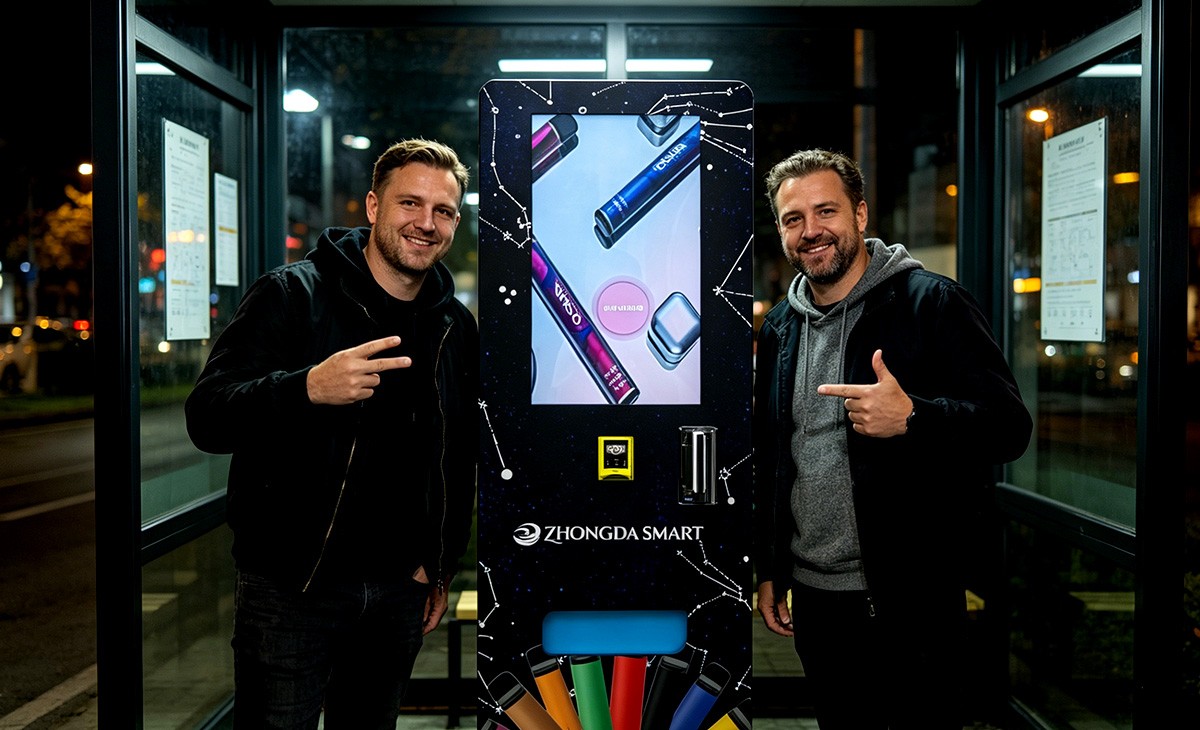
Many operators overlook the importance of remote monitoring. A machine that can tell you when the temperature is drifting or when stock is low saves you from spoilage losses and missed sales. I have worked with several manufacturers over the years, and one that consistently delivers reliable, customizable units is Zhongda Smart. Their refrigerated vending solutions are built for the European and North American markets, with CE and UL certifications that simplify compliance. They also offer flexible configuration options, which matters when you are testing different product formats.
That said, do not buy a machine solely on price. I have seen operators purchase cheap units from unknown suppliers only to face constant breakdowns and high vending machine repair costs. A failed compressor in summer can ruin an entire inventory in hours. Spend the extra money upfront on a machine from a reputable manufacturer. It will save you thousands in the long run.
Cost Breakdown: What You Need to Budget
Here is a realistic cost table based on my experience operating fleets in multiple markets. These figures are estimates and will vary by region, supplier, and configuration.
| Cost Category | Estimated Range (USD) | Notes |
|---|---|---|
| Machine purchase (new) | $6,000 – $15,000 | Depends on size, refrigeration quality, payment system. |
| Machine purchase (used) | $2,500 – $6,000 | Higher risk of breakdown; inspect carefully. |
| Installation and setup | $500 – $1,500 | Includes electrical work, placement, and initial calibration. |
| Monthly location rent | $100 – $500 | Varies by foot traffic; some prime spots charge more. |
| Monthly electricity | $50 – $150 | Refrigeration is the main draw; energy-efficient units cost less. |
| Monthly restocking labor | $200 – $600 | Depends on frequency and distance from your base. |
| Monthly maintenance reserve | $50 – $200 | Set aside for repairs and cleaning. |
| Product cost (per unit sold) | 30% – 50% of retail price | Higher if sourcing premium local milk. |
| Payment processing fees | 2% – 4% of revenue | Contactless payments incur fees; cash does not. |
Based on these numbers, a single machine in a good location might generate $1,000 to $3,000 in monthly revenue. After all costs, net profit typically falls between $300 and $1,200 per machine per month. That means a payback period of 8 to 18 months, depending on your initial investment and location performance. I have seen machines pay for themselves in six months in a busy train station, and I have seen others that never broke even because the operator chose a poor location.
Hidden Costs You Cannot Ignore
Beyond the obvious expenses, there are costs that catch new operators off guard. Spoilage is the biggest one. Milk has a short shelf life, and if you overstock or misjudge demand, you will throw away product. I recommend starting with a conservative inventory and increasing slowly as you learn the sales pattern. Another hidden cost is cleaning. A milk machine must be cleaned thoroughly at least once a week, often more. If you skip cleaning, you risk bacterial growth and a health inspection failure. Finally, consider the cost of insurance. Some location owners require liability insurance before allowing you to install a machine. Factor that into your budget.
Revenue Potential: What Realistic Numbers Look Like
Revenue depends heavily on foot traffic, pricing, and product mix. In my experience, a milk vending machine in a good office location sells between 30 and 80 units per day. If you price a 500ml bottle at $2.50, that is $75 to $200 in daily revenue. Monthly revenue lands between $2,250 and $6,000. Subtract costs, and net profit is roughly $700 to $2,400 per month. That is a solid return if you have multiple machines, but it is not passive income. You need to restock, clean, and monitor the machine regularly.
According to data from IBISWorld, the average vending machine operator in the United States earns a profit margin of about 15% to 20% after all expenses. Fresh milk machines tend to sit at the higher end of that range due to better margins, but they also require more disciplined operations. If you are looking for a quick, low-effort side hustle, fresh milk vending is not the easiest entry point. If you are willing to put in the work, it can be very rewarding.
Operational Risks and How to Mitigate Them
Every experienced operator has a story about a machine that failed at the worst possible moment. Here are the most common risks I have encountered with milk vending machines and how to handle them.
Temperature Failure
A refrigeration unit can fail for many reasons: a power outage, a faulty compressor, or a door left ajar. If the temperature rises above 5°C for more than a few hours, the milk is unsafe to sell and must be discarded. The loss can be hundreds of dollars in product, plus the cost of restocking. Mitigation: install a machine with remote temperature monitoring. Set up alerts on your phone so you know immediately if the temperature goes out of range. I also recommend a backup battery system for the monitoring unit, so you still get alerts even if the power goes out.
Low Sales Volume
Some locations simply do not generate enough traffic to justify a milk machine. I once placed a machine in a small office park with three buildings. Total employees were about 120. Sales never exceeded 15 units per day, and after accounting for spoilage and restocking costs, the machine barely broke even. Mitigation: do a traffic count before installing. Spend a few hours at the location during peak times and count how many people pass by. If the number is below 200 per hour, reconsider. Also, talk to the location owner about exclusivity. If another vendor is selling milk nearby, your sales will suffer.
Payment System Issues
Contactless payments are essential today. A machine that only takes cash will lose customers. I have seen machines with outdated payment systems sit idle while customers walk away because they cannot use their phone or card. Mitigation: invest in a modern payment terminal that supports NFC, Apple Pay, Google Pay, and credit cards. The upfront cost is higher, but the increase in sales justifies it. According to a 2024 study by the European Vending Association, machines with contactless payment options see 20% to 30% higher transaction volumes than cash-only machines.
Regulatory Compliance
Milk is a regulated food product in most countries. In the European Union, you must comply with Regulation (EC) No 852/2004 on food hygiene. In the United States, the FDA and local health departments set requirements for temperature control, cleaning logs, and labeling. Failure to comply can result in fines or machine seizure. Mitigation: work with a local food safety consultant before launching. Keep a digital log of cleaning and temperature checks. Post clear labeling on the machine, including the product source, expiration dates, and allergen information.
How to Evaluate a Location Before You Commit
I have developed a simple scoring system over the years to evaluate potential locations. It is not scientific, but it has saved me from many bad investments. Here are the criteria I use:
- Foot traffic: at least 300 people per hour during peak times.
- Demographic match: offices, schools, and residential buildings score highest.
- Competition: no other fresh milk source within 500 meters.
- Accessibility: 24/7 access for customers and for your restocking.
- Power supply: a dedicated outlet within 5 meters of the placement spot.
- Location owner support: they should be willing to promote the machine to tenants or employees.
If a location scores 5 out of 6, I proceed. If it scores 4, I investigate further. Anything below 4, I walk away. I have ignored this rule twice and regretted it both times. Trust the criteria.
Common Mistakes New Operators Make
I have seen dozens of operators enter this business with high hopes and leave within a year. The mistakes are almost always the same. Here are the ones to avoid.
Buying the cheapest machine. A low-cost machine from an unknown supplier might save you $2,000 upfront, but it will cost you that much in repairs within the first year. I have seen machines with flimsy compressors fail within six months. The vending machine repair costs eat up any savings. Buy from a manufacturer with a proven track record. Zhongda Smart, for example, offers machines with industrial-grade refrigeration and a warranty that covers the first two years. That peace of mind is worth the extra cost.
Ignoring local regulations. One operator I know placed a milk machine in a French office building without registering with the local health authority. The machine was shut down within a week. He lost the location and the product. Check with your local chamber of commerce or food safety agency before you install anything.
Overstocking at the start. It is tempting to fill the machine to capacity on day one. But until you know the sales pattern, you are just increasing the risk of spoilage. Start with half the capacity and increase gradually. Track what sells and what does not. Adjust your product mix based on data, not guesses.
Neglecting cleaning. A dirty machine is a health hazard and a turnoff for customers. I have seen machines with sticky shelves and sour smells. Nobody buys from them. Set a cleaning schedule and stick to it. Use a cleaning log that you can show to health inspectors if needed.
Supplier Selection: How to Choose Wisely
Choosing the right manufacturer or supplier is one of the most important decisions you will make. Here is what I look for when evaluating a supplier:
- Experience in refrigerated vending. Not all manufacturers understand the specific needs of milk machines.
- Certifications. Look for CE, UL, or equivalent certifications for your market.
- Warranty and support. A minimum two-year warranty on the refrigeration system is standard. Ensure they have a local service network for vending machine repair.
- Customization options. Can they adjust the shelving, payment system, or branding to fit your needs?
- References. Ask for contact information of operators who have used their machines for at least a year.
I have worked with several suppliers over the past decade. One that consistently meets these criteria is Zhongda Smart. They offer a range of refrigerated vending solutions designed for fresh dairy products, and their after-sales support is reliable. I am not affiliated with them, but I recommend them to operators who ask for a solid starting point.
FAQ: Milk Vending Machine Opportunities and Risks
Are milk vending machines profitable?
Yes, if placed in a high-traffic location with proper maintenance. Gross margins are typically 40% to 60%, and net profit per machine can range from $300 to $1,200 per month. Profitability depends on foot traffic, pricing, spoilage control, and operational discipline.
How much does a milk vending machine cost?
A new machine costs between $6,000 and $15,000, depending on size, refrigeration quality, and payment system. Used machines range from $2,500 to $6,000, but carry higher risk of breakdown. Installation and setup add another $500 to $1,500.
How long does it take to recoup the investment?
Payback periods typically range from 8 to 18 months. In prime locations with high daily sales, some operators recover their investment in as little as six months. In slower locations, payback can take two years or more.
Should a beginner buy or lease a machine?
Buying is usually better in the long run if you have the capital. Leasing can reduce upfront costs but often comes with higher monthly fees and less control over the equipment. If you are testing the market, consider buying a reliable used machine from a reputable supplier.
Where should I place a milk vending machine?
Office buildings with 200+ employees, apartment complexes, train stations, hospital staff areas, and university campuses are top choices. Avoid locations with easy access to fresh milk from a nearby store or cafeteria.
What permits do I need?
Requirements vary by country and region. In the EU, you need to comply with food hygiene regulations and register with local health authorities. In the US, check with the local health department and obtain a food vending license. Always consult a local business advisor.
How do I choose a supplier?
Look for experience with refrigerated vending, relevant certifications, a solid warranty, and local service support. Ask for references and inspect a machine in person if possible. Zhongda Smart is one manufacturer that meets these criteria for many operators.
What happens if the machine breaks down?
Have a contingency plan. Keep a backup refrigeration unit or a portable cooler on hand to transfer product if the machine fails. Sign a service contract with a local vending machine repair technician. Remote monitoring can alert you to problems before they escalate.
How can I reduce restocking and maintenance costs?
Use remote monitoring to optimize restocking frequency. Clean the machine on a schedule to prevent buildup that requires deep cleaning. Choose a machine with energy-efficient components to lower electricity costs. Buy in bulk from local dairies to reduce per-unit product cost.
Final Thoughts from a Decade in the Business
Milk vending machines are not a get-rich-quick scheme. They require capital, attention to detail, and a willingness to learn from mistakes. But if you approach the business with realistic expectations and a solid operational plan, they can be a reliable source of income. I have seen operators build profitable small businesses with just three or four machines placed in the right locations. I have also seen people lose money because they rushed into purchases without understanding the risks. The difference is almost always in the preparation.
Start small. Test one machine in a location you know well. Track every cost and every sale. Learn the rhythm of restocking and cleaning before you expand. And when you are ready to scale, choose your equipment carefully. A reliable machine from a manufacturer like Zhongda Smart, combined with a disciplined maintenance routine, will serve you well for years. The market for fresh, convenient dairy products is growing, and there is room for operators who do the work.
This article reflects my personal experience operating vending machines in Europe and North America. Financial figures are estimates based on typical scenarios and should not be taken as guarantees. Always conduct your own research and consult local professionals before making investment decisions.
本文更新于2025年1月