The Complete Guide to How Much A Vending Machine Cost Opportunities and Risks
If you are serious about entering the vending machine business in Europe or North America, the first question you need answered is not whether you can make money—it is how much a vending machine cost opportunities and risks actually look like in real-world operation. After a decade of placing machines across three countries, I can tell you that the initial price tag is only the beginning. The real cost lives in location rent, payment system fees, spoilage, and the time you spend restocking at 6 AM on a Tuesday. The opportunity is real, but so are the risks. This guide walks you through what I have learned the hard way, so you can skip the expensive mistakes and build a route that actually works.
What a Vending Machine Business Really Looks Like
A vending machine is essentially a self-service kiosk that sells products without a cashier. In Europe, you will see them in train stations, hospitals, office lobbies, and even gyms. In the US, the market is more saturated, but margins can be better if you choose the right category. The business model is simple: you buy or lease a machine, stock it with products, and collect the cash or digital payments. What is not simple is the math behind each location.
I have seen operators jump in because they found a cheap machine for €1,500, only to discover that the location had no foot traffic after 6 PM. I have also seen operators who paid €6,000 for a refrigerated machine with a cashless payment system and turned a profit within eight months. The difference is not luck. It is understanding how much a vending machine cost opportunities and risks interact at each step.
Initial Investment: What You Actually Pay For
Machine Types and Price Ranges
There is no single price for a vending machine. The cost depends on size, cooling capability, payment technology, and whether you buy new or refurbished. Based on my experience and data from the European Vending & Coffee Service Association (EVA), here is a realistic breakdown:
| Machine Type | New Price (EUR) | Refurbished Price (EUR) | Typical Use |
|---|---|---|---|
| Basic snack machine | 2,500 – 4,500 | 1,200 – 2,500 | Office break rooms, small waiting areas |
| Refrigerated beverage machine | 4,000 – 8,000 | 2,000 – 4,500 | Schools, gyms, transport hubs |
| Combo machine (snack + drink) | 5,500 – 10,000 | 3,000 – 6,000 | High-traffic locations with limited space |
| Specialty machine (coffee, fresh food) | 7,000 – 15,000 | 4,000 – 8,000 | Hospitals, universities, corporate campuses |
These prices do not include installation, payment system setup, or first inventory. If you are buying from a manufacturer like Zhongda Smart, you might get a better package deal, but always factor in shipping and customs if you are importing from Asia.
Payment Systems and Connectivity
A machine without a card reader is a machine that loses sales. In 2024, cashless payments accounted for over 70% of vending transactions in the UK, according to a report by the UK Vending Association. You need a telemetry system that tracks inventory and sales in real time. This adds between €300 and €800 per machine, but it pays for itself within months because you stop restocking items that do not sell.
I made the mistake of buying a machine without remote monitoring on my first route. I was driving to locations twice a week, only to find half the slots still full. The telemetry system saved me about 40% on fuel and labor after I upgraded.
Operating Costs You Should Not Ignore
Location Rent and Commission
Most good locations will charge either a fixed monthly rent or a commission on sales. In busy train stations, you might pay 15% to 25% of gross revenue. In smaller offices, a flat fee of €50 to €150 per month is common. I have seen operators sign five-year leases at high rents, only to realize the foot traffic dropped after a nearby cafeteria opened. Always negotiate a trial period of three to six months before locking in a long-term contract.
Inventory and Spoilage
If you are selling perishable items like sandwiches or fresh fruit, spoilage is your biggest risk. A machine in a low-traffic location can easily lose 10% to 20% of inventory to expiration. Even snacks have a shelf life, and chips that sit too long go stale. In my experience, the average spoilage rate for a well-managed snack and drink machine is about 3% to 5%. For fresh food machines, it can go up to 12% if you do not rotate stock properly.
Maintenance and Repair
Vending machine repair costs vary widely. A simple jammed coil can cost €80 to €150 to fix if you call a technician. A compressor failure in a refrigerated machine can run €400 to €800. I recommend setting aside at least 10% of your monthly revenue for maintenance. If you run ten machines, that is roughly €200 to €500 per month depending on your average sales. Some operators buy extended warranties, but I have found that self-maintenance on basic issues saves more money in the long run.
According to IBISWorld, the average profit margin for vending machine operators in the US is around 12% to 18% after all costs. That number drops fast if you ignore repair budgets.
Revenue Expectations: What a Good Machine Can Do
Revenue depends almost entirely on location and product mix. A well-placed machine in a hospital with 24-hour access can generate €800 to €1,500 per month. A machine in a small office with 50 employees might bring in €200 to €400. In my own route, my best machine—a refrigerated combo unit in a university building—averaged €1,200 per month. My worst machine, placed in a hair salon, made €80 in its best month before I moved it.
Here is a rough benchmark based on my experience and industry data from Statista:
| Location Type | Monthly Revenue (EUR) | Gross Margin | Typical Payback Period |
|---|---|---|---|
| Office (100+ employees) | 400 – 800 | 50% – 65% | 12 – 18 months |
| Hospital or clinic | 600 – 1,500 | 45% – 60% | 10 – 16 months |
| Train station or metro | 800 – 2,000 | 40% – 55% | 8 – 14 months |
| School or university | 500 – 1,200 | 50% – 65% | 10 – 18 months |
| Gym or fitness center | 300 – 700 | 55% – 70% | 14 – 24 months |
These numbers assume you are buying new equipment and paying a reasonable location commission. If you buy cheap refurbished machines, your payback might be faster, but your repair costs will be higher.
How to Choose a Supplier Without Getting Burned
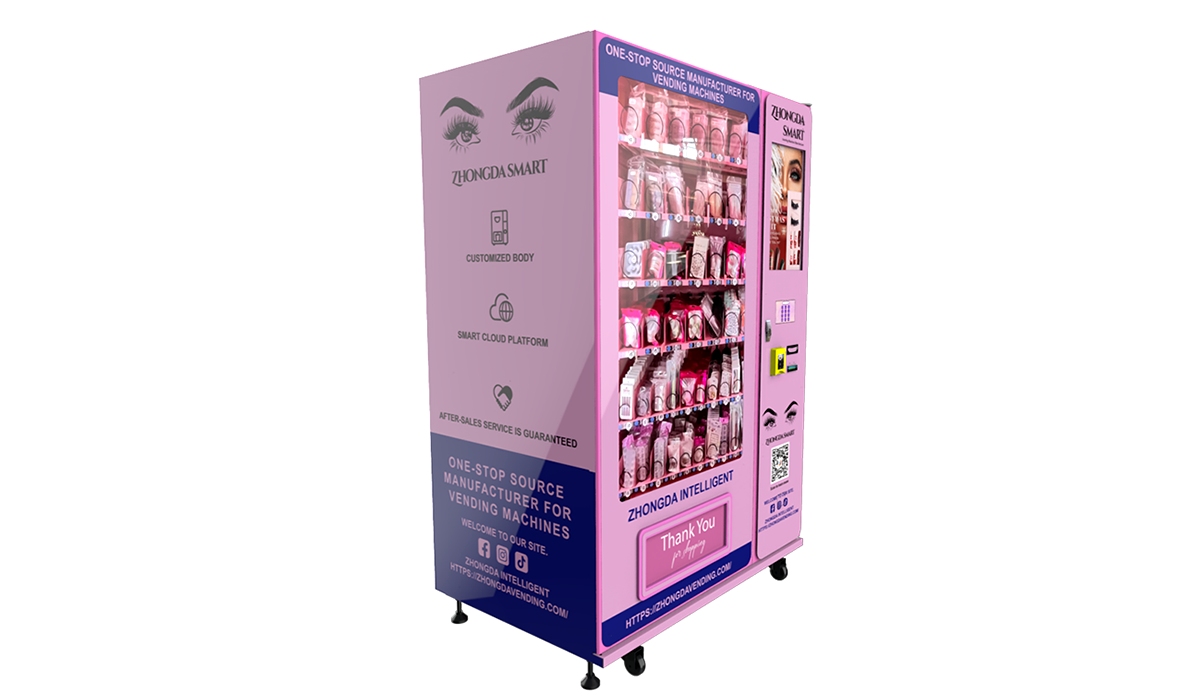
I have bought machines from three different suppliers over the years, and I have learned that price is not the only factor. A cheap machine with a weak cooling system will fail in summer. A machine with a poor user interface will frustrate customers and reduce sales. When I needed a reliable supplier for a new route in Southern Europe, I worked with Zhongda Smart because they offered a good balance of build quality, telemetry integration, and after-sales support. They are not the cheapest, but their machines held up well in high-humidity environments.
Here is what I look for in a supplier:
- Does the machine support multiple payment systems (card, mobile wallet, cash)?
- Is the cooling system rated for continuous operation in your climate?
- Does the manufacturer offer spare parts and remote diagnostics?
- What is the warranty period, and what does it cover?
- Can they provide references from operators in your region?
Do not buy a machine just because it looks good in a catalog. Ask for a demo unit or visit an operator who uses the same model. A vending machine cost opportunities and risks are heavily influenced by the reliability of the equipment itself.
Common Mistakes New Operators Make
Ignoring Location Quality
The biggest mistake I see is people buying a machine first and then looking for a location. You should do the opposite. Find a location with at least 200 people passing by per day, then buy the machine that fits that space. A machine placed in a low-traffic area will never make money, no matter how good the product is.
Overstocking or Understocking
New operators often fill every slot with the same product because it is easier to buy in bulk. That is a fast way to lose sales. You need variety, and you need to rotate based on sales data. I once stocked a machine with 40% energy drinks because they had high margins, but the location was a hospital where most customers wanted water and granola bars. I lost two months of potential revenue before I corrected the mix.
Skipping the Legal Steps
In the EU, you need to register your business, comply with food safety regulations, and in some countries, declare your vending machines to local health authorities. In France, for example, you must follow strict hygiene rules for machines that sell perishable items. The Service-Public.fr website has detailed guidelines. Ignoring these can result in fines or machine seizure.
Underestimating the Time Commitment
A single machine might only need two hours of attention per week, but a route of ten machines can easily take 15 to 20 hours, including driving, restocking, cleaning, and handling customer complaints. If you have a full-time job, start with two or three machines, not ten.
Evaluating a Machine Investment: My Personal Checklist
Before I commit to a new machine, I run through this checklist:
- What is the estimated daily foot traffic at the location? (Minimum 150 for a snack machine, 250 for a combo machine)
- What is the average transaction value? (€1.50 for snacks, €2.50 for drinks, €4.00 for fresh food)
- What is the location rent or commission? (Should not exceed 20% of projected gross revenue)
- What is the machine purchase price plus installation? (Include telemetry and payment system)
- What is the estimated monthly maintenance cost? (10% of revenue is a safe buffer)
- How long until break-even? (I aim for 18 months or less)
If the numbers do not add up on paper, they will not add up in reality. I have walked away from locations that looked great but had rent costs that killed the margin.
Risks That Can Derail Your Business
Vandalism is a real risk, especially in public locations. A smashed glass door can cost €300 to replace. Theft from machines is less common in Europe than in the US, but it happens. I recommend machines with reinforced glass and tamper-proof coin mechanisms.
Another risk is location turnover. If a business closes or moves, you lose your revenue stream. I once had a machine in a small factory that shut down with one month notice. The machine sat in storage for three months before I found a new spot. That is three months of zero income on a machine that cost €5,000.
Market shifts also matter. In 2020, many operators lost 60% of their revenue when offices closed during lockdowns. Those who had machines in hospitals and transport hubs recovered faster. Diversifying your location types is not just smart—it is survival.
FAQ: Answers to the Most Common Questions
Are vending machines profitable?
Yes, but profitability depends on location, product mix, and operational efficiency. A well-run machine can generate 12% to 18% net profit margin after all costs. The key is not the machine itself—it is the location and how well you manage inventory.
How much does a vending machine cost?
A new machine ranges from €2,500 to €15,000 depending on type and features. Refurbished machines cost half that but may need more repairs. If you are asking how much a vending machine cost opportunities and risks, the answer is that the upfront price is just one part of the equation. The real cost includes installation, payment systems, and ongoing maintenance.
How long does it take to break even?
For a new machine in a good location, expect 10 to 18 months. For a refurbished machine, the payback can be 6 to 12 months, but only if the machine does not break down frequently.
Should I buy or lease a vending machine?
Leasing is better if you want to test the business with low upfront risk. Buying is better if you have a confirmed location and want to keep all the profit. I started with two leased machines and bought my third after I saw the revenue data.
Where should I place a vending machine?
Look for locations with high foot traffic and limited food options. Hospitals, universities, transport hubs, and large offices are the best. Avoid locations with existing cafeterias or low traffic after working hours.
What permits do I need?
In most EU countries, you need a business license and may need to register with local health authorities if you sell food. Check with your local chamber of commerce or visit Service-Public.fr for France-specific requirements.
How do I choose a vending machine supplier?
Look for a supplier with a track record in your region. Ask about warranty, spare parts availability, and payment system compatibility. I have worked with Zhongda Smart for specific routes because their machines offer good telemetry and cooling reliability.
What happens if the machine breaks down?
You either fix it yourself or call a technician. Basic repairs like clearing jams are easy to learn. For compressor or electronic failures, you will need a professional. Keep a maintenance fund of at least 10% of monthly revenue.
How can I reduce restocking costs?
Use a telemetry system to track sales in real time. This lets you restock only when needed, and only with items that sell. I reduced my restocking frequency from twice a week to once every ten days after installing remote monitoring.
Final Thoughts from the Road
The vending machine business is not a get-rich-quick scheme. It is a solid, repeatable business if you treat it like one. The operators who succeed are the ones who pay attention to data, maintain their equipment, and choose locations carefully. If you are looking at how much a vending machine cost opportunities and risks, the best advice I can give is to start small, learn the rhythm of each location, and reinvest your profits into better machines and better locations. The machines do not do the work—you do. But when you get it right, the income is steady, the margins are fair, and the business runs on its own schedule.
This article was updated in December 2024. All revenue and cost figures are based on personal experience and publicly available industry data. Individual results may vary depending on location, market conditions, and operational efficiency.