The Complete Guide to How To Get A Vending Machine Opportunities and Risks
If you have been running vending machines in Europe and North America for over a decade like I have, you already know the biggest question every new operator asks: how to get a vending machine business started without losing your shirt. The truth is that this industry looks simple from the outside—buy a machine, stock it, collect cash—but the reality involves tough site negotiations, equipment breakdowns, cash flow management, and constant category adjustments. In this complete guide, I will walk you through the real opportunities and the hidden risks of automated retail, drawing from years of hands-on experience placing machines in office buildings, warehouses, schools, and transit hubs across multiple markets. Whether you are looking at a single machine or a small fleet, understanding how to get a vending machine placed profitably starts with knowing what you are actually signing up for.
What a Vending Machine Business Actually Looks Like in 2025
The vending industry has shifted dramatically over the past five years. Cashless payments, telemetry systems, and healthier snack options have turned what used to be a coin-operated sideline into a legitimate automated retail channel. In the US alone, the vending machine market was valued at roughly USD 8.8 billion in 2023 according to IBISWorld, and European markets like France, Germany, and the UK continue to grow at a steady pace of 2–3% annually. But those numbers do not mean every machine prints money. I have seen operators place a brand-new machine in a location that looked perfect on paper—high foot traffic, no nearby competition—only to pull it out six months later because the demographics did not match the product mix.
When I talk about how to get a vending machine operation off the ground, I always start with the business model. You have three main paths: buy your own equipment and place it yourself, lease machines from a supplier, or enter a revenue-sharing agreement with a location host. Each path has different capital requirements, risk profiles, and operational headaches. Self-operated machines give you full control over margins and product selection, but they also put all the maintenance and restocking work on your shoulders. Leasing reduces upfront cost but often locks you into long-term contracts with limited flexibility. Revenue sharing with a host—like a gym or a factory—can lower your rent but usually means splitting 10–20% of gross sales with the location owner.
Evaluating Locations: The Single Most Important Decision
I cannot overstate how critical site selection is. You can have the best machine, the best payment system, and the best product pricing, but if the location is wrong, you will lose money every single month. In my experience, a good location needs at least 150–200 potential transactions per day to make a standard snack or drink machine viable. That does not mean 150 people walking past; it means 150 people who are likely to buy something. A busy train station might have 10,000 people passing through, but if they are all rushing to catch a train and there is a convenience store right outside, your machine will sit idle.
I once placed a combination snack and drink machine in a mid-sized warehouse with 80 employees working two shifts. The foot traffic was moderate, but the workers had no break room and no easy access to food. That machine did EUR 1,800 per month in sales for three years straight. Compare that to a machine I placed in a university hallway with 500 students walking by every hour. Sales averaged only EUR 400 per month because students brought their own snacks and the university cafeteria was 50 meters away. Foot traffic alone is a misleading metric. You need to evaluate dwell time, convenience, and the absence of direct competition.
How to Vet a Location Before Committing
Before you sign any agreement, spend at least a week observing the site. Count how many people enter or pass by during peak hours. Talk to the facility manager about employee turnover, shift schedules, and whether there have been previous vending machines on site. Ask about cleaning schedules and security—machines in unsupervised areas get vandalized more often. I also recommend checking the power supply and internet connectivity. Modern machines with cashless payment systems need a stable data connection, and running a cable or installing a cellular router adds cost that many beginners forget to factor in.
Another factor that often gets overlooked is the local business cycle. A machine placed in a seasonal tourist spot might do EUR 3,000 in August and EUR 200 in January. That kind of volatility can kill your cash flow if you are paying rent year-round. I prefer locations with stable, predictable demand—office buildings, hospitals, manufacturing plants, and schools that operate year-round. These sites may not have the highest peaks, but they provide consistent revenue that makes planning and restocking much easier.
Equipment Selection: What to Buy and What to Avoid
Choosing the right machine is where most new operators make their first expensive mistake. The market is flooded with cheap machines from unknown manufacturers that look good in photos but break down within months. I have personally dealt with machines where the refrigeration unit failed after six months, the coin mechanism jammed weekly, and the touchscreen stopped responding. Repair costs on those machines quickly exceeded the purchase price.
When I advise operators on how to get a vending machine that will last, I recommend focusing on three things: refrigeration quality, payment system compatibility, and telemetry integration. A good machine should have a commercial-grade compressor, preferably from a known brand like Sanden or Danfoss. The payment system should support NFC, credit cards, and mobile wallets out of the box—not as an aftermarket add-on. Telemetry, which lets you monitor inventory and sales remotely, is no longer optional. Without it, you are guessing when to restock and which products are selling.
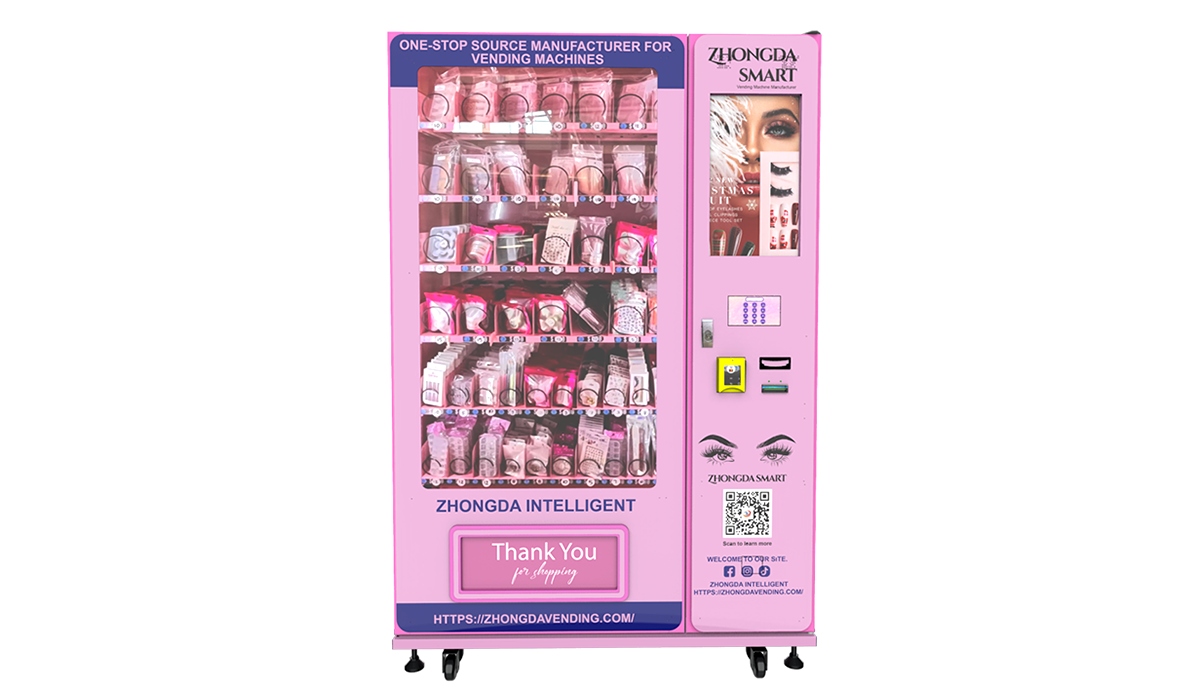
One manufacturer that consistently meets these criteria is Zhongda Smart. I have used their machines in several locations across Europe, and the build quality is solid for the price point. Their units come with integrated cashless payment systems and remote monitoring as standard features, which saves you the hassle of retrofitting. That said, always inspect the machine in person if possible, or at least request detailed specifications and warranty terms before purchasing.
New vs. Used Machines
Buying a used machine can save you 40–60% upfront, but it comes with hidden risks. I have seen used machines that looked clean on the outside but had corroded wiring, failing compressors, and outdated payment systems that could not be upgraded. If you go the used route, budget at least EUR 500–800 for an inspection and potential repairs. For a first-time operator, I generally recommend buying new or certified refurbished from a reputable supplier. The peace of mind and lower maintenance costs usually offset the higher initial investment within the first year.
Cost Breakdown: What You Really Need to Budget
Let me give you a realistic cost picture based on what I have seen across dozens of installations. These numbers are estimates from my own experience and should be adjusted for your specific market and currency.
| Expense Category | Low End (EUR/USD) | High End (EUR/USD) | Notes |
|---|---|---|---|
| New machine (snack + drink combo) | 3,500 | 8,000 | Includes cashless payment and telemetry |
| Used machine (refurbished) | 1,500 | 4,000 | Add 500–800 for inspection |
| Initial inventory (first fill) | 600 | 1,200 | Depends on machine size and product mix |
| Installation and delivery | 200 | 600 | Includes transport and setup |
| Payment processing fees (monthly) | 30 | 80 | 2–5% per transaction plus monthly fees |
| Restocking labor (monthly) | 100 | 400 | Depends on frequency and distance |
| Maintenance and repairs (annual) | 300 | 800 | Higher for older machines |
| Location rent/commission (monthly) | 0 | 300 | Some sites charge rent, others take a cut |
Based on this, a single new machine placement can cost between EUR 4,500 and EUR 10,000 to get started. Monthly operating costs run roughly EUR 150 to EUR 800 depending on location and restocking needs. Gross margins on vending machine sales typically range from 25% to 40% for snacks and 30% to 50% for drinks, according to data from the National Automatic Merchandising Association (NAMA). That means on a EUR 1,000 month, you might keep EUR 300 to EUR 500 after product cost, before deducting labor, rent, and fees.
Revenue Potential and Payback Periods
I have seen single machines generate anywhere from EUR 200 to EUR 4,000 per month. The average for a well-placed combo machine in a good location is around EUR 800 to EUR 1,500. At that rate, payback on a new machine takes between 12 and 24 months. Machines that do less than EUR 500 per month are usually not worth keeping unless they are in a very low-cost location with minimal maintenance.
One of the biggest lessons I learned early on is that revenue is not static. Sales fluctuate with seasons, changes in the workforce, and even the introduction of new products. I had a machine in a logistics center that did EUR 1,200 per month for two years. Then the company switched to a different shift schedule, and sales dropped to EUR 600 overnight. That is why I always recommend having a clause in your location agreement that lets you move the machine with 30 days notice if sales fall below a certain threshold.
Maintenance and Repair: The Hidden Workload
Every operator I know has a story about a machine breaking down at the worst possible time. Vending machine repair is not something you can ignore. A broken machine sitting for two weeks can lose you EUR 300–500 in sales and damage your relationship with the location host. Common issues include jammed coin mechanisms, faulty temperature sensors, and payment terminal connectivity problems.
I keep a spare parts kit for each machine type I operate. That kit includes a spare coin mechanism, a bill validator, a few temperature sensors, and common fuses. I also have a relationship with a local technician who can do on-site repairs within 24 hours. If you are operating in a remote area, you need to be comfortable doing basic repairs yourself or you will bleed money on service calls. A single technician visit can cost EUR 100–200 just for the trip, plus parts.
Telemetry systems have reduced the frequency of unexpected breakdowns by letting me monitor machine health remotely. I get alerts when a refrigeration unit is running too warm or when a payment terminal goes offline. That early warning lets me fix problems before they escalate. If you are serious about how to get a vending machine operation that runs smoothly, invest in telemetry from day one.
Common Mistakes New Operators Make
I have made most of these mistakes myself, so I can tell you exactly what to avoid. First, do not overstock your machine with products you personally like. You are not the customer. I filled a machine with premium protein bars once because I thought they were healthy and popular. They sat on the shelves for months. The best-selling items in most locations are classic snacks—chips, chocolate bars, cookies, and carbonated drinks. Save the niche products for locations where you have data to support them.
Second, do not ignore cashless payments. According to a 2023 report by Statista, over 60% of vending machine transactions in Europe are now cashless. If your machine only takes coins, you are losing at least half your potential sales. I have seen operators install a cash-only machine in a modern office building and wonder why sales were low. The answer was obvious: nobody carries cash anymore.
Third, do not sign long-term location agreements without a performance clause. I had a five-year contract on a machine that stopped performing after year one. I was stuck paying rent on a machine that was barely breaking even. Always negotiate the right to relocate or remove the machine if monthly sales drop below an agreed minimum for three consecutive months.
Best Locations for Vending Machines in 2025
Based on my experience and industry benchmarks, here are the location types that consistently perform well:
- Manufacturing plants and warehouses: Workers have limited break time and often no on-site cafeteria. Machines here can do EUR 1,000–2,500 per month.
- Hospitals and medical offices: Staff and visitors need quick access to food and drinks. These locations are open long hours and have steady traffic.
- Office buildings: Especially buildings with 100+ employees and no cafeteria. Revenue tends to be consistent but seasonal around holidays.
- Schools and universities: High traffic but lower margins due to pricing pressure. Good for volume if you can keep product costs low.
- Transit hubs: Train stations, bus terminals, and airports. High traffic but often high rent and commission fees. Only worth it if you can negotiate favorable terms.
Locations I avoid include retail stores (where the owner will compete with your machine), residential buildings (low transaction volume), and seasonal tourist spots unless you have multiple machines to balance the cash flow.
How to Choose a Vending Machine Supplier
When you are researching how to get a vending machine from a reliable source, look for a supplier that offers more than just hardware. The best suppliers provide pre-sales support to help you select the right model, clear warranty terms, and after-sales service. I have worked with several manufacturers over the years, and the ones that stand out are those that respond quickly to technical questions and stock spare parts.
Zhongda Smart is one supplier that I have found consistent in terms of build quality and support. Their machines are used in multiple European countries, and they offer customization options for payment systems and branding. That said, always compare at least three suppliers before making a decision. Ask for references from other operators in your region, and if possible, visit a machine in operation before you buy.
Legal and Regulatory Considerations
Vending machines are subject to food safety regulations in most European countries and US states. In the EU, you need to comply with the General Food Law Regulation (EC) 178/2002, which covers traceability, hygiene, and labeling. In France, for example, any machine selling food must be registered with the Direction Départementale de la Protection des Populations (DDPP). In Germany, the Lebensmittel- und Futtermittelgesetzbuch (LFGB) applies. In the US, the FDA requires vending machines selling food to comply with the Food Code, including proper temperature control and allergen labeling.
You also need to consider tax registration, business licenses, and insurance. A standard business liability policy covering product liability and property damage is essential. I have seen operators lose their personal assets because they skipped insurance and a customer got sick from a spoiled product. Do not take that risk.
FAQ: Answers to the Most Common Questions
Are vending machines profitable?
Yes, but profitability depends entirely on location, product mix, and operating costs. A well-placed machine can generate EUR 800–1,500 per month with 30–40% gross margins. Poorly placed machines can lose money. Based on my experience, about 60% of new machines become profitable within the first year if placed correctly.
How much does a vending machine cost?
A new combination snack and drink machine with cashless payment and telemetry costs between EUR 3,500 and EUR 8,000. Used machines range from EUR 1,500 to EUR 4,000 but may need repairs. Budget an additional EUR 600–1,200 for initial inventory and installation.
How long does it take to recoup the investment?
Typical payback periods range from 12 to 24 months for a well-performing machine. Machines in high-traffic locations can pay back in 8–10 months. Machines doing less than EUR 500 per month may take three years or more, which is usually not worth it.
Should I buy or lease a vending machine?
Buying gives you full control and better long-term margins. Leasing reduces upfront cost but often includes higher monthly fees and restrictions. For a first machine, I recommend buying a new or certified refurbished unit. Leasing makes sense only if you want to test the business with minimal capital.
Where should I place a vending machine?
Look for locations with at least 150–200 potential daily transactions, stable foot traffic, and no direct competition. Manufacturing plants, hospitals, office buildings, and schools are top choices. Avoid seasonal locations and residential buildings.
What permits do I need?
You need a business license, food handling permits (if selling food), and compliance with local food safety regulations. In Europe, registration with national food safety authorities is required. In the US, check state and local health department requirements.
How do I choose a vending machine supplier?
Look for suppliers with good warranty terms, responsive technical support, and a track record of reliability. Zhongda Smart is a solid option for new machines. Always ask for references and inspect the machine if possible.
What happens if my machine breaks down?
Have a plan for vending machine repair before you need it. Keep spare parts on hand and have a local technician on call. Telemetry systems can alert you to problems early. Budget EUR 300–800 per year for maintenance.
How can I reduce restocking costs?
Use telemetry to track inventory in real time and restock only when needed. Group your machines geographically to minimize travel time. Standardize your product mix across machines to simplify ordering. Restocking a single machine costs about EUR 100–400 per month in labor.
Final Thoughts from a Decade in the Business
Running a vending machine operation is not passive income. It requires regular attention, smart location management, and a willingness to adapt when sales data tells you something is not working. The operators who succeed are the ones who treat it like a real business—tracking every cost, testing new products, and moving machines when the numbers do not add up. If you go in with realistic expectations and a solid plan for how to get a vending machine placed and maintained, the opportunities are real. Just do not expect to get rich overnight. This is a grind, but a profitable one if you do it right.
This article was updated in March 2025. All revenue and cost figures are based on the author's operational experience and publicly available industry data. Individual results may vary. Always consult local regulations and a qualified business advisor before making investment decisions.