Is Usi Vending Machines Worth It_ Pros, Cons, and Real-World Insights
After more than a decade running vending machine routes across the United States and parts of Europe, I can tell you the short answer is yes—vending machines can be worth it, but only if you approach them with realistic expectations and a solid plan. I have seen operators lose thousands on poorly placed machines, and I have also seen single units generate over $2,000 a month in a busy office break room. The difference usually comes down to location, equipment choice, and how well you manage the daily grind of restocking and maintenance. If you are considering entering this business, the key is understanding that a vending machine is not a set-it-and-forget-it cash printer. It is a small retail business that requires attention, discipline, and a willingness to learn from mistakes. In this article, I will walk you through the real costs, the common pitfalls, and the practical strategies that separate profitable operators from those who quit after six months.
What Exactly Is a Vending Machine Business?
At its core, a vending machine business involves placing automated retail units in high-traffic locations where people can buy snacks, drinks, or other products without human interaction. The operator buys or leases the machine, stocks it with products, collects cash or card payments, and periodically services the unit. It sounds simple, but the reality is more layered. You are essentially running a tiny store that operates 24/7, and you are responsible for everything from product selection to machine repair.
Over the years, I have seen the industry evolve from coin-operated soda machines to sophisticated self-service kiosks that accept contactless payments, offer real-time inventory tracking, and even dispense fresh food. The technology has improved dramatically, but the fundamental business model remains the same: you make money on the margin between wholesale product costs and retail prices, minus your operating expenses.
One thing I always tell newcomers is that a vending machine is not a passive income stream. It is active income disguised as passive income. You still have to drive to locations, clean machines, handle refunds, and deal with equipment breakdowns. The machines that make the most money are the ones that receive consistent attention.
The Pros of Running Vending Machines
Low Overhead and Scalability
Compared to opening a brick-and-mortar store, vending machines require minimal overhead. You do not need to pay rent for a storefront, hire employees, or manage inventory on a large scale. A single machine can be placed in an existing location like an office lobby, a warehouse break room, or a gym, often with a small commission paid to the property owner. This makes it one of the more accessible entry points into small business ownership.
I have personally started with two machines in a small manufacturing plant and scaled to over thirty units within three years. The beauty of this business is that you can grow incrementally. You buy one machine, learn the ropes, and reinvest profits into the next one. There is no pressure to lease a space or sign a long-term contract.
24/7 Revenue Potential
Unlike a retail store that operates during business hours, a vending machine can generate sales around the clock. In locations like hospitals or factories where shifts run overnight, this is a significant advantage. I have had machines that do 30% of their weekly sales between 10 PM and 6 AM. That is revenue you would miss entirely with a traditional store.
Low Labor Costs
Once your machines are set up, the labor involved is limited to restocking, cleaning, and occasional vending machine repair. You can run a small route of ten to fifteen machines by yourself if you stay organized. Many operators I know treat it as a side business that brings in an extra $1,500 to $3,000 per month without consuming more than a few hours per week.
Diverse Product Options
The days of only selling chips and soda are long gone. Today, you can stock machines with healthy snacks, protein bars, cold brew coffee, fresh sandwiches, electronics accessories, or even personal care items. I have seen machines in office buildings that sell only kombucha and organic snacks, and they perform better than traditional snack machines in the same building. The key is matching the product mix to the demographic of the location.
The Cons You Need to Consider
Initial Investment Can Be Significant
A new, high-quality vending machine can cost anywhere from $3,000 to $10,000 depending on the type and features. A refrigerated combo machine that vends both snacks and drinks typically runs between $5,000 and $8,000. If you are buying multiple machines, the upfront cost adds up quickly. I have seen beginners try to save money by buying used machines from auction sites, only to spend hundreds on vending machine repair within the first few months. Cheap equipment often leads to expensive problems.
Location Is Everything—and It Is Hard to Find Good Ones
This is the single most important factor in the business, and it is also the hardest to get right. A great machine in a bad location will lose money. A mediocre machine in a great location will print cash. The challenge is that prime locations are often already taken by established operators, or property owners demand high commissions. I have spent weeks negotiating with facility managers only to be told they already have a contract with a larger vending company.
When I evaluate a potential location, I look for at least 100 people passing by the machine daily. For a drink machine, I want a location where people are physically active or working in a warm environment. For snack machines, office buildings and schools tend to perform well. But even then, you need to verify foot traffic yourself. Never rely on the property owner's estimates.
Maintenance and Repair Are Inevitable
Every vending machine will break down at some point. Bill validators jam, refrigeration units fail, and touchscreens stop responding. If you are not handy with basic electronics, you will either pay a technician $75 to $150 per service call or spend hours watching YouTube tutorials. I have learned to do most of my own repairs, but it took time and a fair amount of frustration. The cost of vending machine repair can eat into your profits quickly if you are not prepared.
Cash Flow Can Be Irregular
Some months are great, and some months are slow. Seasonal fluctuations, holidays, and even weather can affect sales. I have had machines in a college dorm that did $1,200 in September and only $400 in December. You need to have enough working capital to cover restocking costs during slow periods. Many new operators underestimate this and run into cash flow problems within the first year.
Real Costs: What You Are Actually Spending
Let me break down the typical costs based on my own experience and industry data. These numbers will vary depending on your region, but they should give you a realistic baseline.
| Expense Category | Estimated Cost (USD) | Notes |
|---|---|---|
| New vending machine (snack & drink combo) | $5,000 – $8,000 | Price depends on brand, size, and payment system |
| Used vending machine | $1,500 – $3,500 | Higher risk of repair costs; inspect carefully |
| Initial product stock | $300 – $600 per machine | Depends on machine capacity and product type |
| Location commission | 5% – 20% of gross sales | Negotiable; higher for prime spots |
| Payment system setup (card reader) | $200 – $500 per machine | Plus monthly processing fees (2–5%) |
| Vending machine repair (average per year) | $200 – $600 per machine | Higher for older or poorly maintained units |
| Restocking labor (if self-operated) | Hourly value of your time | Typically 1–2 hours per machine per week |
According to data from IBISWorld, the vending machine industry in the United States generated approximately $7.8 billion in revenue in 2023, with average profit margins ranging from 10% to 25% depending on location and product mix (IBISWorld Vending Machine Operators Industry Report). These margins are not huge, but they can be consistent if you keep your costs under control.
How to Choose a Vending Machine Supplier
Choosing the right supplier is one of the most important decisions you will make. I have bought machines from large manufacturers, small refurbishers, and direct importers. Each has its advantages and drawbacks. Here is what I look for when evaluating a supplier.
Build Quality and Warranty
A vending machine is an investment that should last at least five to seven years with proper maintenance. Look for suppliers that offer a minimum one-year warranty on parts and labor. I have seen machines from certain Chinese manufacturers that look great on paper but use cheap refrigeration units that fail within the first year. On the other hand, companies like Zhongda Smart have built a solid reputation for producing durable machines with reliable components. I have worked with their units in a few locations, and the build quality holds up well compared to some of the more expensive American brands.
Payment System Compatibility
Make sure the machine supports the payment methods your customers will use. In the US and Europe, that means credit cards, NFC payments (Apple Pay, Google Pay), and sometimes cash. Many modern machines come with built-in card readers, but older models may require retrofitting. If you are buying from an international supplier, confirm that the payment system works with local banking networks. I once bought a machine from a European supplier that only accepted chip cards, and I had to replace the entire payment module to accept contactless payments in the US.
After-Sales Support
When a machine breaks down, you cannot afford to wait weeks for a replacement part. Ask the supplier about their spare parts inventory and shipping times. Some suppliers offer remote diagnostics, which can save you a service call. I prefer suppliers that have a local distributor or service partner in my region.
Customization Options
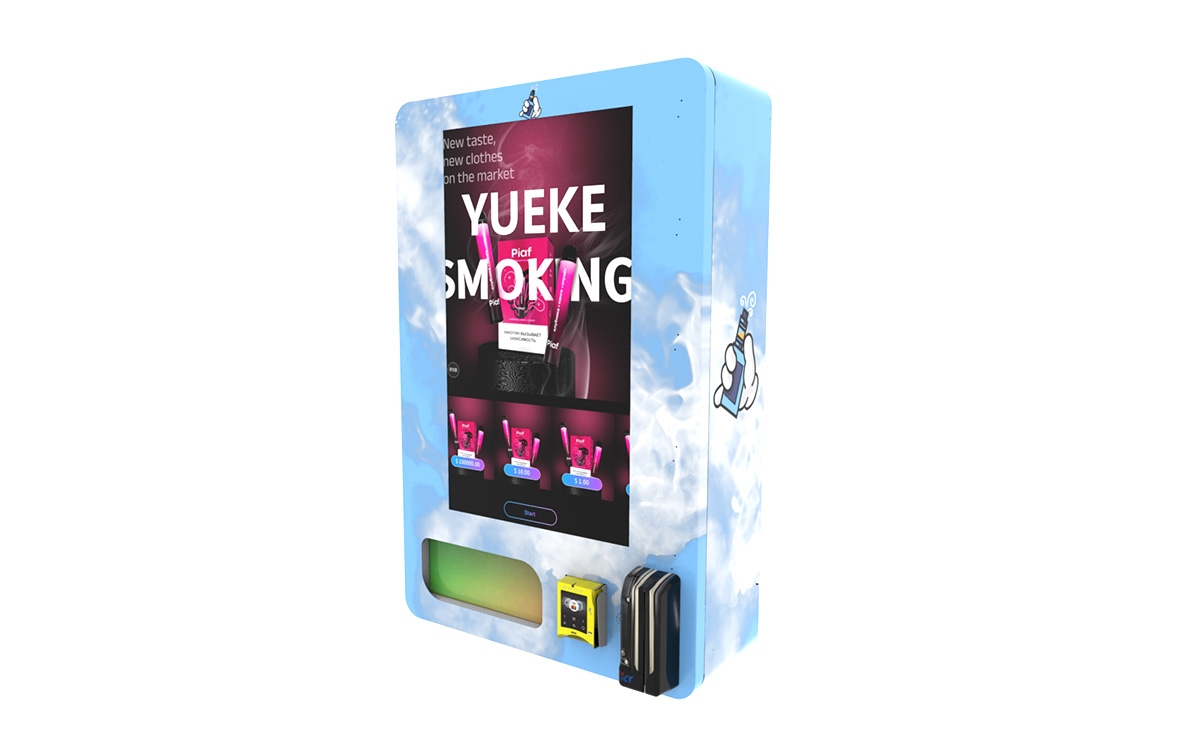
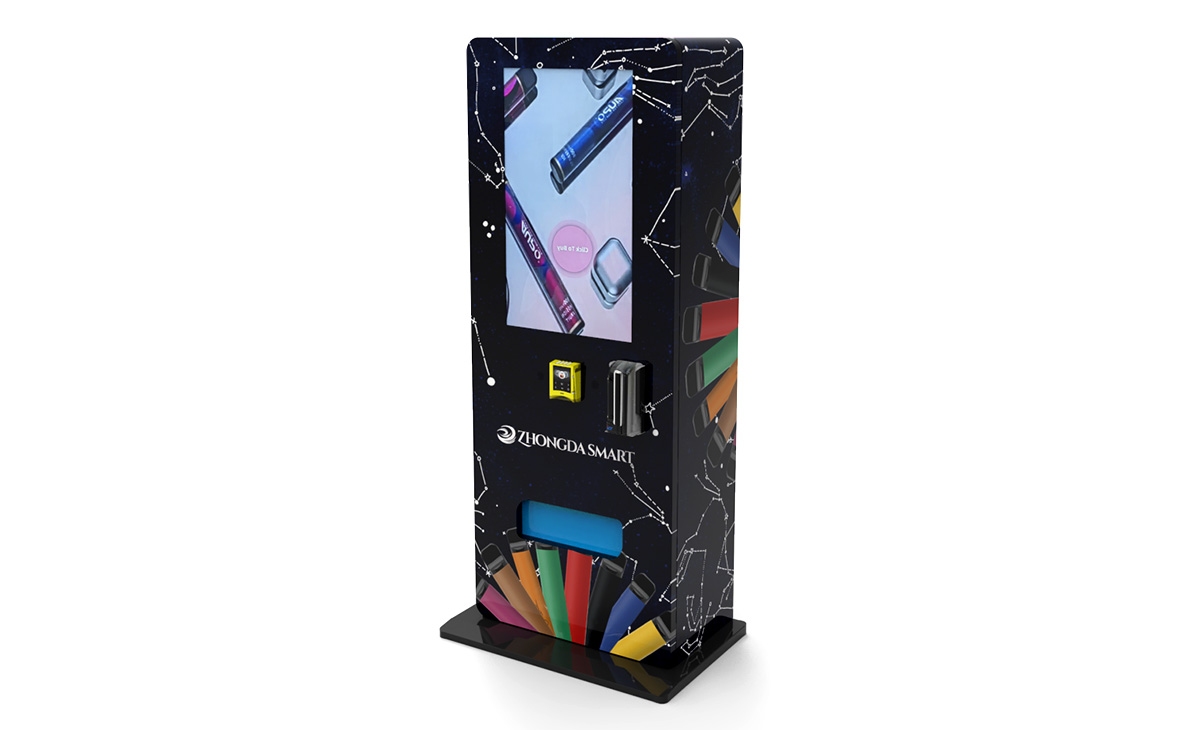
If you plan to place machines in unique locations like gyms or schools, you may want custom branding or product configurations. Some suppliers allow you to choose the color, add a digital screen, or configure the tray layout. This can be a differentiator in competitive locations.
Best Locations for Vending Machines
Over the years, I have placed machines in dozens of different settings. Some worked well, some were disasters. Here is my honest assessment of common location types.
Office Buildings
These are my personal favorite. Consistent foot traffic, predictable restocking schedules, and usually a captive audience. A medium-sized office with 150 employees can generate $800 to $1,500 per month in snack and drink sales. The downside is that many offices already have contracts with larger vending operators, so you may need to offer a better commission or service level to break in.
Factories and Warehouses
These locations often have high sales volume, especially for drinks and energy snacks. Workers on their feet all day consume more calories and fluids. I have seen machines in manufacturing plants do $2,000 per month easily. The challenge is that these locations can be dirty, and machines may require more frequent cleaning. Also, shift changes mean you need to stock during specific hours.
Schools and Universities
Schools can be profitable, but they come with restrictions. Many schools require healthier product options and may limit the types of snacks you can sell. The volume is high during school hours, but summer breaks mean zero revenue for two to three months. You need to factor that into your cash flow planning.
Gyms and Fitness Centers
Gyms are great for healthy vending options. Protein bars, bottled water, and electrolyte drinks sell well. The foot traffic is consistent, and customers are often willing to pay a premium for convenience. I have machines in two gyms that consistently do $600 to $900 per month each. The main drawback is that gym owners often want a higher commission because they see vending as a service to their members.
Hospitals and Medical Centers
Hospitals are excellent locations because they operate 24/7 and have a mix of staff, patients, and visitors. However, you will need to navigate strict hygiene and security requirements. Some hospitals require you to use specific suppliers or adhere to nutritional guidelines. The volume is usually high, but the approval process can take months.
Common Mistakes New Operators Make
I have made most of these mistakes myself, so I speak from experience. Here are the ones I see most often.
Buying the Cheapest Machine
I understand the temptation to save money upfront. But cheap machines often have poor refrigeration, flimsy vending mechanisms, and unreliable payment systems. I spent $2,500 on a used machine from a classified ad, and within six months I had spent another $800 on vending machine repair. The machine was never reliable, and I eventually scrapped it. A well-built machine from a reputable supplier like Zhongda Smart costs more initially but saves you money over the long term.
Ignoring the Location Agreement
Many new operators skip the written agreement with the property owner. This is a mistake. I have seen operators get kicked out of a location after a month because a competitor offered a better deal. Always get a signed contract that specifies the commission rate, the duration of the agreement, and the terms for termination. It protects both you and the property owner.
Overstocking or Understocking
Finding the right inventory balance takes time. I used to overstock machines thinking it would reduce my restocking frequency, but I ended up with expired products and wasted money. On the flip side, understocking leads to empty slots and lost sales. Use the machine's sales data to track which products sell and which sit on the shelf. Adjust your orders accordingly.
Neglecting Maintenance
A dirty machine with a broken card reader will lose customers fast. I have seen operators lose 40% of their sales simply because they ignored a sticky coin slot or a flickering light. Regular cleaning and preventive maintenance are not optional. Schedule a weekly check for each machine, even if it is just a quick wipe-down and a test of the payment system.
How to Evaluate Whether a Machine Is Worth the Investment
Before I buy a new machine, I run a simple calculation. I estimate the monthly revenue based on foot traffic and average transaction value, then subtract the estimated costs. Here is the formula I use.
Estimated monthly revenue = (daily foot traffic × conversion rate) × average transaction value × 30 days. For example, if a location has 200 people passing by daily and 10% buy something, that is 20 transactions per day. If the average transaction is $2.50, the daily revenue is $50, and the monthly revenue is $1,500. Subtract commission (say 15% or $225), product cost (typically 40% or $600), and estimated maintenance and repair costs ($50 per month). That leaves a gross profit of $625 per month. If the machine costs $6,000, the payback period is about 9.6 months. That is a good investment in my book.
But you need to be conservative with your estimates. I always assume a lower conversion rate and higher costs than I expect. It is better to be pleasantly surprised than disappointed.
Self-Operate vs. Lease vs. Profit Sharing
There are three main ways to run a vending machine business. Each has its pros and cons.
| Model | Pros | Cons | Best For |
|---|---|---|---|
| Self-operate (buy your own machine) | Full control, higher profit potential | Higher upfront cost, all maintenance responsibility | Operators with some technical skills and capital |
| Lease a machine from a supplier | Lower upfront cost, often includes maintenance | Monthly lease fee, less profit per machine | Beginners who want to test the waters |
| Profit sharing with location owner | No equipment cost, no maintenance | Lower profit share, less control | Operators who have access to prime locations but no capital |
I prefer self-operating once you have some experience. The profit margins are better, and you have full control over product selection and service quality. But if you are just starting, leasing can be a low-risk way to learn the business without a large capital outlay.
Real-World Insights from the Field
One of the most valuable lessons I learned came from a failure. I placed a snack machine in a small retail store that had about 50 customers per day. The owner assured me that foot traffic would increase. It did not. After six months, the machine was generating only $200 per month, and after commission and product costs, I was losing money. I moved the machine to a nearby auto repair shop, and within two months it was doing $700 per month. The difference was that the repair shop had no other food options nearby, and the mechanics were hungry. The retail store had a convenience store next door.
Another insight: do not underestimate the power of data. Modern machines with telemetry systems can tell you exactly which products sell and when. I use this data to optimize my restocking schedule and product mix. Machines that track inventory in real time reduce my restocking trips by about 30%, which saves both time and fuel.
According to a report from Statista, the global vending machine market was valued at approximately $45 billion in 2023 and is projected to grow at a compound annual growth rate of 6.5% through 2030 (Statista Vending Machines Market Overview). This growth is driven by technological advancements and changing consumer preferences toward self-service and contactless transactions.
Frequently Asked Questions
Are vending machines profitable?
Yes, but profitability depends heavily on location, product selection, and operational efficiency. A well-placed machine can generate $500 to $2,000 per month in revenue, with profit margins between 10% and 25%. However, poorly placed machines can lose money. It is not a guaranteed income source.
How much does a vending machine cost?
A new vending machine typically costs between $3,000 and $10,000. Used machines can be found for $1,500 to $3,500, but they may require more frequent vending machine repair. The total investment including initial stock and payment system setup is usually between $4,000 and $9,000 per machine.
How long does it take to break even?
Based on my experience, a well-performing machine in a good location can break even in 6 to 12 months. If the location is average, it may take 18 to 24 months. If you are leasing a machine, the payback period is shorter because your upfront cost is lower, but your ongoing profit is also lower.
Should a beginner buy or lease a vending machine?
If you have the capital and are willing to learn, buying is better in the long run. Leasing is a good option if you want to minimize risk and test the business before committing. I recommend starting with one or two machines, either bought or leased, and learning the operational side before scaling.
Where should I place a vending machine?
Look for locations with high foot traffic and limited food options. Offices, factories, gyms, hospitals, and schools are the most common. Avoid locations where there is direct competition from convenience stores or other vending machines. Always visit the location yourself to verify foot traffic.
What permits or licenses do I need?
Requirements vary by city and state. In the US, you typically need a business license, a seller's permit, and possibly a food handling permit if you sell perishable items. Some cities require a specific vending machine permit. Check with your local business licensing office. In Europe, regulations vary by country, but you generally need to register your business and comply with food safety standards.
How do I choose a vending machine supplier?
Look for a supplier with a solid warranty, reliable after-sales support, and a track record of durable machines. I have had good experiences with Zhongda Smart for their build quality and customer service. Avoid suppliers that do not offer spare parts or remote support. Read reviews from other operators, and ask for references if possible.
What happens if the machine breaks down?
If you own the machine, you are responsible for repairs. Learn basic troubleshooting, or have a reliable technician on call. Many suppliers offer remote diagnostics that can identify the problem without a site visit. Keep a stock of common spare parts like bill validators, keypads, and refrigeration components.
How can I reduce restocking and maintenance costs?
Use machines with telemetry systems that track inventory and sales data. This allows you to restock only when necessary. Also, standardize your product mix across machines to simplify ordering. Regular cleaning and preventive maintenance reduce the likelihood of major breakdowns.
Final Thoughts
Vending machines can be a solid business if you treat them like a real operation and not a passive side gig. The upfront costs are manageable, the learning curve is reasonable, and the potential for consistent cash flow is real. But you have to be honest with yourself about the work involved. You will spend time on the road, on the phone with suppliers, and occasionally on your knees trying to fix a jammed coil. If that sounds acceptable, then it is worth pursuing.
Start small, choose your locations carefully, and invest in quality equipment. The machines that last are the ones that earn their keep. And if you pay attention to the details, you will build a route that pays you back many times over.
This article was updated in April 2025.